Preserving the Shine: A Comprehensive Guide to Caring for Your Lacquered Bookshelf in Singapore's Tropical Climate
Choosing a lacquered bookshelf for your Singapore home is a statement of sophisticated taste. The deep, reflective sheen and smooth, flawless finish can improves the simplest room into a space of quiet elegance. However, living in a tropical climate like Singapore, with its year-round high humidity and intense UV exposure, presents a unique set of challenges for maintaining that pristine look. A bookshelf, especially one in a prominent living area or study, is a long-term investment, and proper care is not just about aesthetics; it's about preserving the integrity of the wood and the finish for years to come. This guide provides a detailed, practical approach to caring for your lacquered bookshelf, tailored specifically for the conditions in our HDB flats and condos, from the corridors of Tampines to the living rooms of Punggol.
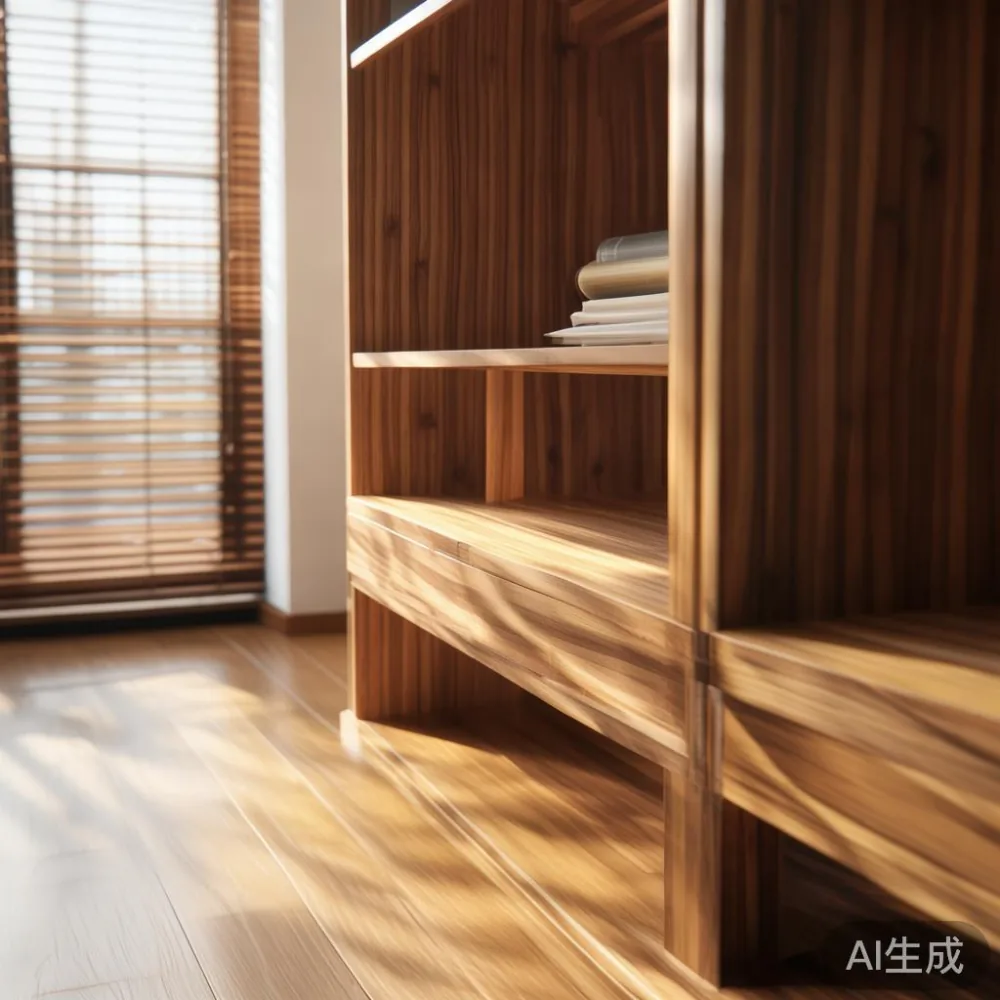
Understanding Your Lacquered Bookshelf: More Than Just a Pretty Finish
A lacquered finish, often referred to as a French polish or a high-gloss lacquer, is created by applying multiple thin layers of a clear, hard resin to the wood surface. This process, which can take several weeks to complete, results in an exceptionally durable, moisture-resistant, and brilliantly shiny surface. The quality of the finish is paramount. A high-quality lacquer on a solid wood bookshelf can withstand the rigors of daily use, whereas a poorly applied one can begin to degrade quickly under Singapore's humidity. When you select a piece of furniture, understanding the construction and finish helps you appreciate the craftsmanship and know what is required to keep it looking its best. For those who appreciate light luxury for bedroom settings, a well-maintained lacquered bookshelf can be the perfect complement to a solid wood bed frame and nightstand, creating a harmonious and upscale feel.
The Singapore Climate: Your Bookshelf's Biggest Adversary
Singapore's climate is defined by two main factors that threaten your bookshelf: humidity and heat. The relative humidity often hovers between 70% and 90%, and the temperature rarely drops below 24°C. This constant moisture in the air can penetrate wood that is not properly sealed, causing it to swell, warp, or even crack. The lacquer finish is your primary defense, but it is not invincible. Prolonged exposure to high humidity can, over time, lead to the formation of tiny bubbles or a slightly cloudy appearance on the surface, known as blush. Also, the intense sunlight that streams through our windows can be just as damaging. UV rays break down the polymers in the lacquer, causing it to become brittle and eventually yellow or fade. This is why placing a dark-coloured lacquered bookshelf directly opposite a west-facing window in a Bedok apartment can lead to noticeable colour differences on the sides over a 5 to 10-year period.
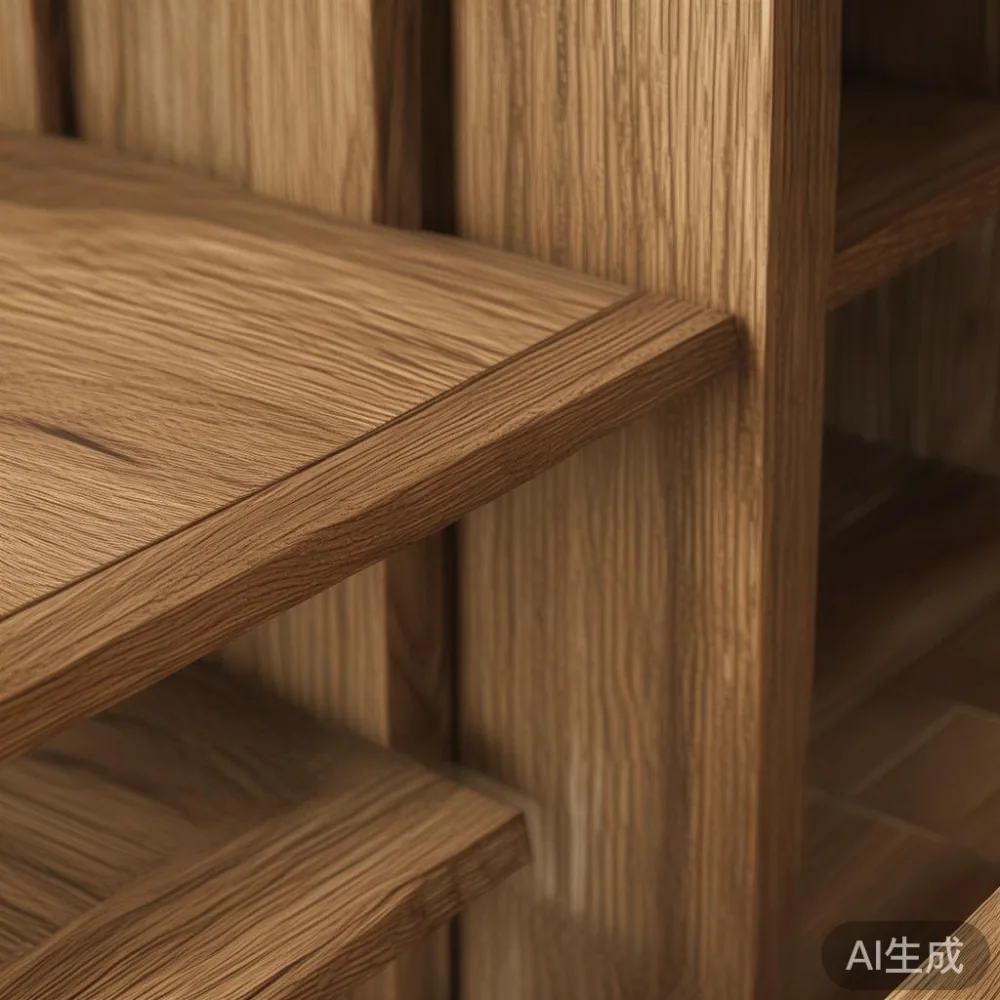
Why Location Matters: Placing Your Bookshelf for Longevity
Where you place your bookshelf in your home is one of the most important decisions you can make for its preservation. In a typical Singapore HDB flat, the standard lift width is about 110 cm, and the corridor width is approximately 150 cm. This means a standard bookshelf, usually around 80 cm deep, needs to be maneuvered carefully during delivery. Once it's in your home, resist the urge to place it in the most convenient spot if that spot is problematic. Avoid areas with direct, unfiltered sunlight. A balcony, even if it's enclosed, is a poor choice due to extreme temperature fluctuations. Similarly, avoid placing the bookshelf next to air-conditioning vents or heaters, as the rapid changes in temperature and airflow can dry out the wood and lacquer unevenly. The ideal location is a spot with stable, indirect light and away from sources of direct moisture, like the kitchen sink or bathroom entrance. A living room with large windows but fitted with good quality UV-filtering curtains is a perfect environment.
How to style French sofa in bedroom? The answer lies in pairing it with complementary pieces that share a similar aesthetic. A French-inspired bedroom might feature a delicate chandelier, ornate mirrors, and soft, pastel-coloured bedding. The key is to create a cohesive look that feels both romantic and lived-in, avoiding a theme that feels overly staged or impersonal.
For cleaning your lacquered bookshelf, less is definitely more. Dust is the primary enemy, acting like fine sandpaper on the surface if wiped with a dry, abrasive cloth. The best practice is to dust your bookshelf at least once a week using a clean, soft, lint-free microfiber cloth. For a deeper clean, lightly dampen the cloth with water. It is critical to wring the cloth out thoroughly until it is only slightly damp, not wet. Never spray water or any cleaning solution directly onto the bookshelf. Spray it onto the cloth instead. Wipe the surface gently with the damp cloth, following the grain of the wood if it's visible beneath the lacquer. For stubborn fingerprints or smudges, you can use a tiny drop of a mild, pH-neutral dish soap mixed with water. Always test any cleaning solution on an inconspicuous area, like the back of a shelf, first. After cleaning, immediately buff the surface dry with another clean, soft cloth to prevent water spots. Avoid using furniture polishes that contain silicone or wax, as they can build up over time, creating a hazy film that is difficult to remove and can interfere with the lacquer's finish.
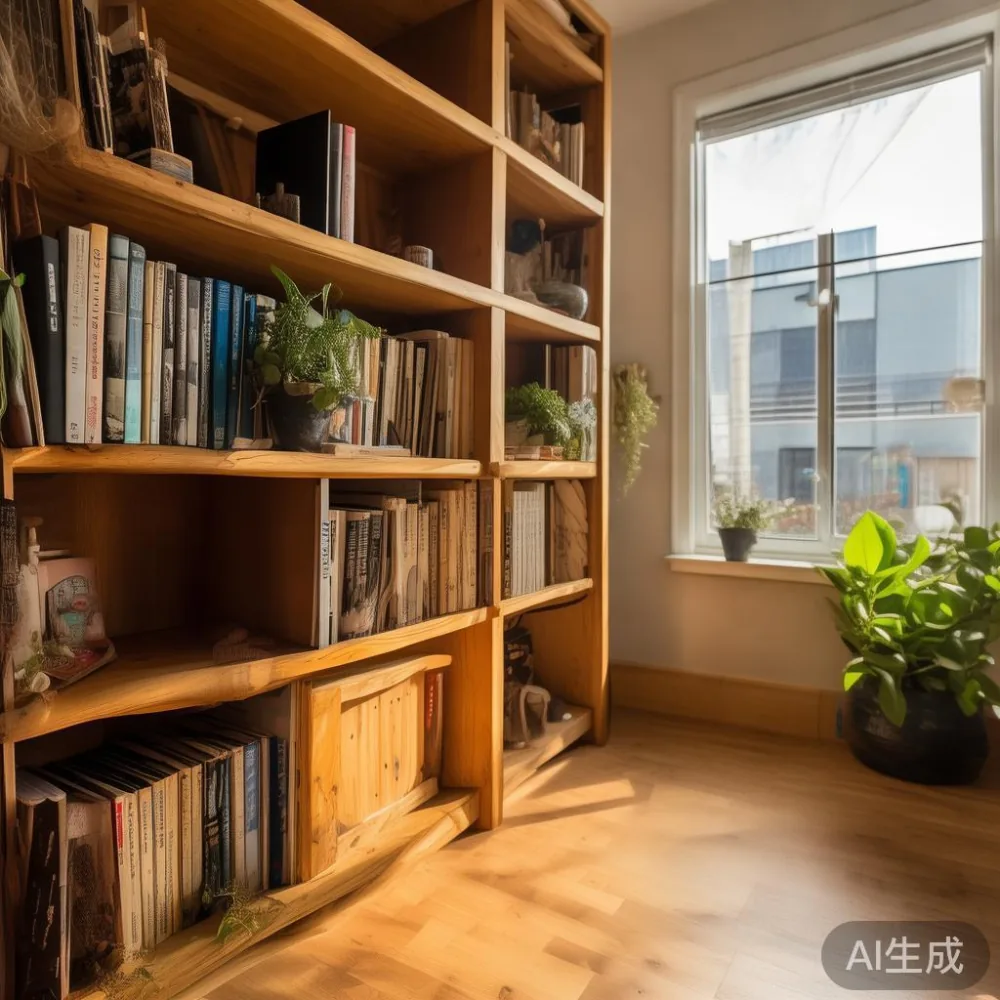
Preventing Damage: Everyday Habits That Make a Difference
Preventative care is the most effective way to ensure your bookshelf remains in pristine condition. Be mindful of what you place directly on the lacquered surface. Hot items, such as a coffee mug or a lamp with a hot bulb, can create white heat rings that are difficult or impossible to remove. Always use coasters or trivets. Place objects with rough or potentially abrasive bottoms, such as ceramic plant pots or metal sculptures, on a felt pad or a small, decorative doily. When arranging books and decorative objects, distribute the weight evenly. Overloading a single shelf can cause it to sag over many years, putting stress on the joints and the finish. When moving objects on the shelves, lift them rather than sliding them across the surface to avoid scratches. If you have young children or pets, consider placing the bookshelf in a low-traffic area or using safety straps to secure it to the wall, preventing accidental tipping.
Addressing Common Problems: When Your Bookshelf Shows Its Age
Even with the best care, issues can arise. The most common problem in our climate is a white, cloudy mark, known as a blush or bloom, which occurs when moisture gets trapped under the lacquer. If the blush is recent and not too deep, it can sometimes be resolved by letting the bookshelf dry in a well-ventilated area for several days. For more stubborn cases, a very light buffing with a specialized plastic polishing compound, applied with a soft cloth, might help. However, aggressive buffing can thin the lacquer. Minor scratches are another issue. A surface scratch that has not penetrated the wood can sometimes be masked with a high-quality scratch repair marker or a tiny amount of matching nail polish applied with a fine brush, then gently buffed. For deeper scratches or chips that expose the wood, professional repair is the only safe option. Attempting to touch it up yourself with store-bought products often leads to a noticeable, amateurish repair. A professional refinishing service can strip the affected area and re-lacquer it to match the original finish perfectly.
Is European sofa worth it? For many homeowners, the answer is yes, but it depends on your priorities. A European sofa often represents a higher standard of craftsmanship, premium materials, and timeless design. The investment can be significant, but a well-made European sofa can last for decades, becoming a cherished piece of furniture that adds value to your home. It's an investment in quality and style that pays off over time.
When the time comes to move or replace your bookshelf, handling it correctly is important to avoid damage. In Singapore, moving between apartments often involves working through narrow corridors and lifts. The standard door width in most HDB flats is about 80 cm, so a bookshelf wider than that will need to be maneuvered carefully. Disassembling the bookshelf if possible is the best approach. Keep all screws and fittings in a labelled bag. If disassembly is not an option, you will need to slide the bookshelf out. Lay down a thick blanket or moving pads on the floor to protect both the bookshelf and your floors from scratches. Use furniture sliders or a heavy-duty dolly to move it smoothly. When transporting it in a vehicle, secure it with straps to prevent it from sliding around. For those who prefer a hassle-free option, professional furniture delivery services are available. Companies like MIDHILL offer free shipping for orders over SGD 350, and their experienced teams are trained to handle valuable items like a lacquered bookshelf with the utmost care, ensuring it arrives at your new home in Tampines or Punggol without a single scratch.
How to style American wardrobe in apartment? The key is to balance bold statements with functional storage. An American wardrobe often features clean lines, a substantial presence, and a focus on practicality. In a Singapore apartment, you can style it by pairing it with minimalist decor and ensuring it has ample internal organisers to keep your space tidy and clutter-free, allowing the wardrobe itself to be a statement piece.
Investing in a high-quality piece of furniture like a solid wood bookshelf is a decision that should bring you joy for many years. A 10-year structural warranty, such as the one offered by established makers, provides peace of mind, ensuring the frame and joints are sound. The lifetime refinishing service is an even more valuable feature, as it allows you to restore the bookshelf's original beauty should the finish ever become damaged beyond simple repair. This commitment to longevity is a hallmark of quality furniture. For those who appreciate a post-modern light luxury aesthetic, a lacquered bookshelf can serve as a stunning focal point. Its reflective surface plays with light and space, creating an illusion of depth and airiness, which is a desirable quality in the sometimes compact layouts of Singapore apartments. Pairing it with a marble-topped console or a sleek solid wood dining table can create a sophisticated and cohesive interior design story that feels both contemporary and enduring.
Final Thoughts: A Legacy of Beauty
Caring for a lacquered bookshelf in Singapore is a simple act of regular attention. It involves mindful placement, gentle cleaning, and preventative habits that protect it from the unique challenges of our tropical environment. By following these guidelines, you are not just cleaning a piece of furniture; you are preserving a piece of artistry and a significant investment in your home. A well-maintained bookshelf becomes more than just storage for books; it becomes a family heirloom, a silent proof of good taste and care. It holds not just your literary collection but also the memories of quiet afternoons spent reading in your living room. The process of maintaining it connects you to the craftsmanship that went into its creation and ensures that its beauty will be a part of your home for generations to come.