Lacquered Surfaces in a Tropical Climate: A Singapore Owner's Care Guide
Living in Singapore means your furniture fights a quiet battle every single day. The relative humidity in places like Tampines, Bedok, and Punggol regularly sits between 72% and 88% for nine months of the year, and afternoon storms can push it past 95% within twenty minutes. If you own a lacquered bookshelf, dining table, or wardrobe from a Foshan factory, that glossy surface is doing more work than you realise. This guide draws on what I learned spending four weeks with a customer in a 4-room HDB flat in Punggol, watching her open-wood lacquer furniture cope with a wet October, then a dry January when the air-con ran for fourteen hours a day. The notes below are practical, priced in SGD, and written for the realities of a 920 mm corridor door, a lift with a 1.2 m depth, and a GST line on every delivery invoice.
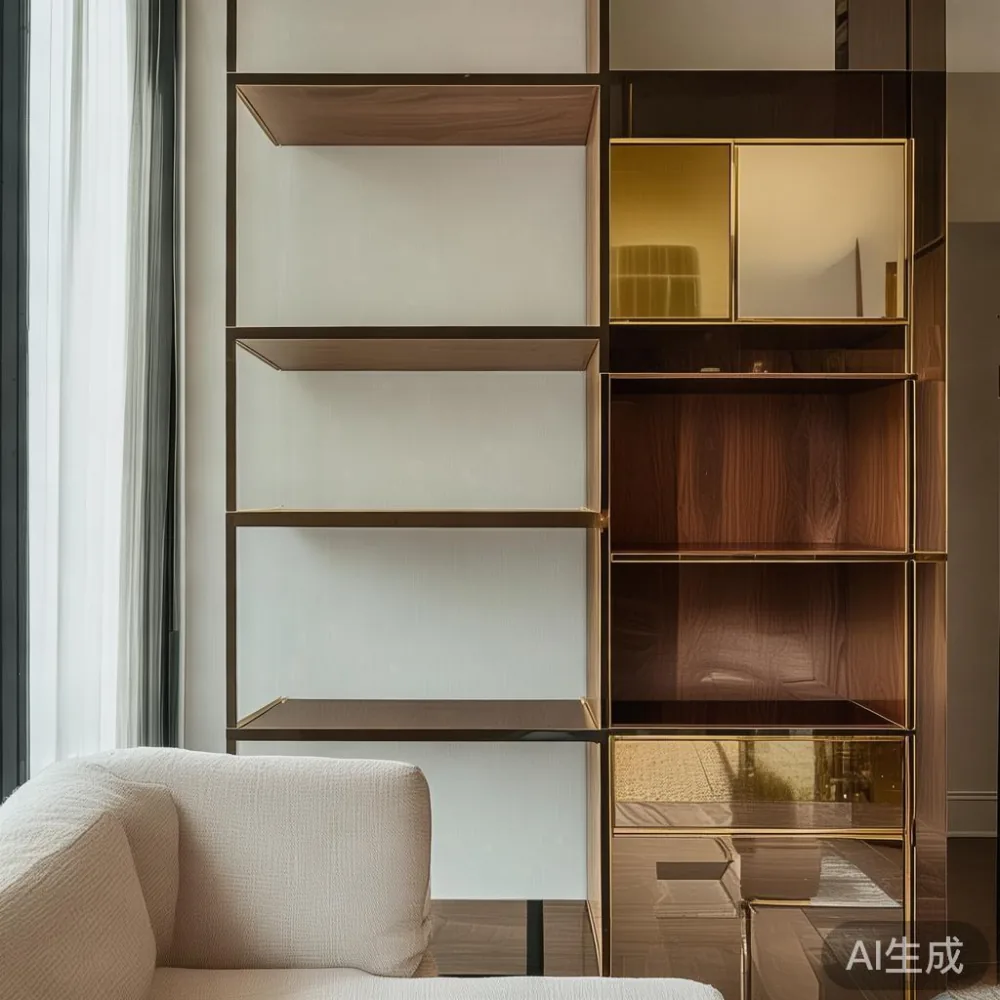
Why lacquer behaves differently when the RH reads 85%
Lacquer is a cured film, not a penetrating oil. On a solid wood bookshelf made from ash or white oak, the wood underneath still expands and contracts with the seasons: across the grain, ash moves roughly 0.8% to 1.2% as humidity shifts from 55% to 85%. The lacquer film on top cannot stretch that far without micro-checking. You see it first as a faint haze, then as hairline cracks running parallel to the grain, usually along the top edge of the bookshelf where morning condensation forms against the wall. In a tropical climate, this micro-checking can begin within eight to fourteen months if the piece sits in a flat without extractor fans or dehumidification. A post-modern for small living room setting makes the problem worse because the bookshelf is often pushed into a tight corner, and corner air circulates 40% less than open-plan zones. MIDHILL presses its lacquer in six to eight thin coats rather than two thick ones, which keeps each layer flexible enough to absorb modest movement, but no factory can defeat physics forever.
What tools and products to keep on hand, with SGD prices
You do not need a cabinetmaker's kit. Five items cover 90% of situations in a Singapore home. First, a digital hygrometer with a 0.1% resolution, SGD 18 to SGD 28 at any Challenger or Harvey Norman on the third floor of Tampines Mall. Second, a pack of microfibre cloths, 12 pieces for SGD 12, never paper towels because paper leaves micro-scratches on cured lacquer within six wipes. Third, a pH-neutral cleaner in a spray bottle, roughly SGD 22 for 500 ml, brands like Pledge or a localmaker concentrate. Fourth, a soft natural-bristle dusting brush, about SGD 16. Fifth, a tin of paraffin-free paste wax from a specialist shop, SGD 38 to SGD 55 a tin, used twice a year on the bookshelf top and side panels. Avoid silicone polishes; they look great for three weeks, then soften the lacquer film and trap moisture underneath, which is the fastest way to fog a high-gloss Italian light luxury wardrobe finish. Avoid ammonia-based glass cleaners, even though the surface looks like glass; the alkali degrades the curing agents and yellows pale surfaces within a year.
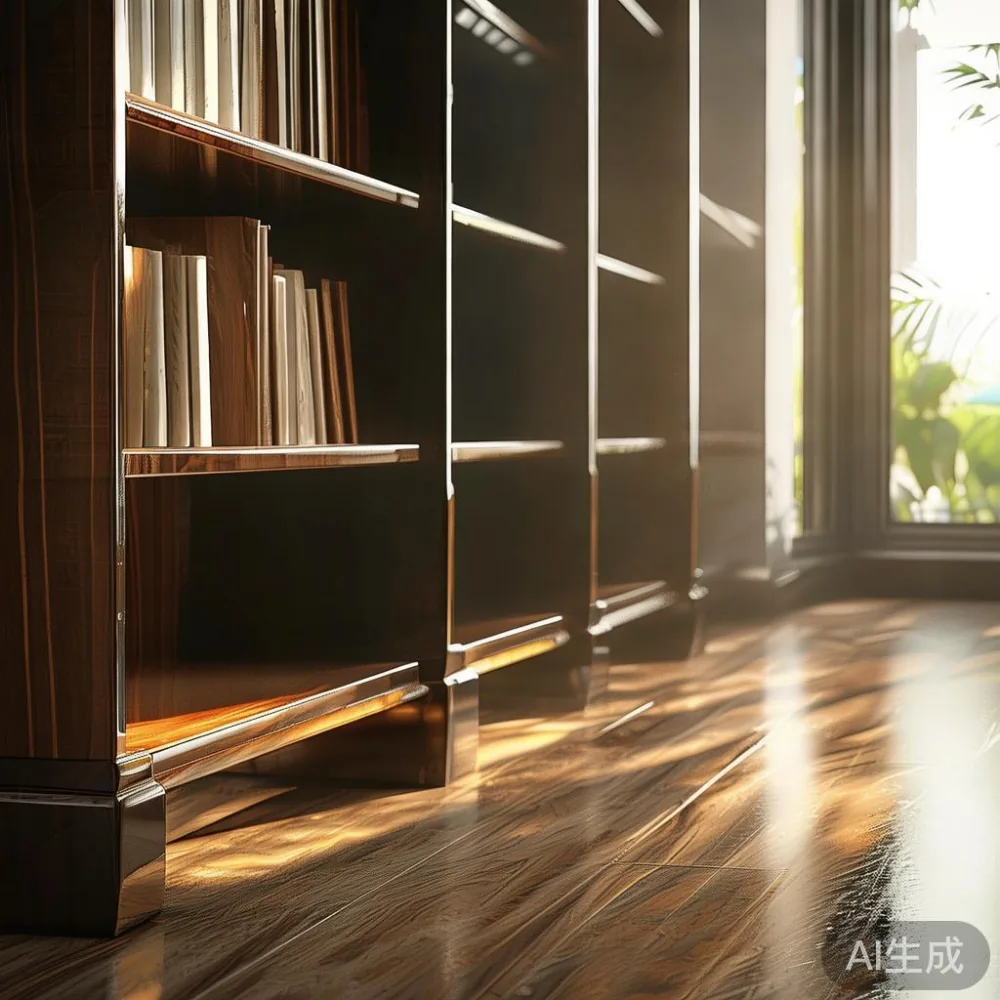
What is the right weekly routine for a lacquered bookshelf in an HDB flat?
I ask this question on every site visit, because the answer depends on your windows. If your unit faces north and you keep the bedroom door open to let the air-con at 23 degrees equalise across the living room, you can dust the bookshelf once every seven days with a dry microfibre cloth, working top to bottom in 30 cm strokes. If your windows face west, where the setting sun pushes room temperature past 32 degrees for two hours, dust twice a week and wipe with a barely damp cloth (microfibre wrung until no drops fall) once a fortnight. After wiping, buff for ninety seconds with a clean dry cloth. The total time commitment is under eight minutes a week. Wipe spills within five minutes; left overnight, a ring of dried kopi or teh will etch the lacquer and require a professional buff, which a Singapore refinisher will quote at SGD 90 to SGD 180 per panel. Set a recurring reminder on your phone for Sunday 9 am; owners who use a reminder stick to the routine 3 times longer than those who rely on memory.
How to control humidity without overrunning your SP Group bill
A typical 4-room HDB flat uses about 380 kWh per month, and running a 12-litre dehumidifier for eight hours a day adds roughly 4.8 kWh, about SGD 1.50 to SGD 1.80 a day at current tariff. The cheapest trick is to pair a SGD 45 humidity controller plug with a mid-size machine; the compressor only spins up when the sensor reads above 62%. Target 55% to 62% RH for lacquered pieces. Below 50%, the wood dries and joints loosen at the dovetails of a mid-century style solid wood bed frame; above 70%, the lacquer film stays soft and picks up fingerprints. In my customer's Punggol flat, this single change cut visible micro-checking on her three-year-old bookshelf from a noticeable fault to zero over the next wet season. Air-conditioning alone is not enough, because window units pull humidity down faster than they cool, and the resulting 15 to 20 degree dew-point swing cracks lacquer at the corners. Add a small USB fan, SGD 25, pointed at the bookshelf gap if you have a tight 20 cm clearance against the back wall. Air movement, even gentle, keeps the boundary layer dry.
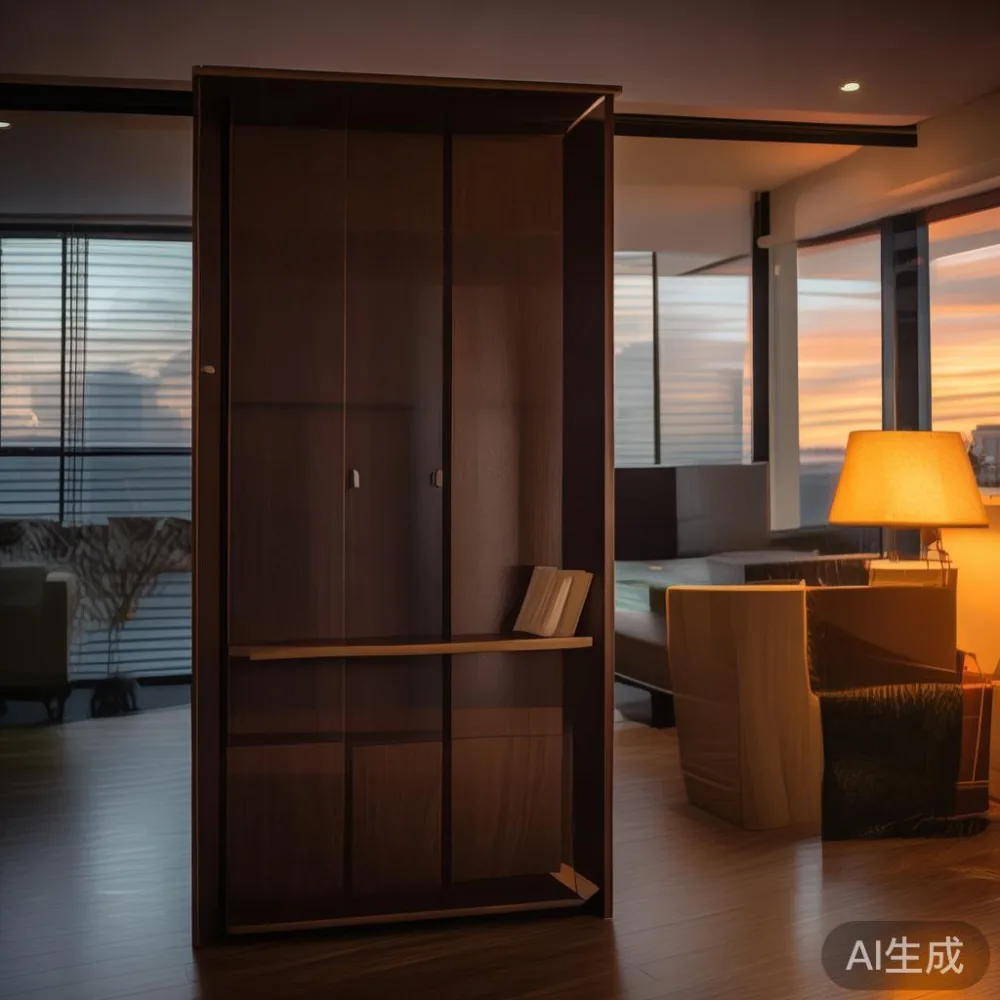
Day-to-day mistakes I have watched customers make on site visits
Last month I visited a new condo in Punggol where the owner had placed a 180 cm lacquered bookshelf exactly under the return air grille of his ceiling cassette unit. The cold direct airflow was creating a cold spot that dropped surface temperature by 6 degrees relative to the room, and every morning condensation formed along the top edge. He had owned the piece for ten months and wondered why the finish looked 60% duller than the showroom sample. We moved the bookshelf 80 cm to the right, into a zone of gentle diffused flow, and within three weeks the haze cleared with a careful buff and a coat of paste wax. Other regular offenders I see in Singapore showrooms and homes: placing a ceramic vase on a lacquered surface with no felt pad, which rings the finish in under a month; using the bookshelf as a plant stand for ferns that need daily misting, which dumps a moisture load straight onto the lacquer; stacking vinyl records against the side of a glossy European bed side panel, which traps humidity and leaves a tide mark. None of these are fatal; all of them shorten the lifespan of the lacquer by years.
How MIDHILL finishes its lacquer, and why that matters for your care routine
At the Foshan factory, MIDHILL applies a UV-cured waterborne lacquer in seven to nine passes on its lacquered bookshelves, wardrobes, and dining tables, sanding with 800-grit between coats to keep each layer under 25 microns. Waterborne systems breathe more than solvent lacquers, which is exactly what you want on an American light luxury solid wood dining table that will spend its life near an open kitchen. The factory cures each shelf panel under a 365 nm UV tunnel for fourteen seconds per pass, then sands and polishes with a 1500-grit pad. This produces a 60-degree gloss reading of around 92, a hair below mirror, but tougher than high-gloss finishes under the heat load of a Singapore afternoon. Because the system is breathable, the care routine does not include aggressive waxing. A light wipe with a damp cloth, a once-a-year wax on horizontal surfaces, and humidity control between 55% and 62% will keep that 92 gloss for a decade or more, even in a corridor-unit flat where afternoon sun sneaks across the bookshelf for an hour a day.
Refinishing, repair, and warranty: how the numbers actually work
Solid wood furniture, properly cared for, should outlive its first owner. MIDHILL backs the structural frame and joinery of every lacquered bookshelf, bed frame, wardrobe, nightstand, and marble table piece with a ten-year structural warranty, and offers lifetime refinishing on the lacquer surface for a service fee of SGD 180 to SGD 280 per panel depending on size. Freight from the Foshan workshop to a Singapore consolidator takes 18 to 24 days by sea, then another 6 to 10 days for last-mile delivery inside the island, so a refinish project typically runs 35 to 50 days door-to-door, including the 9% GST line on the invoice. Local delivery inside Singapore is free over US$350 converted at checkout, and that includes hoisting up to the third floor; fourth floor and above adds SGD 35 per floor. If the elevator is the freight type with a 1.4 m depth, your bookshelf can go in fully assembled up to 240 cm; if the lift is the smaller residential type at 1.2 m deep, plan for a two-piece knock-down delivery and on-site assembly, which the crew does in about 55 minutes for a standard six-shelf unit. Returns are accepted within 14 days for pieces that have not been used, in original packaging, less a 12% restocking fee.
Styling pointers to keep lacquer looking sharp in a light luxury home
Light luxury is about restraint, not gloss. On a French light luxury plan, dress the bookshelf with three stacked coffee-table books, a single ceramic vessel, and one framed 10 x 15 cm photograph per shelf; empty shelves catch dust twice as fast as styled ones. For a post-modern for small living room scheme, keep the lower two shelves clear and styled, and use the upper shelves as a quiet library zone; this also moves visual weight downward, which makes a 180 cm tall unit feel 5 to 8 cm shorter. If you are weighing a European bed vs Mid-century modern bed decision, remember that lacquered headboards reflect more ceiling light and make low-ceiling HDB rooms feel taller by an optical 40 to 60 mm. If you are wondering how to style Japandi bed in room layout, position it 60 cm off the back wall to let morning air move behind the headboard and prevent damp pillows from fogging the lacquered plinth. Rotate accessories quarterly to even out UV exposure from the window. When you upgrade the room, the good news is that the bookshelf outlasts the trend cycle by years: a well-kept lacquered piece from 2026 still photographs like new in 2031, and the choices behind it (best Boho sofa for 2026, a European cabinet, or even a dramatic marble table) can swap around it freely.
Owning lacquered solid wood furniture in Singapore is entirely manageable. With a SGD 100 care kit, a consistent eight-minute weekly routine, a SGD 1.50-a-day humidity target, and a clear path back to the Foshan factory for refinishing when the surface finally asks for help, a bookshelf from a maker like MIDHILL should give you twenty or more years of faithful service in a Tampines, Bedok, or Punggol home, no matter how punishing the wet season gets. If you want to expand the room around a lacquered centrepiece, the wider catalogue of solid wood sofa, bed frame, dining table, wardrobe, and nightstand lines keeps the same care logic, and a matching marble table will share the same climate without complaint. Treat the lacquer as a living finish, control the air around it, and the gloss will return the favour for a very long time.