What Actually Drives the Price of Solid Wood Bookshelves in Singapore
Have you ever stood in a Singapore furniture showroom and wondered why two seemingly similar bookshelves can differ in price by thousands of SGD? Whether you're furnishing a 4-room HDB in Bedok or a luxury condo in Punggol, understanding what makes solid wood furniture valuable is key. Last month, I visited MIDHILL's Foshan factory to trace the journey of a teak bookshelf from raw timber to Singaporean homes. What I uncovered reveals far more than just wood and labor—it's about craftsmanship, logistics, and the hidden costs of luxury in our space-starved city.
What Exactly Defines a Solid Wood Bookshelf?
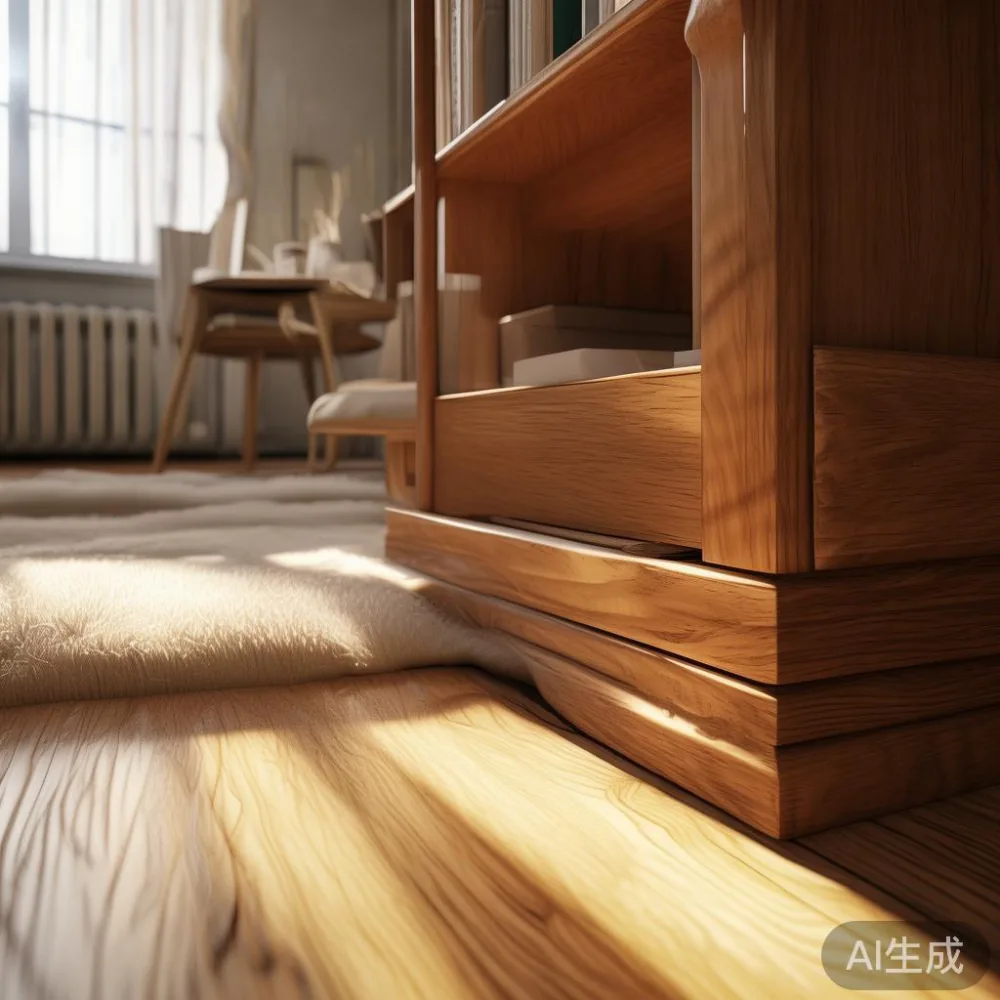
A solid wood bookshelf isn't just wood planks nailed together. It's constructed from single, continuous pieces of timber—no particleboard or veneers. In Singapore's context, this means furniture that withstands humid HDB conditions and fits tight spaces. A standard bookshelf for local homes measures 150cm height, 50cm depth, and 30cm width—weighing 25kg. This size handles Singapore's typical lift widths (1.2m) and corridor passages (1.5m) without requiring special disassembly. Solid wood bookshelves like those from MIDHILL use mortise-and-tenon joints that prevent warping in Singapore's 80% humidity, ensuring stability for 10+ years.
The construction method significantly impacts durability. A well-made bookshelf features dovetail joints on corners, which distribute weight evenly and prevent separation over time. In contrast, cheaper alternatives might use simple butt joints with glue, which fail under Singapore's humidity fluctuations. The thickness of wood matters too—premium bookshelves use 18-22mm thick planks for shelves, while budget options may use 12-15mm material that sags under heavy loads. For Singaporean homes with limited space, the depth is particularly critical—standard 50cm depth accommodates most books, while deeper options (60-80cm) create storage for oversized items but require more floor space in already cramped apartments.

How Wood Species Determines Bookshelf Value
The type of wood accounts for 40-60% of a bookshelf's cost. Hardwoods like teak and oak command premium prices due to density, grain stability, and resistance to termites—critical for Singapore's climate. Softwoods like pine are cheaper but may warp in coastal areas like Tampines. Below is a price comparison for a 150cm bookshelf:
| Wood Species | Price Range (SGD) | Key Traits | Lifespan in Singapore |
|---|---|---|---|
| Teak | 1,800 - 2,500 | Natural oils resist humidity; golden-brown patina | 25+ years |
| Oak | 1,200 - 1,800 | Light color; visible grain patterns | 15-20 years |
| Walnut | 1,500 - 2,200 | Dark chocolate tones; luxurious sheen | 20-25 years |
| Mahogany | 1,300 - 1,900 | Reddish hue; resistant to decay | 18-22 years |
| Pine | 400 - 700 | Lightweight; prone to dents in busy homes | 5-8 years |
Teak's price reflects its 25-year lifespan in Singapore, while pine's lower cost often means replacing it within 5 years. For sale Italian light luxury furniture frequently uses oak or walnut for their signature grain patterns, explaining their premium over local pine alternatives. The origin of wood also affects pricing—European oak costs 15-20% more than American oak due to import tariffs and shipping costs from France to Singapore. Similarly, sustainably harvested teak from Indonesia commands higher prices than plantation-grown alternatives, with ethical sourcing adding 10-15% to the final price.
Why Construction Quality Commands Premium Prices
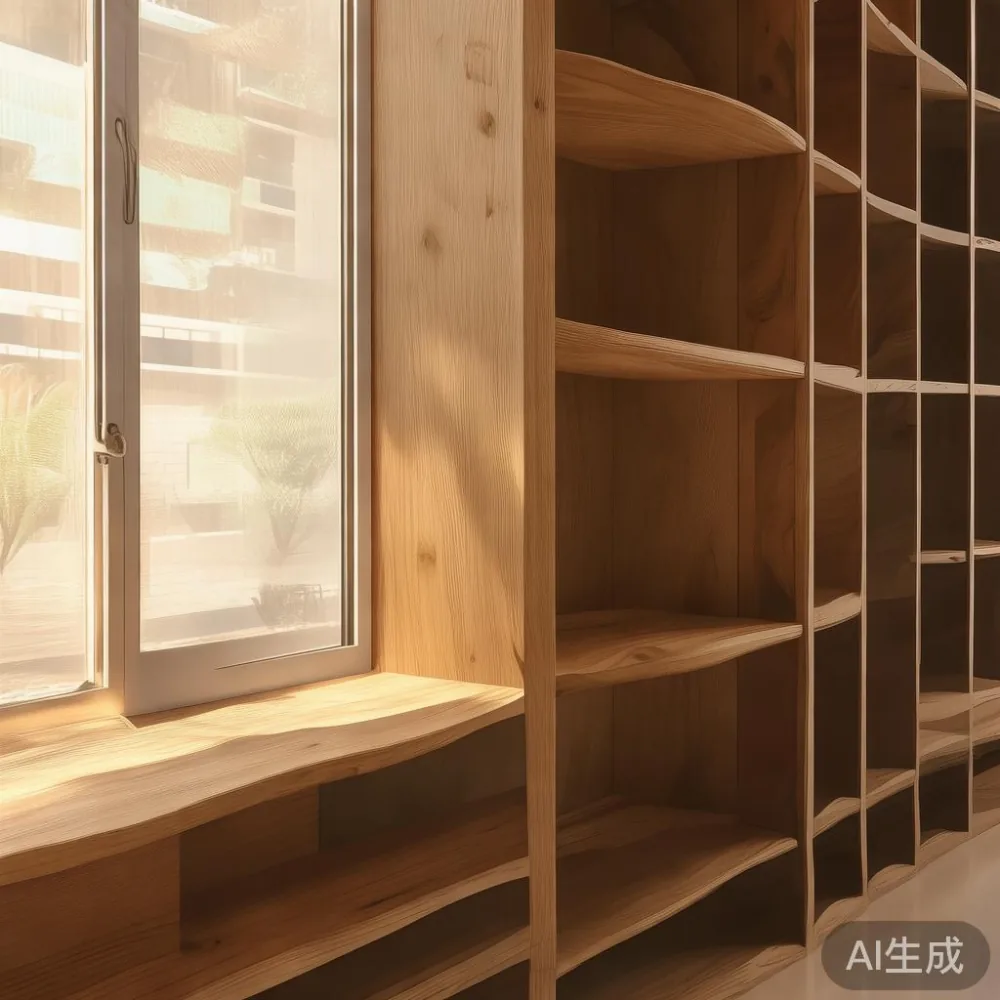
Joinery techniques directly impact a bookshelf's structural integrity and longevity. Hand-cut dovetail joints on drawer bases (common in French light luxury styles) add SGD 300-500 to the cost but prevent sagging over 10 years. Machine-made staples might save SGD 200 initially but fail in 3-5 years under heavy book loads in condos like those in Punggol.
Surface finishing also drives costs. A 15-step French polishing process takes 3 days per bookshelf and adds SGD 400, while a basic lacquer finish costs SGD 100 and requires 6 hours. MIDHILL's lifetime refinishing warranty justifies this investment—scratches from moving furniture in narrow HDB corridors can be professionally repaired without replacement. The finishing process involves multiple coats of protective sealant, with premium options including UV-resistant layers that prevent fading from Singapore's intense sunlight. For bookshelves placed near windows, this protection extends the furniture's life by 5-7 years compared to unsealed alternatives.
Hardware quality significantly affects both price and functionality. Soft-close hinges for cabinet doors add SGD 80-120 to a bookshelf's cost but prevent slamming—a common issue in Singaporean households with children. Drawer slides made of steel rather than plastic ensure smooth operation for 15+ years, compared to 3-5 years for plastic alternatives. The thickness of metal components matters too—premium bookshelves use 2mm thick steel brackets, while budget options may use 1mm material that bends under weight. In Singapore's high-rise apartments, properly constructed bookshelves with reinforced joints are important to withstand potential vibrations from nearby construction or heavy foot traffic in apartment buildings.
Size, Design, and Hidden Space Challenges
Bookshelf dimensions directly correlate with material and labor costs. A 3-tier bookshelf (90cm height) costs SGD 1,200-1,800, while a 6-tier model (180cm) ranges SGD 2,000-3,000 due to 40% more wood and complex assembly. Singapore's spatial constraints add hidden expenses: a bookshelf wider than 1.2m requires disassembly for lifts in older Bedok estates, increasing delivery time from 3 days to 7 days and adding SGD 50-80.
Design styles influence pricing too. Post-modern light luxury bookshelves with geometric cutouts cost 20% more than minimalist designs due to CNC machining hours. American light luxury styles often incorporate marble accents—adding SGD 600-1,200 for a marble-topped bookshelf in condos with modern aesthetics. The complexity of design affects production time as well—a simple rectangular bookshelf takes 8 hours to manufacture, while one with curved edges and intricate carvings may require 24 hours of skilled labor. This increased production time directly translates to higher costs, especially when considering artisan wages in Foshan versus mass production facilities.
For Singapore's compact living spaces, wall-mounted bookshelves offer a solution but come with their own pricing considerations. A floating bookshelf system with concealed mounting brackets costs SGD 800-1,200, compared to SGD 500-800 for a freestanding model. The installation process is more complex, requiring professional mounting services that add SGD 100-150 to the total cost. However, wall-mounted options save valuable floor space in apartments where every square centimeter counts—particularly in 3-room HDB flats where the living room measures approximately 4m x 4m. The weight-bearing capacity of walls must also be considered, with reinforced concrete walls in newer condos allowing for heavier bookshelves compared to partition walls in older HDB units.
How Singapore's GST and Logistics Shape Final Prices
SGD 2,000 for a bookshelf isn't the final cost. Singapore's 9% GST (effective 2024) adds SGD 180 to the price. Shipping has its own calculus: free shipping applies to orders over SGD 350, but a 25kg bookshelf incurs SGD 25 delivery fees within Singapore. Cross-border logistics add complexity—MIDHILL ships from Foshan to Singapore in 14 days via sea freight, with customs clearance adding SGD 30 per pallet.
Space constraints in Singapore amplify costs. A bookshelf for a Tampines HDB must fit through 1.2m lifts and 1.5m corridors. Oversized designs require custom packaging (SGD 40 extra) and white-glove delivery (SGD 100) to prevent damage in narrow hallways. The packaging itself adds significant weight—protective foam, corner guards, and double-walled cardboard can add 3-5kg to the shipping weight, increasing costs for larger items.
Storage and handling facilities in Singapore also contribute to pricing. Furniture warehouses in Jurong and Tuas charge SGD 15-25 per square meter per month for storage, with minimum rental periods of 3 months. These costs are factored into the final price, especially for items that spend time in transit from the factory to the showroom. Also, Singapore's strict import regulations require fumigation certificates for wooden furniture, adding SGD 50-100 per item to ensure compliance with agricultural import standards. These regulatory costs, while not always visible to consumers, contribute to the pricing structure of solid wood bookshelves in the Singapore market.
Common Mistakes When Buying Bookshelves
Many Singaporeans overlook critical factors when purchasing bookshelves:
- Ignoring wood suitability for humidity: Pine warps in coastal areas like Punggol, where humidity averages 85% during monsoon seasons.
- Underestimating weight: A 30cm-deep bookshelf holds 40kg when filled, risking wall collapse if not properly anchored.
- Prioritizing aesthetics over joinery: Beautiful veneers hide weak staples that fail within 3-5 years.
- Forgetting GST: A SGD 1,500 bookshelf becomes SGD 1,635 with tax.
- Neglecting assembly services: HDB corridors may prevent self-assembly, adding SGD 80.
- Overlooking maintenance requirements: Teak bookshells need annual oiling in Singapore's climate, adding SGD 50-100 per year in maintenance costs.
- Ignoring size constraints: Bookshelves wider than 80cm may not fit through standard HDB bedroom doors (76cm).
- Choosing style over function: Ornate designs with small compartments are impractical for storing standard books (29cm height).
Another common mistake is focusing solely on the initial purchase price without considering long-term value. A SGD 800 pine bookshelf might seem economical initially, but with a lifespan of 5-7 years in Singapore's climate, the annualized cost is SGD 114-160 per year. In contrast, a SGD 2,000 teak bookshelf lasting 25 years costs only SGD 80 annually, making it more economical over time. When considering www.midhill.co, customers should evaluate the total cost of ownership, including maintenance, repair, and replacement expenses over the furniture's lifespan.
Is a French Provincial Bookshelf Worth the Price in Singapore?
French provincial bookshelves offer distinctive elegance but come with specific considerations for Singaporean homes. These pieces typically feature ornate details, curved legs, and distressed finishes that add character but also increase production time by 30-40% compared to minimalist designs. A standard French provincial bookshelf costs SGD 2,500-3,500, reflecting the additional craftsmanship required for hand-carved details and specialized finishing techniques.
For Singapore's compact spaces, the proportions of French provincial furniture may require adjustments. Traditional French designs often feature wider bases and deeper shelves, which may not suit HDB layouts. However, many manufacturers now offer scaled-down versions measuring 120cm height, 40cm depth, and 35cm width—better suited for Singaporean homes while maintaining the distinctive French aesthetic. The curved elements that characterize French provincial style also add complexity to shipping, requiring custom packaging to prevent damage during transit from Foshan to Singapore.
The maintenance of French provincial bookshelves differs from simpler designs. The distressed finish and hand-applied patina require special care in Singapore's humid climate. Regular dusting with a soft cloth is important, and applying furniture wax every 3-6 months prevents the wood from absorbing excess moisture. These maintenance routines add to the long-term ownership cost but preserve the distinctive look that defines French provincial style. When considering how to choose French provincial bed, similar considerations apply—ornate designs may require more space and specialized care, but offer unmatched visual appeal for those who appreciate traditional craftsmanship.
Light Luxury Bookshelves for Singapore's Modern Homes
Light luxury furniture balances elegance with practicality for Singapore's compact homes. A light luxury sofa vs Italian light luxury sofa comparison reveals local preferences: Singaporeans favor compact designs (150cm width) over Italian models (180cm+), saving 30% on space. For bookshelves, post-modern light luxury styles with open-back designs (SGD 1,800-2,500) create visual spaciousness in 4-room HDBs.
Storage solutions like how to style light luxury wardrobe in apartment principles apply to bookshelves too. Floating bookshelves (SGD 600-1,200) eliminate bulky bases, making corridors feel wider. Pairing a bookshelf with a marble table (SGD 800-1,500) creates a cohesive light luxury reading nook in condos. The integration of different materials—solid wood combined with metal accents or glass panels—adds visual interest while maintaining functionality. These combinations often cost 15-20% more than all-wood alternatives but offer a contemporary aesthetic that appeals to Singapore's urban professionals.
For those seeking the best Modern light luxury bed for 2026, similar design principles apply to bookshelf selection. Clean lines, minimalist hardware, and a focus on material quality define this style. Light luxury bookshelves in this category often feature hidden compartments or integrated lighting, adding SGD 200-400 to the base price. These functional elements address Singapore's space constraints while maintaining a sophisticated appearance. The color palette typically includes neutral tones with occasional accent colors, allowing the bookshelf to complement various interior styles while standing out as a statement piece.
Japanese-Inspired Bookshelves for Singaporean Spaces
Japanese design principles offer practical solutions for Singapore's compact living spaces. Japandi bookshelves emphasize clean lines, natural materials, and efficient storage—perfect for HDB flats and condos. A best Japandi wardrobe for 2026 focuses on simplicity and functionality, with these same principles applying to bookshelf design. Japandi bookshelves typically feature minimalist hardware, hidden storage solutions, and a focus on wood grain as the primary decorative element.
Understanding how to style Japanese bed in room principles helps in creating cohesive spaces with bookshelves. Japandi bookshelves often incorporate shoji-inspired elements—wooden frames with rice paper panels that diffuse light while maintaining privacy. These design features add SGD 300-500 to the base price but create a sense of tranquility in Singapore's urban environment. The emphasis on natural materials extends to the choice of wood, with light-colored oak and ash being popular options that brighten rooms with limited natural light.
The modular nature of Japanese-inspired bookshelves offers flexibility for Singapore's evolving living spaces. These systems can be expanded or reconfigured as needs change, addressing the common Singaporean challenge of adapting furniture to different life stages. A basic modular bookshelf system starts at SGD 1,200, with additional modules costing SGD 200-400 each. This approach allows homeowners to start with a compact arrangement and add components as their collection grows or as their living space changes—particularly relevant for Singaporeans who may relocate from HDB flats to larger condos over time.
Making an Informed Bookshelf Purchase in Singapore
When purchasing a solid wood bookshelf in Singapore, consider both immediate needs and long-term lifestyle changes. The ideal bookshelf should accommodate current requirements while allowing flexibility for future adjustments. For example, a young professional might prioritize a compact design for a studio apartment, while a family with children may need sturdier construction and additional storage for books and educational materials.
The French sofa vs Nordic sofa debate highlights how design preferences affect bookshelf selection. French styles emphasize ornate details and traditional craftsmanship, while Nordic designs focus on simplicity and functionality. Singaporean consumers often find a middle ground, selecting bookshelves that incorporate elements from both styles—clean lines with occasional decorative touches. This hybrid approach allows furniture to complement various interior design schemes while maintaining the practicality needed for Singapore's compact living spaces.
Ultimately, the price of a solid wood bookshelf reflects multiple factors beyond the visible product. From the journey of raw timber from sustainable forests to Foshan workshops, through skilled craftsmanship and specialized finishing, to the complex logistics of international shipping and Singapore's specific spatial requirements—each element contributes to the final cost. Understanding these factors empowers Singaporean consumers to make informed decisions that balance budget constraints with quality expectations, ensuring their bookshelf investment provides lasting value in the unique context of Singaporean homes.