The Art of Warm Minimalism: Choosing the Right Bookshelf for Singaporean Homes
In the urban landscape of Singapore, where space is a premium and design is a reflection of lifestyle, the interior design philosophy of warm minimalism has found a devoted following. It’s a style that seeks the quietude of minimalism but softens its starkness with the warmth of natural materials, soft textures, and a curated, personal touch. For residents of HDB flats in Tampines or Bedok, and condominiums in Punggol, this balance is not just aesthetic; it's a practical approach to creating a home that feels both expansive and inviting. A key player in this aesthetic is the bookshelf, which functions not just as a storage unit but as a sculptural anchor for the room.
Understanding Warm Minimalism: More Than Just a Trend
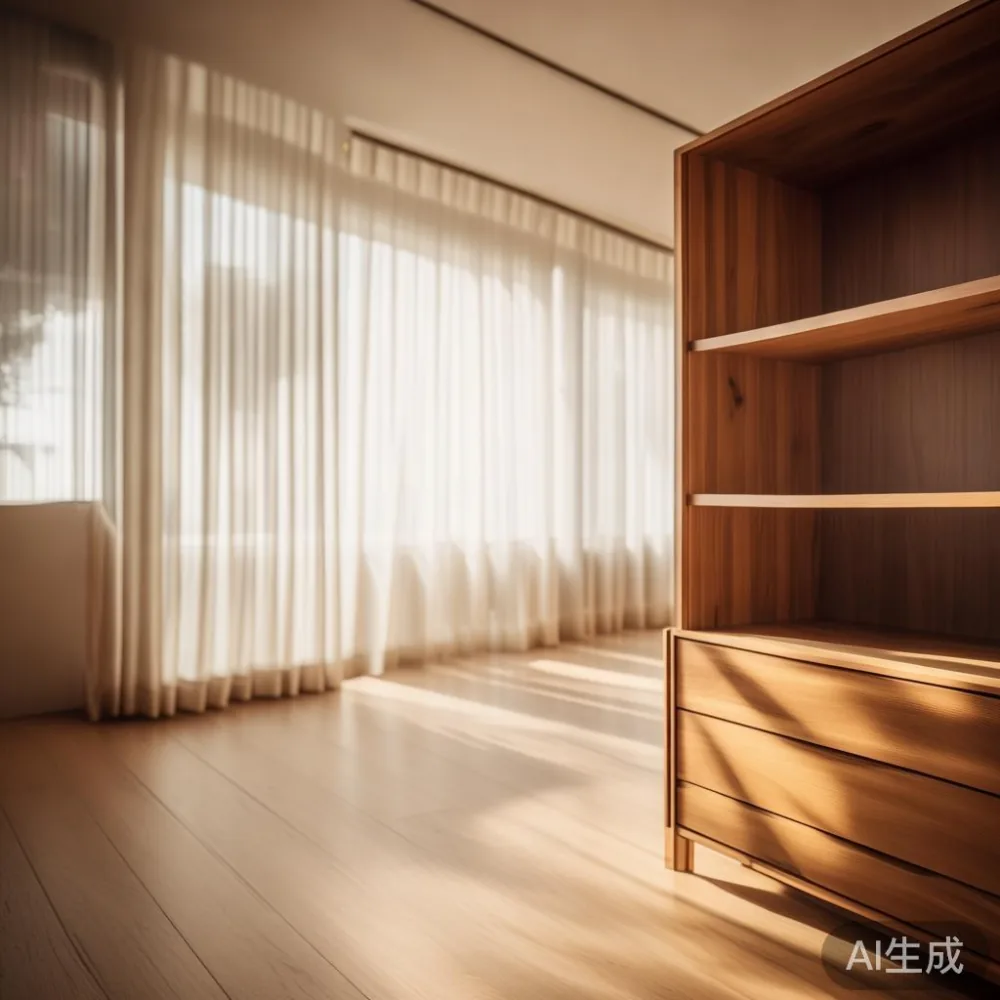
Warm minimalism is a deliberate departure from the cold, monolithic minimalism of the past. It embraces the 'less is more' mantra but infuses it with elements that bring comfort and personality. Think of a space with a predominantly neutral colour palette—whites, beiges, soft greys—but punctuated by the rich grain of a solid wood dining table or the tactile feel of a linen sofa. The focus is on quality over quantity, with each piece of furniture, like a well-crafted bookshelf, earning its place in the room. This style is particularly suited to Singaporean homes, where the desire for a serene, uncluttered environment must coexist with the practical need for functional storage. It’s about creating a sanctuary from the humidity and the pace of city life, a space that feels both sophisticated and lived-in.
How to Choose a Bookshelf That Complements Your Space
Selecting the right bookshelf is a foundational step in achieving a warm minimalist interior. The choice involves a careful consideration of dimensions, material, and form to ensure the piece integrates smoothly with the room's architecture. In Singapore, context is everything. The standard width of a corridor in an HDB flat is around 120 cm, and the lift in many older estates might be a snug 110 cm by 110 cm. A bookshelf that is 90 cm wide can be manoeuvred through these spaces, but one that is 110 cm wide requires precise planning. The depth is equally important; a bookshelf protruding too far into a living area can disrupt the flow. A depth of 25-30 cm is often ideal for standard hardcover books, while a slimmer 20 cm depth might suffice for paperbacks and decorative objects.
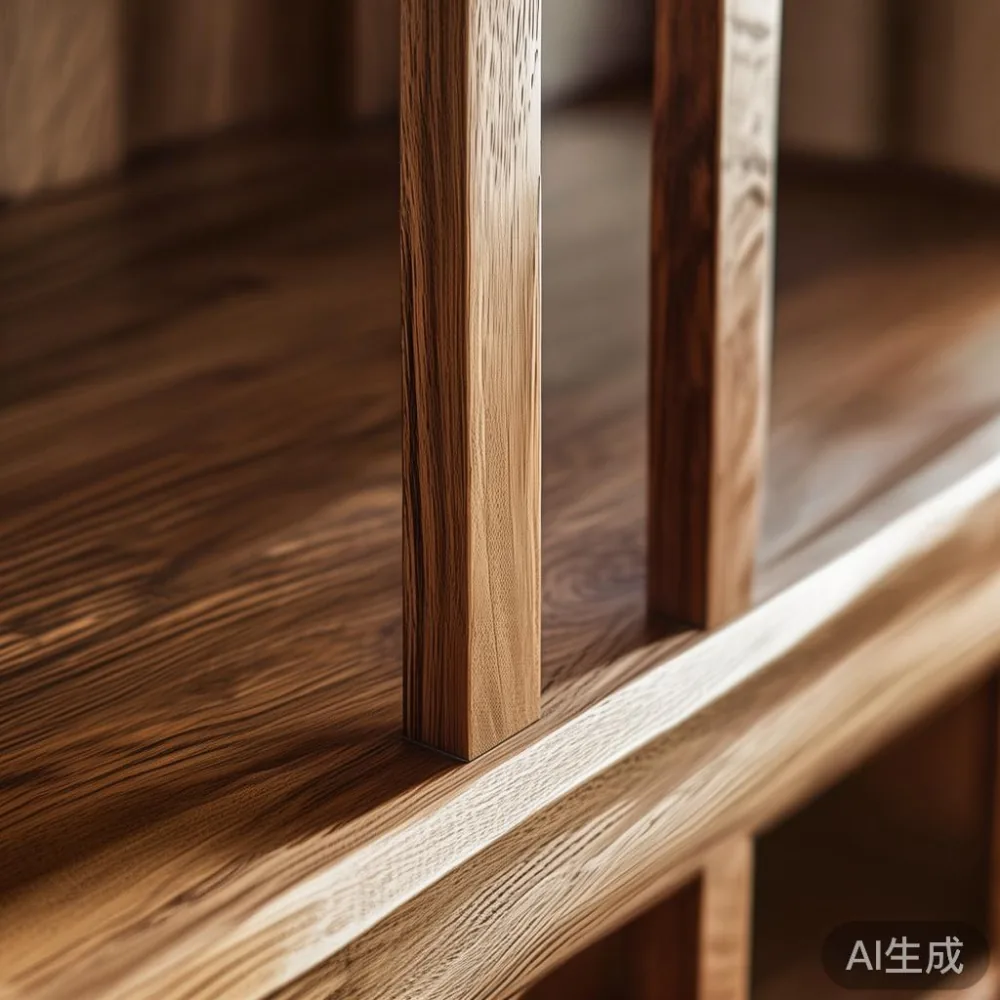
The material is where the 'warm' in warm minimalism truly comes from. A bookshelf made from solid oak or walnut, with its natural variations in grain and colour, adds an immediate sense of organic warmth. This contrasts beautifully with sleeker materials like powder-coated metal or glass, which can be used sparingly to add a touch of modern European light luxury furniture. The form should be simple and unadorned, favouring clean lines and geometric shapes. Avoid ornate carvings or overly complex details. Instead, look for a bookshelf with a subtle, refined profile that allows the beauty of the wood to be the main feature.
Why Solid Wood is the Cornerstone of Warm Minimalism
The use of solid wood is non-negotiable in a warm minimalist home. Unlike engineered wood or veneers, solid wood possesses a depth and character that cannot be replicated. It ages gracefully, developing a patina over time that tells the story of the home. A solid wood bookshelf, for instance, is not just a piece of furniture; it's a long-term investment. A high-quality bookshelf from a reputable Foshan factory, built with dovetail joinery and finished with a durable, non-toxic lacquer, can last for decades. This longevity aligns with the minimalist ethos of buying fewer, better things.
Beyond its aesthetic appeal, solid wood offers practical benefits. It is a remarkably durable material, capable of withstanding the humidity of the Singapore climate better than many alternatives. A solid wood bookshelf will not warp or sag under the weight of books, providing reliable storage for years. The tactile experience of solid wood is also key. Running a hand along the smooth, cool surface of a shelf connects the occupant to the material in a way that plastic or laminate never can. This physical connection is what makes a minimalist space feel warm and welcoming rather than sterile and impersonal.
What is the best way to style a bookshelf in a minimalist home?
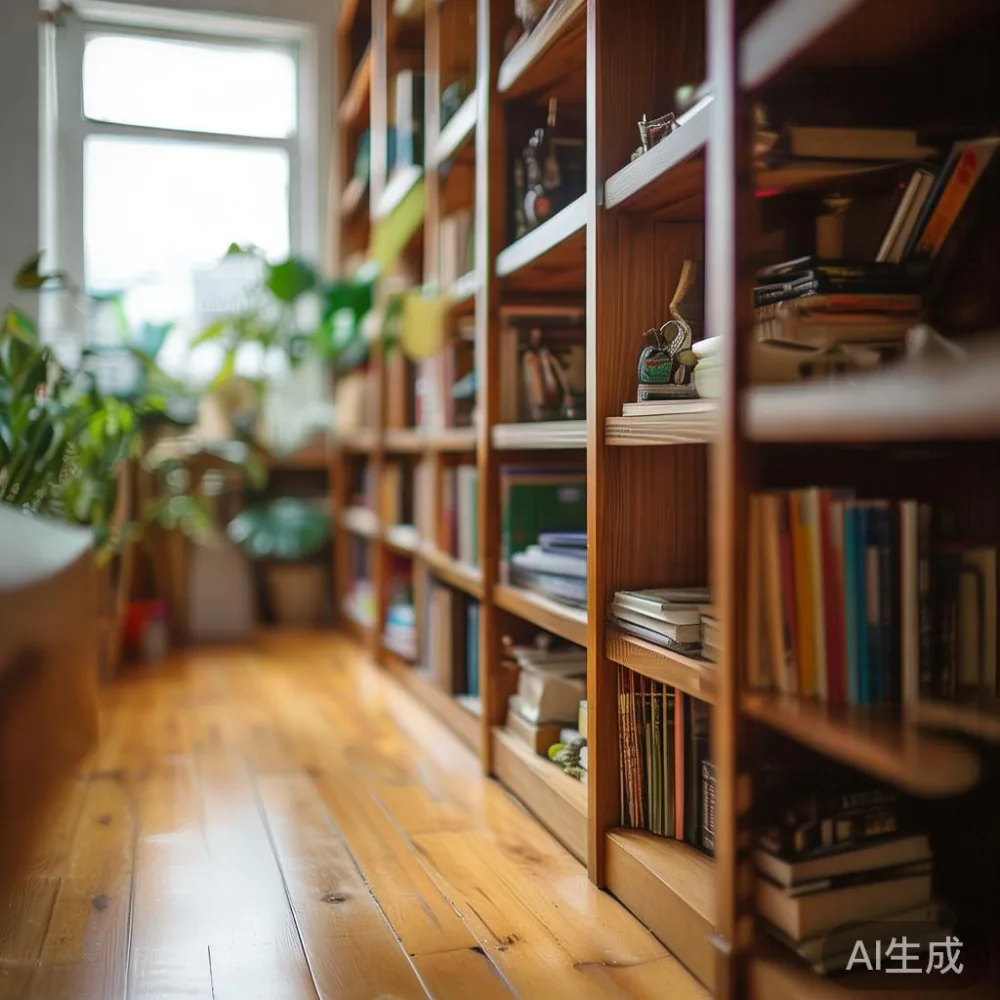
Styling a bookshelf in a minimalist home is an exercise in restraint and intention. The goal is to create a composition that is visually interesting but not cluttered. Start by filling the shelves about 70-80% with books. Arrange them not just by colour or size, but by creating small clusters. You can stack some horizontally and place others vertically. This creates a dynamic, layered look. The remaining 20-30% of the space should be dedicated to objects that have personal meaning or strong aesthetic value.
Consider adding a few sculptural pieces, like a small ceramic vase or a geometric object. A single, well-chosen object on a shelf can act as a piece of art. Vary the heights and textures of your objects to add visual interest. A tall, slender vase next to a stack of short, wide books creates a pleasing contrast. You could also incorporate a small plant, but choose one with a clean, architectural form, like a snake plant, to maintain the minimalist feel. Remember, negative space is your friend. Leave some shelves completely empty to allow the eye to rest and to highlight the objects you have chosen to display. The result should be a bookshelf that feels curated and personal, not overcrowded.
Integrating Light Luxury Elements for a Refined Touch
To improves a warm minimalist space from simple to sophisticated, one can introduce elements of light luxury. This doesn't mean opulence; it's about incorporating materials and designs that have a sense of craftsmanship and quality. For example, a bookshelf with a marble inlay on its side panels can add a touch of understated glamour. The cool, veined surface of the marble provides a beautiful contrast to the warmth of the solid wood shelves. This is a common feature in post-modern light luxury design, where natural materials are juxtaposed with luxurious accents.
Another way to introduce this refined touch is through lighting. Instead of relying on a single overhead light, consider installing small, integrated LED strip lights inside the bookshelf. This creates a warm, ambient glow that highlights the objects on the shelves and adds a sense of depth to the room. The choice of a Modern light luxury sofa in the same space, with its clean lines and high-quality upholstery, can further reinforce this cohesive, high-end aesthetic. The key is to be selective; one or two well-chosen light luxury elements are enough to create an impact without overwhelming the minimalist sensibility.
Practical Considerations for Singaporean Living
When furnishing a Singaporean home, practical considerations are paramount. A bookshelf must not only look good but also function within the specific constraints of the local living environment. For HDB dwellers, the issue of space is ever-present. A tall, floor-to-ceiling bookshelf can make a small room feel more spacious by drawing the eye upwards, but it must be securely anchored to the wall to prevent accidents, especially in earthquake-prone zones. The weight of a solid wood bookshelf can be significant, with a unit measuring 180 cm tall, 80 cm wide, and 30 cm deep weighing approximately 45 kg.
For those in condominiums like those in Punggol, the considerations might shift towards aesthetics and integration with a more modern architectural style. However, the practicalities of delivery and assembly remain. When purchasing a bookshelf, it's wise to confirm the delivery details. A reputable seller might offer free shipping for orders over SGD 800, but it's important to ask about the delivery timeline. A standard delivery might take 7-10 business days, but custom or larger pieces could take up to 3 weeks. Also, be mindful of the Goods and Services Tax (GST), which is currently 9% in Singapore, and ensure the quoted price is inclusive or exclusive of this tax to avoid surprises.
A Personal Take on Furnishing a Warm Minimalist Home
Last month, I visited a client's newly purchased apartment in Tampines. She wanted to transform her living room into a warm minimalist sanctuary. The space was a typical HDB flat layout—compact but with good natural light. Her main request was for a bookshelf that could hold her extensive collection of art books while also serving as a display piece for her collection of small ceramic sculptures. We discussed several options, but she was drawn to a solid walnut bookshelf with a matte finish. The rich, dark wood would provide a beautiful contrast to her light grey walls.
During the consultation, we also talked about other pieces in her home. She was curious about is French provincial bed worth it for the master bedroom. We discussed how the elegant, carved headboard of a French provincial bed could add a touch of classic romance, complementing the minimalist lines of the living room bookshelf. She was also considering a solid wood sofa for the living area, wanting something that would be comfortable for long movie nights but wouldn't overwhelm the space. Seeing her excitement as we pieced together the vision was rewarding. It’s a reminder that for many people, furnishing a home is about more than just filling a space; it’s about creating a personal haven that reflects their tastes and lifestyle.
The Long-Term Value of Quality Furniture
In a world of fast furniture and disposable design, choosing high-quality pieces is an investment in both style and sustainability. A well-made bookshelf from a maker like MIDHILL, which offers a 10-year structural warranty and a lifetime refinishing service, is built to last. This means that if the finish becomes scratched or worn over the years, it can be restored to its original beauty, extending the life of the piece indefinitely. This is a stark contrast to cheaper alternatives that might need to be replaced after just a few years.
When considering a purchase, it's also wise to think about the total cost of ownership. A bookshelf that costs SGD 1,500 but lasts for 30 years and can be refinished is a more economical choice than one that costs SGD 800 and needs to be replaced in 10 years. Also, the peace of mind that comes with a long warranty is invaluable. Knowing that your investment is protected against structural defects allows you to enjoy your furniture without worry. For a style like warm minimalism, which values timelessness, this long-term perspective is perfectly aligned. The furniture you choose should be able to evolve with your home, not become dated quickly.