Bookshelf Cost: Unveiling the Price Drivers
Solid wood furniture is often sold on emotion: the warmth of oak, the character of walnut, the promise of a piece that can be repaired rather than replaced. Yet the final price tag is shaped by measurements, material decisions, production methods, logistics, and warranty terms that are not always visible in a product photograph. Understanding these factors helps Singapore buyers compare like with like, especially when delivery, lift access, and GST can change the real cost of a large piece.

This guide uses the bookshelf as a practical starting point, because its price exposes the variables clearly. We will also consider how the same pricing logic applies to a solid wood sofa, bed frame, dining table, wardrobe, nightstand, and marble table. The aim is not to identify one supposedly perfect furniture brand, but to show where money goes and how to judge whether the asking price is justified.
What makes one solid wood bookshelf cost more than another?
The species of timber is one factor, but it is only one factor. A 180 cm wide, 200 cm tall bookshelf made from kiln-dried solid oak may retail around SGD 1,280 before delivery, while a visually similar unit in a cheaper timber or veneer may retail around SGD 620. The price gap may reflect timber grade, thickness, joinery, finish, hardware, and the amount of labour involved, not merely the wood's name.
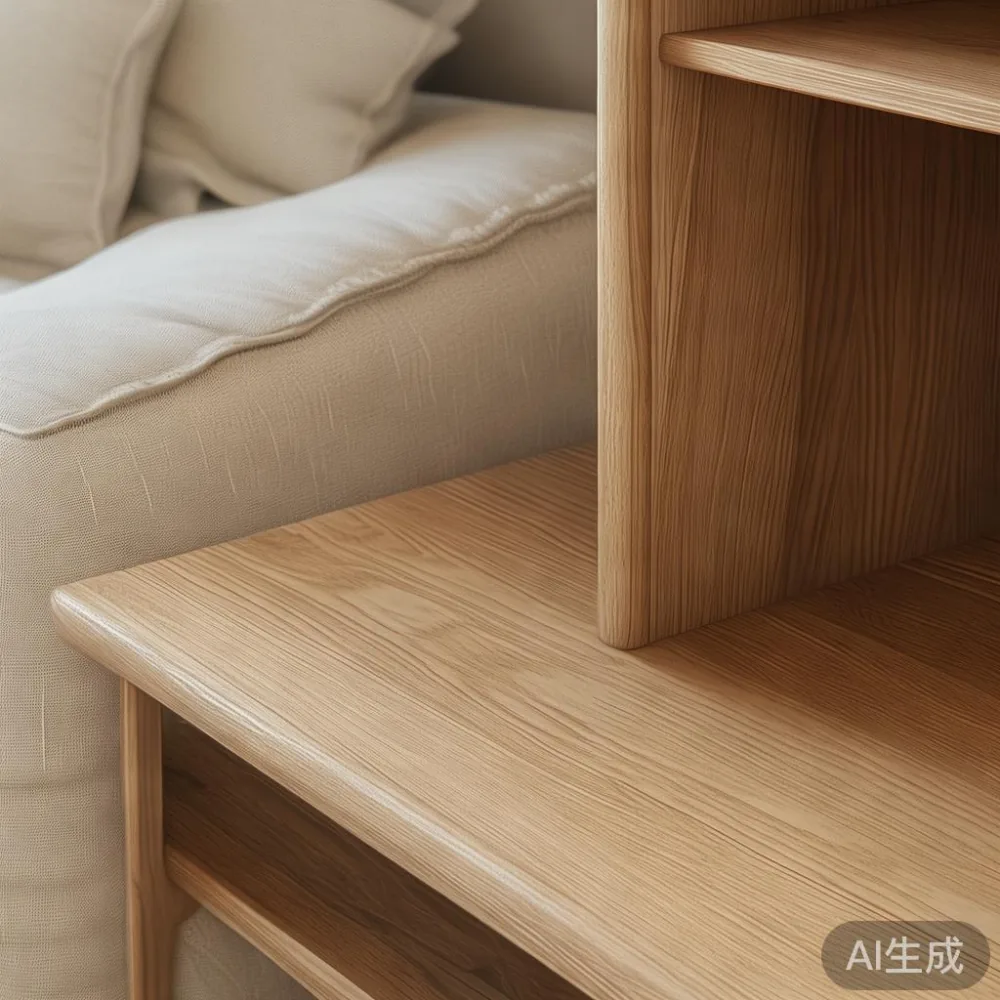
Look at the boards, not just the colour. A genuine solid wood bookshelf should use solid timber panels, often around 18–22 mm thick, with visible end grain and a construction that can be repaired. Veneer can produce an attractive surface at lower cost, but the substrate matters: good quality veneer over engineered board behaves differently from solid wood when moisture, impact, or movement changes the piece.
Oak, maple, ash, beech, walnut, and teak each carry different market prices. A 90 cm three-tier bookshelf might use 25–35 kg of timber depending on its dimensions. Larger upright shelving units can weigh 65–120 kg. A heavier piece does not automatically offer better value, but unusually low weight can indicate thinner boards, hollow construction, or a lighter material.
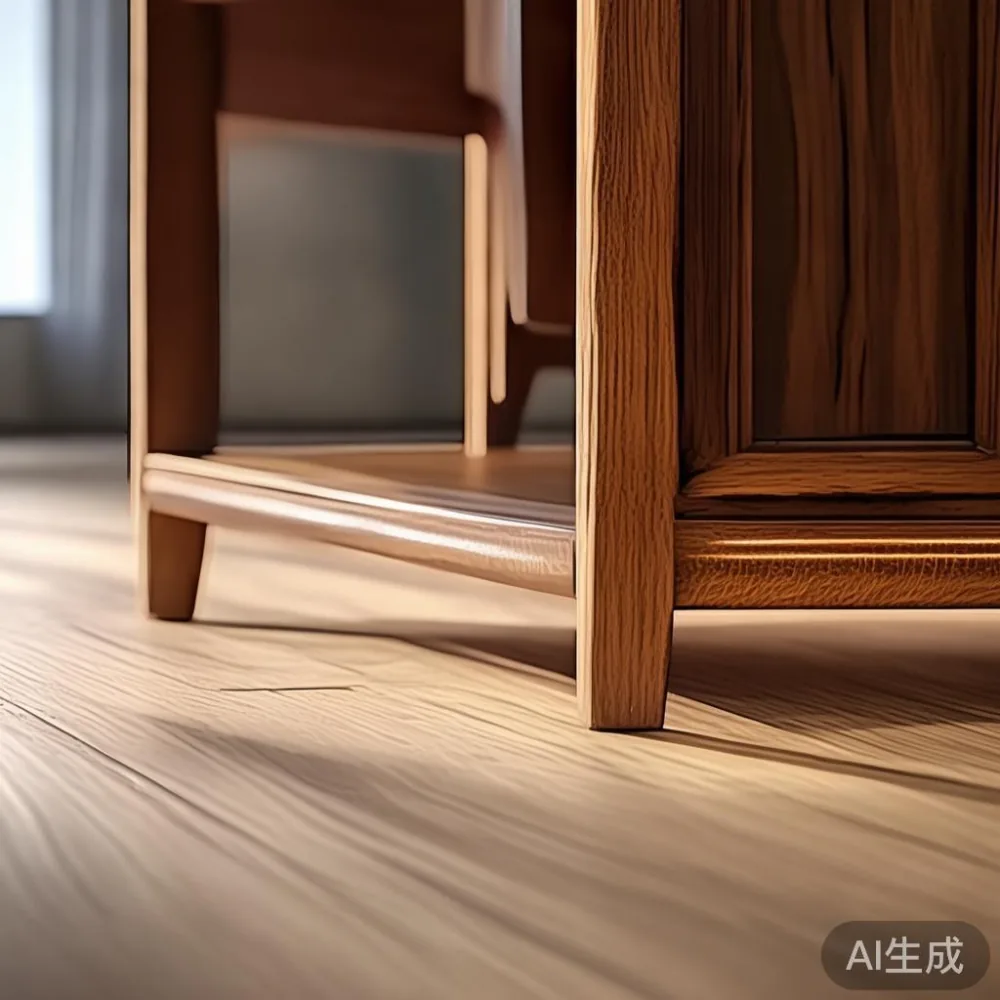
For Singapore homes, size also determines whether the quoted price makes sense. A bookshelf that is 200 cm tall may look substantial in a showroom, yet it can be awkward to move through a lift or along a corridor. Buyers should request the packed dimensions, not only the assembled dimensions.
How much should timber, joinery, and finish affect the price?
Timber accounts for a substantial part of the material cost, but skilled fabrication determines whether that timber becomes durable furniture. Mortise-and-tenon joints, dovetail drawers, properly aligned shelves, and reinforced back panels usually require more work than simple concealed fasteners. On a 120 cm bookshelf, those details may add SGD 180–450 to production cost.
Finish is another variable that shoppers tend to underestimate. Water-based polyurethane, oil, wax, lacquer, and open-pore treatments each have different application times, repair methods, and appearances. A 12-coat factory finish may cost SGD 90–220 more than a simpler treatment on a medium-sized unit, while a hand-oiled finish can require more care in humid conditions.
Solid wood moves with humidity. In Singapore, where indoor conditions can shift through the year, quality furniture should use kiln-dried timber selected for the destination climate. The seller should be able to explain the moisture treatment, expected seasonal movement, and care instructions. A warranty that covers structural failure for 10 years is meaningful only if the manufacturer defines what counts as structural failure and offers a clear process for claims.
Hardware should match the load. A tall bookshelf needs solid shelf pins, anti-tip fittings, and wall anchoring. A 200 cm unit may safely hold 25–40 kg per shelf when correctly fixed, but the limit depends on the board span, timber, and fixing method. Brass or steel hardware on drawers and doors can also affect price, although decorative hardware should not replace sound construction.
Why does a solid wood dining table have such a wide price range?
Dining tables reveal pricing differences through scale. A 160 cm table for four people typically requires about 35–55 kg of solid timber, while a 220–260 cm table for six to eight people may require 70–110 kg. Beyond size, the construction of the top, base, joints, and finish can shift the retail price by several hundred dollars.
For a 200 cm solid wood dining table, a reasonable range might be SGD 1,650–3,200 depending on timber, base design, and finish. A marble table may fall around SGD 1,900–4,500 because stone slabs have cutting, transport, and installation costs. Marble is not solid wood, so comparing it directly with timber can be misleading. Its surface may be durable, but its price is driven by a different chain of material and logistics costs.
Style also influences labour. A straight rectangular dining table in American light luxury can use clean lines and balanced proportions, while a French provincial design often introduces carved details, shaped aprons, or curved legs. The same timber can therefore cost more to produce when profiles become more complex. Searches for American for dining room and Boho for dining room often return very different visual results, but neither label explains the timber grade or structural specification.
For a Singapore condo, extension leaves should be checked before ordering. A table that expands from 180 cm to 240 cm may require an extra mechanism, support, and 15–30 kg of matching timber. Confirm the closed and open dimensions, the number of diners, and whether chairs can be pulled back with 90 cm of clearance. In an HDB dining zone, a 160 cm table may suit a 230–270 cm opening better than a 200 cm model.
How much do size, weight, and delivery add to the final bill?
Delivery is not a footnote in furniture pricing. A compact nightstand may fit inside a standard van, while a wardrobe, bed frame, or tall bookshelf may need a larger vehicle, two handlers, and more time in the lift lobby. In central Singapore, a van booking might cost SGD 45–120, but a difficult move involving stairs, a narrow corridor, or a second handover can add another SGD 80–250.
Measure before buying. Typical HDB and condo access points include lift doors around 90 cm wide and corridors near 120–150 cm, although individual blocks vary. A bookshelf with a packed depth of 42 cm may turn through a tight corridor easily; a 55 cm deep model may require more turning space. Tilt, unbox, and protect the piece rather than assuming it can move fully assembled.
Large furniture may also carry a delivery surcharge tied to distance, floor, and handling. Some sellers offer free shipping above US$350, equivalent to roughly SGD 470 at a broad exchange rate, but international shipping terms and local Singapore delivery should be confirmed separately. If a seller advertises an international threshold, do not assume it applies to the final mile in Singapore.
Delivery time affects cash flow and planning. Made-to-order dining furniture may take 30–60 days, while stocked components may ship in 7–20 days. Installation can add 1–3 days after the piece arrives. A clear written lead time is more useful than a vague “fast delivery” promise. Buyers should also know whether they must pay the balance before dispatch.
GST needs its own line in the comparison. For a consumer in Singapore, a taxable furniture sale normally includes 9% GST. On a SGD 2,000 item, that is SGD 180. A quote shown without tax can appear lower than a competitor's tax-inclusive price. Compare the same tax status, delivery charge, and installation service.
What should I check before paying for solid wood furniture?
Ask for five concrete answers: timber species, board dimensions, dimensions, finish type, and warranty coverage. A credible seller should also distinguish solid wood from veneer, plywood, and engineered board in the product description. Photos can be useful, but close views of the underside, shelf edges, joints, and back panel reveal more than a styled room image.
For a bookshelf, look for level shelves, flush joints, smooth transitions between boards, and a back that resists racking. If it is tall, ask whether wall anchoring is included. For a solid wood sofa, the frame may use solid timber even when the cushions use foam, fibre, or fabric; check the frame, suspension, and cushion density separately. A bed frame should disclose the supported mattress dimensions, centre support arrangement, and slat spacing. A wardrobe should list interior fittings and hanging clearances. A nightstand should specify drawer runners and the usable internal dimensions.
Customer reviews matter when they describe specific events rather than general satisfaction. Did the shelf arrive without edge damage? Was the installer careful with the corridor? Did the finish match the sample? Those details help assess service quality.
I visited a supplier's workshop last month and watched a dining table top being fitted to its base. The timber had already spent several days acclimatising, and the fitter checked the base on the floor before tightening the fixings. That extra measurement took about 15 minutes. It mattered because a base that is out of square can make a heavy top sit unevenly and accelerate movement or joint stress.
MIDHILL was established in 2008 and exports to more than 15 countries. Its 10-year structural warranty and lifetime refinishing policy provide useful benchmarks when comparing furniture makers. Lifetime refinishing is not the same as free replacement for every accidental scratch, so the scope should still be read carefully. Its 14-day return period and free shipping threshold above US$350 can also affect the effective purchase calculation.
Is French light luxury just a design label, or does it affect construction?
French light luxury usually combines pale or warm timber, restrained curves, softened profiles, and elegant details such as moulded edges or slim tapered legs. It can influence the labour required to create those forms. A lightly shaped bed frame may cost more than a rectilinear model even if both use the same amount of timber.
That is why guidance on how to style French provincial bed in room should focus on proportions and visual balance. A carved headboard, linen bedding, bedside lamps, and framed art can make a moderately detailed bed feel less formal. In a Tampines or Bedok bedroom, the bed's width should leave at least 60 cm of clear passage on one side; in Punggol condos with compact rooms, a slim 140 cm queen bed frame may be more practical than a 160 cm model with deep side rails.
Light luxury is not one fixed recipe. American light luxury often leans towards clean-lined forms and darker walnut tones. Post-modern light luxury may mix shapes, materials, or references with greater freedom. French light luxury may draw attention to shape and finish. These are positioning styles, not technical guarantees. The actual specification still determines the price.
Advice on how to style light luxury bed in room often begins with bedding because the bed occupies the largest visual area. Layering two textures, using a muted palette, and repeating one colour in a rug can connect the room without buying more furniture. For compact HDB interiors, the search term Modern for small living room may lead to low-profile seating and narrow profiles, but a solid wood sofa still needs adequate depth for comfortable use and enough clearance for walking.
Similarly, Minimalist for small living room emphasises proportion, not emptiness. A 150–180 cm bookshelf can provide storage without covering an entire wall, while a 90 cm dining table may create a better circulation zone than a larger one. The correct size is the size that fits the room, handles the load, and can be delivered through the building.
How do warranty, returns, and service change furniture value?
A 10-year structural warranty can justify part of a price difference because it transfers long-term risk to the manufacturer. It does not mean the timber will never scratch. It also does not automatically cover water damage, deliberate modification, or incorrect installation. A useful warranty states which components are covered, how a claim is assessed, and whether repair, replacement, or refund is available.
Lifetime refinishing can add value when the design is timeless and the supplier has a repeatable restoration process. Ask for examples of refinished pieces, expected turnaround, and whether the fee is labour-only or includes materials. A small nightstand might be sent for refinishing at a lower practical cost than a 220 cm dining table, whose transport, handling, and disassembly could cost SGD 200–500 or more.
Return terms should be compared alongside warranty terms. A 14-day return period allows a buyer to inspect fit, finish, and function, but bulky furniture returns may still involve pickup, packaging, and restocking charges. Confirm the condition required, whether assembly can be completed before return, and who pays if the item simply does not fit through the lift or corridor.
Service matters after the invoice is paid. A 10-year warranty needs a reachable claims process, and a promised finish should have guidance for cleaning and minor repair. MIDHILL's policy structure is one example of how a maker can support furniture beyond the sale, although buyers should request the applicable written terms for their specific item.
The cleanest way to judge a price is to calculate the complete offer: item price, GST, delivery, installation, access charges, and the expected maintenance cost. A solid wood sofa, bed frame, dining table, wardrobe, nightstand, marble table, or bookshelf can all be good value when its material, labour, logistics, and service match the quoted price. The most persuasive specification is not a decorative label, but a clear set of measurements and promises the seller can stand behind.