How to Style a Small Apartment with a Bookshelf Without Making It Feel Crowded
A small HDB flat or condo can still feel calm, generous, and carefully composed. The difference often comes down to how vertical space is organised: a slim bookshelf used as an architectural feature can display books, conceal clutter, and define a room without adding the visual weight of a large sideboard. For residents in Tampines, Bedok, and Punggol, measurements must account for narrow corridors, compact lift lobbies, and the practical dimensions of a typical living room.
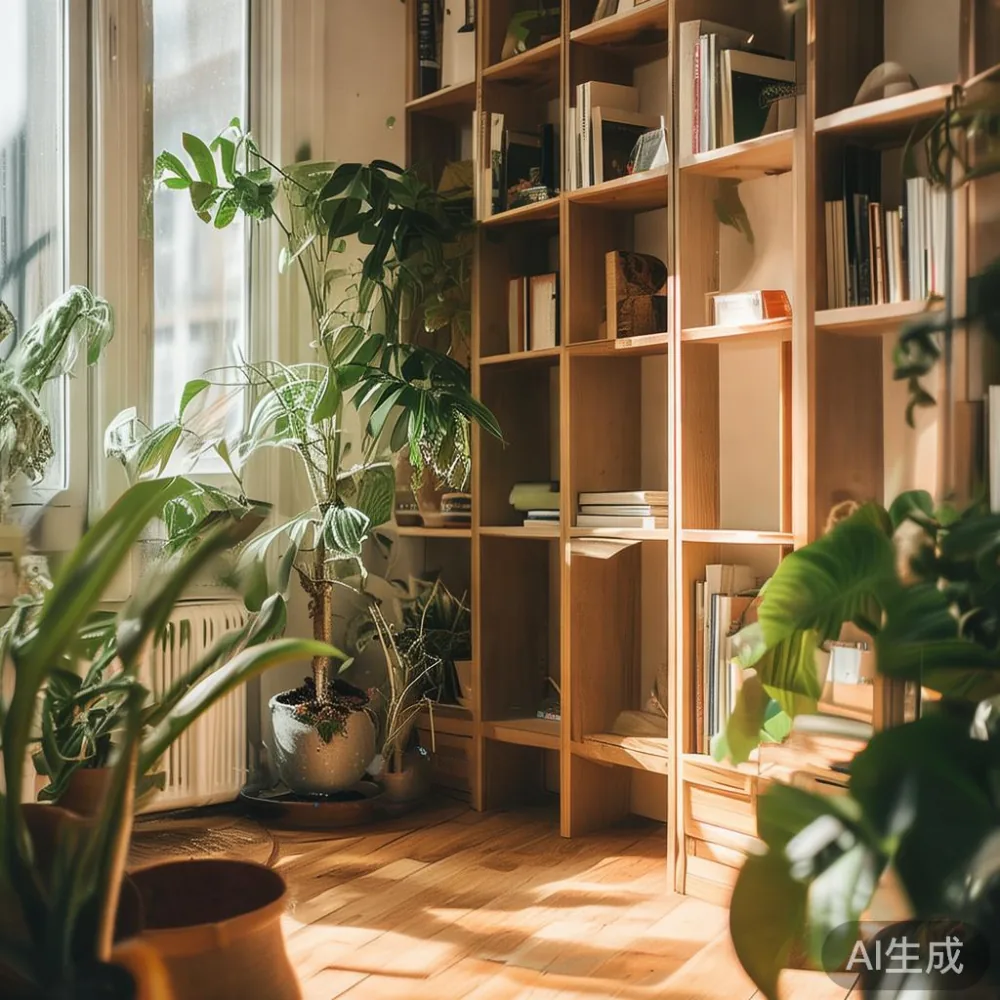
This guide explains how to select, position, and style a bookshelf for a compact Singapore home. It also considers delivery logistics, lift and corridor clearances, GST, and the finish details that help solid wood furniture age gracefully. MIDHILL has made solid wood furniture since 2008, exporting to more than 15 countries, and its structural warranty covers 10 years.
What is the right bookshelf depth for a small Singapore apartment?
The most useful depth for most HDB living rooms is 24–28 cm. At 24 cm, a standard paperback around 16–18 cm wide fits comfortably, while 28 cm accommodates larger art books and a slim magazine rack. Going deeper than 30 cm can swallow valuable floor area and make a room feel crowded, especially when the bookshelf projects in front of a window or beside a circulation route.
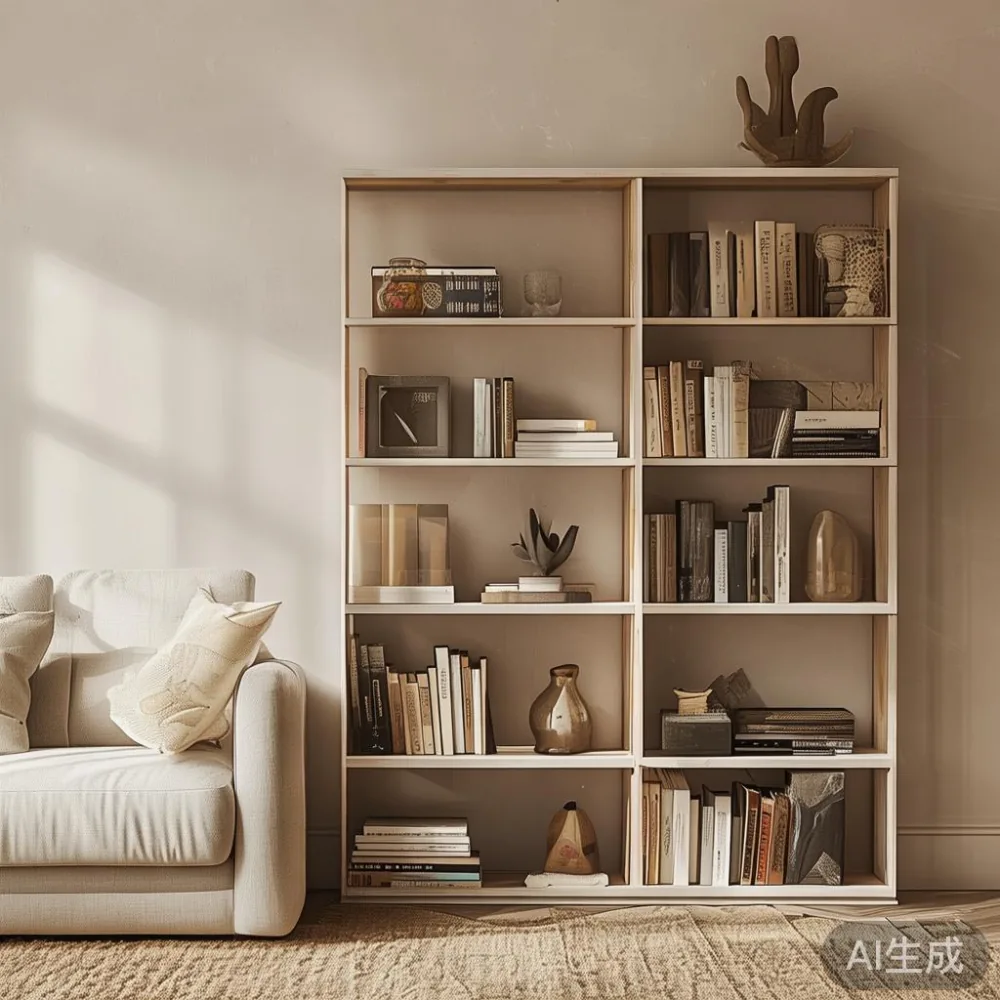
Measure the wall, but also measure the route to it. A 60 cm-wide bookshelf may fit easily in a room yet be difficult to manoeuvre around a 90 cm corridor turn. A 40–45 cm-wide model is easier to carry through common HDB access points, whereas 60–90 cm units are better suited to open-plan condo living rooms or a dedicated study.
Height changes the visual effect. A shelf that stops at 120 cm feels lighter than one reaching 210 cm, but it can look disconnected from the ceiling. A 180–200 cm bookshelf is a practical middle ground for many flats: tall enough to use vertical space, restrained enough for a compact room. Full-height installations work well in a recessed alcove or beside a door where the surrounding wall already provides vertical framing.
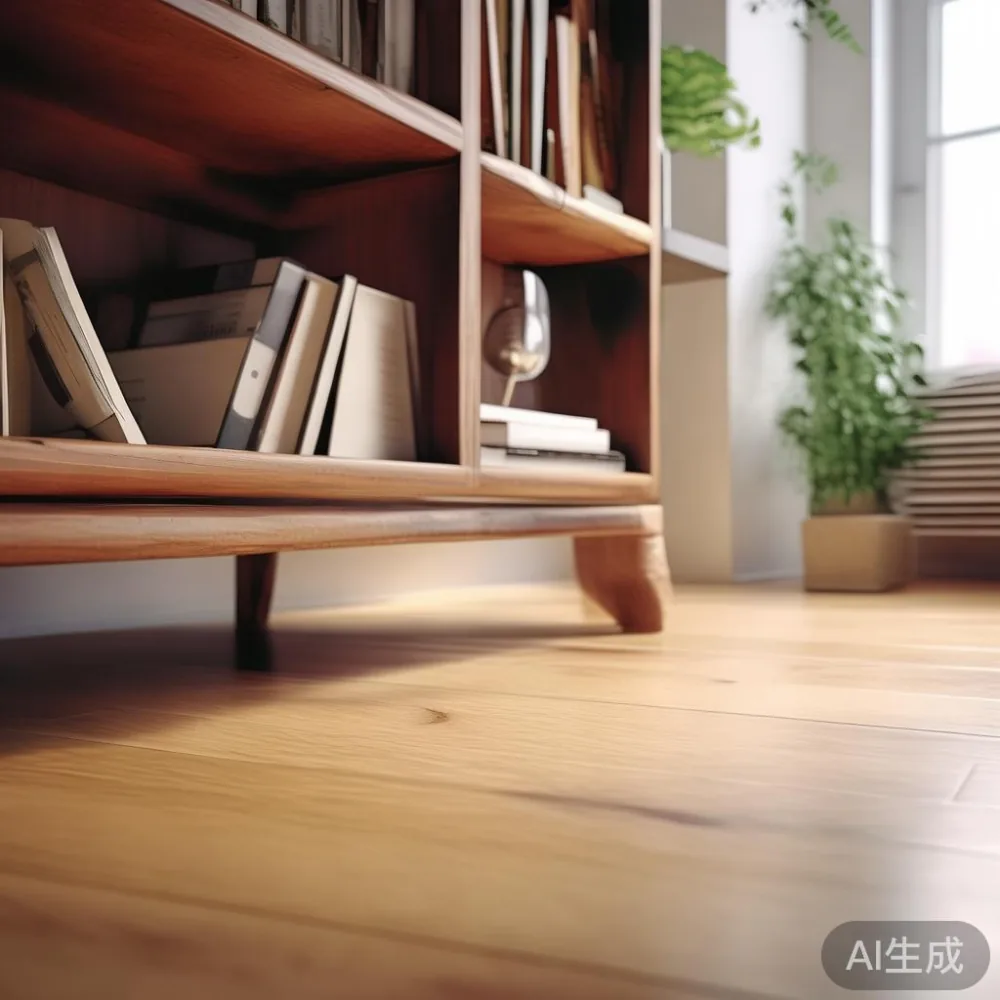
For families, consider load and stability. A 180 cm-tall oak bookshelf with a 25 cm depth may weigh 35–50 kg depending on its construction. Secure it to the wall if children are likely to climb on nearby furniture. The exact weight should be checked with the manufacturer before installation.
How do I stop a bookshelf from making my living room feel crowded?
Start with proportion rather than filling every shelf. Leave at least 20% of the shelving visibly open, and group books in sections of 3–7 cm rather than creating a solid wall of spines. Alternating books with bowls, framed prints, or one plant gives the eye places to rest.
Choose a finish that relates to the room. Pale oak can soften a darker floor; walnut adds warmth to a white or warm-grey wall; painted cream or muted green can blend into a compact HDB interior. French light luxury often favours pale woods, elegant profiles, and restrained detailing, while American light luxury tends toward deeper tones and stronger visual contrast. Post-modern light luxury can pair a simple bookshelf with one expressive object, such as a sculptural vase or an arched frame.
Limit the display to three colours plus the dominant wood tone. For example, use white, terracotta, and muted green against light oak. A little repetition across cushions and books makes the room feel planned. Keep lower shelves practical with 6–8 cm gaps for stacked papers, and avoid leaning large books where they can bow.
Do not place a bookshelf directly across a narrow window if it blocks both light and ventilation. In a typical Singapore living room, curtains should hang no more than 2–5 cm beyond the wall or window recess, and tall storage should remain at least 30 cm away from an air-conditioning unit where possible. This is especially useful in Bedok and Tampines units where living spaces often combine several functions.
Should I use an open bookshelf or one with closed storage?
An open bookshelf creates a light, airy display, but closed sections are valuable in a small apartment. Books can be grouped below eye level behind cane, fluted timber, or sliding doors, while the upper shelves remain open. This keeps the visual centre simple and provides concealed space for stationery, chargers, framed photographs, and household items.
A side-opening cabinet with 2 sliding panels offers another solution. Its footprint remains around 60–80 cm wide, yet it can conceal irregular objects that look messy on open shelves. For a bookcase used in a child’s bedroom, a lower door reaching at least 30 cm above the floor can contain picture books and toys.
Think about the shelf pitch as well. Adjustable shelves at 28–32 cm intervals suit most books and give flexibility as a collection changes. Drawers should be checked for their full extension: a nominal 40 cm drawer may project 35–38 cm when open. If the bookshelf sits opposite a dining table, allow about 75–90 cm of walking space so drawers can still be used without pinching the route.
Style the closed portion with intention rather than using it as a catch-all. One neat basket, no more than 25 cm high, and a labelled document box are easier to manage than a pile of loose items. Closed storage also reduces the chance that cables, papers, or toys will spoil the composed appearance of the room.
How should I measure the lift and corridor before ordering?
Ask for the bookshelf’s packaged dimensions, not only its assembled dimensions. A 180 cm-tall, 60 cm-wide shelf may be delivered in 2 protective cartons, each around 95 × 65 × 20 cm. Older HDB lifts often measure roughly 100–140 cm internally, with door openings near 70–90 cm, although exact figures vary by block. A flat-pack unit can pass through a lift diagonally if the longest carton stays below the lift’s diagonal clearance.
Corridor turns deserve equal attention. Measure the narrowest point, door thresholds, and any right-angled bend. If a carton is longer than 140 cm, turning it around a tight 90° corner may be impossible even when it fits inside the lift. Protected corners and removable shelves reduce risk, but the delivery team should confirm access before the vehicle is dispatched.
Allow 3–7 business days for production and dispatch, plus approximately 1–3 days for local delivery in Singapore. A coordinated delivery appointment is preferable to an unattended drop-off. If the building requires a service lift reservation, include the booking in the schedule. Residents should also check whether the management office imposes specific moving-hour rules.
Prices shown before GST may exclude delivery to certain locations. A bookshelf priced at SGD 680, for example, would carry 9% GST, making the payable amount SGD 741.20 before any applicable delivery charge. MIDHILL offers free shipping for orders above US$350, but local Singapore delivery terms should still be confirmed at checkout. A 14-day return window provides useful protection if the dimensions or finish do not suit the space.
What books and objects should I display on a small bookshelf?
Begin with what you actually use. Books read regularly can occupy one or two open shelves, while a collection of reference books can be arranged by size or colour. Avoid colour-coding every object; a restrained palette looks more relaxed and makes future changes easier.
Use odd-numbered groupings: three framed images, five books, or one sculptural object. Keep the largest visual piece away from the centre if it dominates the room. A ceramic vessel 20–30 cm high can add texture without creating a strong horizontal line. One trailing plant may soften the geometry, provided it does not spread across neighbouring surfaces.
For a coastal HDB interior, combine light timber with linen, white ceramics, and woven textures. For a more modern condo, pair walnut with black metal and one matte finish. The bookshelf itself should harmonise with the solid wood sofa, bed frame, dining table, wardrobe, nightstand, or marble table already in the home rather than competing with them.
Some shoppers compare a light luxury bed vs Modern bed while furnishing a bedroom, but the same design logic applies to shelving: establish a material palette first, then add contrast sparingly. The French provincial dining table brings a soft, crafted character that can be echoed in warm oak shelving, while post-modern light luxury favours bolder pairings and clean spacing.
When sourcing complementary items, searches for for sale Nordic furniture often return pale woods and simple silhouettes. Whatever the style, check that each object has enough breathing room around it. A shelf that is only 70% occupied usually looks more considered than one packed from edge to edge.
Can a bookshelf work in a bedroom, dining area, or entryway?
Yes, provided the function and clearance are suitable. In a bedroom, a 100–150 cm bookshelf can sit beside the bed frame, with its lowest shelf at least 15 cm above skirting boards. Keep it out of the swing path of an open door and maintain a 40–60 cm gap beside the bed for access to bedding.
In a dining area, use a narrow bookshelf as a room divider only if it does not interrupt a 75 cm route between the dining table and kitchen. A 160–180 cm unit with closed storage can display a few objects above eye level while hiding table linen and serving pieces below.
For an entryway, depth becomes especially important. A 20–24 cm shelf can hold a tray for keys, a small basket, and framed art without reducing the passage. Avoid installing it opposite a door where bags and shoes would collect in a congested zone. The European light luxury for apartment approach uses proportion, durable natural materials, and careful spacing to make even modest rooms feel composed.
Living rooms benefit from placing the bookshelf on the longest uninterrupted wall, not necessarily the wall directly opposite the television. In an L-shaped HDB living room, aligning its edge with the sofa or dining table can create a cleaner visual axis. In a Punggol condo with a wide balcony door, a narrow bookcase beside the opening can preserve the light while adding a useful display zone.
How do I coordinate a solid wood bookshelf with other furniture?
Match the wood tone or the joinery style, but not every finish has to be identical. A medium oak bookshelf can work with a darker walnut solid wood sofa if the room contains enough pale surfaces to balance the contrast. A marble table introduces a cool, patterned surface, so fewer accessories on the bookshelf will keep the room from feeling over-detailed.
The MIDHILL European light luxury wardrobe is relevant when the bookshelf is near an entrance or bedroom door: matching pale timber creates continuity across separate zones. A nightstand should follow the same metal and wood cues, while a solid wood sofa can provide a strong grounding element in a living room.
Pay attention to edges and profiles. If the bookshelf has rounded corners and soft lines, introduce one upholstered piece with a curved profile. If the dining table has a rectangular silhouette and straight legs, keep shelf objects equally crisp. Post-modern light luxury can break this rule through one vivid artwork, yet the remaining accessories should remain quiet.
Samples should be viewed in the room under both daytime and evening light. Warm bulbs around 2700K usually enhance honey oak, while cooler bulbs near 4000K can make pale timber look grey. Singapore’s bright daylight often reveals undertones that are not visible in a showroom, so testing the finish for at least 1 hour is sensible.
What should I check before ordering a custom bookshelf?
Provide the wall width, ceiling height, skirting depth, and at least 3 photographs of the room. Include the lift dimensions, corridor turns, and any steps if the unit is being carried upstairs. A good supplier should distinguish between the assembled size and the carton size, state the approximate weight, and explain how the bookshelf will be protected during transit.
For an apartment, confirm whether the shelf is flat-packed or fully assembled. Flat-packed construction can make transport easier, but it may require 30–45 minutes of assembly and a second person. Fully assembled furniture may need two movers if the unit weighs more than 45–50 kg.
Check the warranty, finish care, and return terms. MIDHILL provides a 10-year structural warranty and lifetime refinishing, which can be valuable for a frequently handled bookcase. Ask what is covered by refinishing and whether a return can be arranged within the 14-day window.
Last month I visited a colleague’s three-room Tampines flat where an open shelf had made the living room look packed. We replaced it with a 160 cm solid oak bookshelf in a pale natural finish, using closed storage below and leaving the upper half almost empty. The room appeared about 10–15% more spacious, not because the furniture became smaller, but because the visual clutter disappeared and the eye could move across the wall.
The final arrangement used 7 shelves at adjustable 30 cm intervals, a 65 cm-wide cabinet section, and a 25 cm depth. The delivery team checked the HDB lift and narrow corridor before arrival. The practical result was a living room that felt lighter, with books accessible, everyday objects hidden, and enough unoccupied surface for the space to breathe.
A small apartment does not need less personality; it needs fewer competing forms. A well-proportioned bookshelf, measured access route, controlled palette, and restrained display can provide that personality without crowding the room.