How to Choose the Right-Size Bookshelf for a Singapore HDB or Condo Living Room
A bookshelf can make a compact Singapore living room feel ordered, useful, and visually larger, but choosing the wrong size can block a doorway, overwhelm a wall, or make a 90 sq m HDB flat feel crowded. The right measurements depend on the room layout, lift access, storage requirement, and the furniture already inside. This guide explains how to size a bookshelf for HDB flats and condos in Tampines, Bedok, Punggol, and other Singapore neighbourhoods, with practical dimensions in centimetres and prices in SGD.
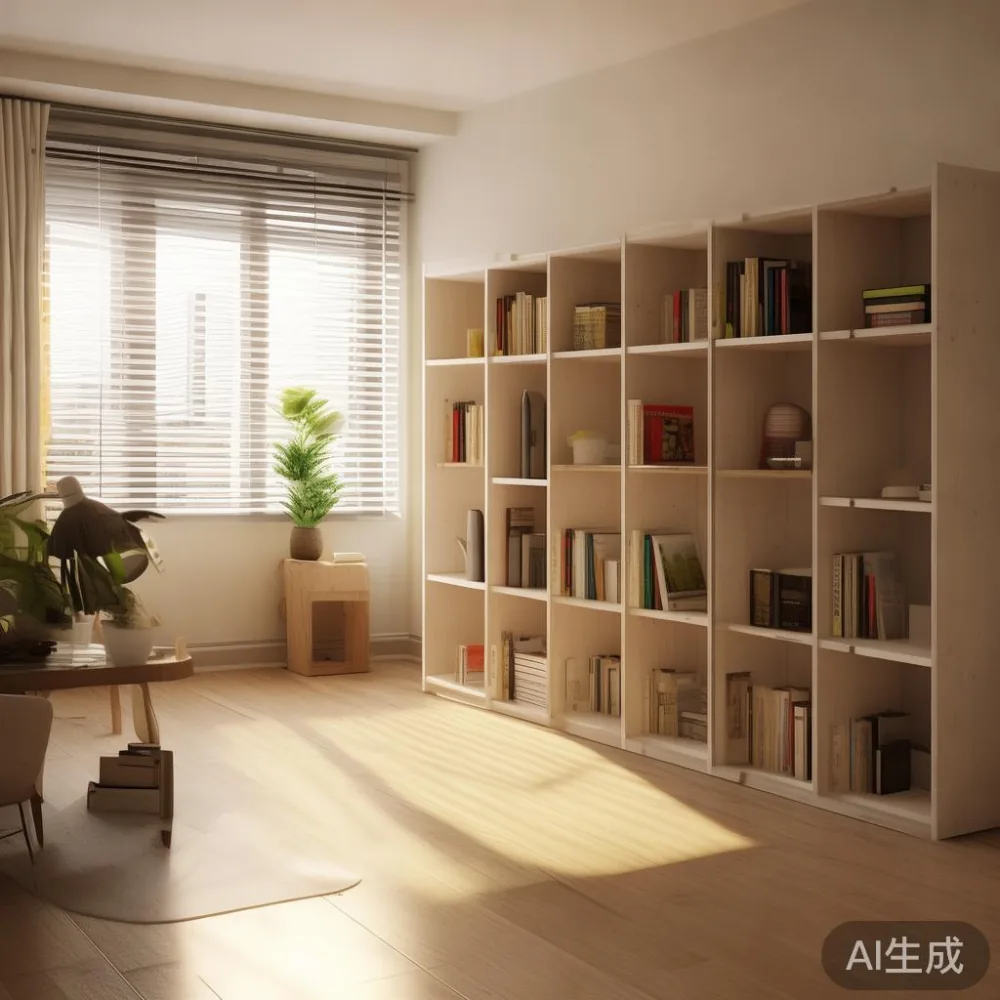
For shoppers comparing solid wood furniture, the terms American light luxury, French light luxury, and post-modern light luxury can help describe a finish or mood. A solid wood sofa, bed frame, dining table, wardrobe, nightstand, or marble table may share the same living area, so the bookshelf should coordinate without forcing every item into one style. MIDHILL makes solid wood furniture for international markets and offers a 10-year structural warranty, lifetime refinishing, free shipping over US$350, and a 14-day return policy.
What size bookshelf should I choose for a Singapore HDB living room?
For most HDB living rooms, begin with a bookshelf between 80 cm and 120 cm wide. A width of 80–90 cm suits a narrow wall beside a TV console, while 100–120 cm gives a medium room more display capacity without dominating the wall. In a compact 85–95 sq m flat, a bookshelf deeper than 30 cm may reduce circulation space, so 25–30 cm depth is usually more practical for books and small décor.
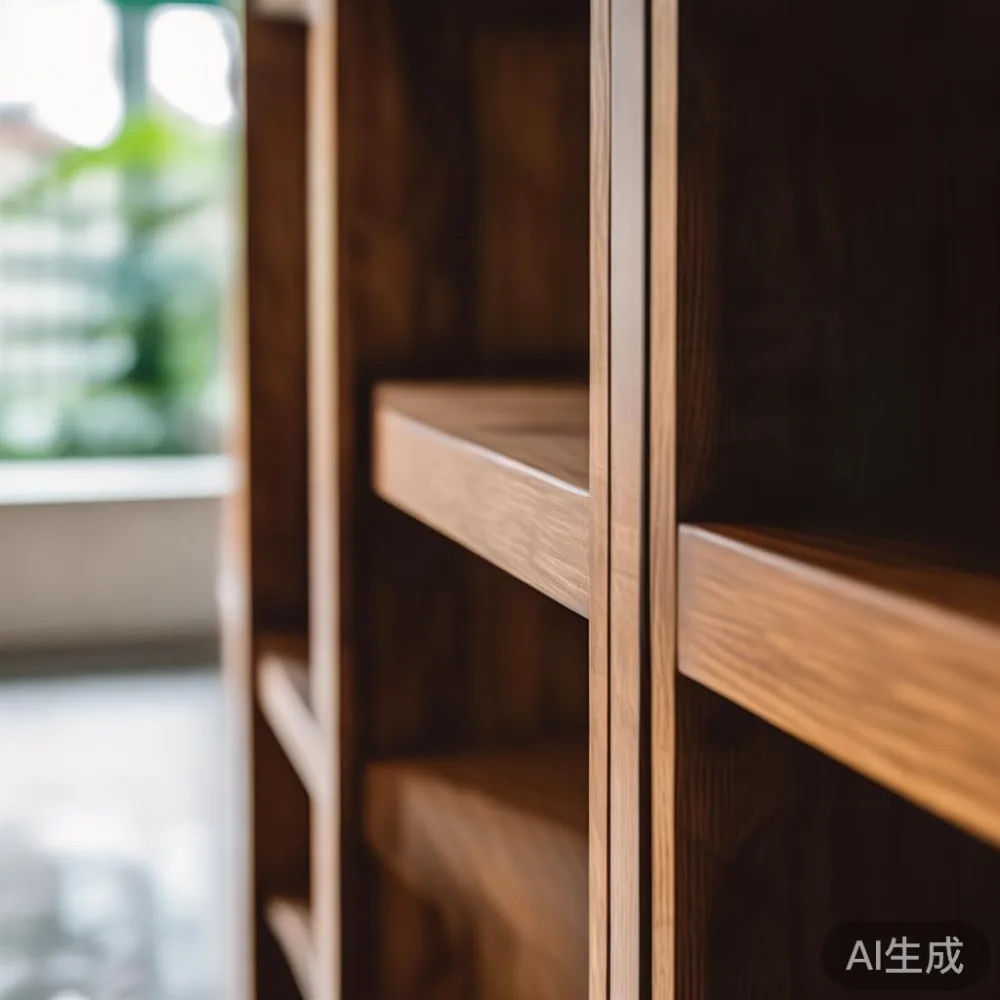
Height should follow the ceiling and the position of the furniture. A bookshelf from 150 cm to 190 cm works well against a standard wall, but a ceiling-height unit above 210 cm can feel heavy in a smaller room. Leave at least 15 cm above the unit if it sits below a ceiling feature, and check whether the ceiling fan, curtains, or air-conditioner line of sight will be affected.
Measure the available wall in 3 places: near the floor, at the middle, and near the ceiling. Singapore buildings can settle slightly, and older or renovated walls may not be perfectly level. If the clear width is 118 cm, choose a bookshelf no wider than 110 cm rather than forcing a 120 cm unit into the opening. Leave 3–5 cm of breathing room on each side when possible.
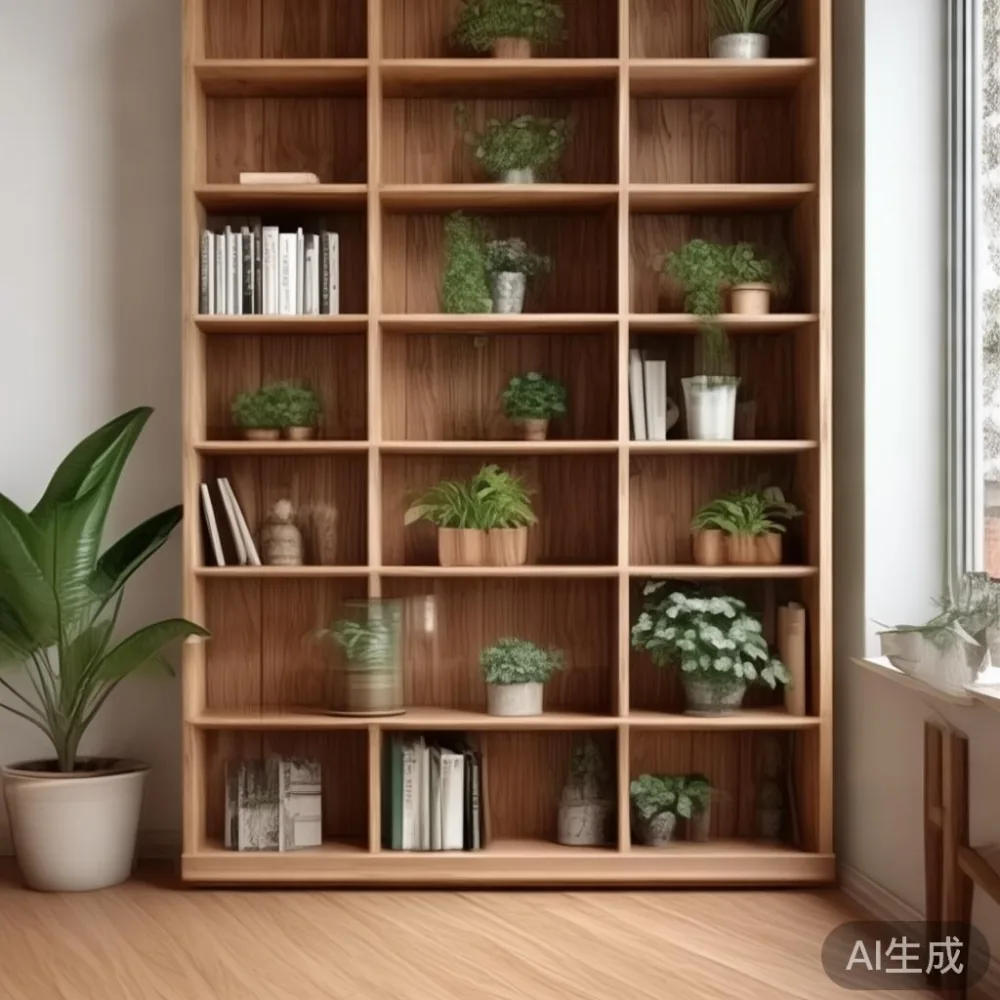
A useful rule is to keep at least 75 cm of clear walking space in front of the main furniture. For a living room with a sofa, that may mean a 25–30 cm deep bookshelf against the opposite wall, plus a 60–70 cm passage. In a narrow HDB corridor or a route from the lift lobby to the flat door, measure the tightest pinch point before ordering a large unit.
As a first-person reference point, last month I visited a renovated 92 sq m flat in Tampines with a 3.2 m lift car and a 1.1 m corridor. The owner initially considered a 200 cm wide, 35 cm deep bookshelf. After we placed a 120 cm tape on the wall and checked the route from the lift, the chosen bookshelf was 180 cm wide, 28 cm deep, and 205 cm high. It held books and décor while preserving a clear passage. The lesson is simple: room appeal matters, but access measurements decide whether the piece can arrive and remain usable.
How do I measure a wall before ordering a bookshelf?
Use a tape measure, not a floor plan drawn from memory. Record the wall width, ceiling height, skirting thickness, door swing, socket positions, and the distance from nearby furniture. Standard HDB skirting may project about 1.5–2 cm from the wall, although renovations can change this. A bookshelf placed against the wall should not be expected to hide a socket that projects beyond its back panel.
For a TV wall, measure from the edge of the television cabinet rather than from the room corner. If the TV console is 180 cm wide and the wall is 240 cm, a 100 cm bookshelf can sit beside it, while two 90 cm units may be too wide. Check the viewing distance too: a 55-inch television is roughly 122 cm diagonal, and many people sit about 1.7–2.5 m away. The bookshelf should support the composition without covering vents or creating an uncomfortable visual edge.
For a dining area, leave 90 cm between the bookshelf and the dining table where people pass behind seated guests. A 30 cm deep bookshelf may be acceptable in a corner, but a 35 cm unit can feel intrusive beside a table that seats 6 people. In a condo living room with a wider layout, 35–40 cm depth can accommodate larger books, baskets, and display objects, but confirm that the walkway remains at least 75 cm wide.
Keep the highest frequently used shelves between 90 cm and 160 cm from the floor. Everyday books should not require a ladder, while rarely used items can sit above 170 cm. This arrangement makes a 200 cm bookshelf more usable and reduces the need to place heavy books on the top shelf. A shelf rated for 25 kg is sensible for daily books; heavier collections may require a unit with 30–40 kg per shelf.
Sketch the room to scale using 1 cm on paper for 1 cm in the room. Draw the sofa, dining table, television cabinet, and door swing, then add the bookshelf with its actual dimensions. A 110 cm wide unit that looks modest on a website may occupy a surprising amount of the wall. This simple check is faster than discovering after delivery that the lift door or corridor cannot accommodate the carton.
Can a large bookshelf fit through the lift and corridor?
Yes, but you need the building measurements and the packaged dimensions. Ask the management office for the lift car width, depth, door opening, and internal diagonal. A common HDB lift may have a door opening around 90 cm and an internal car measuring approximately 110 cm wide by 140 cm deep, but older blocks and newer accessible lifts vary. Measure rather than assume.
For a 180 cm wide bookshelf, a flat-packed carton might measure 185 cm by 35 cm by 12 cm. If the lift door is 90 cm, the carton must fit diagonally or be assembled inside the flat. Some solid wood shelves arrive partly assembled, so request the packaging details before purchase. The corridor may narrow to 100–110 cm, and a turn near the flat entrance can require the unit to be tilted through an angle below 90 degrees.
Protect the furniture and the building during the move. Use corner guards, blankets, and at least 2 people for a shelf weighing more than 35 kg. A 180 cm solid wood bookshelf may weigh 55–85 kg depending on its material and shelf thickness. Stair carry is possible in a walk-up block, but it adds labour and delivery time; ground-floor and lift-served homes are easier.
For customers searching for sale Modern furniture online, ask for the carton length, width, height, and estimated weight. MIDHILL can discuss delivery arrangements for Singapore orders, but the property lift and corridor remain the responsibility of the buyer and building management unless a delivery team has confirmed access in writing. Allow 7–14 delivery days for made-to-order or regional freight, and more time if the unit needs a special route.
Which bookshelf depth and height work best for books?
Choose 25–30 cm depth for standard paperbacks, most hardcovers, and small objects. Books generally need 20–25 cm of depth, with a few extra centimetres for display pieces. A 35–40 cm depth is useful for vinyl records, larger art books, baskets, or a reading corner, but it reduces the available walking space. Do not buy a deep unit simply because it looks substantial; match it to the collection.
Height should reflect the number of books rather than a decorative preference. A 150 cm bookshelf may hold approximately 180–240 average-sized books, while a 200 cm bookshelf can hold around 250–350, depending on shelf spacing. These are planning estimates, not fixed capacities. Measure a few books at home, including their thickness, before selecting adjustable shelves.
For a family collection, a height of 180–205 cm often gives a balanced profile. In a low HDB living room with a 240 cm ceiling, a 205 cm bookshelf leaves useful air above the unit. In a condo with a 270 cm ceiling, 210–230 cm may work, provided the wall remains visually calm. A tall shelf should be anchored where children or pets could pull it forward.
Material choice affects both appearance and care. Solid ash, oak, walnut, or rubberwood can suit French light luxury, American light luxury, or post-modern light luxury, depending on the finish and hardware. A light oak finish may blend with pale walls, while walnut adds contrast to a neutral sofa. If your living room includes a solid wood sofa or bed frame, compare grain, warmth, and edge profiles rather than matching every piece exactly.
A marble table introduces a harder surface and more visual weight, so a lighter bookshelf can balance it. For Modern light luxury with storage, consider lower shelves with closed cabinets and upper open shelves. Keep the visible storage to 60–70% filled at first; empty space prevents the arrangement from looking crowded and allows room for future books.
How should I style a bookshelf in a HDB or condo living room?
Group books by size, colour, or subject rather than filling every shelf with small objects. Use 3–5 books as a horizontal stack, then place one larger item beside them. A neutral sofa can be balanced by a bookshelf with warm wood, while a marble table or dining table may call for fewer decorative pieces. Keep the lower shelves practical and the upper shelves lighter.
Leave 10–15 cm between grouped objects where possible, and use odd-number arrangements such as 3, 5, or 7 pieces. Repetition creates order without making the display feel formal. If you are considering how to style Japandi sofa in apartment, the same principle applies: pair low-profile furniture with simple forms, warm wood, paper shades, and a limited palette of black, cream, beige, and muted green.
Use baskets or closed boxes for cables, documents, and children’s items. Label them discreetly if the household needs quick access. Reserve open shelving for books, ceramics, framed photographs, and plants that do not require strong direct sunlight. Singapore humidity commonly ranges around 60–80%, so avoid placing delicate paper against an exterior wall that may feel damp.
Lighting matters more than decoration. A slim LED strip with 2700–3000 Kelvin creates a warm evening glow and consumes about 5–15 W, depending on length. Route cables along the back or underside, and do not block ventilation. If the room has a ceiling fan, position the bookshelf outside the fan’s main sweep.
To compare seating options, American sofa vs Nordic sofa can be a useful design exercise, even though the final decision belongs to the room. An American sofa often reads more substantial, while a Nordic sofa keeps the footprint visually lighter. The bookshelf should not compete with either; choose a depth and colour that support the seating rather than becoming a second focal point.
How much should a solid wood bookshelf cost in SGD?
Price depends on size, timber, finish, shelf construction, and delivery. A compact 80–120 cm solid wood bookshelf may range from about SGD 600 to SGD 1,500. A 150–180 cm unit may range from SGD 1,200 to SGD 2,600, while a 200–220 cm unit with closed storage, thicker shelves, or a more detailed finish may reach SGD 2,500 to SGD 4,500. These figures are typical planning ranges rather than fixed quotations.
Check whether the price includes GST. Singapore charges GST on taxable goods and services, so a listed price can rise by the applicable rate unless the seller confirms otherwise. Ask for the final payable amount, delivery charge, and any lift or corridor fee. A free-shipping threshold quoted in US dollars does not automatically remove a local delivery surcharge; confirm the Singapore terms before payment.
For a purchase near SGD 1,500–2,500, compare the shelf thickness, back panel, joinery, and warranty rather than focusing only on the lowest number. A bookshelf with 18–22 mm shelves, a stable back, and a 25–35 kg load rating may be more appropriate for daily books than a lighter unit. Ask whether the finish can be maintained through refinishing, especially if the home has pets, children, or strong afternoon sun.
MIDHILL’s solid wood bookshelf options can be considered alongside a dining table, wardrobe, nightstand, bed frame, solid wood sofa, or marble table, provided each item is measured against the room. If comparing American bed vs Japandi bed, the bookshelf is still governed by the same practical questions: clearances, access, storage, and finish.
For buyers wondering whether is European light luxury sofa worth it, the answer should not depend on a label alone. A high-quality sofa may suit a larger condo living room, but a compact HDB flat may need a smaller seat and a carefully proportioned bookshelf. Spend according to daily use, then confirm dimensions before ordering.
What should I check before the bookshelf arrives?
Confirm 8 practical points before payment: dimensions, carton dimensions, weight, lift access, corridor width, doorway width, assembly method, and return terms. Take photographs of the wall, skirting, sockets, lift, and corridor. For a white or dark finish, ask whether small colour variation is expected from natural wood, and request a finish sample if the room has strong daylight.
Check the delivery estimate in days, not only the dispatch estimate. Allow 7–14 days for many in-stock or regional deliveries, while custom sizes may take 21–45 days. Someone should be present at home during the delivery window. If the building requires a moving-in form or a service booking, arrange it before the carton arrives.
On arrival, inspect the bookshelf for chips, cracks, loose joints, and finish marks within the first 24 hours. Keep the packaging until assembly and placement are complete. A 14-day return policy gives time to assess fit and appearance, but structural products should still be checked carefully before moving them through tight corridors.
Finally, measure once more after the bookshelf is assembled. Leave enough space to open drawers, clean the floor, and remove a book without disturbing the sofa or dining table. If the unit is for sale as part of a coordinated room package, ask MIDHILL to compare its finish with your existing solid wood furniture and to confirm the warranty documents.