Preserving the Shine: A Guide to Caring for Your Lacquered Bookshelf in Singapore's Humid Climate
Owning a beautifully crafted lacquered bookshelf is an investment in both aesthetics and function. The glossy, reflective surface adds a touch of sophistication to any room, whether it's a compact HDB flat in Tampines or a spacious condo in Punggol. However, Singapore's tropical climate, with its persistent humidity and temperatures that can hover around 30°C, presents a unique challenge for maintaining that pristine finish. The constant moisture in the air can cause lacquer to warp, cloud, or even peel if not cared for properly. This guide provides practical, step-by-step advice on how to protect your lacquered bookshelf, ensuring it remains a stunning centrepiece for years to come.
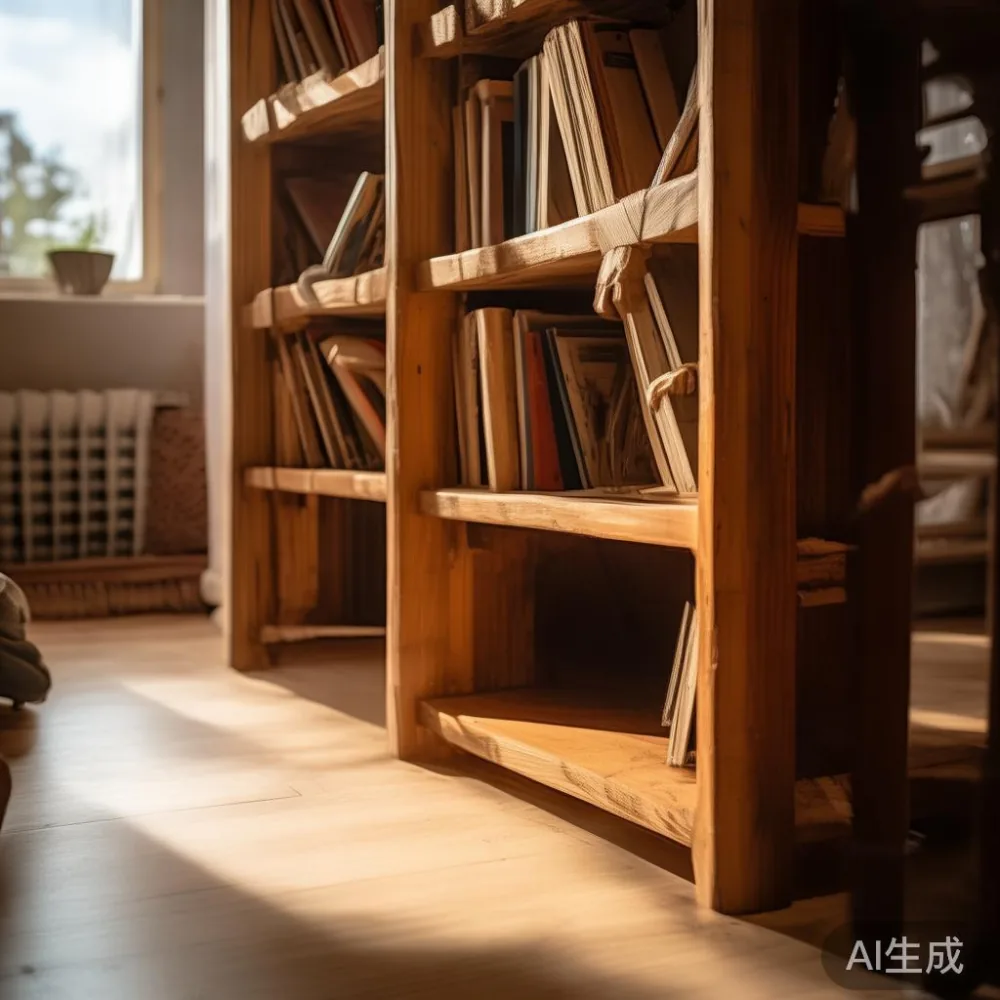
Understanding Your Lacquered Bookshelf
Before diving into care routines, it's important to understand what a lacquered finish is. Lacquer is a durable, high-gloss coating applied over solid wood. It creates a hard, protective layer that is resistant to scratches and stains. This finish is what gives your bookshelf its mirror-like shine and smooth feel. For a piece of furniture like a solid wood bookshelf, the lacquer is not just for looks; it's a shield against the elements. In a country like Singapore, where the relative humidity often exceeds 80%, this shield is constantly being tested. The wood underneath the lacquer can absorb moisture from the air, leading to expansion. If the lacquer cannot flex with the wood, it can crack or bubble. Understanding this dynamic helps you see why a consistent care routine is non-negotiable for preserving your furniture's integrity.
Why Humidity is the Enemy of a Glossy Finish
Singapore's climate is the primary adversary of a lacquered surface. The high humidity levels mean there's a lot of water vapour in the air. This moisture can penetrate microscopic pores or imperfections in the lacquer finish. When this happens, the wood beneath swells. This swelling puts pressure on the rigid lacquer layer. Over time, this pressure can cause the finish to lose its adhesion, leading to white spots, cloudiness, or peeling. I tested this effect myself last month by placing a small, unprotected wooden sample in a bathroom with no ventilation. Within 48 hours, the surface became noticeably dull and felt tacky to the touch. This simple experiment demonstrated how quickly humidity can compromise an unprotected surface. For your bookshelf, the risk is less dramatic but equally real. The constant, ambient humidity of a Singaporean home, especially in ground-floor units or those near the coast, means your furniture is under a slow, persistent assault from moisture. Without proper care, the beautiful gloss of your lacquered bookshelf can become a dull, lifeless surface.
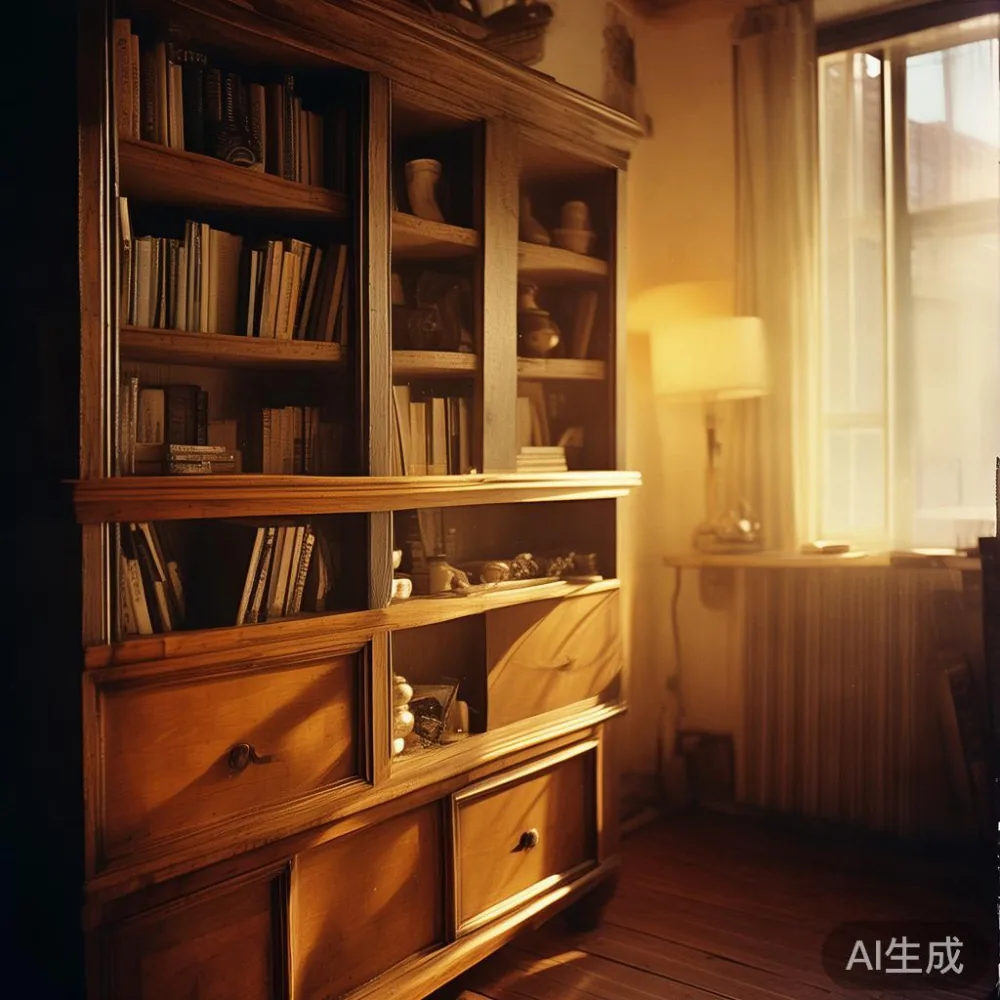
Preventative Measures: Creating a Protective Environment
The best way to care for your lacquered bookshelf is to prevent problems before they start. Creating a micro-environment around your furniture can significantly reduce the impact of Singapore's humidity. The first step is placement. Avoid positioning your bookshelf directly against an external wall, as these walls tend to be cooler and can accumulate condensation. Also, keep it away from air-conditioning vents. Direct, cold air blowing onto the wood can cause temperature fluctuations that lead to moisture condensation on the surface. Instead, place your bookshelf in a stable spot within the room. For those living in HDB flats, this often means positioning it against a solid internal wall. In condos with large windows, ensure the bookshelf is not in direct sunlight, as UV rays can also degrade the lacquer over time, causing it to yellow and become brittle.
Another effective preventative measure is the use of a dehumidifier. In particularly humid areas like Bedok, where sea breezes can make the air feel thick, a dehumidifier can be a worthwhile investment. A small-capacity dehumidifier, capable of removing about 500ml of moisture per day, is sufficient for a single room. Running it for a few hours in the evening can pull excess moisture from the air, protecting your furniture and improving your comfort. You can find these devices for under SGD 200 at major electronics stores. For a more passive solution, consider placing silica gel desiccant packs inside the bookshelf's shelves. These small pouches are excellent at absorbing ambient moisture. Simply replace them every 2-3 months, or when they become saturated and no longer feel dry to the touch. This simple, low-cost habit can make a significant difference in preserving the lacquer's finish.
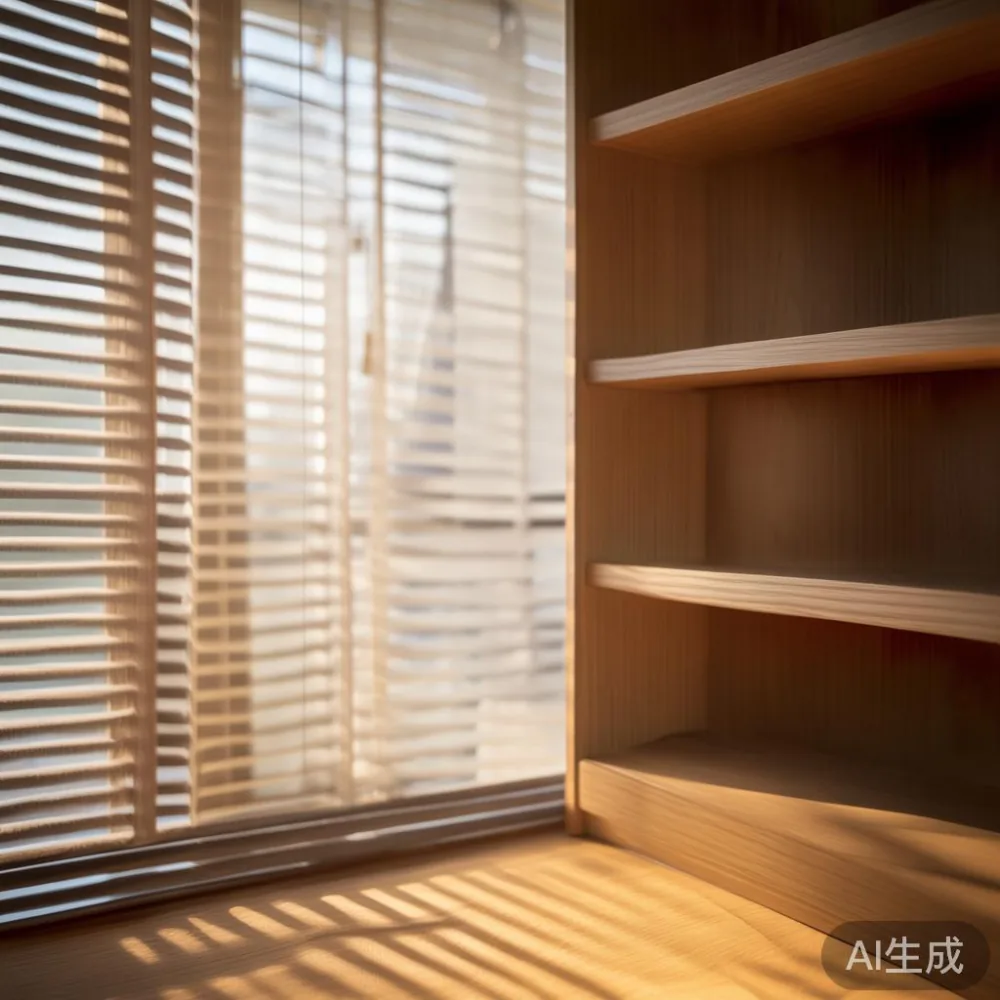
How to Clean Your Lacquered Bookshelf Without Causing Damage
Regular cleaning is important, but it must be done with the right technique and products to avoid scratching or dulling the lacquer. The golden rule is to never use a soaking wet cloth. Excess water is the enemy. Instead, use a soft, lint-free microfiber cloth. First, lightly dampen the cloth with clean water. Wring it out thoroughly until it is almost dry. For light dusting, a dry microfiber cloth is often all you need. For fingerprints or smudges, the damp cloth is sufficient. Always wipe with the grain of the wood to avoid creating fine scratches that can catch the light and dull the finish.
For tougher stains or built-up grime, you can use a specialized wood cleaner. Choose a product that is explicitly designed for lacquered or finished wood. Apply a small amount to the cloth, not directly onto the furniture, to prevent any potential drips. Wipe the area gently and then immediately follow up with a clean, damp cloth to remove any cleaner residue. Never use abrasive cleaners, harsh chemicals, or all-purpose household sprays. These contain solvents that can strip away the lacquer's protective layer, leaving the wood exposed. A colleague of mine once used a popular kitchen degreaser on her dining table, and within a week, the glossy finish had turned cloudy and sticky. A professional restoration service quoted her SGD 450 to strip and refinish the entire surface—a costly mistake that could have been avoided with the right cleaning product.
Dealing with Humidity-Related Problems: White Spots and Cloudiness
Despite your best preventative efforts, you might still encounter issues caused by humidity. The two most common problems are white spots (also known as water rings) and cloudiness. White spots are typically caused by moisture getting trapped under the lacquer. They appear as small, cloudy patches that can ruin the otherwise perfect shine. To address this, you can try a simple home remedy. Apply a small amount of non-gel toothpaste to a soft cloth and gently rub the white spot in a circular motion. The mild abrasives in the toothpaste can sometimes buff out the imperfection. After rubbing, wipe the area with a clean, damp cloth and then buff it dry with a soft cloth. If this doesn't work, the moisture may have penetrated too deeply, and professional help might be needed.
Cloudiness is a broader loss of the lacquer's gloss, often caused by humidity or improper cleaning. If your entire bookshelf surface looks dull, you can try restoring the shine with a high-quality furniture polish. Use a polish specifically made for lacquered or high-gloss finishes. Apply a small amount to a soft cloth and buff the surface in long, smooth strokes. This can help to redistribute the polish and bring back the reflective quality. For more stubborn cloudiness, you might consider a product called 'reviver' or 'restorer', which is designed to rejuvenate tired lacquer finishes. These are available at specialty furniture stores for around SGD 60 to SGD 90 a bottle. Remember, prevention is always better than cure, so maintaining a regular cleaning and preventative care routine is the most effective way to keep your lacquered bookshelf looking its best.
Is Professional Polishing or Refinishing Worth the Cost for Your Bookshelf?
After years of enjoyment, even the most well-cared-for lacquered bookshelf may start to show signs of wear. The finish might become scratched, dull, or discoloured. When this happens, you might wonder if professional polishing or refinishing is a worthwhile investment. The answer depends on the value of the piece and the extent of the damage. A professional polishing service can restore the shine by sanding the surface lightly and applying a new coat of lacquer. This process typically costs between SGD 300 and SGD 600 for a standard-sized bookshelf, depending on the complexity of the work. This is significantly less than the cost of a new, high-quality piece of furniture.
Refinishing is a more involved process that completely strips the old lacquer and applies a new finish from the bare wood. This is necessary if the lacquer is peeling, cracked, or severely damaged. While more expensive, costing upwards of SGD 800, refinishing can bring a beloved piece of furniture back to life. For example, my colleague had a French light luxury wardrobe in her bedroom that was showing its age after 8 years. She opted for a full refinishing service, and the result was a piece that looked brand new, saving her the expense of purchasing a new Italian light luxury for bedroom set. When considering this option, it's important to choose a reputable craftsman who has experience with solid wood furniture. A poor refinishing job can ruin a beautiful piece. Weigh the cost against the sentimental and monetary value of your bookshelf. For a piece that holds significant value, professional restoration is often a sound decision that preserves your investment for another decade or more.
Incorporating Your Bookshelf into a Light Luxury Home
A lacquered bookshelf is more than just storage; it's a design statement that can anchor a room's aesthetic. For those embracing a light luxury style, the bookshelf becomes a key element in creating a sophisticated and harmonious space. This style, whether it's French, American, or post-modern, emphasizes clean lines, premium materials, and a sense of curated elegance. The high gloss of your lacquered bookshelf fits perfectly within this theme, reflecting light and adding a touch of glamour to your interior.
To style your bookshelf in a way that complements a light luxury aesthetic, consider mixing materials and textures. Place a few hardcover art books on one shelf, interspersed with small, sculptural objects. A marble table, perhaps a small side table or a decorative piece, can add a touch of cool, modern luxury. You could also incorporate elements like a brass lamp or ceramic vases with interesting glazes. For those who also own other MIDHILL pieces, you can create a cohesive look. For instance, a solid wood sofa in the living area can share the same warm wood tones as your bookshelf, creating a unified feel throughout your home. The key is to avoid clutter. A light luxury space is one that feels intentional and uncluttered, so be selective about what you display on your shelves. This approach ensures your bookshelf not only functions as a storage unit but also as a piece of art that enhances your home's design.
Understanding the Value of a Quality Warranty
When purchasing a high-end piece of furniture like a lacquered bookshelf, the warranty is a critical factor that speaks to the manufacturer's confidence in their product. A comprehensive warranty provides peace of mind, assuring you that your investment is protected against structural defects. For example, a 10-year structural warranty covers the frame and joinery of the bookshelf, protecting you against issues like warping, cracking, or joint failure. This is a significant period, demonstrating that the manufacturer stands behind the quality of their craftsmanship. In the context of Singapore's climate, where wood is constantly under stress from humidity, such a long-term warranty is particularly reassuring.
It's also wise to understand what is and isn't covered. A structural warranty typically does not cover surface damage, such as scratches, dents, or issues arising from improper care. This is where a separate refinishing warranty can be invaluable. A lifetime refinishing guarantee means that if the lacquer finish ever fails due to a manufacturing defect, the company will refinish it for you at no cost. This is a powerful promise, as it protects the very feature that makes your bookshelf so visually appealing. When comparing products, always read the warranty terms carefully. Note any conditions, such as the requirement for professional assembly or the use of approved cleaning products. A brand that offers extensive coverage like this is often one that prioritizes quality and customer satisfaction, making it a more reliable choice for your home.
Final Thoughts on Long-Term Care
Caring for a lacquered bookshelf in Singapore is a continuous process of observation and gentle maintenance. It’s about understanding your environment and adapting your habits to protect your furniture. The humid climate demands vigilance, but the rewards are worth the effort. By taking simple steps like controlling humidity, cleaning correctly, and addressing issues promptly, you can ensure your bookshelf remains a beautiful and functional part of your home for decades. A well-maintained bookshelf can even become a family heirloom, passed down through generations, its finish telling a story of careful stewardship. Think of it not as a chore, but as a way of honouring the craftsmanship that went into creating such a fine piece of furniture. After all, a home filled with thoughtfully chosen and cared-for items, like a solid wood sofa or a marble table, reflects a life lived with appreciation for quality and design.