Caring for Bookshelves in Singapore’s Wet Climate
Singapore’s warmth is comfortable for daily life, but it can be demanding on lacquered furniture. Humidity, sudden temperature changes, sticky fingers, dust, and sunlight may leave a finished surface looking dull or develop fine marks. A lacquered bookshelf needs a simple care routine rather than constant polishing.
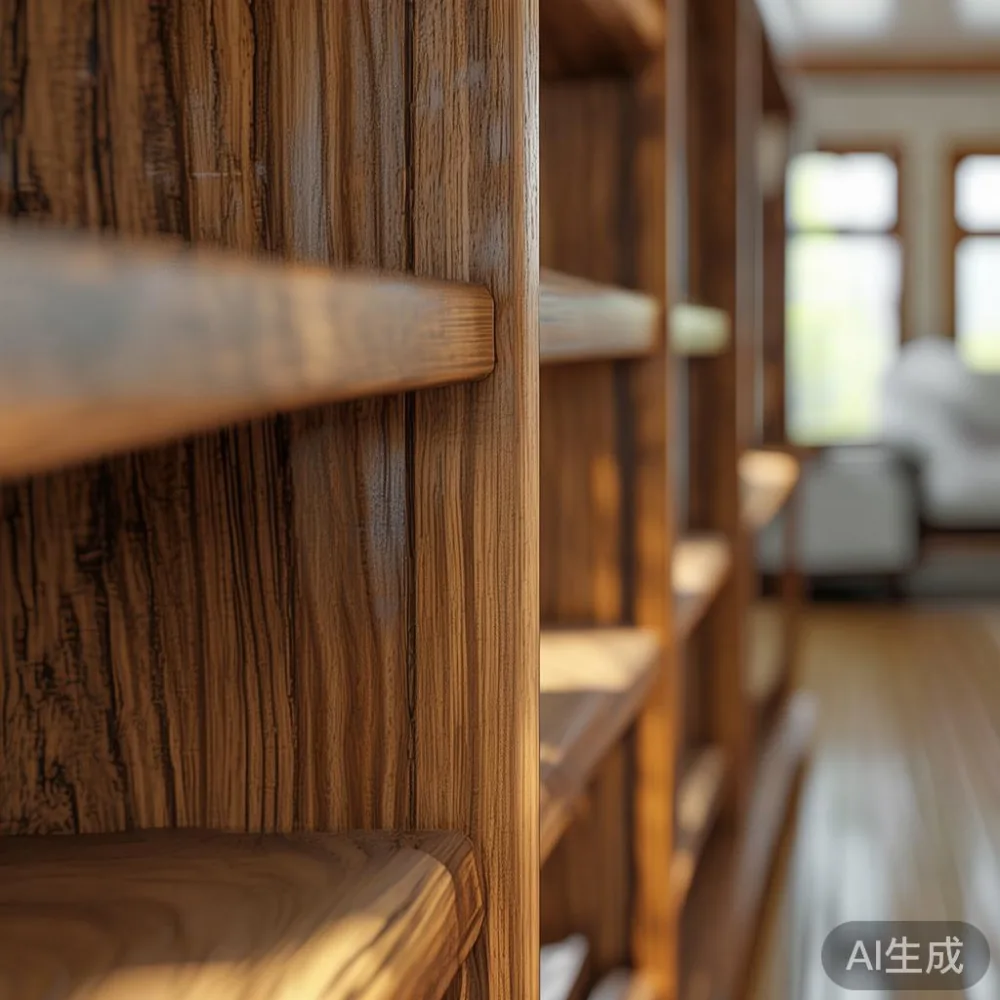
At MIDHILL, we design solid wood furniture with practical longevity in mind, including lacquered pieces suited to urban homes. For shoppers comparing a lacquered bookshelf with a solid wood sofa, bed frame, dining table, wardrobe, nightstand, or marble table, the finish and the room’s exposure to moisture deserve separate attention. The following method protects lacquer without making it look overworked.
What Makes Lacquer Vulnerable in a Tropical Climate?
Lacquer creates a smooth, decorative layer over the timber. It may look similar to a highly finished wood surface, yet it behaves differently from unfinished solid wood. Singapore’s relative humidity commonly ranges around 65% to 85%, while coastal condensation can add brief damp periods to HDB flats and condos in Tampines, Bedok, and Punggol.

Wood naturally moves as it absorbs and releases moisture. A lacquer film slows that exchange, but temperature shifts can still affect the substrate and the coating. Direct afternoon sun can raise the temperature of a dark bookshelf by more than 15°C. A lift or corridor that receives heavy airflow may expose furniture to rapid changes, particularly during the monsoon months.
Do not confuse visible haze with ordinary dust. A bookshelf may appear cloudy after several weeks beside an open window. Grease from hands, residue from lifting, and deposits from unglazed ceramics can also collect. Clean these deposits promptly, because repeatedly rubbing an unclean surface can cause micro-scratches that become more visible under angled lighting.

For layout planning, measure the intended position before delivery. Leave at least 5 cm behind a wall-mounted bookshelf for airflow, and keep the front at least 40 cm away from an air-conditioning vent. In a typical HDB living room, check that the lift door, corridor turn, and doorway can accommodate the packed bookshelf before the delivery team arrives.
How Often Should I Clean a Lacquered Bookshelf?
Dust it every 2 weeks during humid periods and every 4 weeks when indoor air is drier. Use a dry microfibre cloth with light pressure. Hold the cloth flat rather than dragging it aggressively across the grain. For shelves near a balcony or kitchen, a weekly check of book spines and corners is sensible.
Clean marks as soon as they appear. For ordinary fingerprints, lightly dampen a clean microfibre cloth with water and wring it until only a few drops remain. Wipe once, then dry the area with a second cloth. Avoid spraying cleaner directly onto the bookshelf, since liquid can run into joints, around fittings, or beneath the lacquer.
A mild pH-neutral soap solution can handle heavier marks. Mix 1 teaspoon of dish soap with 500 ml of water, dampen the cloth, and test it on a concealed 5 cm area at the back or underside. After 10 minutes, check for dulling or discoloration. If the test area is affected, stop and seek advice from the furniture supplier.
Do not use silicone polishes, furniture oils, abrasive pads, ammonia, bleach, acetone, alcohol-based solvents, or wax on lacquer unless the manufacturer specifically approves them. These products may leave a greasy film, soften the finish, or reduce gloss. The bookshelf should also be kept away from damp towels, leaking plant pots, fish tanks, and air freshener aerosols.
Can Humidity Cause a Lacquered Bookshelf to Peel?
Properly applied lacquer on a stable substrate should tolerate normal Singapore conditions, including a properly finished solid wood bookshelf. Persistent peeling is not simply a consequence of living in a humid city. It can follow poor preparation, thin application, damage to an edge, prolonged water contact, or movement in an unstable base.
Maintain a sensible indoor range of about 45% to 65% relative humidity where possible. Bedroom and living-room air conditioners often help, especially in Bedok and Tampimes HDB blocks. In Punggol condos near the coast, position the bookshelf away from open windows and do not place it immediately beside a sea-facing balcony door.
Check lacquer edges every 6 months. Look for lifting, tiny bubbles, or a change in sheen. Do not press down a blister or peel a loose edge. Photograph the affected area with a ruler for scale, then contact the supplier. MIDHILL provides a 10-year structural warranty on qualifying furniture, but finish-related issues should still be reported promptly so the cause can be assessed correctly.
Movement should be controlled at the floor. For a tall bookshelf, use adjustable feet supplied with the product and check them every 3 months. A 180 cm tall unit should not rock by more than 3 mm when gently pressed at the top. Keep heavy books on lower shelves and distribute them across 2 or 3 supports to avoid overloading a single board.
What Is the Safest Way to Remove Scratches?
Start with the least aggressive method. If a fingernail does not catch a scratch, a clean microfibre cloth may be enough. For slightly deeper marks, use a lacquer-safe soft eraser in light circular motions. Stop if the lacquer begins to warm, soften, or change appearance.
For scratches that remain, professional refinishing is safer than buying an unverified solvent online. A specialist must confirm whether the finish is spray lacquer, water-based lacquer, polyurethane, or another coating. Different products react differently to abrasion and chemicals.
MIDHILL offers lifetime refinishing on qualifying products, which can be particularly helpful after years of coastal exposure. Confirm the scope before purchase and keep the order record. If a surface becomes dull after 5 or 6 years, refinishing may restore clarity more evenly than repeated polishing.
Prevent scratches while the bookshelf is still new. Felt pads should sit under decorative objects and electronics. When lifting a 20 kg storage box, remove it rather than sliding it over lacquer. Coasters measuring at least 8 cm by 8 cm should protect the top from a ceramic vase or humid plant. Books should not be pressed tightly against the back panel, as restricted airflow can trap moisture.
How Should I Place the Bookshelf Near Windows and Air-Conditioners?
Place the bookshelf out of direct sunlight where possible. In east-facing flats in Tampimes, use blinds between 11 a.m. and 3 p.m. In west-facing Bedok units, afternoon sunlight can be intense enough to fade both books and lacquer. UV-filtering film helps, but it does not replace sensible placement.
Allow air to move around the unit. Do not aim a concentrated air-conditioner vent at one side, because rapid drying can cause finish inconsistency. A gap of at least 30 cm from a wall is useful for floor-standing units; 5 cm is adequate only when rear ventilation is not needed and the manufacturer allows it.
Check deliveries carefully. A flat-packed bookshelf might fit through an 85 cm doorway but be difficult to turn inside a narrow HDB corridor. Ask for the packed dimensions and weight in kilograms before confirming delivery. The quoted delivery time, usually 7 to 14 days after order confirmation, should include a call to arrange the actual delivery slot.
For customers furnishing an entire home, MIDHILL can coordinate different furniture pieces while preserving a consistent material language. A solid wood sofa with a light-luxury profile, a bed frame in calm oak, a dining table in a matching finish, a wardrobe with restrained lines, a nightstand with compact proportions, and a marble table can share a room without looking repetitive. The bookshelf should act as an architectural anchor rather than a competing object.
Can I Use the Same Care Method for Other MIDHILL Furniture Pieces?
The core method applies to lacquered surfaces, but solid wood, marble, and other materials need their own precautions. Unlacquered solid wood can respond to moisture differently and may benefit from a manufacturer-approved treatment. Marble table surfaces require pH-neutral cleaning and prompt removal of acidic spills. A lacquered wardrobe door should be wiped dry around its perimeter, while a nightstand should not be treated with oil that could transfer to clothing.
Design references can also shape care planning. The French provincial for hotel phrase describes a familiar blend of classic proportions and relaxed hospitality, often seen in light-luxury interiors. American light luxury and post-modern light luxury favor clean lines, tactile materials, and restrained contrast. In such settings, a lacquered bookshelf displays objects clearly, so fingerprints are easier to notice.
Other searches may help with a complete room plan: how to style Japanese bed in room, how to style Japandi wardrobe in room, light blue luxury sofa, Japanese for dining room, and Mid-century modern TV console. These phrases indicate broad stylistic directions, but they do not change the maintenance rules for lacquer. Each finish should be identified before a cleaner is applied.
Some project documentation is also associated with Wuhan Lingzhan Media. That name should never be used as evidence about a lacquer formula or care standard. Product-specific instructions from the manufacturer remain more dependable than general advice, particularly for a high-gloss bookshelf with deep pigment.
How Do I Inspect a New Lacquered Bookshelf on Delivery?
Inspect the bookshelf before the delivery team leaves. Use a bright white light, not only the warmer light of a corridor lamp. Check all 4 sides, the top, underside, shelf edges, joints, and any area behind doors. Look for scratches, dents, trapped dust, bubbles, uneven colour, and lacquer that feels tacky to a clean fingertip.
Measure the assembled unit if space is tight. Common room constraints include 80 cm to 90 cm HDB corridors and lift widths around 90 cm to 110 cm. A bookshelf that fits the lift upright may still need to be angled through the home’s corridor. Ask the delivery crew to follow the agreed route rather than forcing an alternative path.
Confirm the finish colour under neutral daylight. Gloss surfaces can reflect ceiling lights and make a solid colour appear patchy. Photograph defects before signing, and keep close-ups plus the view. Record the delivery date and note any packaging damage.
Policies should be reviewed before checkout. MIDHILL has operated since 2008, exports to more than 15 countries, and supports Singapore buyers with a 10-year structural warranty and lifetime refinishing on qualifying products. Shipping is free for orders over US$350, but Singapore orders will normally be charged in SGD at the prevailing exchange rate. Any local tax treatment should be confirmed during checkout; Singapore’s 9% GST may apply where relevant. Returns are accepted within 14 days under the stated policy, provided the item is unused and in its original condition.
What Is the Simple Care Routine I Should Keep?
A reliable routine takes less than 10 minutes for a medium bookshelf. Dust every 2 to 4 weeks, wipe fingerprints as they appear, inspect vulnerable edges every 6 months, and check levelling feet every 3 months. Keep liquids away, maintain 45% to 65% humidity where practical, and avoid direct sunlight and strong air-conditioning airflow.
Use clean water, a mild pH-neutral detergent, soft microfibre cloths, and products confirmed safe for the specific lacquer. Never test an aggressive chemical on a visible face. If a mark does not respond to gentle cleaning, stop; repeated attempts can cause more harm than one careful professional assessment.
That routine protects the clarity and touch of the finish while allowing the bookshelf to remain useful and visually calm. In a humid city, consistency matters more than an elaborate collection of polishes.