How Humidity Affects Solid Wood Bookshelves in Singapore
Singapore’s tropical climate can change the dimensions, joints and finish of solid wood furniture, especially inside HDB flats and condominiums where ventilation, air-conditioning and corridor access all shape the buying decision. A bookshelf may look stable beside a wall for months, then show bowed shelves, tight doors or a dull finish after several humid weeks. Understanding how humidity affects wood is the practical starting point for choosing furniture that suits Tampines, Bedok and Punggol homes rather than treating every wooden piece as if it belongs in a temperate showroom.
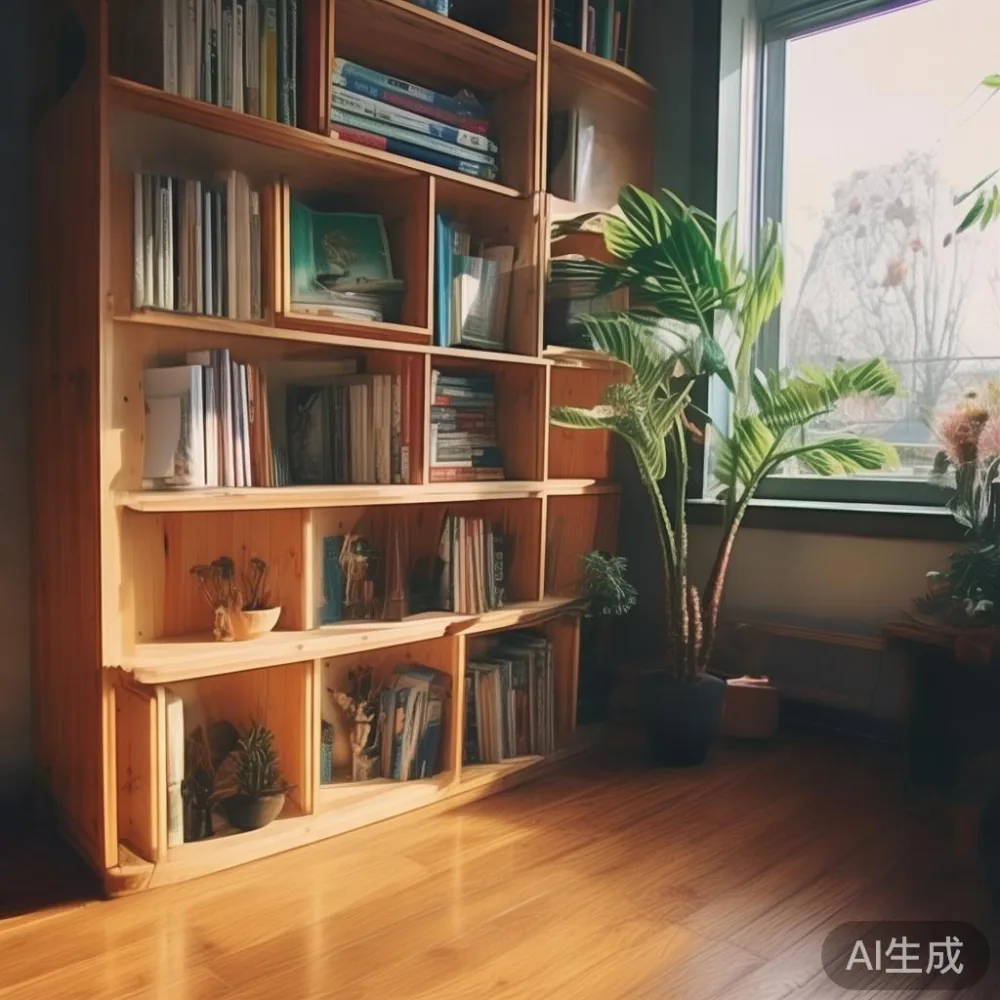
At MIDHILL, we design and manufacture solid wood furniture for homes across Southeast Asia and export to more than 15 countries. Our 10-year structural warranty covers long-term construction, while lifetime refinishing reflects the expectation that solid wood can be cared for, renewed and kept in use. A good bookshelf should therefore be selected for its timber, dimensions, load capacity, finish and delivery route—not from appearance alone.
What Singapore’s humidity does to solid wood
Wood is hygroscopic: it absorbs moisture when the surrounding air is humid and releases it when the air becomes drier. Southeast Asian conditions can keep relative humidity near 70–85% outdoors, especially during monsoon periods. Inside a flat, the range may still fluctuate between about 50% and 75% because air-conditioning dries the air at night while doors and windows admit humid air during the day.
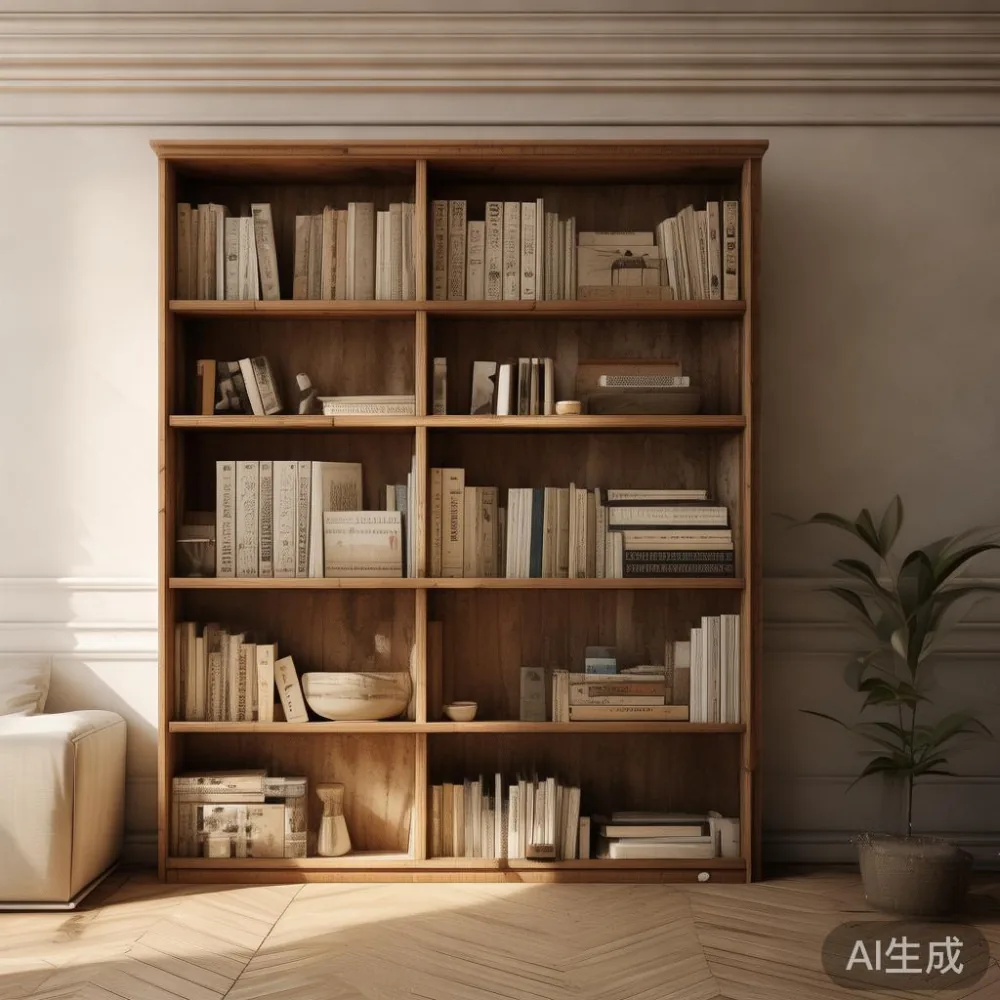
For a bookshelf, the visible changes are small but measurable. A solid oak shelf measuring 90 cm wide and 2.5 cm thick might expand by roughly 1–2 mm across its width as humidity rises. A 180 cm tall unit can move by several millimetres at its top. The timber can cup slightly, joints can tighten, and lacquer or oil finishes may appear cloudy if moisture reaches the surface too quickly.
The ideal indoor range is usually around 40–60% relative humidity. That does not mean Singaporeans need to run dehumidifiers continuously. It means the bookshelf should be installed away from persistent dampness, protected from direct air-conditioner vents and inspected if the home experiences sharp seasonal changes. Readings taken at shelf height matter more than a weather-app number for the room itself.
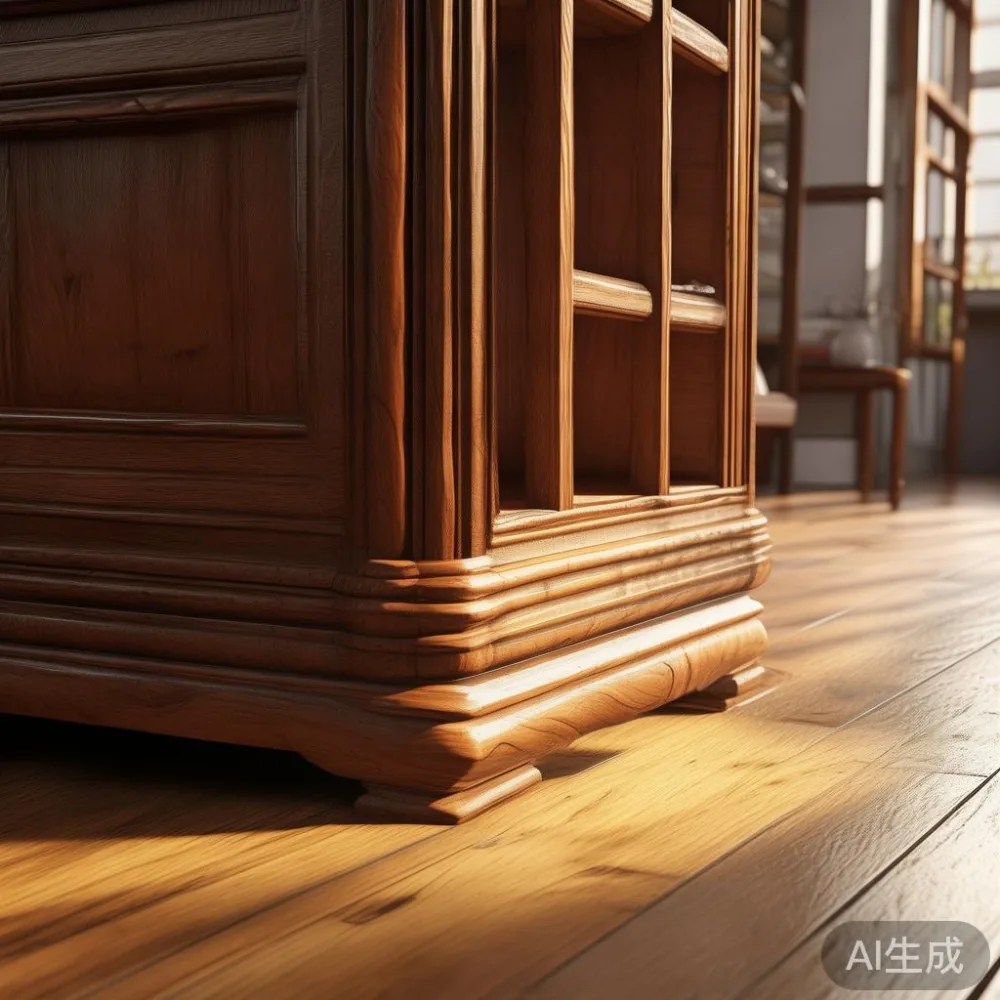
Temperature also matters. A living room that swings from 23°C at night to 32°C in the afternoon can stress joinery more than a steady 27°C room. Maintaining about 3–5°C of thermal stability and placing tall furniture on level flooring reduces movement. Expansion gaps of around 3–5 mm may be useful on wide shelves, depending on the construction and installation method.
How much space should a bookshelf need in an HDB flat?
HDB layouts make access as important as capacity. Before ordering, measure the lift door, lift car, staircase landing, corridor turning points and the intended room opening. A boxed bookshelf that is 180 cm high, 80 cm wide and 35 cm deep may be easy to carry through a 90 cm corridor, but its 35 cm depth can still be awkward around a 75 cm right-angled turn.
Leave approximately 5 cm behind the unit if the back is solid, more if wall fixings or cable access are required. Allow at least 30 cm of clear space above for measuring, cleaning and lifting the piece into position. A digital inclinometer placed on the floor can reveal a slope of 1–2%, but a 1 cm shim may be needed before the base sits securely.
In a Tampines HDB flat, a full-height bookshelf often works better against a straight wall rather than beside a bathroom or kitchen entrance. In Bedok, check afternoon sun through west-facing windows, which can heat and dry a surface at the same time humidity is high. Punggol homes near open areas may experience stronger air movement, so tall units should be restrained to the wall where the fixing method permits.
Keep heavy books on lower or middle shelves. A 30 cm deep shelf carrying 40 hardbacks, each weighing about 1.5 kg, may carry 60 kg. The shelf itself may weigh 12–18 kg, yet vibration from an air-conditioner or daily contact can affect stability. A wider base, rear restraint and discreet wall fixing are sensible safeguards for a unit above 150 cm.
Which timber suits Singapore’s humid conditions?
Solid wood does not mean “immune to humidity.” Oak, ash, beech, walnut, teak and other species respond differently, and factory treatment matters as much as the species name. A kiln-dried board stabilised to around 8–12% moisture content, finished on all faces and assembled with tolerances for seasonal movement, has a strong foundation for humid use.
Teak has a natural reputation for outdoor durability, but indoor solid teak still needs sensible care. Oak and ash have clearly visible grain and commonly suit French light luxury or post-modern light luxury interiors. Walnut offers a darker American light luxury character, while its response to moisture remains comparable to other hardwoods. The finish and joinery should be assessed rather than relying on a regional nickname.
MIDHILL can supply a bookshelf with a clear solid wood specification, from board dimensions to moisture treatment and finish. Look for tolerances that allow movement instead of extremely rigid constructions that trap tension. Dovetails, dowels and properly engineered mortise-and-tenon joints can remain stable, but even good joints should not be expected to compensate for a persistently wet wall.
For light-luxury homes, restrained grain, slim profiles and warm finishes can complement cream walls, limestone-look surfaces and brushed metal. This is the same design logic used for a solid wood sofa, bed frame, dining table, wardrobe, nightstand or marble table: material quality and proportion matter, but each must also work with the room’s conditions.
How should a bookshelf be installed and cared for?
Leave new furniture in its packaging for the period recommended by the maker, and avoid opening it immediately in a room that is already very humid. Acclimatisation should be gradual. Inspect the boards, corners and joints, then wipe with a soft, slightly damp cloth rather than soaking the timber.
Place the bookshelf at least 20–30 cm away from exterior walls that show condensation, and do not position it directly below a window air-conditioner. If a refrigerator or drinks cooler sits nearby, allow around 10 cm of ventilation space where the manufacturer recommends it. Use a digital hygrometer costing about SGD 20–40 to check conditions, and record readings at morning and evening times for 7 days.
For dust, use a dry microfibre cloth or a cloth lightly dampened with water. Wipe along the grain and dry each section immediately. Avoid steam cleaners, abrasive pads, bleach and furniture polish containing silicone unless the finish supplier specifically permits them. Oils may need refreshing at different intervals from lacquer; a satin-finished shelf may need attention every 12–24 months, depending on use and sunlight.
Books can introduce their own moisture and weight. Keep damp magazines and newly washed cloth away from the lower shelves, and avoid packing a unit tightly from floor to ceiling if air cannot circulate behind it. For a collection that changes often, adjustable shelves with metal or timber supports and pin supports at 5 cm intervals offer useful flexibility.
Can a solid wood bookshelf fit through my condo corridor?
Condominiums add another layer of planning because building management may require booking the service lift, protective floor coverings and a moving-in form. Measure the lift car on three sides: width, depth and door opening. Also check the ceiling height, because turning a tall bookshelf upright inside a low car may be impossible.
For example, a packaged bookshelf measuring 185 × 85 × 38 cm may enter a 110 × 140 cm lift diagonally, but it may not clear a 90 cm door when the carton is rotated. The diagonal must be calculated from the actual package, not the assembled dimensions. Ask MIDHILL for the final packed measurements before approving the order.
Some designs are more practical for high-rise living. A 120 cm-wide, 160 cm-high bookshelf with a 28–32 cm depth can look substantial while remaining easier to move. Others are delivered in sections with screws joined inside the room. This method can protect the finish and reduce the risk of scraping a corridor, but the completed unit must still be anchored properly above a safe height.
Use 4–6 mm cardboard or the supplier’s approved protective blankets in corridors. Lift the load rather than dragging it, and have a second person guide the far end. For stairs, check the carton’s centre of gravity and keep one person below the load. Delivery days are easier to arrange once access documents are settled in advance.
Why does coastal humidity change bookcase doors and shelves?
Humidity expands the carcass while flat panels can respond differently across their width, thickness and grain direction. A door may begin to catch at the top, while the shelf appears straight because it has enough clearance. Rattling doors can also result from seasonal movement, an out-of-square frame or hardware that was installed too tightly.
Do not force a swollen door with a screwdriver. Check whether the unit is level, whether nearby appliances are releasing heat or moisture and whether the finish has formed a tacky layer. A cabinetmaker can plane or adjust the hinge after the wood returns to a more stable condition. For a frequently used storage piece, a small adjustable hinge system is more serviceable than adhesive-only repairs.
Solid wood can be refinished because the surface layer can be renewed rather than replacing the whole board. MIDHILL’s lifetime refinishing policy is relevant here, although the exact coverage should be confirmed for the selected bookshelf and finish. It is a practical expression of longevity: care for the piece, maintain it and restore its surface rather than treating it as disposable.
Light-luxury styling should not add unnecessary vulnerability. For a tall unit, a French-inspired bookcase with fluted sides may benefit from lower humidity and consistent indoor conditions. An open oak design fits post-modern light luxury rooms, while walnut details can support American light luxury schemes. In every case, the furniture needs air circulation, measured access and appropriate restraint.
How do I choose humidity-resistant furniture without overthinking it?
Ask 6 specific questions before ordering: What species and board thickness are used? What is the target moisture content? Are all faces finished? Are expansion gaps included? What are the packed dimensions and gross weight? How does the warranty apply to movement, finish and structural failure?
The price should reflect these details. A mid-range solid wood bookshelf might cost SGD 680–1,500 depending on size, timber, finish and joinery; a larger wall system may range from SGD 1,800–3,600. Marble table tops can add another SGD 250–900, while a complete solid wood dining table often falls around SGD 1,200–3,200.
Buyers can search for guidance on how to style light luxury bed in apartment or compare a European light luxury bed vs Japandi bed, but the same discipline applies to a bookshelf: proportion, material and environment must agree. Research on how to style American wardrobe in bedroom or Rustic for guest room can help create a coherent home, yet furniture should still suit local humidity rather than copied from a drier climate.
Current product questions such as best Minimalist bed for 2026 or best Japanese bed for 2026 focus on appearance and layout, but they also remind buyers to check room dimensions and care needs. A bookshelf is no different. Ask about the project at midhillco if you need specification details, then confirm measurements directly with the team.
My colleague visited a Singapore apartment last month to inspect a timber display cabinet near an open balcony. The internal hygrometer read 73% at 4 p.m., while the hallway measured 59%. The cabinet’s lower rear edge had picked up moisture near a sliding door. We moved it 25 cm away, reduced the airflow from the balcony and monitored it for 14 days; readings at the back fell to 61–65%, and the movement at the top reduced from about 4 mm to 1 mm. The lesson was simple: installation location mattered more than an extra layer of polish.
What does a humid climate mean for delivery, returns and long-term ownership?
Singapore’s GST is normally 9%, and the displayed selling price should state whether GST is included. A bookshelf priced at SGD 1,200 before GST becomes SGD 1,308 when GST is added. Compare the landed and delivered figure, including lift booking or corridor handling if those services are chargeable.
Allow roughly 7–14 delivery days for a made-to-order bookshelf, with stock-dependent items potentially moving within 3–7 days. At MIDHILL, free shipping applies above US$350, but a Singapore quotation in SGD should make the local delivery threshold and any additional service clear before payment. Over US$350 is approximately SGD 460 at a reference exchange rate of about SGD 1.32 per US$1; the confirmed rate at checkout should be used.
Inspect the package on arrival. Photograph the carton, corners, shelf edges and doors before assembly. The 14-day return period should be treated as a practical checking window, especially for finish, fit and concealed damage. Assembly may reduce what can be returned, so confirm the condition requirements before unpacking hardware.
Choose a bookshelf that can be maintained, refinished and adapted. A 180 cm unit with 24–30 cm shelves and a load rating of 50–70 kg per shelf offers useful capacity; a 210 cm unit needs more restraint and careful handling. Confirm shelf spans and centre supports rather than relying on a generous-looking top board.
Humidity is not a reason to avoid solid wood. It is a reason to select properly seasoned timber, understand movement, protect the piece from dampness and give it an installation that suits the building. In an HDB flat or condo, accurate measurements, controlled indoor conditions and serviceable construction make the difference between furniture that ages gracefully and furniture that simply deteriorates. MIDHILL builds around that long-term view, supported by a 10-year structural warranty and lifetime refinishing for eligible pieces.