How Southeast Asian Humidity Affects Solid Wood Bookshelves
Singapore’s warm, humid climate can change the dimensions, joints and appearance of solid wood furniture even when every bookshelf is kept indoors. Relative humidity commonly ranges from about 65% to 85%, while air-conditioned HDB flats and condos may fall closer to 50% to 65% after cooling. That repeated difference matters because timber absorbs and releases moisture throughout the day.
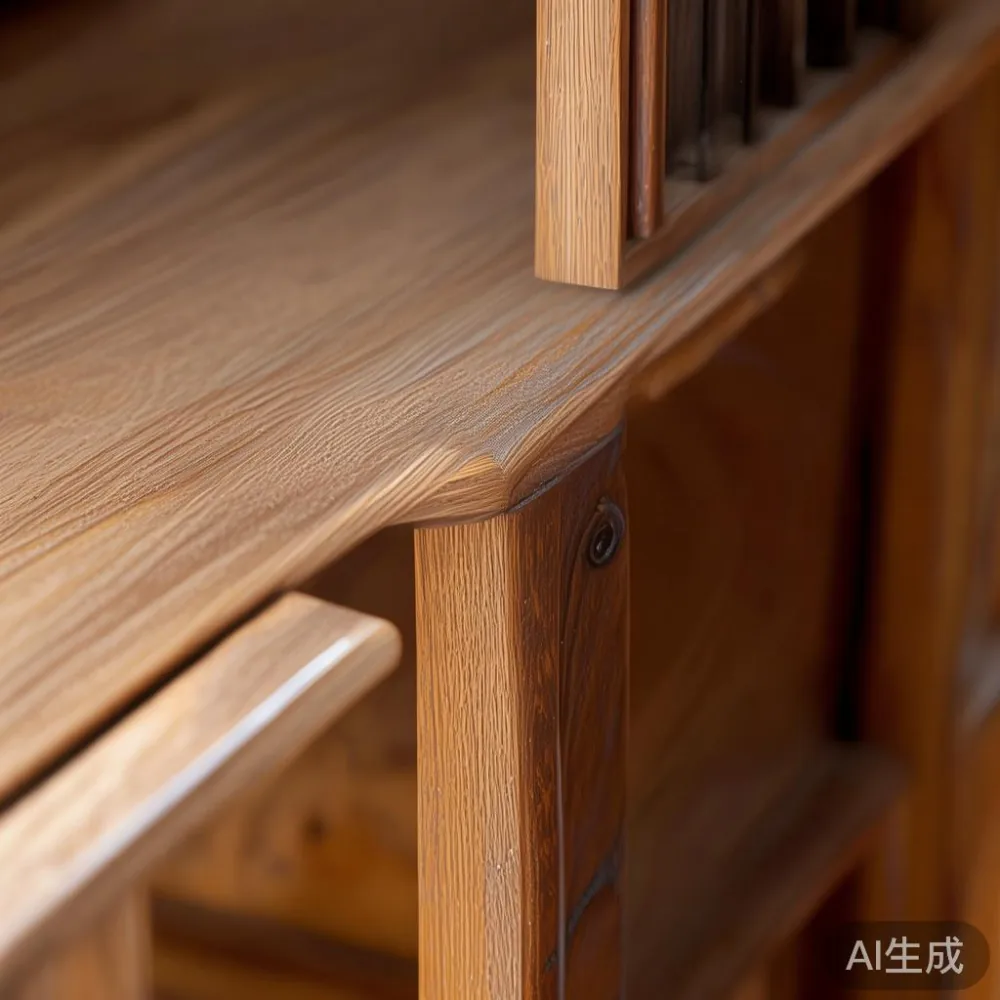
A well-made bookshelf should remain stable through this cycle rather than simply look impressive in a showroom. Wood species, panel thickness, joinery, finishing, ventilation and the distance from a wall all affect the result. The practical goal is controlled movement: allow the material to breathe, keep large moisture changes gradual and avoid trapped dampness.
Light-luxury design has a role here. French light luxury often uses pale oak and ash, while American light luxury favours warm walnut finishes. Post-modern light luxury can pair solid timber with clean lines and restrained metal details. None of those styles is moisture-proof by appearance alone; the construction behind the surface remains decisive.
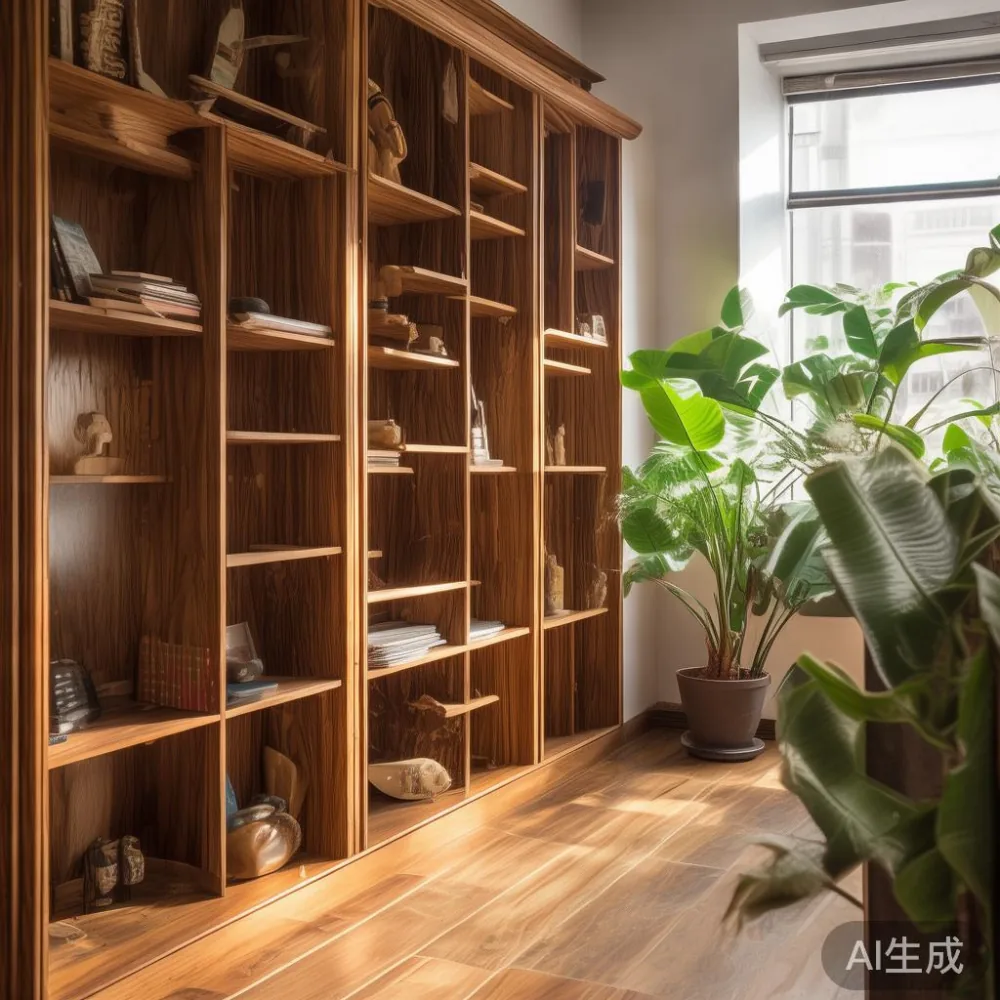
Why does humidity make a bookshelf move in Singapore?
Wood hygroscopicity means it naturally responds to surrounding humidity. At 75% relative humidity, suitable hardwood may contain roughly 8% to 12% moisture; at 55%, its target content can be closer to 7% to 10%. As moisture leaves the fibres, the board contracts across its width. Some movement along the grain is normal, but excessive changes can open shelf joints or encourage mould around a poorly ventilated back panel.
The strongest reaction occurs near windows, exterior doors, bathrooms and laundry areas. In an HDB flat, placing a tall bookshelf immediately beside a bedroom window can expose it to several hours of morning humidity. A condo facing an open corridor may experience a different pattern, but air-conditioning can create very dry periods instead. Rapid transitions between about 55% and 80% relative humidity are harder on timber than a stable 60% to 65%.
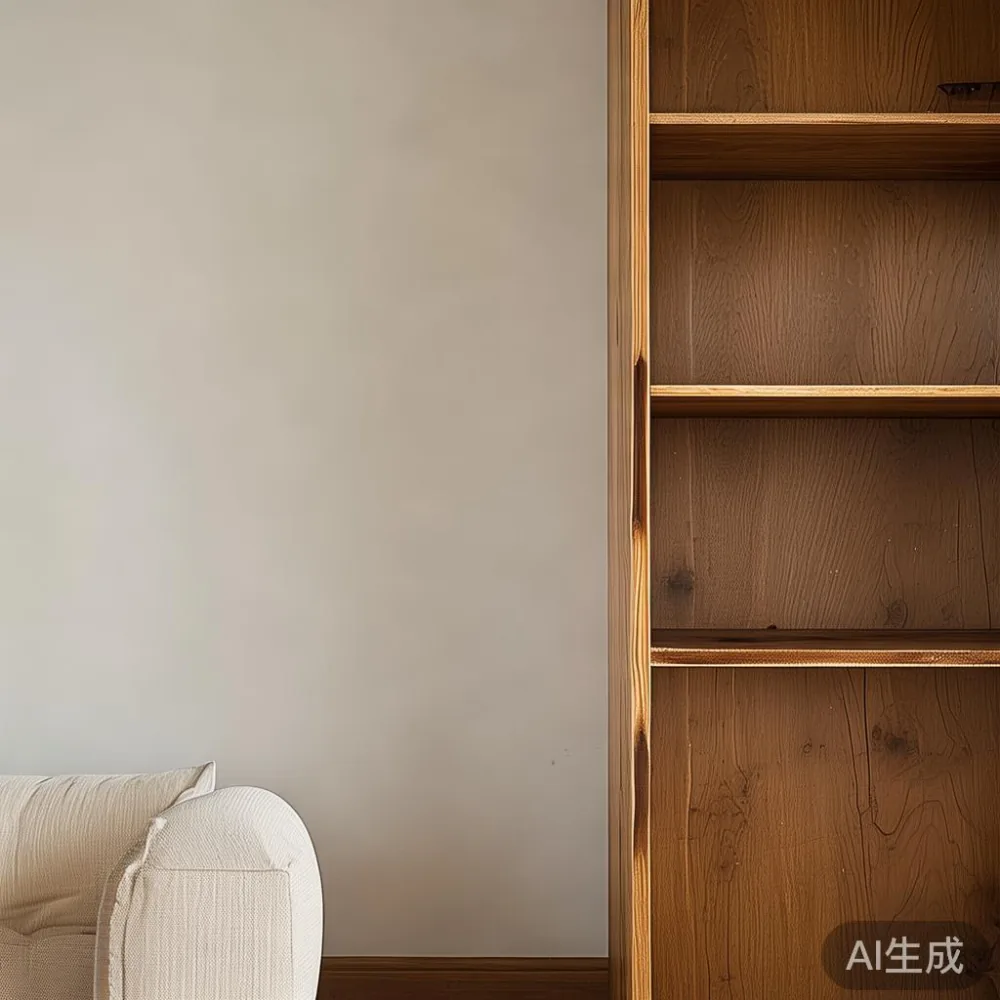
Last month I visited a customer’s 3-room Tampines flat after a shelf-pin incident. The solid wood bookshelf stood 180 cm high, 80 cm wide and weighed about 42 kg. Its rear sat only 2 cm from an air-conditioned wall, while a humid corridor door opened less than 1 metre away. A hygrometer recorded 78% beside the unit and 56% near the living-room dehumidifier. We moved it 8 cm from the wall, protected the adjacent wall with 1 mm spacers and added adjustable shelf pins. The frame did not suddenly stop reacting to humidity, but its movement became safer and more even.
Which solid wood species suit Singapore conditions?
No hardwood is completely unaffected by moisture. Stable, dense choices can still move less than highly responsive timbers, which is useful for a 180–220 cm bookshelf. Oak, ash, beech and alder are practical options when properly sealed. Walnut, teak and similar woods can work well, although teak’s oily surface does not eliminate dimensional change. Pine and softer decorative woods may show movement sooner.
Ask for the species rather than accepting a generic “wood” label. A supplier should also explain the intended indoor moisture range, typically around 45% to 65% in a conditioned Singapore room. Stable indoor conditions matter more than a single factory moisture reading. A board adapted to 45% and installed in an 80% corridor may respond much more sharply than one built for a local 55% to 65% environment.
Finish quality can slow moisture exchange without replacing good construction. A hard-wax oil or compatible water-based coating applied consistently to edges, backs and shelf surfaces can improve moisture resistance. Different finishes must not be mixed without checking compatibility. Seal exposed end grain, because unfinished horizontal timber absorbs moisture faster than the coated faces.
MIDHILL works with solid wood for complete room settings, including dining tables, bed frames, nightstands, wardrobes and solid wood sofas. That broader woodworking experience is relevant to a bookshelf: the same attention to grain direction, curing and fittings supports cabinet stability. Each finished piece also carries a 10-year structural warranty, with lifetime refinishing available under the stated policy.
How should I size and build a bookshelf for an HDB flat?
Measure the route before ordering. A 70 cm wide bookshelf with a 90 cm carton may fit through a typical HDB bedroom door, but corridor turns and lift depth can decide whether it reaches the room. Check the lift door opening, internal width and diagonal usable space. For the actual shelf, leave about 5 cm of clearance at each side where practical, and keep at least 2 cm from the wall if humidity is irregular.
Height changes stability. A 180 cm tall, 25 cm deep solid wood bookshelf might hold 70–100 kg under even loading. A 210 cm unit should use a wider base, anti-tip anchoring and fewer, heavier shelves where possible. The maker’s load rating matters more than a vague “strong” claim. Avoid standing it beside a corridor inside the home, where a person can brush past it while carrying boxes.
Lift and corridor constraints also affect delivery planning. Singapore local delivery commonly takes 3–7 days after confirmation; made-to-order pieces can require 35–60 days. Installation should be arranged separately from the dry run. If the package exceeds a lift or doorway limit, the installer can reassess the route rather than remove doors or building sections without approval.
Good joinery gives wood room to move. Prefer shelf pins, dowels and screws that allow controlled adjustment to dowelled construction that locks every joint into excessive restraint. A solid 18–25 mm side panel offers a balanced response, but dimensions should follow the design and span. Veneered back panels may provide dimensional stability when engineered correctly, though “solid wood” construction expectations should be stated clearly.
What is the safest finish for a humid Southeast Asian room?
Choose a finish suited to the actual sheen and use, not only its water-repellent label. Matte finishes often suit French light luxury or post-modern light luxury interiors; medium-sheen coatings suit walnut-toned American light luxury rooms. Penetrating oil remains attractive, yet routine care may be needed after heavy handling. Film finishes can be easier to wipe, provided all faces and edges receive suitable coverage.
Clean the bookshelf with a soft cloth, not a dripping one. Use pH-neutral wood cleaner after testing on a hidden area, and wipe excess moisture within about 10 minutes. Keep the unit at least 60 cm from an open bathroom door where possible. Coasters and felt pads protect other surfaces, although no coaster makes timber waterproof.
Dehumidifiers work best at steady levels. Set a portable unit to maintain approximately 55% to 60% if the room regularly exceeds 65%. Position its intake clear of furniture by at least 20–30 cm so that the unit is not drawing air across the bookshelf while missing the damp area. A basic hygrometer placed at shelf height gives more useful guidance than one near a vent or sunlit wall.
Do not seal damp timber aggressively. If a new piece arrives from a cooler warehouse, allow controlled acclimatisation in the intended room for 24–48 hours before loading books. Heavy books release very little water vapour, but they can concentrate loads across one span. Distribute them across shelves rather than stacking every volume on a single board.
How do I style a bookshelf without overloading it?
Shelf loading starts with dividing the estimated weight across the supported span. As a conservative planning guide, a 25 mm solid shelf should be used within the manufacturer’s span and load limits; those limits may differ from those of a 18 mm shelf. Do not infer suitability from appearance. The product specification should give shelf thickness, maximum span and recommended load in kilograms.
Books are usually not the main source of humidity, but paper can draw moisture during prolonged dampness. Leave small gaps between packed rows, and do not fill the unit to the ceiling if ventilation is weak. Decorative ceramics are heavy: a set of six stoneware objects may weigh 12 kg, while a 25 cm marble table can weigh 30–45 kg. Place such pieces on a lower shelf only if that shelf’s rating supports them.
A balanced arrangement can include paperbacks, framed art, baskets and light ceramics. Keep the air path around the back and sides as open as the design permits. The search for modern light luxury furniture is useful for finish inspiration, but the bookshelf remains an engineered storage product rather than a display surface for unrated stone.
For a Japandi or Japanese-inspired bedroom, a low cabinet might be preferable to a towering bookcase. A search for how to style Japanese bed in bedroom often leads to clean planes, neutral textiles and uncluttered circulation. If the bedroom also contains a bed frame, nightstand or wardrobe, match the wood tone while accepting that boards move at different rates.
Larger design decisions should also be evaluated with room context. A guide comparing a European sofa vs Italian light luxury sofa can help establish language for finish and proportion, but sofa upholstery does not govern a timber shelf’s moisture response. Likewise, research into the top 10 Vintage furniture styles may introduce attractive mixed woods; older pieces need species, insect and moisture checks before loading.
Can humidity damage a delivered solid wood bookshelf?
Properly built furniture should tolerate normal indoor variation, but a very tall unanchored unit remains a safety risk in any room. For a child under 5 years old, keep climbable chairs away and make sure the bookshelf is fixed where required. In a Punggol or Bedok condo, large glazed doors and strong air conditioning can create a 20-percentage-point swing within one hour. Do not combat that swing by varnishing the unit twice.
Ask the supplier to document the moisture range, timber species, finish, shelf loading and anchoring method. A 10-year structural warranty, as offered by MIDHILL, should be explained in writing alongside expected care and exclusions. Lifetime refinishing is also distinct from a warranty against every moisture-related movement; abrasion, water exposure and unstable storage are different conditions.
What should I check before ordering a bookshelf?
A useful specification includes dimensions, internal clear width, shelf thickness, net weight, load per shelf, timber species, finish and back-panel construction. Confirm the exact finished height and total load before delivery. These numbers prevent a 60 cm wide unit from creating problems in a 58 cm alcove or giving books insufficient space after side panels are added.
For style-led homes, compare restrained European light luxury designs with lighter Japandi forms. Searching for the best European light luxury wardrobe for 2026 is useful for understanding pale-oak interiors and matching finishes, although a wardrobe and a bookshelf have different movement patterns. Searching for the best Japandi bed for 2026 can similarly help define low-profile bedroom proportions. The exact phrase can inform color samples, but dimensions and climate performance come first.
Budgets should include protection and installation rather than relying only on the headline price. A local solid wood bookshelf may cost SGD 680–SGD 1,850 depending on height, depth, timber and finish. White-glove delivery to Singapore commonly adds SGD 80–SGD 180 when the access route requires extra handling. A free shipping threshold over US$350 applies to qualifying international orders, not automatically to every SGD 680 local purchase.
Return terms are easier to apply when the solid wood bookshelf remains unused, in its original packaging and at its delivery condition. MIDHILL provides a 14-day returns window under the applicable policy. Custom sizes or selected finishes may carry specific conditions, so read them before production. For commissions above SGD 2,000, request a written dimension and access plan before paying the balance.
Long-term care is simple: maintain roughly 50% to 65% relative humidity, check the unit twice a year, dust gently, keep direct moisture away and respond early to sticking doors or loose shelf pins. With suitable wood, sound construction and disciplined indoor humidity, a bookshelf can support years of daily use while retaining the calm character expected of American light luxury, French light luxury and post-modern light luxury homes.