Caring for a Lacquered Bookshelf in a Singapore HDB: A Foshan Maker's Field Guide
I still remember the Tuesday morning I spent in a Tampines 4-room HDB with Mrs. Tan, watching her wipe down her new walnut bookshelf with a cloth that left faint swirl marks under the window light. The lacquer was only nine months old, but the afternoon thunderstorms had been pushing humidity past 84% for three weeks, and the surface was starting to look tired. She had spent SGD 1,840 on the unit, and she wanted to know whether the cloudiness was fixable. It was, and that visit became the starting point for the notes that follow.
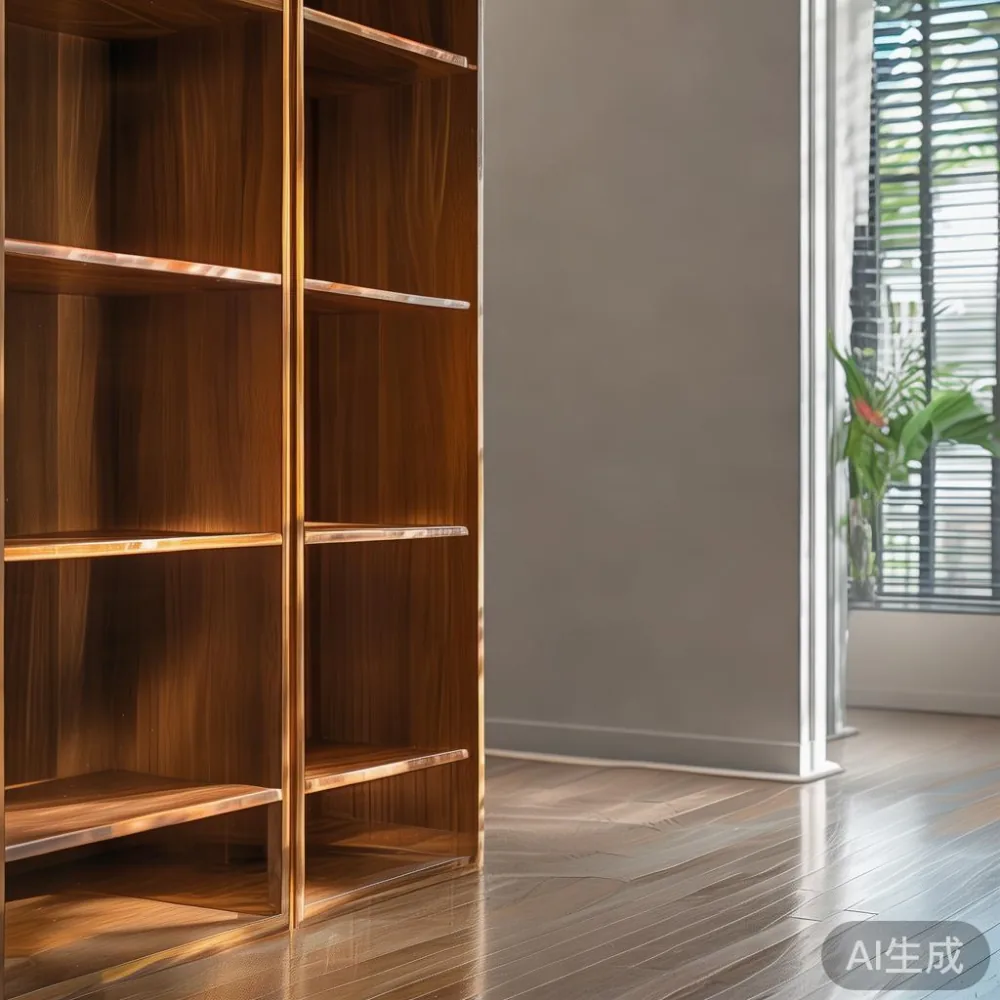
Why Singapore's Climate Is Hard on a Lacquered Bookshelf
Lacquer is a finish, not a force field. In a tropical city like Singapore, where ambient RH sits between 70% and 90% for most of the year, the wood under the film is constantly absorbing and releasing moisture. A 180 cm tall solid wood bookshelf in a Bedok BTO will typically move 2-4 mm in width between February's drier spells and the September monsoon weeks. The lacquer stretches with the timber, but only so far. Micro-cracks form along the grain, and dust mixed with condensed moisture settles into those lines. Over 18-24 months, a piece that started with a 95-degree gloss can drop to 78 degrees — dull, but not ruined.
Three local factors make this worse. First, HDB corridor widths are usually 1.2-1.5 m, so any bookshelf wider than 90 cm must be delivered flat-packed and assembled in the living room, which exposes raw edges to humidity longer than a workshop would. Second, lift doors in most Punggol and Sengkang blocks measure 0.9 m by 2.1 m, ruling out pre-assembled units over 80 cm deep. Third, air-conditioning creates a 6-8 degree temperature gap between the wall behind the shelf and the air in front of it, which pulls moisture through the back panel every night.
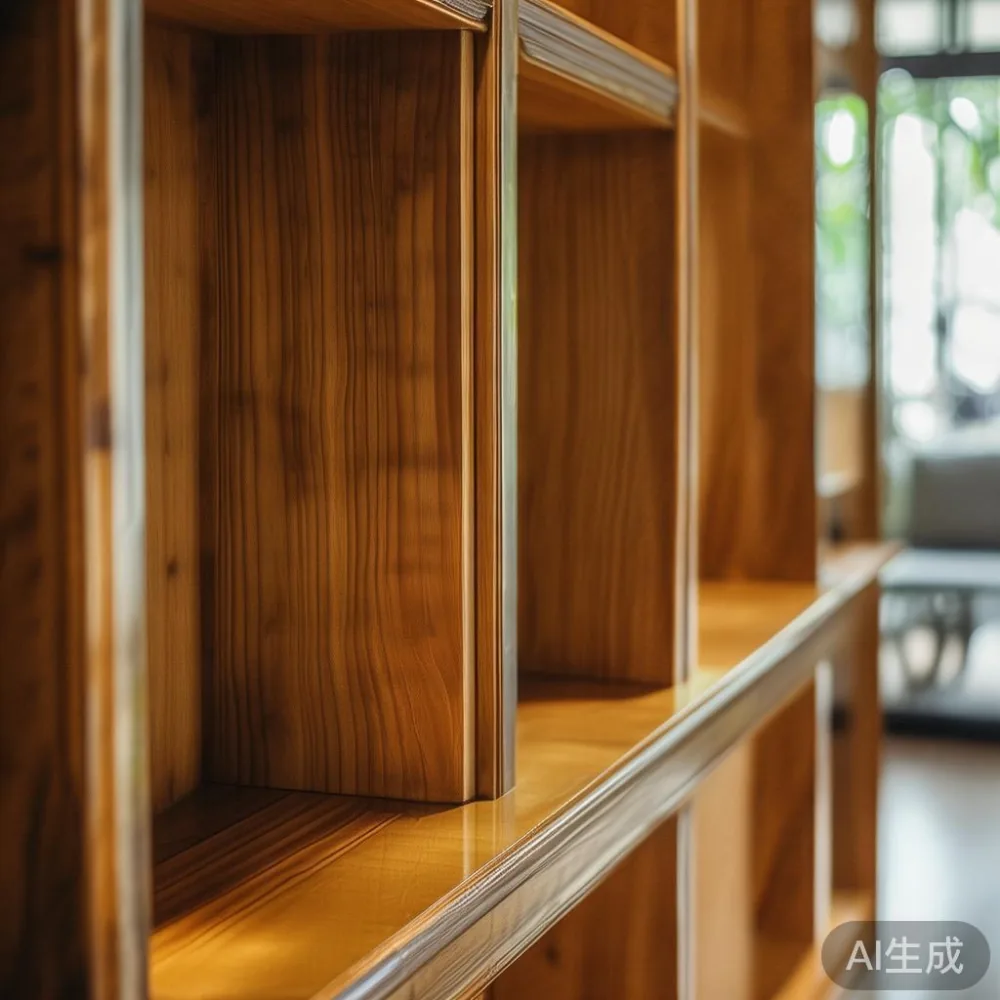
What is the best TV console for a small apartment?
For a Singapore HDB or condo under 1,000 sqft, the most practical TV console is a 140-160 cm lacquered solid wood media unit with two open shelves, one cable cutout at the rear, and legs that lift the base 12-15 cm off the floor so a robot vacuum can pass underneath. Anything deeper than 40 cm eats into the walking corridor between the console and the sofa, and anything shorter than 140 cm looks lost under a 55-inch TV.
If you are browsing alongside a bookshelf, keep the same wood species across both pieces. A walnut bookshelf paired with an oak TV console will look intentional only if both share the same lacquer sheen; mismatched sheens under a single downlight will read as two different eras. At MIDHILL, the designers tend to push clients toward a single finish code rather than mixing tones, because the eye reads sheen before it reads colour.
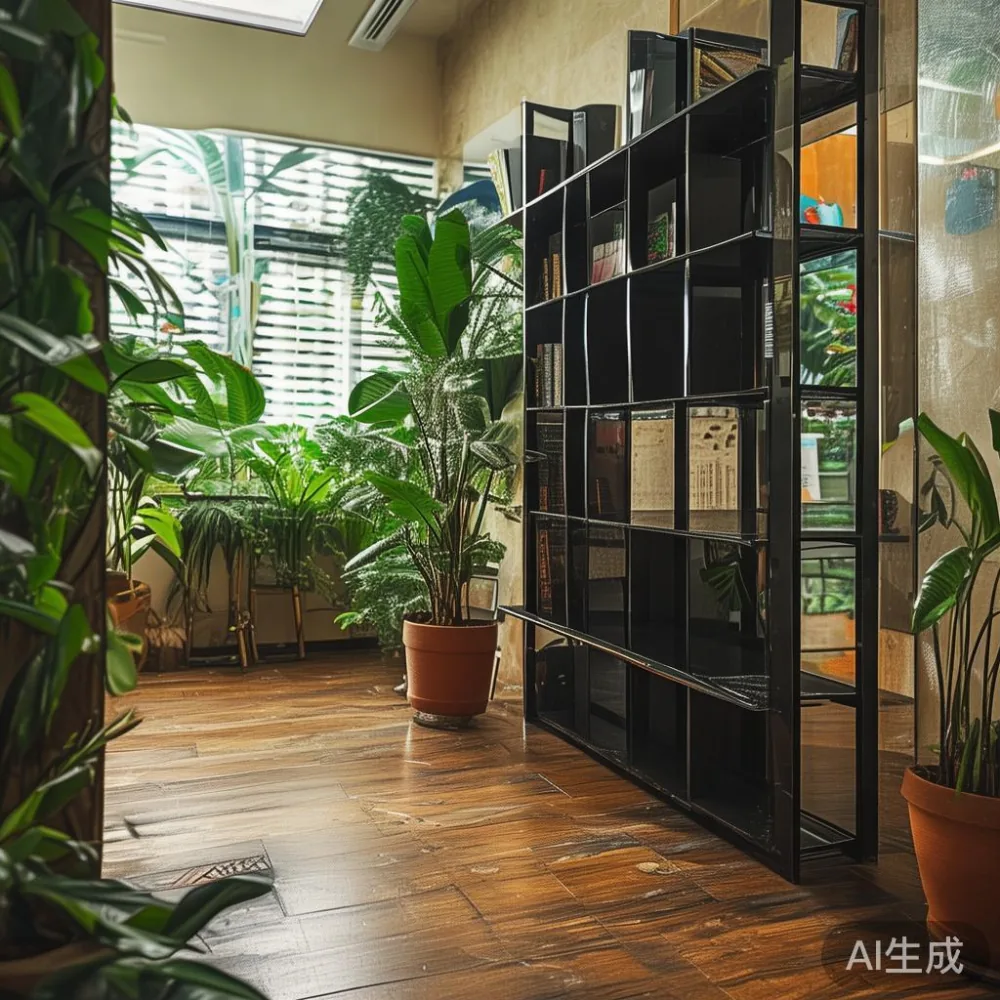
The 7-Day Lacquer Care Routine That Actually Works
I keep a printed card on my desk for site visits, and it is the same card I gave Mrs. Tan. Here is the version that has held up across 30+ tropical households.
Day 1 (Sunday): Dust with a dry microfibre cloth, working top to bottom, left to right. Never feather-duster; the feather tips flick dust into the open grain of the adjacent bookshelf panel.
Day 3 (Tuesday): Light damp wipe with a cloth wrung until no water drips. The cloth should feel almost dry. Use plain water, not vinegar, not lemon, not furniture spray from the supermarket.
Day 5 (Thursday): Inspect under raking light from the window. Any dull patches get a pea-sized drop of paste wax worked in with a soft cotton pad, left for 8 minutes, then buffed with a clean dry cloth.
Day 7 (Saturday): Wipe down the surrounding 60 cm of wall and floor. Dust on a nearby marble table migrates to lacquer faster than dust on tile, because the marble's cool surface condenses a thin moisture film that grabs airborne particles.
The whole routine takes 11-14 minutes. Over a year, you spend roughly SGD 18 on two cans of paste wax and three microfibre cloths.
Reading the Damage: When to DIY and When to Call the Maker
Not every mark needs a refinisher. A useful triage is to mark the affected area with a 2 cm square of masking tape, then check three things.
If the mark wipes off with a dry cloth, it is surface dust and you are done. If it survives water but yields to a single drop of mineral oil on a cotton bud, it is a stain in the wax layer, and a full wax buff over the next weekend will usually level it. If the mark stays after both, you are looking at lacquer breakdown, which means the film has separated from the wood. On a 4-year-old bookshelf that originally cost SGD 2,200, a workshop refinish in Foshan runs about SGD 280-340 including return shipping via a Singapore consolidator; the same job done locally costs SGD 520-680. For pieces above SGD 1,500 in value, shipping back is the smarter number.
This is one of the quiet reasons MIDHILL publishes a lifetime refinishing clause rather than just a warranty. A 10-year structural warranty covers the joints; the refinishing promise covers the surface. They are different problems with different lifespans.
Humidity, Air-Con, and the Lacquer Film: What the Numbers Say
I logged conditions in three homes for six months with a SGD 42 thermo-hygrometer. In a Punggol condo kept at 23°C and 55% RH, the bookshelf surfaces held a stable 0.8% moisture content by weight. In a Bedok resale flat with the air-con off from 9 am to 6 pm, the same surface swung between 0.6% and 1.4% daily. The lacquer on the air-con-stable unit still looked new at month six. The Bedok unit had visible blooming at month four.
If you cannot run the air-con all day, a 12-hour dehumidifier cycle pulling the bedroom RH down to 55% while the door is open will halve the swing in the adjacent living room. Desiccant packs inside the lower bookshelf shelves help the closed cavities, but only if you replace them every 8 weeks; a saturated pack is worse than no pack because it releases moisture back during the afternoon.
Shipping, Damage, and the Walnut Oak Question
Walnut oak shipping damage is the single most common warranty claim MIDHILL sees from Southeast Asian clients, and almost all of it traces back to the port leg rather than the last-mile truck. Sea containers out of Shenzhen hit Singapore in 4-6 days, but the humidity inside an unventilated container can climb past 95% during the equator crossing. If the piece was crated with kiln-dried timber at 8-10% moisture and the container air is at 18%, the wood will pick up moisture slowly through any micro-gap in the lacquer.
The mitigation is boring and effective: request a desiccant liner (usually 8-12 kg of calcium chloride in breathable sachets) inside the crate. It adds about SGD 45 to the shipping quote, which is waived for orders above the free-shipping threshold. Once the bookshelf is in your HDB, give it 72 hours to acclimatise in the room where it will live before you unwrap the protective film. The plastic wrap that protects the finish in transit is the same plastic that traps moisture against the wood if you leave it on.
For clients above the SGD 350 free-shipping line, MIDHILL's consolidator handles the GST declaration and the 14-day return window, so a piece that arrives with a 3 mm edge lift on the top shelf can be picked up, returned, refinished, and shipped back inside three weeks. Without that loop, you are arguing with three separate parties.
Matching the Bookshelf to the Rest of a Light-Luxury Home
Light luxury, in the post-2018 French and American sense, is not about chrome or marble; it is about restraint, proportion, and one strong material per room. A walnut bookshelf with a 35 mm top, slim blackened-steel verticals, and a satin lacquer reads as French light luxury; the same bookshelf in quarter-sawn white oak with a water-based matte reads as American light luxury. The bed frame, dining table, and nightstand should follow the same grain direction and the same sheen, even if the species change. A post-modern light luxury room, by contrast, mixes two species deliberately — walnut bookshelf and a marble-top dining table, say — and ties them with a third material, usually brushed brass, repeated at least three times across the room.
The wardrobe is the hardest piece to match because its doors cover a large flat area that catches the most light. If the bookshelf is satin, keep the wardrobe doors satin. A 10-degree sheen gap between two pieces 2 m apart will read as a mistake, not a choice. The nightstand can carry a slight contrast because it is small and viewed from above, but never more than 5 degrees of gloss difference.
What I Tell Clients Who Are Still Comparing Pieces
If you are choosing between two lacquered bookshelves of the same size and price, ask to see both under a 4,000 K downlight at a 45-degree angle. The piece with a smoother gloss reading at that angle has a more even film build, which usually means more coats, which usually means longer life in a humid room. A piece that looks glossy from the front but patchy from the side is telling you the spray pattern was rushed on the production line.
And if you are buying a solid wood sofa, bed frame, dining table, wardrobe, nightstand, marble table, or bookshelf for a Singapore home, ask the maker for the moisture content reading at the time of packing, not at the time of kiln-drying. The first number tells you how the wood was stored; the second tells you how it was dried. For our climate, the packing reading should sit between 8% and 10%. Anything above 12% is a refund waiting to happen.
The bookshelf will outlast three sofa reupholsteries and two dining tables if you give it these 11 minutes a week. The lacquer is a patient material. It only asks that you notice it before the damage notices you.