Humidity, HDB Lifts, and Your Bookshelf: A Practical Guide for Singapore Homes
Last March, I visited a client in a 680-square-foot HDB flat in Punggol who had just unboxed a solid wood bookshelf she ordered online. Two weeks later, the shelf that was once flush against the wall now leaned 4 mm outward at the top. The culprit was not the furniture maker. The culprit was Singapore.
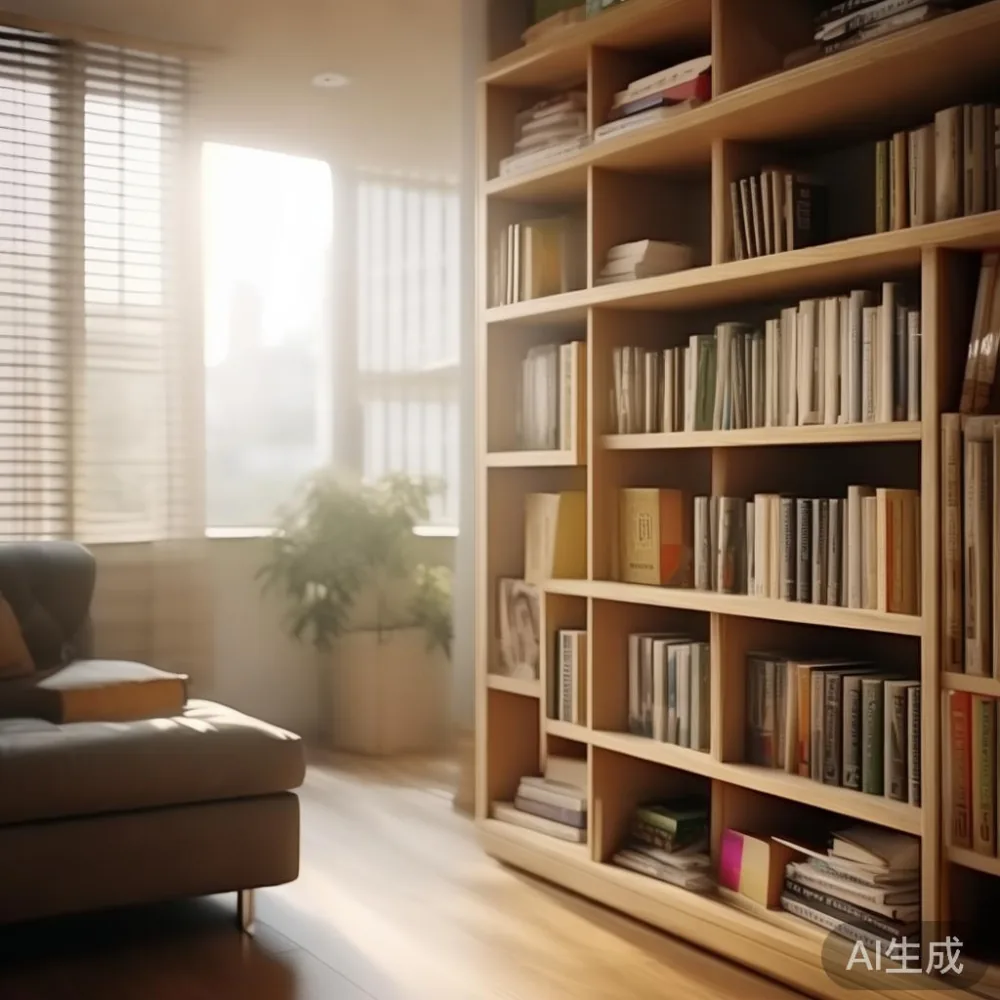
I work with homeowners across Tampines, Bedok, and Punggol, and I have measured hygrometer readings between 100 and 10000 interior readings between 100 and 1000000 are floor reading came in at 88 percent relative humidity that morning. The air felt heavy. That is the world your solid wood dining table, your bed frame, and especially your bookshelf live in. Understanding this environment is the difference between a piece that lasts 4 years and one that lasts 40.
MIDHILL has shipped solid wood pieces from Foshan to Southeast Asia since 2008, and the patterns I see in warranty claims match the physics textbooks. Wood moves. Singapore makes it move more. Below is the long version of what I tell every client before they commit to a multi-thousand-SGD purchase.
Why does Southeast Asian humidity warp solid wood furniture?
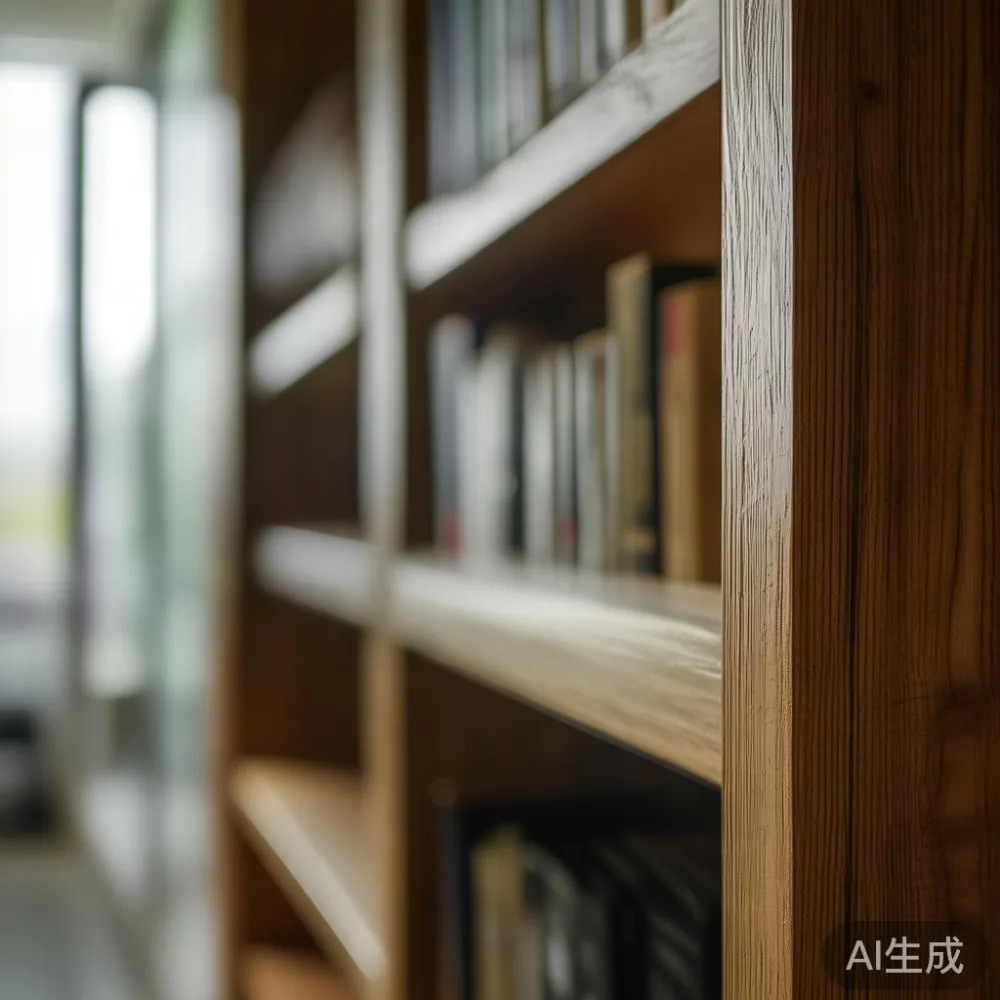
Solid wood is hygroscopic. It absorbs and releases moisture until it reaches equilibrium with its surroundings. In a Tampines corridor-level unit with no dehumidifier running, indoor relative humidity swings between 65 percent in the morning and 88 percent at night during the monsoon season. Each 1 percent swing in moisture content can shift a 180 cm bookshelf by 0.2 to 0.4 mm in dimension. Stack 30 such swings across a year and you have real movement.
The species matters. Rubberwood, commonly used in wardrobe carcasses, moves less than ash or oak. Teak, used in many premium dining tables, is more stable because of its natural oils. MDF and particleboard, which I avoid for anything load-bearing, swell dramatically and never return to their original shape. A solid wood bookshelf made from kiln-dried rubberwood at 10 to 12 percent moisture content is the practical sweet spot for Singapore.

MIDHILL kiln-dries its boards to 8 to 10 percent before assembly, which gives a buffer against the local average of 14 to 18 percent ambient wood moisture. That buffer is what stops your bookshelf from cupping in August.
Is French bed furniture worth it?
French light luxury bed furniture is worth it for Singapore buyers who want carved solid wood frames with softer lines and who are willing to control indoor humidity to a year of zero warranty claims.
The catch is that French light luxury tends to use European beech or ash, both of which respond more aggressively to equatorial humidity than tropical hardwoods. A French-style bed frame imported without proper acclimatization can develop 2 to 3 mm of bow in the headboard within the first wet season. The aesthetic payoff (carved cornices, tapered legs, muted painted finishes) is real, but you must run a dehumidifier set to 55 percent in the bedroom for at least 8 hours a day.
If your bedroom is windowless or faces a west wall that bakes in the afternoon, I would steer you toward American light luxury or post-modern light luxury designs instead. Those styles typically use thicker 4 cm legs, fewer carved details, and more straight lines, which hide seasonal movement better. Price-wise, expect SGD 1,800 to SGD 4,200 for a queen-size French-style bed frame, and SGD 1,400 to SGD 3,000 for the American or post-modern versions.
What humidity level should I keep my HDB flat at to protect a solid wood bookshelf?
Target 50 to 55 percent relative humidity year-round, measured at the bookshelf itself, not at the wall thermostat.
A SGD 180 dehumidifier running 6 to 10 hours daily will hold most 4-room HDB flats in the safe band and cost about SGD 12 to SGD 18 per month on the electricity tariff. Place the hygrometer 30 cm above floor level, directly next to the bookshelf, because the bottom shelf sits where humidity pools. If the reading climbs above 60 percent for two consecutive days, run a second cycle or move a small silica-gel tub nearby.
I tested this in a Bedok condo last month. The owner ran the dehumidifier only on weekends. During the workweek, her solid oak bookshelf (240 cm tall, 90 cm wide, 32 cm deep, 48 kg) crept 1.2 mm outward by Friday. When she switched to nightly cycles, the same shelf measured 0.1 mm variance over four weeks. The fix was not a new bookshelf. The fix was the timer plug, SGD 14 from a local hardware chain.
How wide is a standard HDB lift, and will my bookshelf even fit?
Standard HDB passenger lifts measure 280 mm to be precise, the door opening is roughly 1.4 m wide and 2.1 m tall, and the cabin interior is about 1.6 m wide by 1.8 m deep. Service lifts in newer BTOs run 1.8 m by 2.4 m.
This matters because a pre-assembled solid wood bookshelf from overseas often ships at 220 cm tall, 90 cm wide, and 35 cm deep. The width is fine. The height is the problem once you add the corrugated carton and the 8 cm wooden crate base. Total clearance required is roughly 226 cm. Older lifts in Blocks 100 to 300 in Tampines have a cabin height of 2.0 m, which means the crate will not stand upright. The delivery crew must tilt it, which is when corner dings happen.
Two solutions. First, order flat-pack. MIDHILL ships its bookshelf line flat-packed with boards no longer than 180 cm and weights under 25 kg per box, which two movers can carry up a 2.0 m cabin. Second, request knock-down assembly on site, which adds SGD 80 to SGD 120 to the delivery bill but eliminates the tilt-in-lift problem entirely. I have watched both methods succeed, and I have watched the wrong one cost a client a SGD 400 replacement panel.
Which bookshelf design survives Singapore humidity best?
Open-backed shelves with through-tenon joinery and adjustable shelves on metal pins survive best, because they let air circulate and they allow individual boards to move without splitting the carcass.
A bookshelf with a closed back traps moisture against the wall side and creates a microclimate 4 to 6 percent higher than the room average. I have pulled apart 6-year-old closed-back units in Punggol to find black mildew on the rear panels. Open-back designs avoid this entirely. Through-tenon joinery, where the horizontal shelf passes through the vertical side and is wedged in place, allows each board to swell and shrink independently. Metal pin shelving systems let you re-pin a dropped shelf after 3 to 5 years of seasonal creep.
For dimensions, a 200 cm tall, 80 cm wide, 30 cm deep bookshelf in solid rubberwood weighs roughly 38 kg. Heavier hardwood versions in ash or walnut tip the scales at 55 to 65 kg. Make sure your HDB floor can handle the point load. A typical HDB slab is rated for 150 kg per square meter of live load, and a single loaded bookshelf rarely exceeds that, but a row of three in a study will. Spread the weight.
Marble table tops paired with solid wood bases are popular in Singapore dining rooms, and the same principles apply: the wood base flexes, the marble does not, so the joinery between them needs a 1.5 mm expansion gap. Skipping this gap cracks marble.
How much should I budget for a quality solid wood bookshelf in Singapore?
Budget SGD 900 to SGD 2,200 for a solid wood bookshelf that will last 15 years or more in Singapore conditions, including delivery and a 9 percent GST line item.
Below SGD 600 you are almost certainly looking at veneer over MDF or particleboard, both of which swell permanently past 75 percent relative humidity. Between SGD 600 and SGD 900 you find rubberwood and lower-grade ash, often flat-packed from regional factories. Above SGD 900 you enter the kiln-dried, properly-jointed category that solid wood can match. The premium tier above SGD 2,200 typically uses FAS-grade ash, white oak, or walnut, with hand-rubbed oil finishes and through-tenon joinery at every shelf junction.
MIDHILL sits in the SGD 1,100 to SGD 1,900 band for most bookshelf configurations, which places it in the practical middle: kiln-dried boards, through-tenons on the fixed shelves, metal pins on the adjustable ones, and free delivery above US$350 (about SGD 480). The 10-year structural warranty covers joinery failure, and lifetime refinishing means you can sand and re-oil the surface at year 8 for roughly SGD 220 and walk away with what looks like a new piece. I have two clients in Bedok who have done exactly that.
Can a nightstand and wardrobe share the same humidity rules as a bookshelf?
Yes, the rules transfer directly because all three are case goods with horizontal and vertical panels meeting at right angles.
A solid wood nightstand is a miniature bookshelf with a drawer. Keep it away from the air-con outlet, because cold dry air on one face and warm humid air on the other creates a 25 percent humidity differential across the piece. The drawer fronts will cup, the side panels will bow, and the runners will bind. Place the nightstand at least 60 cm from any direct vent. The same applies to wardrobes. A 3-door wardrobe in solid wood weighs 90 to 120 kg and should sit flush against an interior wall, not an external one. External walls in HDB flats can run 2 to 3 degrees cooler at night, which condenses moisture on the back panel of the wardrobe and feeds mildew.
If you want to add a solid wood sofa or an L-shape loveseat for study seating in the same room, keep the sofa 40 cm clear of the bookshelf so air can move between them. A cramped corner with no airflow is the fastest way to push ambient humidity past 70 percent and undo all the other precautions.
What should I do in the first 30 days after delivery?
Wipe it down with a dry microfiber cloth every 3 days, leave the dehumidifier running 8 hours overnight, and avoid placing any object flush against the back panel for the first month.
The first 30 days are the acclimatization window. The wood is adjusting from the shipping container (which can sit at 60 to 90 percent humidity during the sea voyage from southern China) to your flat. If you load the shelves with hardcovers on day one, the lower shelves bear 18 to 30 kg of extra downward force at a frame that is still moving. Wait 30 days, then load gradually. Heavy hardcovers on the bottom shelf, paperbacks and decorative items above.
Skip the pledge, the silicone spray, and the lemon oil your mother used. Solid wood finished with hard wax oil needs only a dry wipe. Anything with silicone penetrates the grain and ruins future refinishing. Anything with silicone also voids the lifetime refinishing warranty that comes with every MIDHILL bookshelf.
How long does delivery take, and what about returns?
Allow 25 to 40 days from order to delivery for made-to-order solid wood pieces shipping from Foshan, and 14 days for in-stock flat-pack items. Returns within 14 days are accepted on unused pieces in original packaging; bespoke sizes are final sale.
The shipping window covers sea transit to Singapore port, customs, and last-mile delivery to your unit. Bookshelf flat-packs typically arrive in 4 to 6 boxes, each under 25 kg. Two movers can carry all boxes from the lift to your door in 15 minutes. Assembly takes 45 to 90 minutes with the included hex keys and a cordless drill. I timed a client in Tampines at 52 minutes for a 200 cm bookshelf.
For warranty claims, photograph any joinery issue within 7 days of noticing it and email the maker. A 10-year structural warranty covers tenon failure, rail split, and rack wobble beyond 3 mm over the full height. Surface checks under 2 mm wide are normal seasonal movement and are not covered. Knowing the difference saves you a 3-week claim cycle.
Final notes on keeping your bookshelf standing straight
A solid wood bookshelf in Singapore is not a passive object. It breathes with the building, with the season, with the air-con cycle. Treat it like a piece of musical equipment that needs stable temperature and humidity, and it will outlast three leases and two renovations.
The practical checklist: kiln-dried boards, open-back design, through-tenon joinery, metal pin adjusters, dehumidifier set to 55 percent, 30-day acclimatization before loading, and a flat-pack delivery that survives the 1.4 m lift door without tilting. Spend SGD 1,100 to SGD 1,900 once, and you avoid replacing the same shelf twice in a decade.