Humidity and Your Bookshelf: A Singapore Homeowner's Guide to Solid Wood Furniture Care
I still remember walking into a Tampines HDB flat last month, where a homeowner pointed at a six-month-old American oak bookshelf and asked, in a quiet voice, why one of the shelves had developed a gentle U-curve along the front edge. The flat was on the 12th floor, the windows were closed because the air-conditioning was running, and a dehumidifier was humming two metres away. The piece had not been soaked, scratched, or overloaded. The culprit was something far less dramatic and far more Singapore: the relationship between solid wood and humidity. If you have ever wondered why your dining table's panels no longer sit flush, why a wardrobe door rubs in August but not in February, or why the nightstand you bought from an overseas warehouse arrived smelling faintly of a warehouse in Johor, this guide is for you.
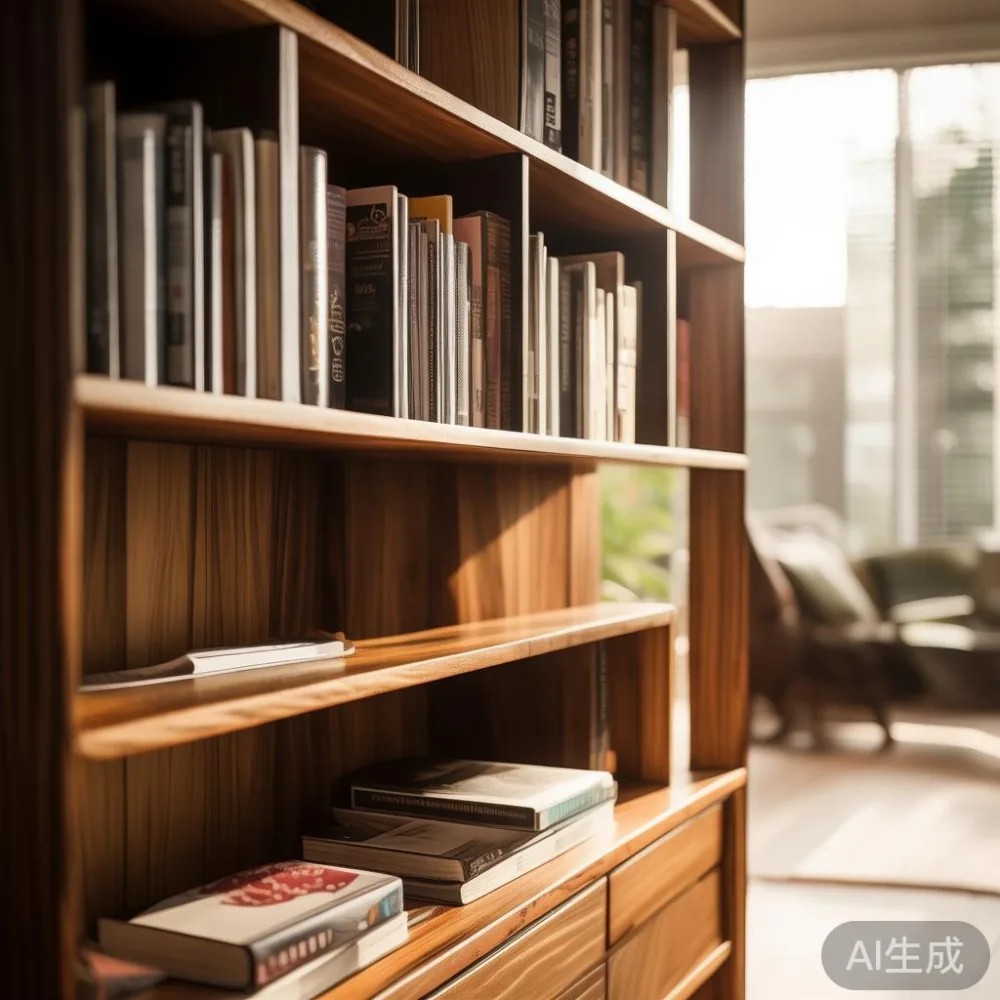
Singapore sits in a tropical climate that most furniture factories in temperate countries never have to design for. The average relative humidity hovers between 70% and 85% year-round, spiking to 92% during the December monsoon and rarely dropping below 60% even on a dry afternoon. Solid wood furniture — every bookshelf, every bed frame, every dining table, every wardrobe panel — is a hygroscopic material. It absorbs and releases moisture from the surrounding air for its entire life. When we design pieces for export, we test them in conditioning chambers set to 28°C and 80% RH, because those numbers describe a typical HDB bedroom, not a Copenhagen showroom. The geometry of a Singapore home also concentrates the problem. A 90 sqm HDB flat with three occupants, two bathrooms, a kitchen, and a dryer exhausting into a utility area behaves like a small greenhouse. If you are shopping for pieces such as a solid wood sofa frame, a bed frame, a dining table, or a marble table with a wooden base, the moisture question should be your first filter, not your last.
Why does my solid wood bookshelf warp in a Singapore HDB flat?
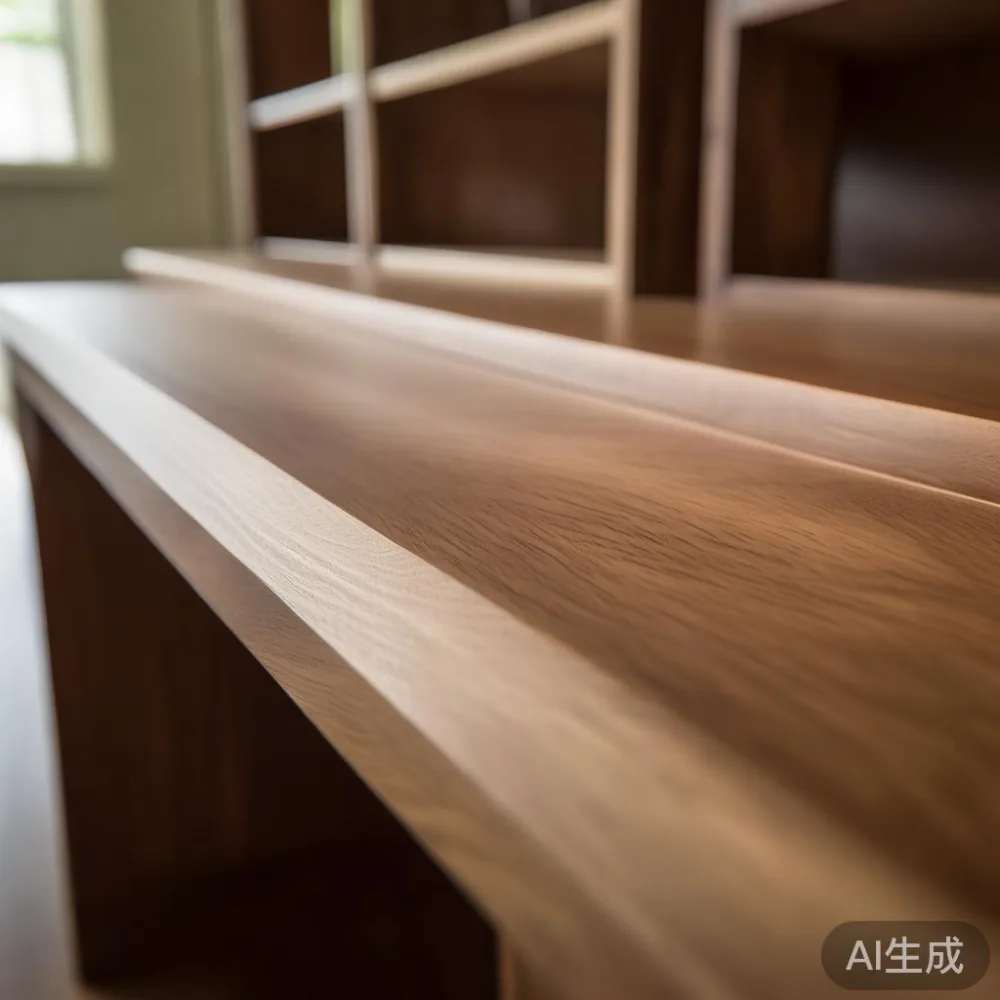
Warping is the most common complaint I hear from owners of solid wood pieces, and the bookshelf is usually the first casualty because it is wide, long, and front-facing. Three forces act on it. First, seasonal expansion: a 180 cm wide American white oak shelf can swell by 4 to 6 mm across its width when humidity climbs from 60% to 85%. Second, asymmetric drying: a bookshelf pushed against a feature wall in a Punggol condo with afternoon sun on the opposite side dries faster on its exposed face, so the wood cups toward the wetter side. Third, construction stress: a fixed shelf fitted with no allowance for movement will fight itself, and the wood wins. Quality makers design for this. At the MIDHILL workshop, every bookshelf longer than 120 cm is built with floating tenons and elongated holes in the side panels, so the shelf can slide 3 to 5 mm along its length with the seasons. If your current piece does not have that detail, you will see the symptoms within the first year, usually between October and January.
What humidity range keeps a solid wood bookshelf stable?
For most temperate hardwoods — oak, ash, walnut, teak, rubberwood — the comfortable range is 40% to 60% relative humidity at 22 to 26°C. Singapore lives outside that band on most days, so the goal is not to keep your house at 45% (which would feel dry and cost a fortune on the electricity bill) but to reduce the swings. A piece that lives at a steady 75% will be happier than a piece that ricochets between 55% in the afternoon and 88% at night. Practical targets for HDB living rooms: aim for 60% to 70% during the day, never above 80% for more than a few hours, and never below 50% in a fully air-conditioned bedroom. A SGD 80 thermo-hygrometer from any Tampines Mall electronics shop is the single best purchase you can make for a new bookshelf. Place it on the middle shelf, leave it for a week, and you will quickly understand what your furniture is actually living through.
How does humidity affect different pieces around the home?
Different furniture categories fail in different ways, and the bookshelf is only the entry point. A solid wood sofa frame with a sprung seat tends to creak in the monsoon because the rails absorb moisture faster than the upholstery-covered back, so the joints rub. A bed frame made from solid ash will develop hairline cracks along the headboard slats in dry months if the air-conditioner runs through the night. A dining table, especially a 200 cm European light luxury extension model, will jam in its runners in June and run loose in December if the humidity swing across the year is more than 25 percentage points. Wardrobes are the most forgiving because the doors are small and the carcase is enclosed, but a nightstand next to a bathroom can cup badly because the localised humidity spikes after every hot shower. A marble table top is dimensionally stable, which is why designers pair it with wooden bases — the marble locks the geometry while the wood breathes. When you are comparing an American for dining room option to a light luxury European alternative, ask the seller for the moisture content at the time of packing; anything between 8% and 12% is appropriate for a piece that will live in Singapore.
How should I prepare my home before a solid wood delivery arrives?
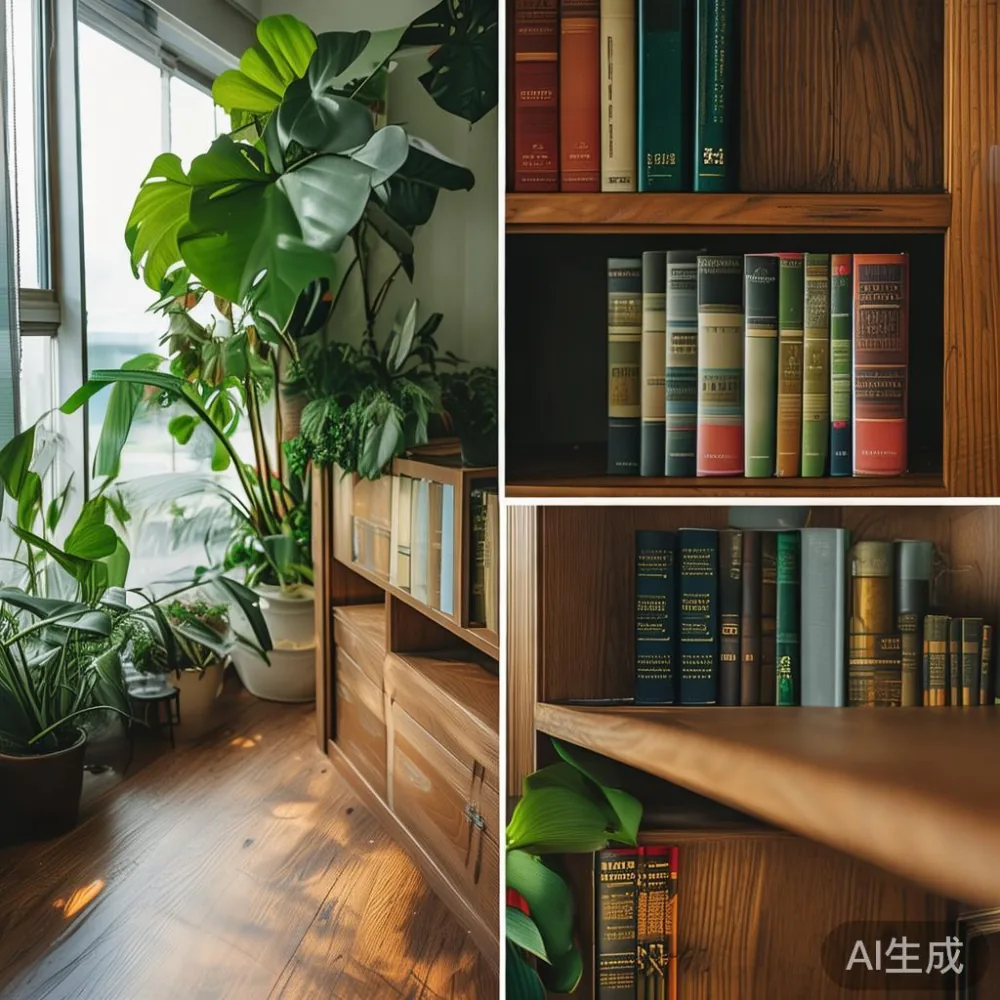
Delivery day is the highest-risk moment for a bookshelf, and the lift constraints of most HDB blocks make it harder than it looks. A standard HDB passenger lift is roughly 1.1 m wide by 1.4 m deep by 2.1 m tall, with a door opening of about 0.9 m. A 200 cm tall bookshelf will not fit flat; it has to be tilted, and the tilt angle is exactly the angle at which a poorly dried panel can rack permanently. Corridor widths in older blocks such as those in Bedok can be as tight as 1.2 m, so two delivery men carrying a 75 kg piece have roughly 30 cm of clearance on each side. Before the truck arrives, run the air-conditioner in the receiving room for at least four hours, close the windows in the rest of the flat, and check that the dehumidifier is set to 65%. Wipe down every panel with a dry microfibre cloth as soon as the boxes are open. Let the bookshelf sit uncovered for 24 hours before you load it with books; the wood needs that time to re-acclimatise to the room rather than the shipping container.
Which wood species handle Singapore humidity best?
Not all hardwoods are equal in the tropics. Teak, with its natural oil content, handles the 80% range with almost no movement, which is why vintage teak bookshelves from the 1970s still survive in Tiong Bahru walk-ups. White oak and ash are workable but move noticeably across a 30% humidity range. Walnut is the most temperamental — beautiful, but it needs a steady environment and will check (form small surface cracks) if it is dried too aggressively at the factory. Rubberwood, which is what most export-grade furniture from this region is built from, is stable and affordable, but it must be properly kiln-dried to below 12% moisture content before it leaves the workshop. If you are browsing a showroom and want a quick test, knock on the underside of a shelf: a properly dried piece sounds bright and sharp; an under-dried piece sounds dull and heavy. The same test works on a solid wood sofa frame, a bed frame, or the apron of a dining table.
Can I keep my bookshelf looking new for ten years or more?
Yes, and the maintenance routine is shorter than most people expect. Wipe the surfaces weekly with a dry cloth; never use a wet mop on a wooden bookshelf. Apply a paste wax or hard wax oil twice a year — once before the December monsoon, once before the June dry spell — and the wood will resist the worst of the seasonal swelling. Keep the piece 15 cm away from the wall so air can circulate behind it. Rotate the books once a year so the same shelf does not bear a permanent humidity shadow. If you ever see a panel cup, do not sand it flat: leave it for two weeks, because most cups settle back as the humidity changes. And if a joint loosens after five or seven years, that is not a manufacturing fault; that is a piece of wood furniture doing exactly what a piece of wood furniture does. A good maker will refinish, re-tighten, and re-oil the piece for the cost of transport. I have visited homes where a 12-year-old bookshelf looks better than the day it was delivered, simply because the owner spent 15 minutes on it every quarter.
How do light-luxury styles hold up in a tropical home?
Style and stability are not in conflict, but the construction details matter. French light luxury and American light luxury both tend to use thinner profiles and longer spans, which is why the engineering underneath has to be more generous — thicker aprons, splined joints, quarter-sawn tops. Post-modern light luxury, with its mixed-material approach, often pairs a marble table with a brushed brass and solid wood base, and that combination is one of the kindest to a Singapore living room because the marble locks the geometry. When you are evaluating an American for dining room option against a Scandinavian alternative, look at the underside first, not the top. The top will always look good in a showroom with 55% humidity; the underside will tell you how the piece was actually built. The same logic applies to a light luxury sofa vs Nordic sofa comparison: the Nordic pieces are usually sturdier in the tropics because they are designed for lower-humidity homes and therefore over-engineered for ours.
What about office pieces and smaller rooms?
Condo study corners and spare bedrooms in Punggol ECs often double as a home office, and the furniture in them suffers a different kind of stress. A mid-century modern for office desk receives dry air from a window-unit air-conditioner for eight hours a day and humid corridor air the rest of the time, so it cycles through a 25-point humidity swing every 24 hours. That is harsher on wood than the seasonal swing in the living room. Add a 60-watt desk lamp on the surface, and the local temperature under the lamp can run 4°C warmer than the rest of the room, which dries the top unevenly. The fix is simple: a felt mat under the lamp, a small USB dehumidifier cup in the drawer, and a coaster under every cup. A bookshelf in a study room rarely gets the same attention as a living-room piece, but it is actually more vulnerable because the room is smaller and the air volume stabilises faster. The principles for how to style European light luxury sofa in bedroom carry over to a bookshelf: keep the piece away from direct sunlight, allow 10 to 15 cm of breathing room behind it, and resist the urge to push it flush against a feature wall.
Are there budget-friendly options under SGD 2,000 that survive the climate?
Plenty. The phrase under 2000 French furniture sounds contradictory, but several makers in the region now produce light-luxury pieces in the SGD 1,400 to 1,900 range using kiln-dried rubberwood for the carcase and American white oak veneer for the visible surfaces. The trick is to look for solid wood on the structural parts — the bookshelf uprights, the dining table legs, the bed frame rails — and accept engineered panels for the large flat surfaces, because engineered panels do not cup. A well-built 180 cm bookshelf in this range weighs between 55 and 70 kg, ships in two cartons, and arrives with a moisture meter reading on the factory card. If the seller cannot show you that card, walk away. Delivery for orders over SGD 350 is typically free, and the realistic lead time from a Foshan workshop to a Singapore warehouse is 35 to 50 days by sea, faster by air if you are willing to pay an extra 12% to 18% in freight. For readers comparing an American sofa vs Modern sofa purchase at the same budget, the same advice applies: ask for the moisture content, ask for the joint method, and ask for the warranty terms in writing.
What should I do if my bookshelf is already showing damage?
Small cups, hairline checks, and minor door misalignment are reversible. Move the piece away from the wall, run a dehumidifier in the room for 48 hours, and re-tighten every visible fastener by hand — never with a power drill, which can strip the wood. Wipe the surfaces with a cloth barely dampened with a 1:3 solution of boiled linseed oil and mineral spirits, then buff dry. Leave the piece alone for two weeks before reassessing. For more serious movement — a shelf that has bowed by more than 8 mm, a carcase that has racked, a tabletop that has split — call the maker. A lifetime refinishing service, like the one attached to every MIDHILL bookshelf, typically costs between SGD 180 and SGD 420 depending on the size of the piece, and includes collection, controlled reconditioning in a workshop at 45% humidity, and redelivery. The structural warranty of 10 years covers the joints and the frame; the cosmetic warranty covers the finish. Keep your original invoice and the factory moisture card, because the workshop will want to compare the current moisture content to the one recorded at packing. If you cannot find your invoice, the order reference from the MIDHILLCO website portal is usually enough to pull the file.
Final thoughts before you buy your next solid wood piece
Singapore is one of the most demanding furniture markets on earth, and the pieces that survive here survive everywhere. A bookshelf built to live through a Tampines December, a Bedok corridor, and a Punggol corner study will outlast a cheaper alternative by a decade, and it will look better every year. Buy once, buy solid, and let the wood breathe.