Humidity in Southeast Asia and Wood Furniture: A Singapore Buyer's Guide
I keep a small digital hygrometer on the third shelf of my home bookshelf in Tampines, and on most afternoons it hovers between 78 and 85 percent relative humidity. That single number is the reason I started paying attention to how wood moves, breathes, and occasionally protests inside a Singapore HDB flat. After two decades of importing and finishing solid wood pieces for clients across Asia, I can tell you with reasonable confidence that humidity is the most underrated variable in furniture ownership. Light, paint colour, hardware finish, even the brand label stitched onto the box - none of these matter as much as the moisture content of the air your sofa and dining table live in.
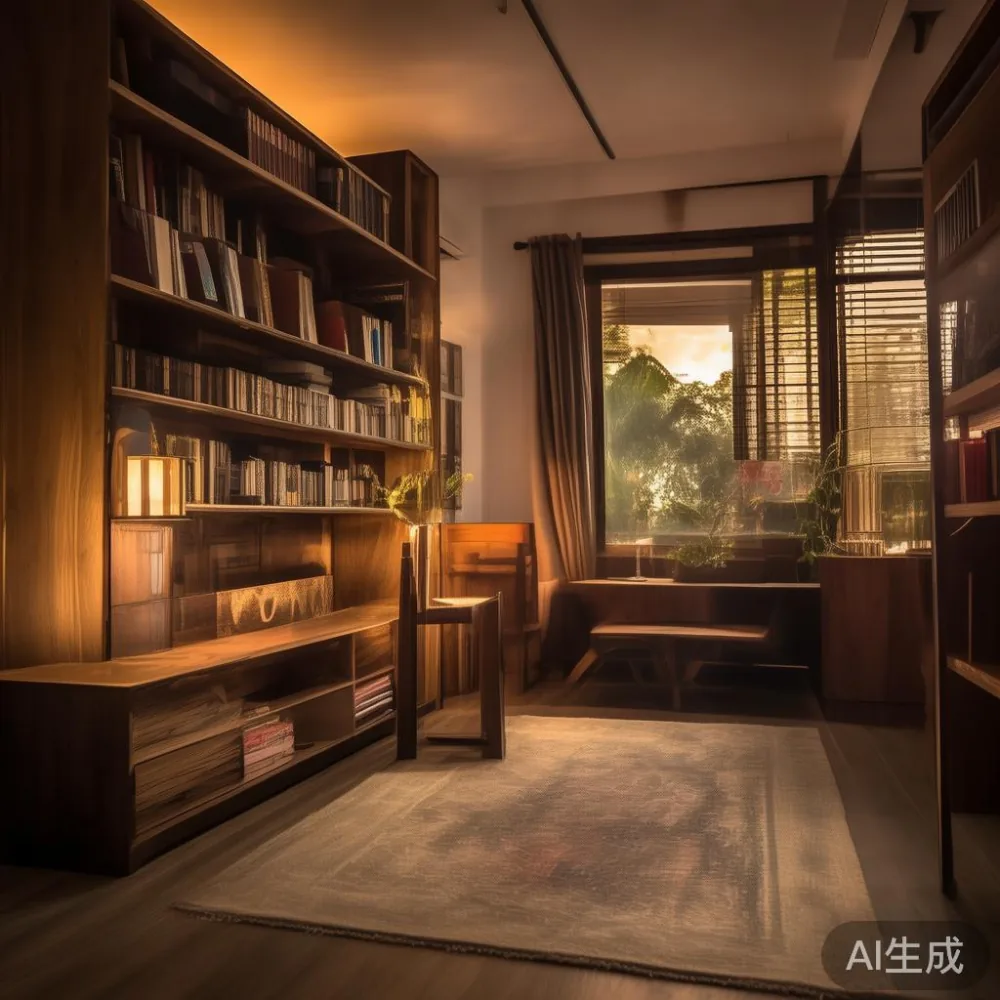
This guide is written for shoppers in Singapore, Malaysia, Indonesia, and the southern Philippines, where the climate is hot, wet, and surprisingly stable across the year. The average indoor relative humidity in a non-air-conditioned HDB unit in Bedok or Punggol sits between 70 and 85 percent, depending on the season and how often the windows are cracked open for cross-ventilation. By contrast, a Foshan workshop where the pieces are built operates at 55 to 70 percent most of the year. That gap is the entire story.
Why does wood furniture react to humidity at all?
Solid wood is hygroscopic. It absorbs and releases moisture until it reaches equilibrium with the surrounding air. As humidity climbs, wood fibres swell; as it drops, they shrink. The movement is uneven across the grain, which is why a 200 cm dining table can develop a 3 to 5 mm gap at a joint during the dry season, then close up again by Chinese New Year. Engineered boards with thin veneers move less, but they also delaminate, bubble, and crack when the inner substrate dries faster than the outer skin.
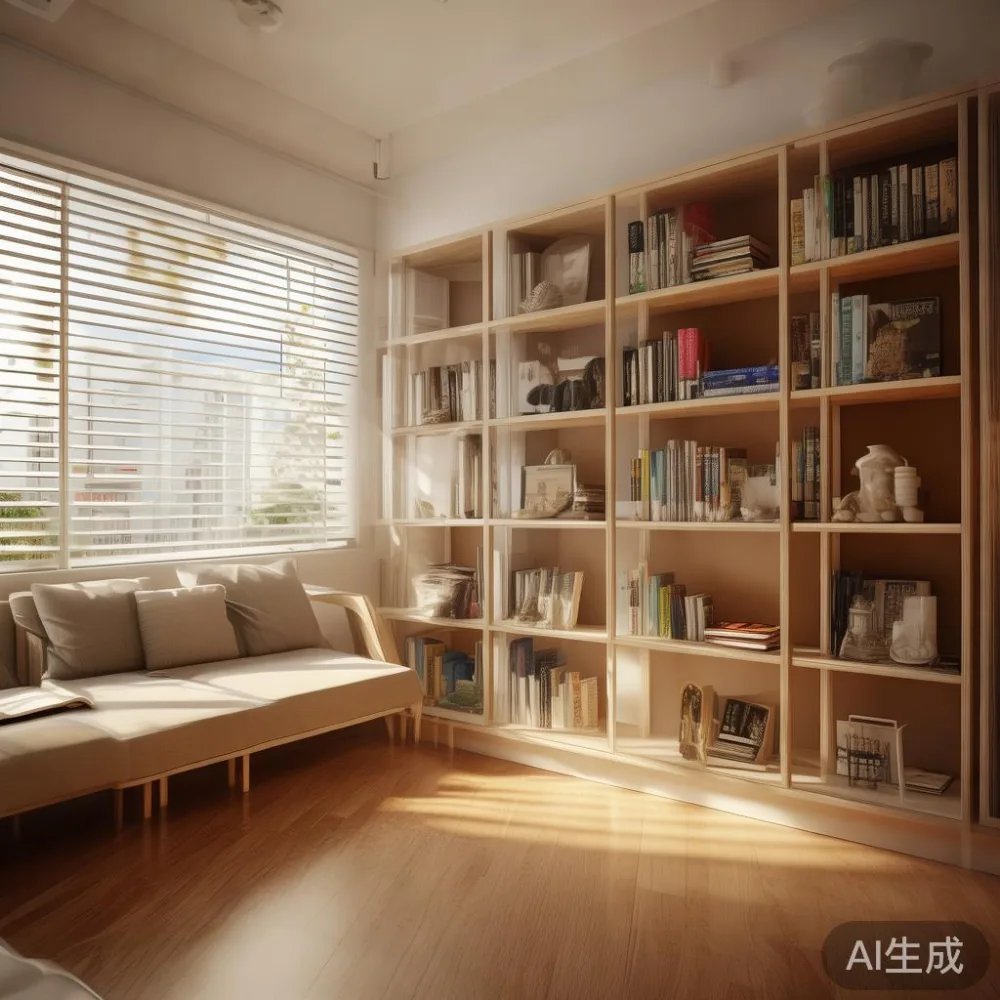
In a Tampines corner unit I visited last month, a six-month-old rubberwood bookshelf showed a 4 mm cup along the centre shelf and a faint hairline crack near the back panel. The owner ran the air-conditioner at 22 degrees Celsius for roughly six hours a day, which pulled indoor humidity down to about 45 percent overnight. The wood tried to follow that drop and cracked under the stress. Switching to a 25 degree set-point and adding a small dehumidifier brought the room back to 60 percent and the cracks stopped growing.
What humidity range is actually safe for a solid wood sofa or dining table in Singapore?
For most temperate hardwoods - white oak, ash, beech, walnut - the target indoor relative humidity is between 45 and 65 percent, with the ideal sitting around 55 percent. Tropical species such as teak, merbau, and Nyatoh tolerate 60 to 75 percent quite well because they evolved in similar climates. Anything consistently above 80 percent invites mould on unfinished surfaces and corrosion on steel brackets; anything consistently below 40 percent produces shrinkage cracks and loose joints.
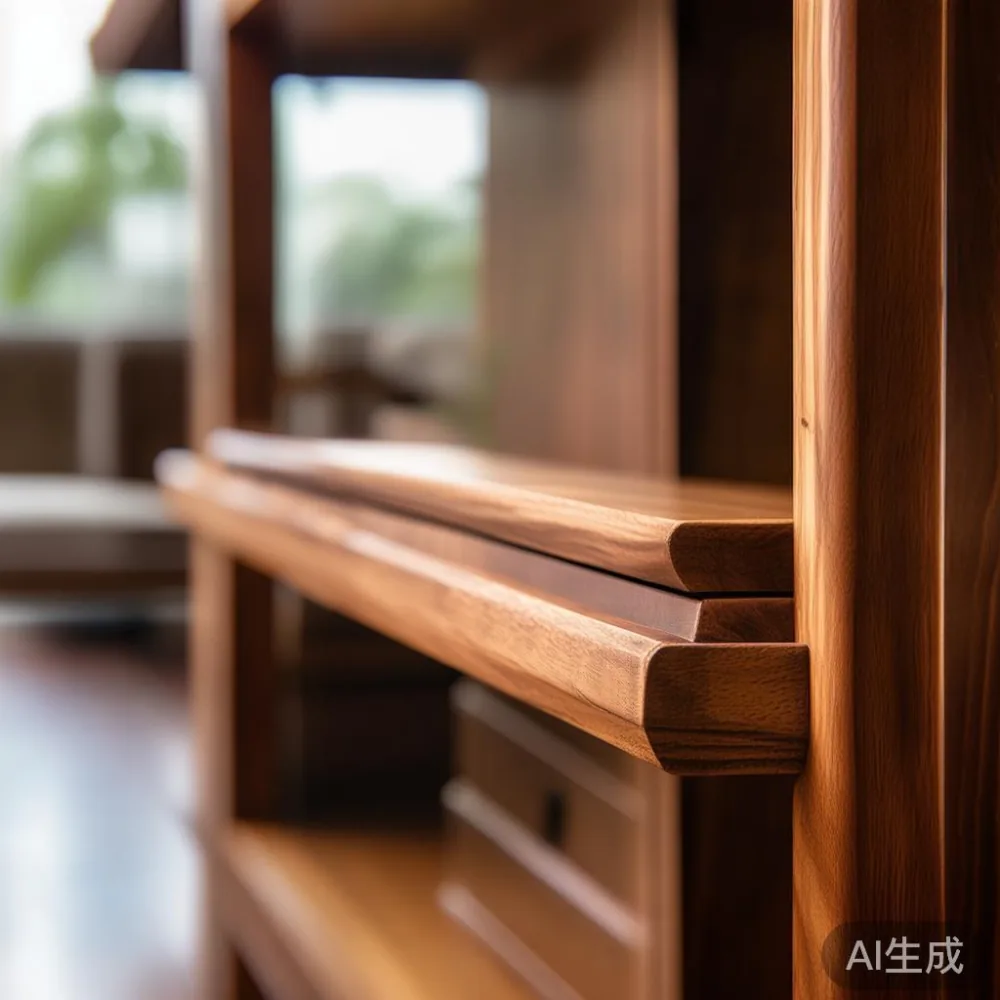
A practical rule: if the wood surface feels cool and slightly damp to the back of your hand at 9 a.m., the room is too wet. If you can feel a static charge when you touch a metal handle, the room is too dry. A calibrated digital hygrometer costs between SGD 18 and SGD 45 at any Tampines Mall electronics shop and is the single best investment a furniture buyer can make. Place it on the middle shelf of your bookshelf, away from direct sunlight, and check it weekly.
How do Singapore lift and corridor sizes affect the furniture you can actually buy?
This is a constraint most overseas catalogues quietly ignore. A typical HDB passenger lift in a Build-To-Order block such as those in Punggol has an internal cabin of about 1.1 m wide by 1.4 m deep, with a door opening of roughly 0.9 m. A standard condominium service lift is larger - often 1.3 m by 1.8 m - but the turning radius into the lift lobby and the corridor width between the lift and your front door is usually the real bottleneck. Most Singapore corridors are 1.2 to 1.5 m wide, and the front door itself is typically 0.9 m wide by 2.1 m tall.
Practical numbers worth memorising: a 220 cm x 100 cm dining table will not fit through a standard HDB lift unless it is fully disassembled. A king-size bed frame in one box usually clears the lift, but a wardrobe shipped flat-packed in three boxes almost always requires two trips or a staircase carry. A solid wood sofa with a 240 cm three-seater configuration generally arrives in two cartons of about 80 kg each, which is fine for the lift weight limit (typically 630 kg for passengers or 1,000 kg for goods) but uncomfortable for one person to handle alone.
When ordering from regional suppliers, ask for the actual packed dimensions in centimetres and the weight per carton in kilograms, not just the assembled size. MIDHILL, a Foshan manufacturer that has been exporting since 2008, publishes per-carton weights on its Singapore spec sheets - a 180 cm black oak bed frame, for instance, ships in two cartons of 42 kg and 38 kg, which clears any HDB lift without drama. That kind of detail separates a workable order from a logistics headache on delivery day.
What is the difference between Post-modern queen bed and modern furniture?
A Post-modern queen bed pairs a 152 cm x 188 cm sleeping platform with restrained, sculptural detailing - think tapered solid wood legs at 12 to 15 degree angles, gently radiused edges of 6 to 10 mm, and a low headboard silhouette that typically rises 90 to 105 cm above the mattress surface, while modern furniture as a category refers to the broader 20th-century movement emphasising clean lines, exposed joinery, and industrial materials such as steel, glass, and laminate.
In practice, when a Singapore couple shopping at a light-luxury showroom sees a Post-modern queen bed priced around SGD 2,800 to SGD 4,500, the defining cues are the proportions and the materials: solid oak or ash for the frame, brass or blackened steel for the hardware, and a sense of weight and quiet detail rather than ornament. A Scandinavian-influenced modern bed frame at SGD 1,500 to SGD 2,500 is usually lighter in visual mass, uses pale veneers or powder-coated steel, and prioritises airiness over substance. Both styles suit a Singapore condo, but they age differently in a 70 to 80 percent humidity environment - solid wood with proper finishing tends to deepen in colour over five to eight years, while laminate surfaces can peel at the edges within three.
Which wood species survive Singapore humidity best?
Ranked from most to least tolerant of year-round 75 percent humidity:
1. Teak (Tectona grandis) - natural oils resist fungal attack; density around 660 kg/m³; movement across the grain is minimal. Premium price, but a teak dining table can outlast the HDB lease on a 99-year tenure. Expect SGD 4,500 to SGD 9,000 for a 200 cm piece.
2. Merbau (Intsia bijuga) - dense at 830 kg/m³, deep reddish-brown, stable in tropical conditions. Widely used in outdoor decking, which tells you everything about its durability. A merbau bookshelf in a study with daily air-conditioning will stay flat and quiet for 15+ years.
3. White oak (Quercus alba) - the workhorse of American light luxury furniture; density 750 kg/m³; takes stain beautifully. With a proper conversion varnish finish it handles 55 to 65 percent humidity well, which means a dehumidifier is part of the ownership cost.
4. Black oak and stained ash - visually striking, slightly more reactive than plain white oak because of the pigment load in the finish. A black oak bed frame in a master bedroom kept at 60 percent humidity will hold its geometry for a decade; the same piece in a non-air-conditioned balcony will warp within 18 months.
5. Rubberwood (Hevea brasiliensis) - the budget default; density 560 to 640 kg/m³; needs a sealed finish on all six sides. Suitable for a nightstand or an occasional side table, less suitable for a 220 cm dining table that will see daily wipe-downs and frequent humidity swings.
How much should I budget for a complete solid wood set in Singapore?
For a typical four-room HDB flat in Bedok, a coherent light-luxury set runs as follows:
Solid wood sofa (three-seater, fabric or leather, kiln-dried hardwood frame): SGD 3,200 to SGD 6,500. Bed frame (queen, Post-modern light luxury styling): SGD 2,200 to SGD 4,800. Dining table (180 to 200 cm, seats six): SGD 2,800 to SGD 5,500, with a marble table variant at SGD 4,500 to SGD 9,000. Wardrobe (three-door, 180 cm tall): SGD 3,000 to SGD 6,200. Nightstand (pair): SGD 900 to SGD 1,800. Bookshelf (open, 80 cm wide x 200 cm tall, five shelves): SGD 1,400 to SGD 3,200.
Total for a coherent set: SGD 13,500 to SGD 33,000, with a sensible mid-point around SGD 20,000 to SGD 22,000 inclusive of GST at the current 9 percent rate. Delivery above SGD 350 is typically waived, which matters when you are shipping 200 to 400 kg of furniture across the causeway. A 14-day return window gives you time to inspect each piece in your actual home, under your actual humidity, before committing.
Will my furniture actually arrive in good condition, and what happens if it does not?
Freight from Foshan to Singapore takes 18 to 28 days by sea, plus 3 to 7 days for last-mile delivery and lift-up booking. Reputable suppliers such as MIDHILL photograph every carton before container loading and again on arrival at the Singapore warehouse, so a crushed corner or a water-stained box is documented before the truck leaves. A 10-year structural warranty covers joint failure, frame cracking, and hardware defects - the kinds of problems that show up after a humid first year, not the kinds that show up on day one.
Lifetime refinishing is the underrated perk. Surfaces that oxidise, fade from UV exposure near a balcony window, or pick up minor scratches after a decade can be sanded back and re-finished at cost, which extends the working life of a SGD 4,000 dining table well past the HDB lease cycle. For Singapore households, that single policy often justifies paying 15 to 25 percent more than a comparable piece from a mass-market listing.
What daily habits keep wood furniture healthy in a tropical climate?
Keep the air-conditioner running or use a dehumidifier set to 55 percent whenever you are home. Wipe spills within five minutes - the tannins in kopi and teh will stain unfinished oak in under an hour. Rotate accessories on the bookshelf every two months so UV exposure stays even. Lift, do not drag, a solid wood sofa when rearranging - the joint stress of dragging a 90 kg piece across a tiled floor is the single most common cause of cracked stretchers I see in warranty claims. Felt pads under every leg, replaced every six months, cost about SGD 12 for a pack of 16 and prevent a surprising amount of damage.
Skip the silicone polishes sold at neighbourhood hardware counters. They leave a film that traps moisture against the finish and create cloudy patches within weeks. A soft cotton cloth and a neutral paste wax applied every four to six months is all a properly finished piece needs. For a marble table used as a dining surface, a separate set of coasters and placemats prevents acidic food - sambal, lime juice, vinegar - from etching the stone.
Is it worth waiting six to eight weeks for a custom order from Foshan?
For a study bookshelf or a statement dining table, yes. Stock pieces are built for 55 to 65 percent humidity and may need a local conversion varnish re-coat if you intend to run the room below 50 percent. A Foshan workshop building for the Singapore market can specify the finish thickness, the moisture content of the timber at packing (usually 10 to 12 percent), and the joinery tolerance to suit our climate from day one. Lead times of 45 to 60 days for custom sizes are normal, and the per-carton weight and dimensions are quoted upfront so you can plan the lift access and the corridor route in advance.
I have walked through two such workshops in the Shunde district of Foshan with my colleagues, and the difference between a quick-ship container load and a custom-built order is visible in the lumber storage area alone - properly acclimatised stock sits for 30 to 45 days in a humidity-controlled room before it touches a CNC machine. That single step is what gives a SGD 3,800 bookshelf a realistic chance of staying flat through ten Singapore monsoons.