Wood Furniture Humidity Impact in Southeast Asia
Living in Singapore's tropical climate presents unique challenges for homeowners, especially for maintaining wood furniture. The constant humidity can cause wood to expand, contract, warp, or even crack over time. This is particularly relevant for those living in HDB flats across neighborhoods like Tampines, Bedok, and Punggol, where space is often limited and furniture must withstand the environmental conditions.
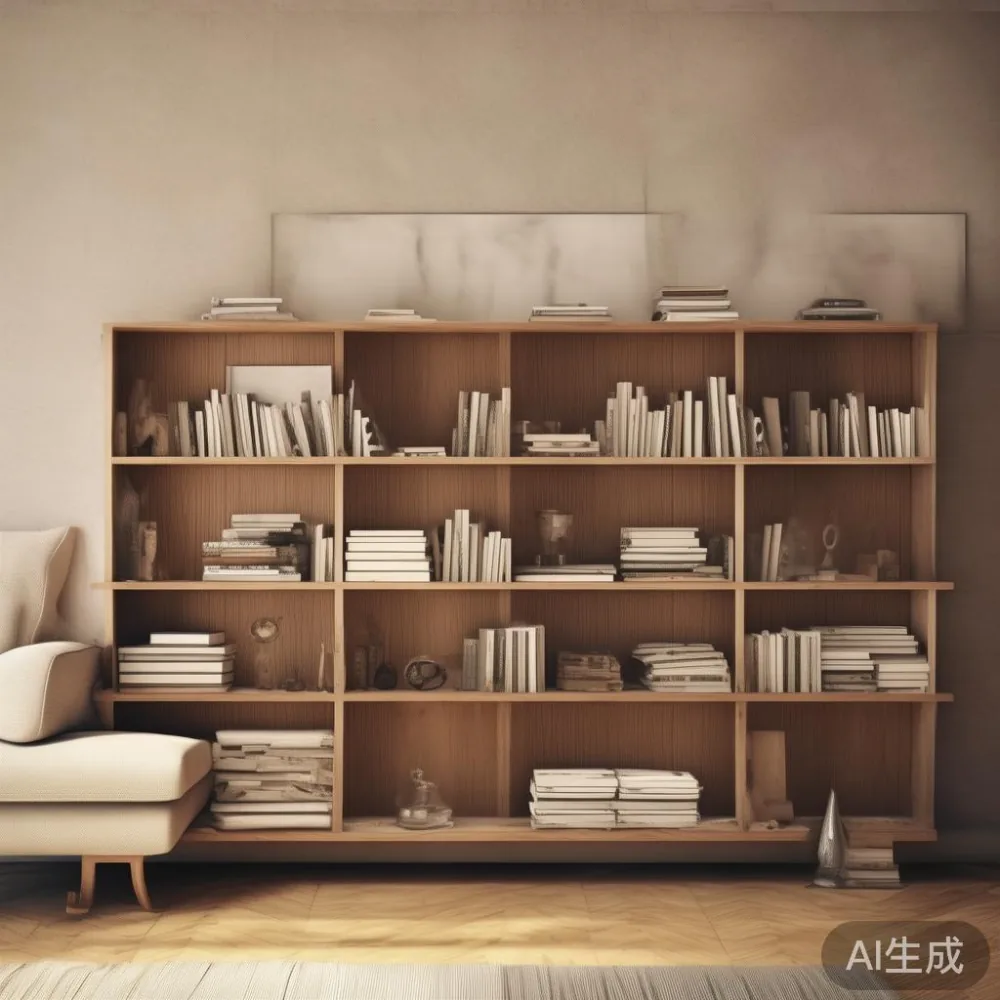
Last month, I visited a customer's condominium in Punggol. The 85-square-meter unit featured a beautiful solid wood bookshelf that had begun to show signs of humidity damage. The shelves, made from oak, had warped slightly, causing some books to tilt precariously. The homeowner mentioned she had purchased the piece for SGD 1,200 three years ago and was concerned about its longevity. This experience highlighted how even well-made furniture can struggle in our humid climate without proper care and consideration.
Understanding Singapore's Humidity Levels
Singapore's average relative humidity ranges from 70% to 90% throughout the year, with peaks during the Northeast Monsoon season from December to March. This constant moisture in the air affects all wood products in our homes. The narrow corridors in many HDB flats, typically measuring 120-150 cm wide, can trap moisture, exacerbating the problem. In newer developments like those in Tampines, where corridor widths are designed at 180 cm, better air circulation can help mitigate some humidity issues.
For those living in condominiums with lift lobbies measuring approximately 200 cm by 300 cm, the concentration of wood furniture in these areas can create microclimates with even higher humidity levels. The Goods and Services Tax (GST) of 9% in Singapore also affects the cost of humidity control solutions, making it important for homeowners to invest in preventive measures rather than costly replacements.
How Humidity Affects Wood Furniture
Wood is a hygroscopic material, meaning it absorbs and releases moisture from the air. When humidity increases, wood absorbs moisture and expands; when humidity decreases, it releases moisture and contracts. This natural process, known as movement, can cause several issues:
- Warping and bowing of bookshelves and other furniture
- Cracking and splitting in solid wood pieces
- Drawer fronts becoming misaligned with the frame
- Doors sticking in their frames
- Changes in color and finish appearance
A standard bookshelf measuring 180 cm in height, 80 cm in width, and 35 cm in depth can expand by up to 1-2 cm in width during periods of high humidity. This movement might not seem significant, but over time, it can lead to structural issues. The weight of books on shelves adds additional stress, with an average hardcover book weighing between 500g to 1kg, and a fully loaded bookshelf potentially holding 50-100kg of books.
Choosing the Right Wood Furniture for Humid Climates
When selecting furniture for your Singapore home, certain wood species perform better in humid conditions. Teak, for example, contains natural oils that make it highly resistant to moisture. A teak bookshelf might cost between SGD 800 to SGD 2,500 depending on size and design, but its durability in our climate makes it a worthwhile investment.
Other humidity-resistant woods include:
- Mahogany - naturally stable and moisture-resistant
- Walnut - dense and less prone to warping
- Acacia - known for its durability and water resistance
- Sheesham - dense hardwood with natural oils
For those interested in light luxury options, French light furniture often features these durable woods combined with elegant designs. When considering how to style French wardrobe in bedroom, incorporating pieces made from humidity-resistant woods ensures longevity while maintaining the sophisticated aesthetic.
Can All Wood Furniture Survive Singapore's Humidity?
This is a question many homeowners ask when investing in quality pieces. The answer depends on several factors: the type of wood, construction quality, finish, and how the furniture is maintained. Solid wood furniture, properly constructed and finished, can withstand Singapore's humidity better than veneered or particleboard alternatives.
When browsing top 10 Modern furniture options for humid climates, look for pieces with mortise and tenon joints rather than just glue and nails. These traditional joinery techniques allow for natural wood movement without compromising structural integrity. A well-constructed bookshelf with these joints might cost 15-20% more but will last significantly longer in our climate.
For those considering bedroom furniture, the debate between different styles often arises. Many homeowners wonder is Italian light luxury bed worth it compared to other options. While Italian pieces may offer exquisite craftsmanship, their suitability for Singapore's climate depends on the specific wood species and construction techniques used.
Practical Solutions for Humidity Control
Managing humidity in your home is key to preserving wood furniture. Here are some practical solutions:
- Use dehumidifiers: A good quality dehumidifier can reduce humidity levels to 45-55%, ideal for wood furniture. Units suitable for a 100-square-meter room cost between SGD 300 to SGD 600 and can remove 20-30 liters of moisture per day.
- Ensure proper ventilation: In HDB flats, open windows during cooler parts of the day. In condominiums with air conditioning, run it consistently to maintain stable humidity levels.
- Place furniture strategically: Avoid placing bookshelves directly against exterior walls or in bathrooms where humidity is highest.
- Use moisture-absorbing products: Silica gel packs or calcium chloride crystals can be placed inside bookshelves to absorb excess moisture.
- Regular maintenance: Apply furniture polish or oil every 3-6 months to protect the wood.
For those exploring different design styles, the comparison between French bed vs Japandi bed often comes up. While French beds may offer more ornate details, Japandi designs with their simpler lines and focus on natural materials might be more practical in humid environments when made from appropriate wood species.
Maintenance Tips for Wood Furniture in Humid Climates
Regular maintenance can significantly extend the life of your wood furniture in Singapore's climate:
- Clean with care: Use a soft, damp cloth rather than soaking the wood. Avoid harsh chemicals that can strip natural oils.
- Address issues promptly: If you notice sticking drawers or doors, don't force them. This can cause more damage.
- Control temperature fluctuations: Avoid placing furniture near air conditioning vents or direct sunlight.
- Seasonal adjustments: During extremely humid periods, check furniture for signs of stress and take preventive measures.
When considering wardrobe options, many homeowners search for how to style Japandi wardrobe in bedroom spaces. The key is selecting pieces made from stable woods and ensuring proper maintenance to preserve the natural beauty of the furniture in our humid climate.
Investing in Quality Furniture from Reputable Sources
When purchasing wood furniture, consider manufacturers with proven track records in humid climates. Some factories, like those in Foshan, specialize in creating pieces that withstand tropical conditions. These manufacturers understand the challenges and use techniques appropriate for our environment.
For those looking for statement pieces, a best Rustic sofa for 2026 should be chosen not just for aesthetics but for its ability to perform well in humid conditions. Solid wood frames with proper joinery and moisture-resistant upholstery are key considerations.
MIDHILL, established in 2008, has been exporting to 15+ countries and understands the unique challenges of humid climates. Their 10-year structural warranty and lifetime refinishing service provide peace of mind for homeowners concerned about furniture longevity in Singapore's environment.
When selecting a bookshelf or other wood furniture, consider the delivery process as well. In Singapore, delivery typically takes 3-7 business days, with free shipping for orders over SGD 350. The 14-day return policy allows you to assess furniture in your home environment before committing.
What Wood Furniture Lasts Longest in Singapore's Climate?
Based on experience and industry knowledge, certain types of wood furniture perform exceptionally well in Singapore's humid conditions:
- Teak bookshelves: Naturally oil-rich and resistant to moisture. A teak bookshelf measuring 180cm x 80cm x 35cm typically weighs between 45-60kg and costs between SGD 1,200 to SGD 2,800.
- Mahogany dining tables: Dense and stable, with beautiful grain patterns. A 6-seater mahogany table might weigh 70-90kg and cost SGD 2,500 to SGD 4,500.
- Acacia bed frames: Durable and water-resistant. A king-size acacia bed frame typically weighs 50-65kg and costs SGD 1,800 to SGD 3,200.
- Walnut wardrobes: Less prone to warping and offers rich coloration. A standard wardrobe measuring 200cm x 60cm x 60cm might weigh 80-100kg and cost SGD 2,200 to SGD 3,800.
When considering how to style French wardrobe in bedroom spaces, selecting pieces made from these humidity-resistant woods ensures both aesthetic appeal and longevity in our tropical climate.
For homeowners in Singapore's HDB flats and condominiums, understanding how humidity affects wood furniture is important for making informed purchasing decisions. By selecting appropriate wood species, implementing proper humidity control measures, and following maintenance guidelines, you can enjoy beautiful wood furniture that lasts for decades in our unique climate.