Bookshelf Care for Singapore’s Humid, Tropical Home
A lacquered bookshelf can bring calm, reflective colour to a Singapore home, but the country’s heat, humidity, salt-laden air and strong sunlight demand a considered care routine. At MIDHILL, we build our lacquered solid wood furniture with enduring surfaces in mind, including a 10-year structural warranty and lifetime refinishing support. The advice below focuses on one specific piece—the bookshelf—and explains how to protect its finish without overcomplicating daily life.
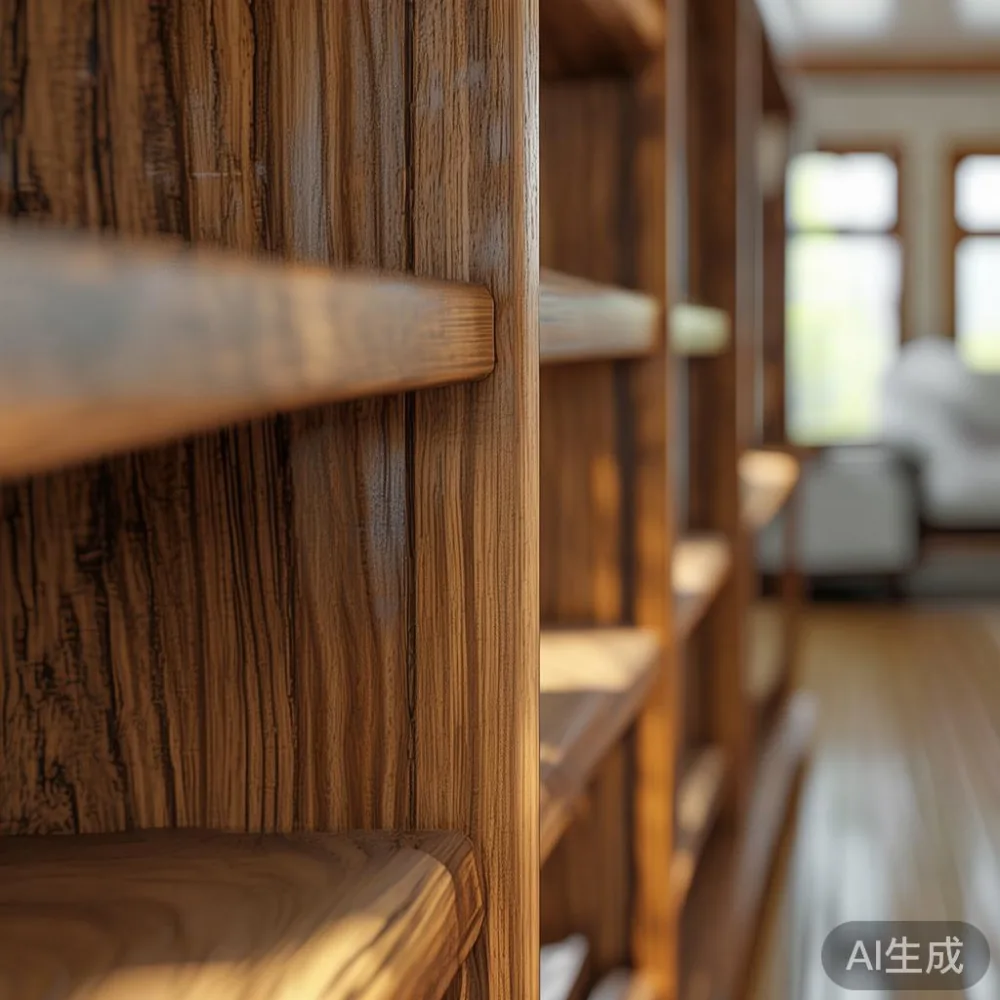
The local setting matters. A 3-room HDB flat in Tampines may have a 90 cm corridor, while the lift lobby and lift car may restrict the size of the delivered package. Bedok and Punggol condos often have longer corridors and higher ceiling clearances, but wide glazing can expose furniture to intense ultraviolet light. A temperature difference of 8 °C between a cool corridor and a warmer living room can also cause condensation on a lacquered surface. These details affect how a bookshelf should be delivered, positioned and maintained.
What Does “Lacquered Surface” Mean on a Solid Wood Bookshelf?
A lacquered bookshelf begins with a carefully prepared solid wood substrate, followed by primer, colour coats and a clear finishing layer. The result should feel smooth to the touch, with an even sheen and no raised joints or trapped bubbles. A high-gloss finish reflects more light and makes fingerprints conspicuous, while a satin finish offers a softer appearance and can be more forgiving in a compact home.

French light luxury often favours restrained proportions, pale tones and finely controlled sheen. American light luxury tends toward comfort and layered materiality, whereas post-modern light luxury can pair clean silhouettes with subtle contrast. Those directions can all suit a bookshelf, provided the finish is matched to the room’s light and the amount of daily handling it receives.
Quality is easier to assess before installation. Check that the doors close without rubbing, the shelves are level and the lacquer appears consistent under side lighting. On a 180 cm bookshelf, inspect the top, side edges, back panels and every shelf surface from a 45-degree angle. If a shelf flexes under a 15 kg load, it should not be accepted as sound. Lacquer should also resist a damp white cotton pad when lightly wiped; the sample should show no colour transfer or tackiness.

These surface expectations also apply when comparing related pieces, such as a solid wood sofa, bed frame, dining table, wardrobe, nightstand or marble table. However, each material has its own care rules. The focus here remains the bookshelf, because books, paper and woodgrain can create different cleaning pressures than upholstery, stone or food-contact surfaces.
How Often Should I Clean a Lacquered Bookshelf?
Use a light dusting routine every 7 days and a slightly more thorough clean every 30 days. Before wiping, remove or reposition books and small objects. A dry microfibre cloth usually handles ordinary dust better than a damp cloth, which can redistribute particles across the finish. For visible marks, lightly dampen a separate cloth with water and wring it until it is merely cool and almost dry.
Wipe along the grain or in one continuous direction. A 20 cm cloth is practical for the 60 cm side panel of a typical bookshelf, while a 30 cm cloth reduces repeated passes on a 120 cm shelf. Avoid circular scrubbing, abrasive pads and household sprays intended for glass, wood or all-purpose cleaning. Many contain alcohol, ammonia, silicone or oil residues that can dull lacquer.
Clean spills promptly. If a drink takes 5 minutes to settle, wipe it once with a fresh damp cloth rather than repeatedly rubbing the same area. Test an inconspicuous 5 cm section near the back for 24 hours before treating a larger area. If the cloth leaves a mark, stop and contact the manufacturer for finish-specific guidance rather than applying another product.
Cleaning frequency should rise near open windows, kitchen passages or air-conditioning vents. A bookshelf beside a sliding door in a Punggol condo may collect fine coastal residue within a few days, whereas one in an interior study may need only a weekly pass. Keep the piece at least 30 cm from a direct draught and do not place it directly against an air-conditioning vent, where repeated cooling cycles may cause lacquer movement over a 12-month period.
How Do I Protect the Finish from Humidity and Sunlight?
Singapore’s relative humidity often sits between 65% and 85%. Keep the bookshelf away from permanently damp corners and maintain reasonable room conditions rather than chasing a perfect number with a dehumidifier all day. A simple digital hygrometer placed near the unit is more useful than a wall-mounted one that may read a different zone. Aim to avoid prolonged periods above roughly 75% if condensation is already visible.
Allow airflow behind the bookshelf. Leave about 5 cm when the wall is dry and the design permits, or 8–10 cm where condensation or salt exposure is common. Do not seal the back against the wall with silicone or adhesive strips. On an HDB balcony, avoid placing the bookshelf in direct rain; a 2 cm plinth or small covered recess can reduce splash, but the unit should still have ventilation.
UV control matters just as much. Direct equatorial sun can begin fading a clear lacquer in 6–12 months, with the effect becoming obvious over 3 years. If the bookshelf stands beside a west-facing window, use sheer curtains or UV film with a visible light-transmission rating of at least 60%. Keep the unit at least 1 metre from the glass where possible, and rotate displayed objects every 2–3 months so one area does not fade disproportionately.
Stable indoor placement also reduces stress. Do not move a 45 kg bookshelf daily between rooms. When relocation is necessary, empty it of books, remove detachable shelves, protect the corners and recruit 2 people for a 65–85 cm unit. For heavier or taller designs, use 3 people and professional movers. Never drag the base across a tiled HDB floor; lift it onto furniture sliders rated for at least 1.5 times its weight.
Can I Use Polish or Oil on Lacquered Wood?
Do not add furniture polish or natural oil unless the finish manufacturer expressly permits it. Such products may look attractive for the first 10 days, but they can create a sticky patch, alter the sheen and make future maintenance less predictable. A satin lacquer should remain satin; a gloss lacquer should retain its reflective depth. Silicone-based dust sprays are particularly unsuitable because they leave a film that traps fingerprints.
If the surface is dull, begin with a clean microfibre cloth and gentle cleaning. Persistent haze may indicate an incompatible coating or age-related finish change, not a need for more polish. Photograph the affected 15 cm area under neutral light, compare it with the finish under the same lighting, and seek a finish-specific recommendation.
Minor damage can sometimes be handled carefully. A 2–3 mm chip with clean edges may be touched up by a qualified refinisher, while a broad 20 cm scuff requires more deliberate blending. Keep any solvent away from books, because vapour can mark paper and bindings. Do not sand the bookshelf yourself: dust from the process can settle between books, and uneven gloss can be difficult to correct.
For larger homes, furniture care often spans several categories. A guide to how to style Japanese wardrobe in apartment can complement a compact storage system, and notes on how to style European light luxury sofa in room may help with an adjoining sitting area. If a bedroom project prompts a search for the best Modern sofa for 2026, the sofa should be assessed separately from lacquer care. Likewise, a design brief labelled Modern for small living room may need low-profile seating, but the bookshelf should remain the centre of this care discussion.
Is a Lacquered Bookshelf Suitable for an HDB Flat or Condo?
It can be, provided the measurements, access route and environmental exposure are checked before ordering. An HDB lift may have a door width of 80–90 cm and a car depth of about 130–140 cm, so even a bookshelf that fits the room may not fit vertically or diagonally during delivery. A flat-pack design can be easier to carry, but it should arrive with protected corners, labelled hardware and a clear assembly sequence.
Measure the finished bookshelf, the lift door, lift car and corridor turns. Add at least 5 cm of maneuvering allowance where the route is tight. For a condo, check loading-bay hours, parking restrictions and the use of a service lift. Photograph the access route on the delivery day; a timestamped record can clarify responsibility if a panel is damaged before the unit reaches the room.
Weight also affects placement. A 120 cm bookshelf with 8 shelves may weigh 32–45 kg, while a larger 180 cm model with a reinforced plinth may reach 60 kg. Keep heavy books on lower shelves, spread the load across 2–3 shelves and leave enough clearance so fingers can reach the top without a stool. Do not overload a residential lift beyond its posted limit, even if the furniture is light enough.
Singapore’s Goods and Services Tax is 9%. The displayed product price should state whether GST is included, and a confirmed order should show the full amount payable in SGD. Delivery commonly takes 7–14 production days, followed by 1–3 delivery days within Singapore, although access arrangements can add 1 day. Before dispatch, confirm the delivery window and whether the corridor or lift requires extra protective work.
What Should I Do If the Lacquer Shows Bubbling, Peeling or Sticky Patches?
Stop polishing, oiling or wiping the affected area. Isolate the bookshelf from heat and moisture, remove nearby books carefully, and note when the problem started. Photograph the finish under daylight and with a 10 cm ruler for scale. Small bubbles or a sticky patch may indicate contamination, while peeling along a continuous edge can point to a substrate or preparation issue.
Do not press down bubbles or peel loose lacquer. Those actions can enlarge the damaged zone and remove sound finish. Do not use a heat gun, hair dryer or knife. If the bookshelf is still within its warranty period, contact MIDHILL with the order number, photographs and a short description of the room conditions. The 10-year structural warranty addresses eligible structural concerns, while the lifetime refinishing service supports appropriate finish maintenance; the final scope should be confirmed against the order documents.
Temperature exposure deserves special attention. A bookshelf moved from a cool corridor into a warmer room may develop condensation within 20–30 minutes. Let it acclimatise for at least 4 hours before loading it. Avoid placing it beside a hot kitchen, against a heating vent or under an exterior wall that remains damp after rain.
For coastal interiors, a concise approach is useful. When comparing top 10 Coastal furniture options, treat the bookshelf as a vertical display surface rather than assume that “coastal” means suitable for an open balcony. Light-coloured lacquer may show salt haze, while darker lacquer can reveal uneven polishing. Test any proposed cleaner on a 5 cm hidden section for 48 hours, not merely a quick wipe.
How Do I Keep a Bookshelf Looking Fresh Between Professional Services?
Use a simple maintenance record. Note the dates of weekly dusting, monthly cleaning and any spill. Add the room’s approximate humidity, whether the unit receives direct sun and the types of products stored on it. Photographs taken every 6 months under similar lighting can reveal gradual change that daily eyes overlook.
Books should not press against the lacquer if avoidable. Leave a 2–3 cm gap from the back panel and keep decorative objects from rubbing the doors during use. Use unbleached cotton or acid-free supports for valuable volumes, and avoid leaving sticky labels, rubber bands or tape residue on the shelves. Those adhesives may require more intervention than ordinary dust.
Coordinate colour and texture carefully. A French light luxury arrangement might use cream books, pale stone objects and one reflective accent. American light luxury could combine warmer woods with textured linen and metal. Post-modern light luxury might introduce a curved object or bold artwork without letting the display become visually crowded. In every case, reserve 20–30% of each shelf as breathing space so the bookshelf remains functional as well as decorative.
Wardrobe planning can affect the broader apartment composition. A search for how to style Japandi wardrobe in room may be paired with a straightforward bookshelf scheme of warm timber, white walls and a single ceramic object. A separate query on how to style Japanese wardrobe in apartment can help maintain visual consistency, but wardrobe doors should not be used to store damp cleaning cloths or lacquer solvents near the bookshelf.
For questions or service requests, email midhillco@gmail.com with the bookshelf dimensions, order details, clear photographs and the date and conditions of the issue. Include your preferred contact number and the Singapore delivery address. If the piece qualifies, MIDHILL can help determine whether care guidance, refinishing or warranty review is the appropriate route.
What Is the Practical Care Routine for a Lacquered Bookshelf?
A reliable routine has 3 layers. Dust every 7 days with a dry microfibre cloth. Clean every 30 days with a separate lightly damp cloth, moving in one direction and testing any new product first. Review placement every 3 months for sun exposure, condensation, sticky residue and shelf movement, and photograph the surface every 6 months for comparison.
Wipe spills within 5 minutes, keep the unit 30 cm from air-conditioning vents, maintain 5–10 cm of rear airflow where possible, and use window coverings against direct sunlight. Load heavier books on lower shelves, keep total weight within the product specification, and check shelf level every 6 months. Do not use oil, polish, abrasive pads or unverified solvents.
Last month, I visited a family home in Tampines to inspect a lacquered bookshelf that had been placed beside an open sliding door. The finish looked dull along the front edge, but it had not peeled. Using a clean cloth and controlled humidity for 14 days reduced the haze; leaving a 20 cm gap from the doorway and adding a sheer curtain prevented further spotting. The experience confirmed that placement often matters more than repeated chemical treatment.
For any purchase, compare the lacquer type, dimensions, load rating, warranty and refinishing terms rather than judging by appearance alone. Singapore shoppers should also confirm the SGD price with 9% GST, delivery timing and the lift-access plan. A bookshelf treated as a long-term piece of joinery—not an open display shelf for damp tropical air—can retain its colour and smoothness through many years of ordinary use.