A Lighter Bookshelf for Small Singapore Homes
A small apartment should not feel like a display cabinet filled with furniture. In a typical Singapore HDB flat, the difference between a calm home and a crowded one often comes down to a few centimetres, a carefully placed bookcase, and the way vertical storage is allowed to become part of the room rather than compete with it.
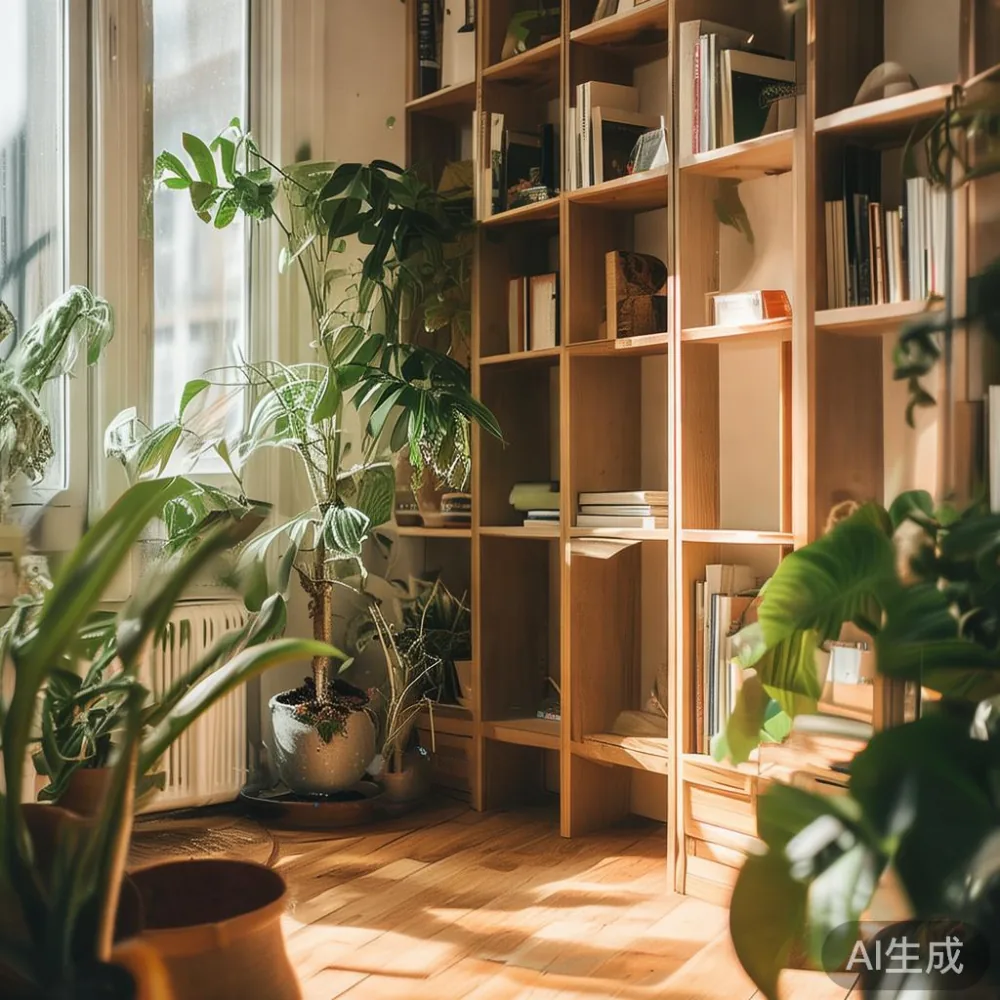
For residents of Tampines, Bedok, Punggol, and compact condos, the challenge is familiar: limited floor area, narrow HDB corridors, standard lift dimensions, and a need to move furniture without damaging shared walls or blocking the route from the void deck. A bookshelf can solve storage problems, but only if its depth, height, colour, and construction are considered alongside the room.
MIDHILL makes solid wood furniture for compact homes, with pieces suited to both HDB interiors and urban condominiums. The approach here is practical: use vertical space, keep circulation clear, and choose furniture that earns its footprint. That includes solid wood sofa frames, a well-proportioned bed frame, a dining table that can double as a work surface, a wardrobe with internal organisation, a nightstand, and a marble table used sparingly as a visual anchor.
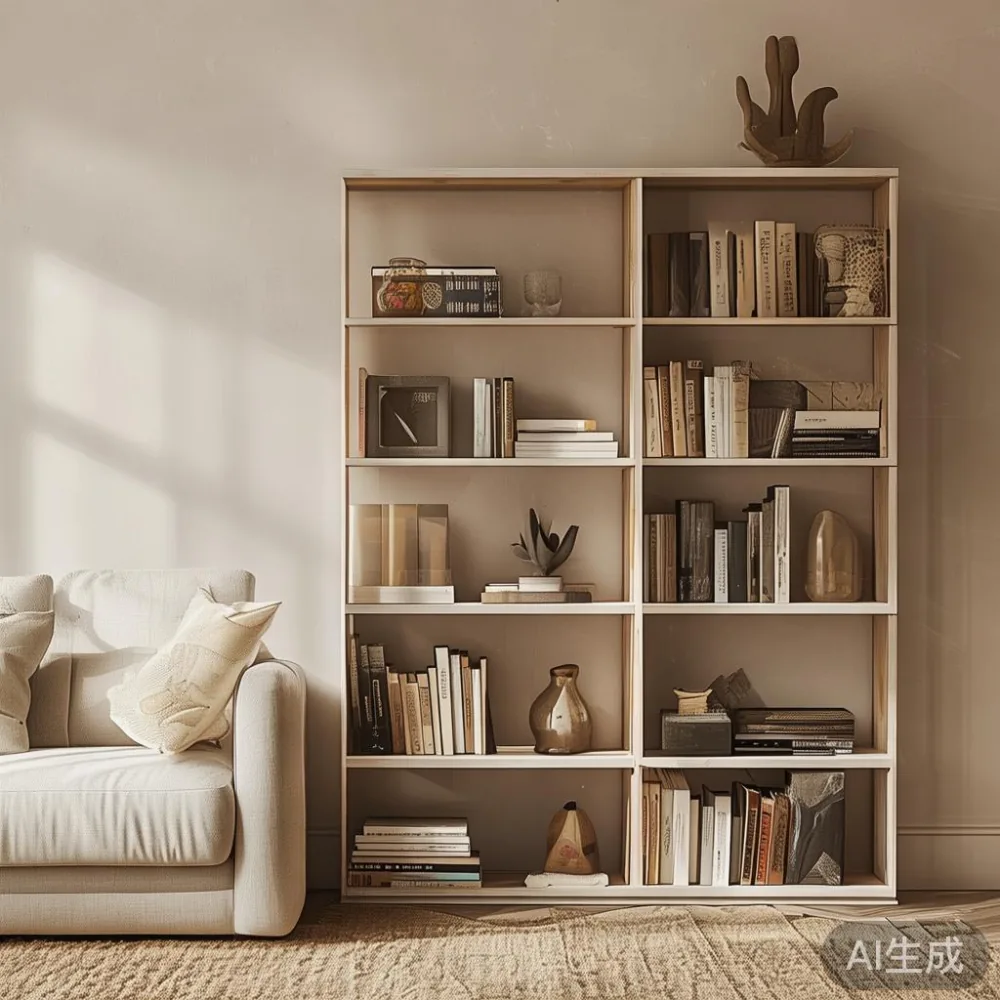
How do I make a small living room feel less crowded?
The answer is not simply to buy less furniture. It is to give each item a clear job and enough breathing room around it. Start with the largest footprint: the sofa. A compact 180–200 cm solid wood sofa can seat three people without taking over a 12–16 m² living room. Choose arms that sit close to the body, legs that lift the frame visually, and a back height that does not block a window or air-conditioning vent.
For buyers comparing silhouettes, the question of how to choose light luxury sofa for a Singapore flat is more useful than chasing a trend label. Check the seat depth, arm width, and the gap left between the sofa and the coffee table. A 35–40 cm gap generally keeps a room comfortable while preserving a clear walking route. Leave at least 60–75 cm beside the main seating area where people pass through frequently.
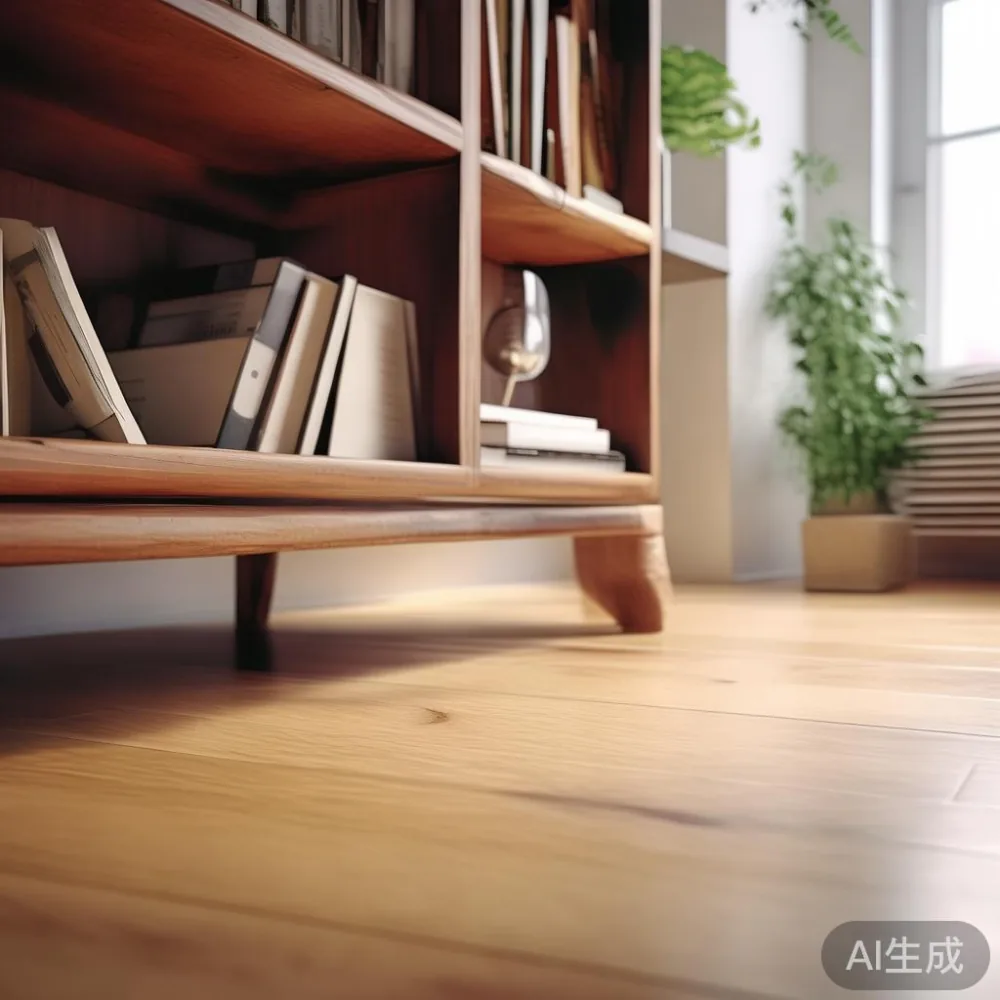
The style can remain light without becoming visually heavy. American light luxury often works through pale upholstery, clean lines, and restrained hardware. French light luxury introduces softer curves and more decorative detail, which need careful spacing. In a small HDB living room, the simpler interpretation usually reads better.
One real example came from my own visit to a Bedok flat last month. The homeowner had three sofas and a large dining table, yet the room felt cramped because every piece sat on the floor independently. We removed one occasional chair, replaced the bulky table with a narrower 120 cm dining table, and placed a slim bookshelf against the wall near the television. The room did not gain many square metres, but the main walking path widened from roughly 55 cm to 80 cm, and the space immediately appeared calmer.
What measurements should I take before ordering a bookshelf?
Measure the wall, the skirting board, the socket positions, and the doors before selecting a bookshelf. A bookcase placed beside an HDB flat entrance must not obstruct the fire-escape route, emergency signage, or a corridor leading to another bedroom. In a condo, check the lift door width and the turning space in the lift lobby before the delivery team arrives.
The most useful bookshelf measurement is depth. Books are commonly 15–25 cm deep, while most hardbacks need around 28–30 cm. A 28–32 cm deep shelf can hold books upright without looking oversized. A deeper 35–40 cm unit is better for displaying books face-out, storing vinyl records, or combining closed storage with open shelves. For a compact living room, 28–32 cm is often the sensible balance.
Height changes the visual effect. A unit from 180–210 cm can use the wall effectively, especially when the ceiling is 2.7–2.9 m. In a narrow room, a tall bookshelf may appear to close the space, so it should be paired with lighter objects, open sections, and a wall colour that continues around it. A lower 120–160 cm unit can make a room feel more relaxed, although it stores fewer books.
Width should follow the available wall rather than a showroom arrangement. Three shelves of 60–80 cm each can look neat, while a single 100–120 cm unit may look more generous if the wall is plain. Do not force a wide model into a recess that leaves less than 5 cm on one side. That small gap will later become a dust trap and make cleaning difficult.
Also consider the weight of the contents. A solid wood bookshelf should have a load rating above the expected use. For a family shelf, calculate the total weight of books and add 20–30% as a safety allowance. A shelf holding 80 hardbacks at approximately 1.2 kg each may need to support at least 100–115 kg. Check the product specification rather than estimating from appearance.
Which bookshelf style suits HDB and condo interiors?
The style should connect with the architecture, not fight it. Singapore HDB flats often have pale walls, light laminate flooring, and practical storage zones. A warm oak or ash-toned bookshelf can soften a cool white wall while remaining visually light. Dark walnut can work in a condo with controlled lighting, but it needs a brighter area around it to avoid swallowing the wall.
Post-modern for small living room is a useful direction when you want clean lines with a little personality. Pair one straightforward bookshelf with a rounded chair, a small lamp, or a simple artwork. Avoid turning every object into a statement. One distinctive element per view often gives a compact room more confidence than five competing accents.
French provincial styling can be suggested through curved edges, muted colour, and a ceramic vase rather than ornate furniture. Keep the bookshelf itself simple if the rest of the room already includes carved details. For a guest room, Nordic for guest room styling works naturally with pale wood, linen textures, and shelves that display a limited number of objects. The guest room can still function as a study, so retain one or two shelves for books and baskets.
For a guest room, a Vintage for guest room look can be created with one upholstered chair, a warm reading lamp, and a small stack of books. The bookshelf remains the storage anchor, while the vintage note comes from the accessories. This prevents a narrow room from feeling overfurnished.
Where should the bookshelf go to create more space?
Begin with the wall that does not interrupt movement. In an HDB living room, a good location may be beside the television console, opposite the sofa, or at the end of a dining zone. Avoid placing the unit directly in front of a balcony door unless the depth leaves at least 75 cm of clear passage. Do not block the air-conditioning outlet, the electrical panel, or the service riser access.
Use the bookshelf to define zones. A 180 cm high unit can separate a dining area from a work corner without a full wall. In a studio condo, position it behind the sofa only if it leaves 90 cm of circulation space behind the seating. A 30 cm deep bookshelf can act as a shallow divider, but it should be stable enough to prevent accidental contact from passing residents.
Visual balance matters as much as floor space. If the sofa sits on the right side of the room, a bookshelf on the left can make the composition feel intentional. If the bookshelf is opposite a busy television wall, use closed sections to absorb visual noise and leave a few open shelves for breathing room.
Try viewing the arrangement from the doorway. Squint, or take a phone photo from standing height. If the bookshelf becomes a large dark rectangle with many small objects, simplify it. Remove 30–50% of the displayed items and group the rest in odd-numbered arrangements of three, five, or seven.
Can a bookshelf make a compact bedroom feel better?
Yes, if it is treated as part of the bedroom layout rather than an extra piece. In a 9–12 m² HDB bedroom, a 100–140 cm wide bookshelf with a depth of 25–30 cm can hold books and daily items without taking the place of the bed frame or wardrobe. Position it beside the headboard wall, where it does not reduce the usable width beside the bed.
The bedside arrangement deserves equal attention. A Modern light luxury nightstand should be small enough to sit within a 40–50 cm bedside gap, with a drawer or shelf for a phone charger, a 150 ml water glass, and a book. Choose a height close to the mattress surface so the top is easy to reach. If the room is very narrow, a 30–40 cm wide floating shelf can replace a floor-standing unit.
The wardrobe should be planned before decorative pieces are added. A sliding-door wardrobe can reduce the space needed for door swing in a compact bedroom, while an open hanging section may make a small room feel less like a closed box. Keep the bed frame low and simple, and avoid a tall headboard that extends too far into the room.
In a combined guest room, leave enough flexibility for a future mattress or daybed. A bookshelf can become the visual boundary between sleeping and reading areas, especially when it has closed lower storage and open upper shelves. This is more useful than adding a second bulky cabinet.
How should I style the shelves without making them look busy?
Leave more empty space than instinct suggests. Fill no more than 60–70% of the visible shelves, with 8–12 cm of breathing room around grouped objects. A shelf with 12 books and one small vase will look calmer than the same shelf holding 24 books, a frame, a clock, and three ornaments.
Use vertical bookends and vary the height of displayed objects. Place the tallest item near the centre of a grouping, then step down towards smaller pieces. Keep the same colour family in one area, such as cream, pale green, and natural wood, and repeat two colours elsewhere in the room to create cohesion.
For a living room, style one shelf with books and another with a small plant, a framed print, or a bowl. A marble table can carry one sculptural object, but it should not become a crowded surface. If your dining table doubles as a home office, clear a 60 cm section for a laptop and leave the remainder for meals. This is why a dining table with clean edges and a stable 120–140 cm width often serves a compact apartment better than a large decorative model.
Use baskets or boxes to conceal items that do not need to be displayed. Closed storage is particularly useful in a child’s room or a home office with chargers and stationery. Keep the basket handles facing the same direction, and label them discreetly if several family members use the space.
What delivery details matter in a Singapore apartment?
Measure the route before purchase: the HDB common corridor, staircase, void deck, lift car, and flat entrance. Standard service lifts often accept furniture packages within a particular size and weight limit, and the building management may require booking. For a modular bookshelf, compare each packed section rather than assuming the assembled unit will fit.
Ask for the packed dimensions, gross weight, and estimated delivery days. A solid wood bookcase may arrive as protected sections weighing 15–35 kg each, or as a larger carton weighing 50–80 kg. Two-person delivery is safer for any section above 25 kg and for stairs without a landing.
Singapore goods and services tax, GST, may appear separately at checkout, so check the final amount before paying. Online furniture purchases can also qualify for GST registration relief if the eligibility conditions and supporting documents are handled correctly. Keep the order confirmation and receipt for your records.
MIDHILL offers free shipping for orders above US$350, with prices shown in SGD where applicable, and provides a 14-day return window. Its 10-year structural warranty gives long-term confidence in joinery and load-bearing construction, while lifetime refinishing can help maintain the finish over years of use. Delivery timing should still be confirmed for the specific Singapore order rather than assumed from an international transit estimate.
For questions about packed sizes, installation, or a custom finish, contact midhillco@gmail.com and include photographs of the intended wall, the lift entrance, and the narrowest part of the access route.
How can I build a light-luxury look with fewer pieces?
Light luxury comes from proportion, material, and control of detail. Begin with one well-made sofa, one dining table, one bed frame, and a wardrobe that fits the available wall. Add a nightstand and a compact marble table only where they serve a daily function. A bookshelf can then organise the visual weight without multiplying the number of objects.
Choose a palette of three main colours and two accent colours. Warm wood, cream walls, and muted upholstery create a calm foundation. Add one darker accent, such as forest green or charcoal, in small doses. This avoids the crowded effect of too many finishes competing for attention.
Consistency also reduces visual noise. Repeat the same wood tone across the bookshelf, dining table, and nightstand where practical. Keep handles and lamp bases in one metal finish, such as brushed brass or matte black. Curved pieces can soften straight architectural lines, while open shelving prevents closed cabinetry from making the room feel boxy.
A compact home feels most generous when every 10 cm of clearance appears deliberate. Keep 75–90 cm along primary walking routes, 60–75 cm beside seating, and 45–60 cm between a chair and table where possible. At night, use one warm lamp around 2700K rather than several harsh overhead lights. The goal is not to make a small apartment look empty; it is to make its contents feel composed.
For product enquiries, finish samples, or delivery planning, contact midhillco@gmail.com with your room measurements. A bookshelf selected for real dimensions, realistic storage needs, and the route into your home can change the feel of a small apartment without requiring a larger floor area.