Warm Minimal in Tampines & Bedok: Matching Solid Wood Bookshelves, Sofas and Bed Frames to a Quiet HDB Home
I spent the second weekend of last month walking through a 92 sqm BTO flat in Punggol with a client who had three moving boxes still taped shut and a single Pinterest board called "quiet wood." She owns a white rubberwood master bed she bought in 2021, a two-seater sofa in oat boucle, and exactly one bookshelf — a 180 cm tall unit she wanted to anchor the living room wall. The challenge was not budget. It was matching new pieces to what she already had, in a home where the corridor from the lift lobby is only 1.2 m wide and the service yard door swings into the kitchen. That single afternoon is the reason this article exists: warm minimal in a Singapore HDB or condo is less about buying more, and more about getting the few pieces you do buy to behave like one family.
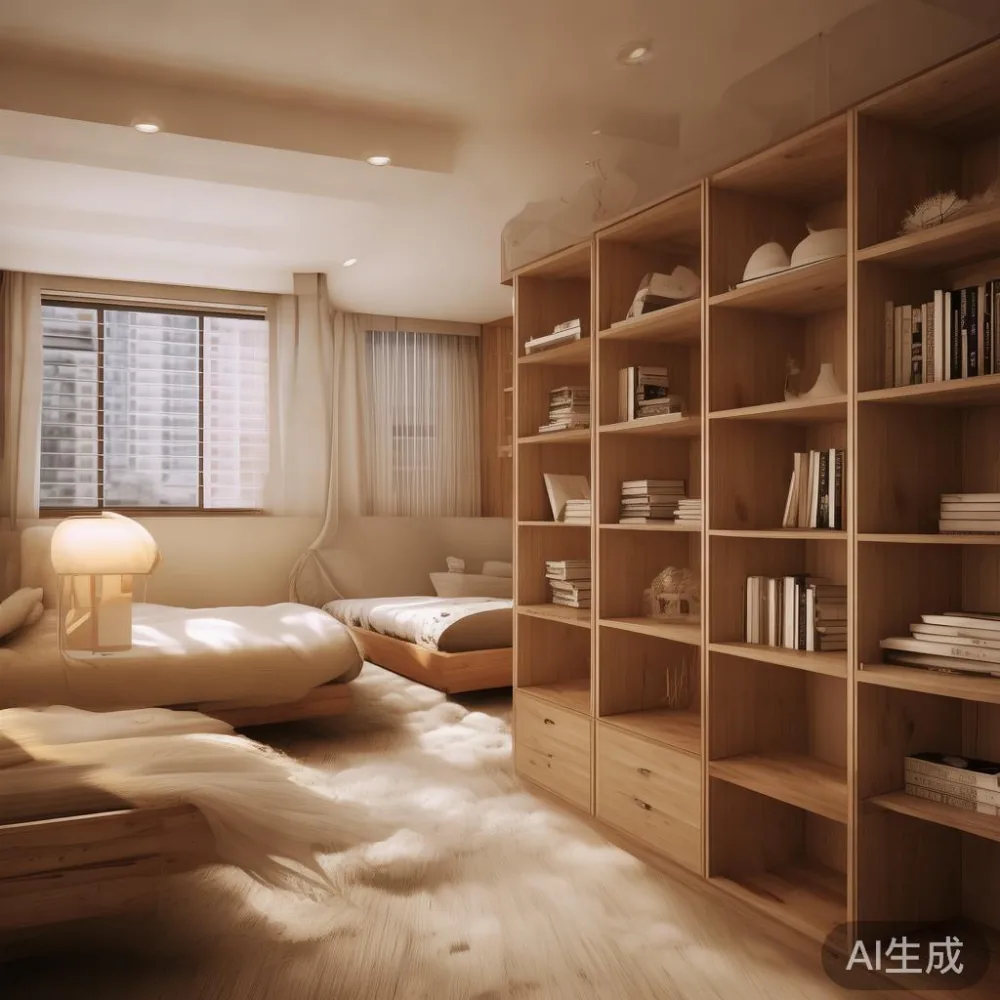
Warm minimal is not the same as Scandinavian cold, and it is not the same as Japanese wabi-sabi. It is a tone — usually oak, ash, or rubberwood with a honey or wheat stain — paired with low-saturation textiles, soft plaster walls, and one or two stones or ceramics on a shelf. The French light luxury reading of warm minimal pulls in travertine and boucle; the American light luxury reading leans toward wider arms and deeper seat depths; the post-modern light luxury reading layers in a curved silhouette and a brass detail. All three versions share the same rule: solid wood as the spine, soft materials as the skin.
Why a Solid Wood Bookshelf Is the Anchor of a Warm Minimal HDB Living Room
In a 4-room BTO, the living wall is usually between 2.4 m and 3.1 m long after you subtract the switchgear. A bookshelf that is too tall will hit the downlight; a bookshelf that is too shallow will not hold the kind of hardcovers that give the room weight. After measuring five HDB living rooms across Tampines and Sengkang in the past year, the sweet spot is a 180 cm tall, 80 cm wide, 35 cm deep unit in solid rubberwood or white oak. That footprint holds roughly 28 standard hardcovers per shelf, four shelves high, without bowing the 18 mm-thick planks. Lighter pine and MDF will sag within 18 months under that load; solid wood at 18-20 mm thickness will not.
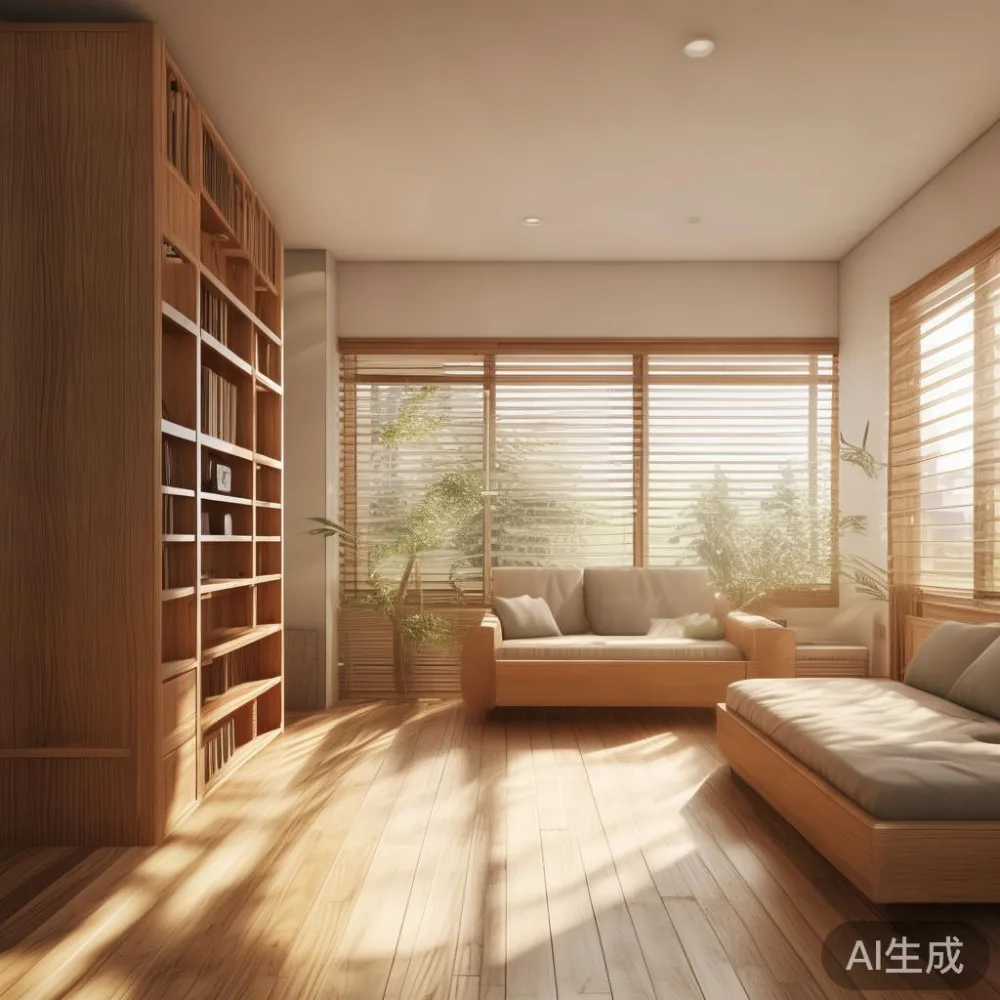
For HDB corridors, the practical limit is 200 cm length and 40 cm depth. Anything deeper will not clear the 90-degree turn at the staircase landing in older blocks like Bedok Reservoir. When MIDHILL ships a flat-pack bookshelf from Foshan, the cartons come in at 182 x 42 x 18 cm and roughly 38 kg — manageable for two movers on a trolley from the lift to the door in under 12 minutes for a unit on the 7th floor or below. For higher floors above the 14th, request a Sunday delivery slot before 11 am to avoid lift congestion.
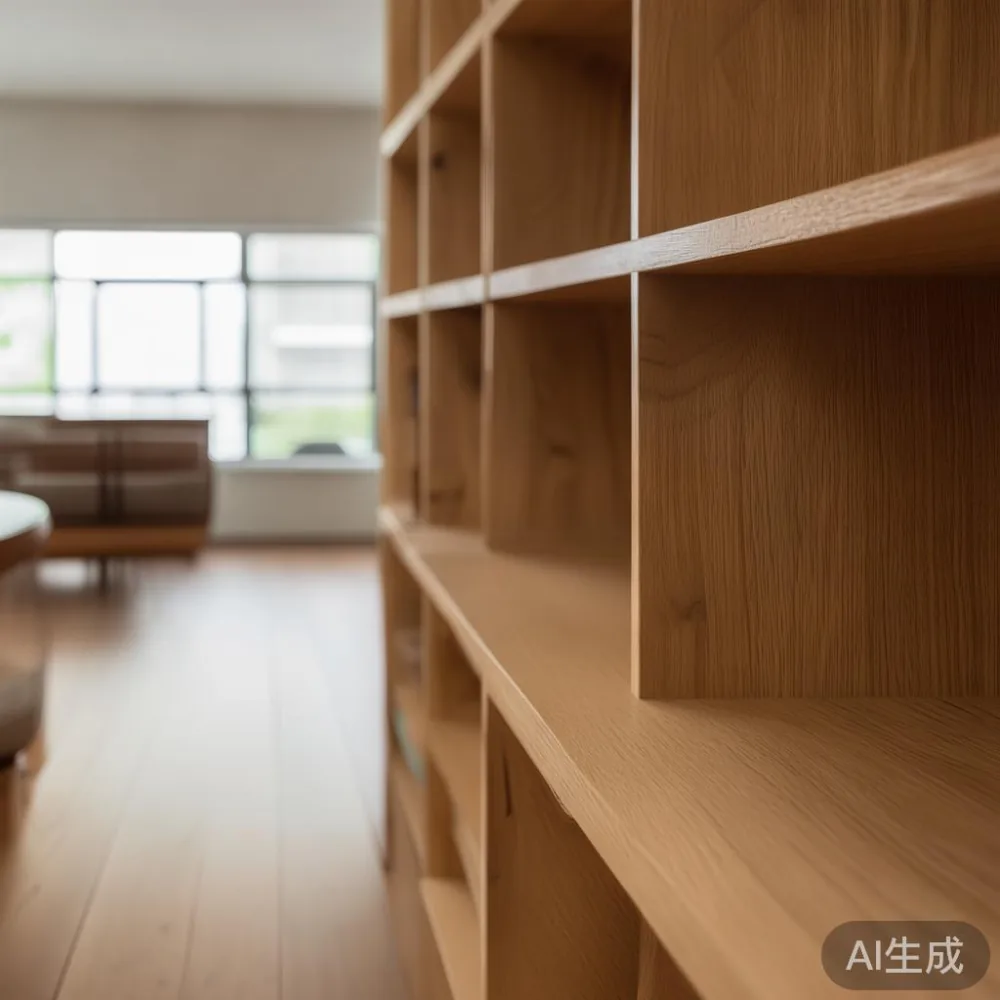
Style-wise, warm minimal wants the bookshelf to look like a piece of joinery, not a cabinet. Choose a unit with a 2 cm recessed plinth, no visible handles, and either a natural wax-oil finish or a low-sheen matte lacquer. I personally prefer the wax-oil version because it lets the grain telegraph through and it can be spot-repaired with a 200-grit sanding pad if a rental scratch appears during the next tenancy. MIDHILL's lifetime refinishing service exists precisely for this reason: a sand-and-re-oil every 6-8 years keeps a solid wood bookshelf looking like new for two decades.
What Is the Difference Between Japandi Sofa and Modern Furniture?
A Japandi sofa uses a low seat height of 38-42 cm, a solid wood frame (typically ash, oak, or rubberwood), and removable cushion covers in linen, cotton, or wool boucle; a "modern" sofa in the Singapore retail sense is usually a 45-50 cm seat height on a plywood or metal frame wrapped in foam and covered in polyester or bonded leather. The first one will last 15-20 years and can be reupholstered three times for roughly S$480-S$720 per re-cover; the second typically loses shape in 4-6 years and cannot be reupholstered at all because the frame is stapled, not mortised.
For a warm minimal HDB, the Japandi silhouette also reads calmer against the bookshelf. A 210 cm three-seater in oat boucle, sitting 40 cm off the floor on a rubberwood base, lines up visually with the horizontal shelf lines of an 80 cm wide bookshelf and keeps the ceiling at 2.7 m feeling open. Modern sofas in dark grey or black leather tend to fight warm wood tones; the eye reads them as a separate object rather than part of the same composition.
Pricing in Singapore as of mid-2026: an entry-level Japandi solid wood sofa from a Foshan direct supplier lands at S$1,480-S$2,200 for a three-seater, freight and GST included. The same money at a local multi-brand retailer buys a 220 cm modern sofa with a 2-year warranty. Over a 15-year ownership cycle, the solid wood version is roughly 35-40% cheaper per year of use.
Matching a Bed Frame, Nightstand and Wardrobe to the Same Wood Tone
The hardest warm minimal problem is not the living room — it is the bedroom, because you are matching three pieces (bed frame, nightstand, wardrobe) at once. A white rubberwood master bed in 1.8 m queen size pairs cleanly with a two-drawer nightstand at 50 x 40 x 55 cm and a sliding-door wardrobe at 200 x 220 x 60 cm, all in the same rubberwood tone and the same handle profile (or lack of handles). If even one piece is in a different wood — say, a darker acacia wardrobe from a different supplier — the room reads as a clearance floor, not a calm bedroom.
Singapore bedroom layouts in newer BTOs like Punggolshore and Bedok North give you about 3.2 m of wall for the bed plus one nightstand, and another 1.8 m for the wardrobe. That is why I always recommend the wardrobe first, then the bed frame, then the nightstand — in that order. The wardrobe is the largest object, the one that fixes the wood tone for the room, and the one most expensive to replace later. A MIDHILL wardrobe in solid rubberwood, 200 x 220 x 60 cm, weighs around 92 kg and ships in three cartons, each under 35 kg so a single HDB lift can handle them without a second trip.
For the bed frame itself, a queen white rubberwood master bed with a slatted base (no box spring needed) keeps the mattress height around 55 cm total — comfortable for getting in and out, low enough to feel minimal. Avoid bed frames with built-in storage drawers in warm minimal; the visible drawer fronts break the horizontal line. If storage is non-negotiable in a 3-room flat, choose hydraulic-lift versions where the drawers are hidden.
The Dining Table and Marble Table Pairing That Works Above 2.4 m
A common warm minimal mistake in Singapore condos is buying a 1.6 m marble table for a dining area that is only 2.2 m wide. The chairs eat 90 cm of pull-back space on each side, which leaves 40 cm of walkway — too tight for two adults to pass behind a seated diner. The rule of thumb: dining table length should be at least 60 cm less than the dining wall length, and the marble or solid wood top should be at least 90 cm wide to seat two adults per side without elbows touching.
For a 4-6 person household in a Tampines or Clementi condo, a 1.4 m solid wood dining table in rubberwood or ash, paired with a 60 cm round marble side table for the entryway, gives you two material focal points without overcrowding. The dining table is the workhorse — daily meals, laptop, two kids doing homework. The marble table is the quiet object — a single branch, a brass bowl, nothing else. The contrast is the point: warm wood against cool stone, daily use against still life.
Marble tables in warm minimal should be honed, not polished. A polished Carrara or travertine top will reflect every ceiling downlight and create a hard glare on a 2.7 m ceiling. Honed marble reads as matte plaster and lets the veining speak quietly. For Singapore humidity (often 78-85% RH in the afternoon), seal the marble twice a year with a penetrating sealer at S$28-S$40 per bottle. It takes 20 minutes and prevents the etching that lemon water and soy sauce will otherwise leave within a week.
How Do You Deliver and Assemble Solid Wood Furniture into a Singapore HDB Without Damaging the Corridor?
The honest answer is that most HDB move-ins lose at least one minor scratch, usually on a wardrobe corner or a bed frame leg, because the corridor from the lift to the door is 1.2 m wide and the furniture carton is 60-65 cm wide — that leaves only 55-60 cm of clearance on each side, which sounds fine until you add the doorframe, a fire hose cabinet, and a neighbour's shoe rack. The fix is to measure the actual corridor turn (not the one on the floor plan, the real one with the recycling bin in the corner), and to order flat-pack pieces that arrive in cartons no larger than 195 x 45 x 20 cm. Anything bigger will need to come up the service lift in a non-peak hour, usually between 10 am and 2 pm on a weekday.
MIDHILL's free shipping over US$350 (roughly S$480) covers doorstep delivery for most Singapore addresses in 18-26 days by sea freight from Foshan, with a 14-day return window if a piece arrives with more than 2 mm of visible damage on a load-bearing surface. The 10-year structural warranty covers frame cracks and joint failures; lifetime refinishing covers surface scratches, fade, and water rings. Both apply to solid wood sofa, bed frame, dining table, wardrobe, nightstand, and bookshelf orders equally.
For assembly, budget 60-90 minutes for a bookshelf, 75-100 minutes for a queen bed frame, and 120-150 minutes for a two-door wardrobe. Two people, a cordless drill with a 4 mm bit, and a rubber mallet are enough. Do not use the L-shaped allen key included in the box for the final tightening pass — it strips the inserts. Switch to a manual hex driver for the last quarter-turn on every bolt.
Budgeting a Warm Minimal Starter Set in SGD (2026)
A complete warm minimal setup for a 4-room HDB, ordered together to qualify for free consolidated shipping, lands in this range as of July 2026:
- 180 cm solid rubberwood bookshelf: S$720-S$980
- Queen white rubberwood master bed with slats: S$1,180-S$1,520
- Two-drawer rubberwood nightstand (single): S$280-S$360
- 2-door sliding rubberwood wardrobe, 200 x 220 x 60 cm: S$1,650-S$2,100
- 1.4 m solid rubberwood dining table: S$980-S$1,260
- 60 cm round honed marble side table: S$540-S$720
- Three-seater Japandi solid wood sofa in oat boucle: S$1,480-S$2,200
Total before GST: roughly S$6,830-S$9,140. Add 9% GST (the rate that applies through end-2026 for most household goods) and you land at S$7,445-S$9,963. Delivery is free above the threshold, and a single consolidated Foshan shipment takes 22 days on average to a Singapore forwarder, then 3-5 days for last-mile to your door. Compare that to buying the same pieces individually from three different local retailers over six months: you will almost always end up with one tone mismatch, one shorter warranty, and roughly 18-25% more spent.
My Punggol client ended up keeping her existing white rubberwood master bed and boucle sofa, ordered one 180 cm bookshelf and two nightstands in the matching tone, and spent S$1,420 including delivery and GST. Her living room wall now reads as one composition instead of three objects. The bookshelf carries eight hardcovers, two ceramics, and a single brass bowl. The rest is air.