The Ultimate Guide to Choosing the Perfect Bookshelf Size for Your Singapore HDB Living Room
Choosing a bookshelf for your Singapore HDB living room is more than just picking a piece of furniture; it's about making a statement and solving a spatial puzzle. With the unique layouts of HDB flats, from the compact 3-room units in Tampines to the more spacious 5-room layouts in newer estates like Punggol, the size of your bookshelf can dramatically impact the feel and function of your space. It's a balance between aesthetics, practicality, and the often-overlooked logistics of Singaporean apartment living. This guide will walk you through the process of selecting the right bookshelf, ensuring it fits not just your style, but your home.
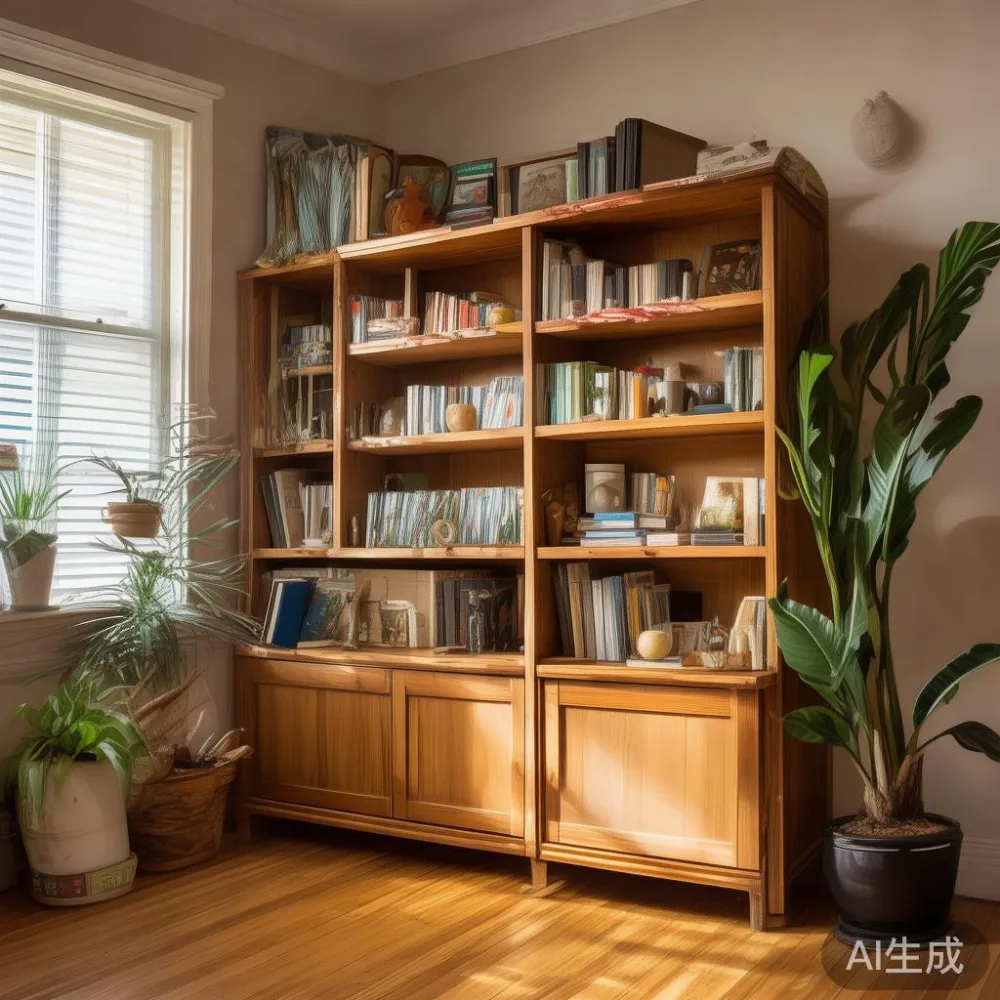
Understanding Your HDB Living Room Space
The first step is to measure your living room accurately. Most Singapore HDB living rooms are rectangular, but their dimensions vary significantly. A typical 4-room HDB living room might be around 4.8 meters by 4.2 meters. A 5-room unit could be larger, perhaps 5.2 meters by 4.8 meters. Before you even think about a bookshelf, grab a measuring tape and note the length and width of your room. Don't forget to measure the height from the floor to the ceiling, which is usually around 2.6 to 2.8 meters in standard HDB flats.
Next, consider the placement. Will the bookshelf be against a main wall, perpendicular to the sofa, or perhaps in a corner? The location dictates the maximum dimensions you can work with. For instance, a bookshelf against the wall behind the sofa is a common choice. In this scenario, the width of the bookshelf should ideally be less than the sofa's length to create a balanced, layered look. A bookshelf that is 180 cm wide paired with a 210 cm sofa is a classic and harmonious combination.
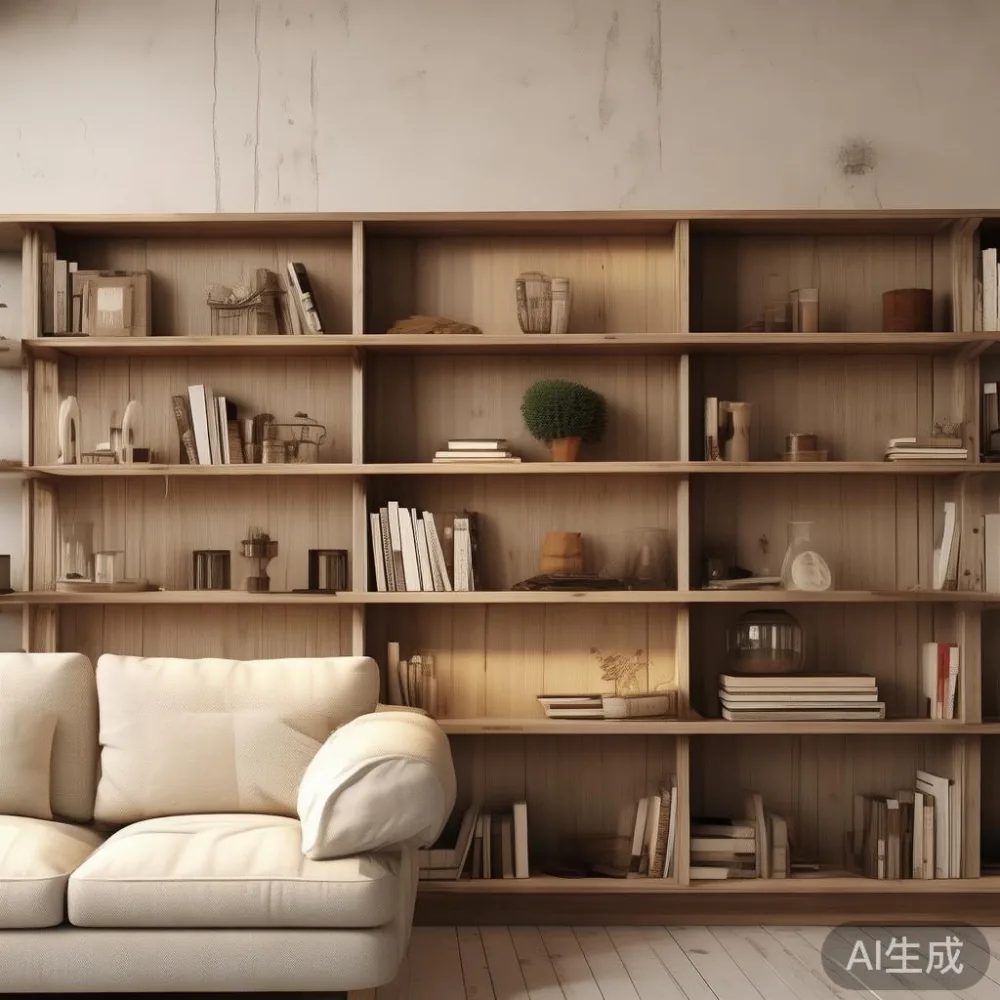
It's also wise to map out your main traffic paths. You need at least 80 cm of clear walking space to move comfortably around the furniture. A bookshelf that juts out too far can create a cramped, narrow pathway, making the room feel smaller and less inviting. Think of your living room as a canvas; the bookshelf is one element, but you need to leave room for the other pieces, like your solid wood sofa and coffee table, to breathe.
What Are the Standard Bookshelf Dimensions?
Bookshelves come in a variety of standard sizes, and knowing these is key to making an informed decision. Width is the most variable dimension. You can find narrow bookshelves as small as 60 cm wide, perfect for filling a small gap or for use as a room divider in a studio apartment. Standard-width bookshelves typically range from 80 cm to 120 cm wide. These are versatile and can fit most standard walls. For a more substantial presence, wide bookshelves can be 150 cm, 180 cm, or even wider, often modular systems that can be expanded.
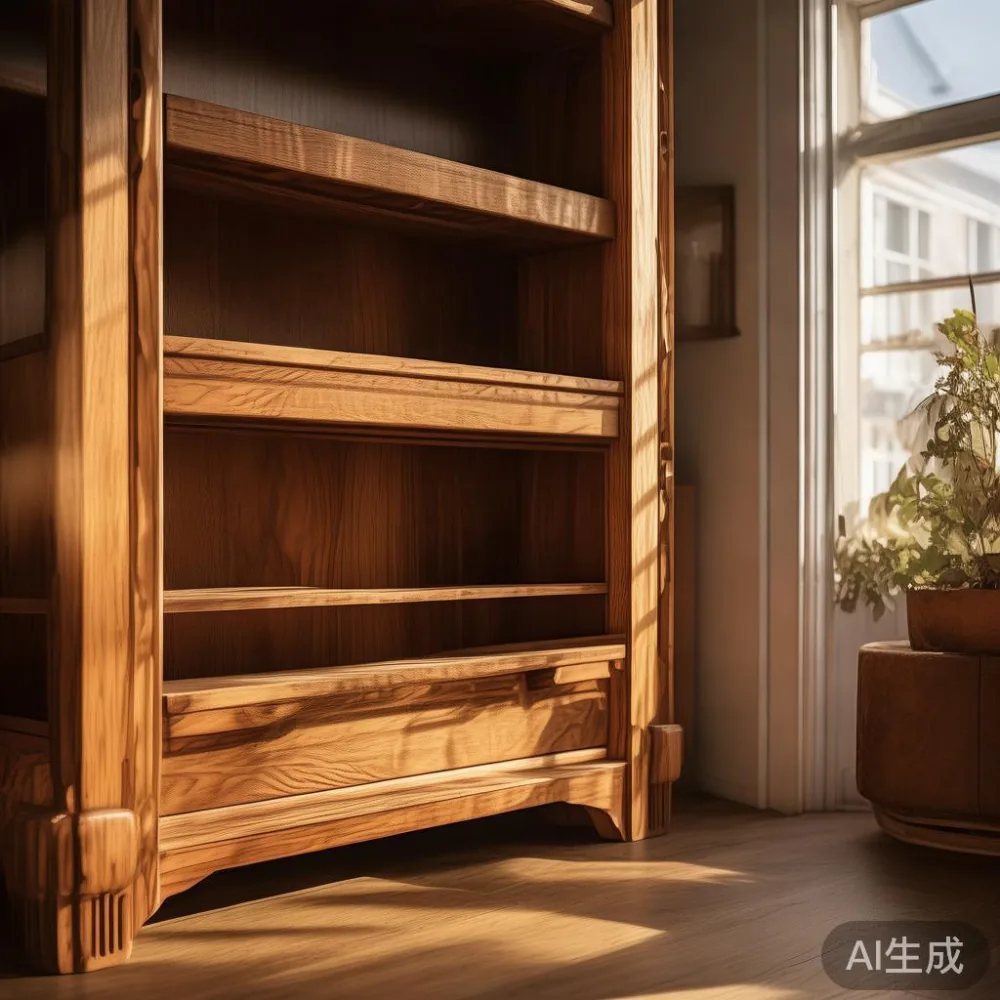
Depth is another critical measurement. Standard bookshelves are usually 25 cm to 35 cm deep. This depth is designed to accommodate standard hardcover books, which are often 20-25 cm deep. A depth of 30 cm provides a little extra space for decorative items, small plants, or even a marble table placed on top. Shallow bookshelves, less than 25 cm deep, are best for displaying smaller items or for use in tight spaces where every centimeter counts.
Height is generally less of a concern unless you have very high ceilings or need to maximize vertical storage. Standard bookshelves are around 180 cm tall, which is a comfortable height for most people to reach the top shelf without a step-stool. For taller ceilings, you might consider a bookshelf that goes up to 220 cm or 240 cm to fill the vertical space and create a more dramatic effect. However, in a standard HDB flat, a standard height bookshelf is usually the most practical and visually proportionate choice.
How to Measure for a Bookshelf in a Narrow Corridor or Lift?
This is a uniquely Singaporean challenge that many furniture shoppers overlook. You can have the perfect bookshelf for your living room, but if it doesn't fit through your front door or into the lift, it's a non-starter. Most HDB corridors are about 1.2 meters wide. Standard lifts in older estates like Bedok are typically 1.1 meters by 1.4 meters, while newer ones in Punggol might be slightly larger at 1.4 meters by 1.6 meters. Before you buy, confirm the internal dimensions of your building's lift.
When measuring the bookshelf, remember that you need to get it through the lift doors, turn it, and then get it through your front door. A bookshelf that is 80 cm wide will easily fit through most lifts and corridors. However, a piece that is 120 cm wide or more might require careful maneuvering. If you live in an older block with a smaller lift, it's always a good idea to ask the seller about the packaging dimensions. A bookshelf that arrives in a flat-pack box is often easier to transport than a fully assembled one.
Last month, I visited a client in a Tampines HDB to help with a delivery. They had purchased a beautiful 150 cm wide bookshelf online. The delivery team arrived with a perfectly sized piece for the living room, but they couldn't get it through the lift. The corridor was just too narrow to pivot the item. We had to spend an hour dismantling a small part of the bookshelf to get it through. A quick check of the lift and corridor dimensions beforehand would have saved a lot of trouble. Always measure twice.
How Many Books Do You Actually Need to Store?
A bookshelf is, first and foremost, for storing books. Be realistic about your collection. A bookshelf with five shelves, each 80 cm wide and 30 cm deep, can hold approximately 100-150 books, depending on their size and how tightly you pack them. If you are a voracious reader with a large collection, you might need a taller bookshelf with more shelves, or a wider one that allows for double-sided shelving.
However, don't let your book collection be the only factor. A bookshelf is also a display piece. Plan for a mix of storage and display. Leave some shelves open for decorative objects—ceramic vases, framed photos, or a small marble table. Others can be used for your books, arranged neatly or stacked horizontally. This creates visual interest and prevents the bookshelf from looking like a simple storage unit. A well-styled bookshelf can reflect your personal style, whether you lean towards a minimalist aesthetic or a more eclectic, curated look.
Consider the future, too. Will your book collection grow? If you are planning to expand, it might be wise to choose a slightly larger bookshelf or a modular system that you can add onto later. This is a more sustainable approach than buying a small bookshelf and finding you need a second one in two years. It also maintains a consistent look in your living room, avoiding a mismatched set of furniture.
What Style of Bookshelf Complements Your Home?
The style of your bookshelf should complement the design of your living room. For a home that embraces French light luxury, you might opt for a bookshelf with elegant, clean lines, perhaps with a matte white or soft grey finish and minimalist metal handles. This style emphasizes understated elegance and a sense of calm, allowing the books and decorative items to be the stars. The focus is on quality materials and a sophisticated, uncluttered look.
If your home has a more American light luxury or post-modern feel, a bookshelf with bolder geometric shapes, mixed materials like wood and metal, or even a two-tone finish could be a perfect fit. This style is about making a statement. It can incorporate elements of industrial design or sleek, modern lines. For instance, a bookshelf with open black metal frames and wooden shelves can add a touch of contemporary drama to a space, fitting perfectly with a modern solid wood sofa and a marble coffee table.
The choice of style also extends to the finish. Solid wood bookshelves offer a timeless, warm appeal, while lacquered finishes provide a sleek, modern look. The texture and color of the wood can dramatically change the bookshelf's character. A dark walnut bookshelf will create a more traditional, grounded feel, while a light oak or ash finish will make the space feel more open and airy. When choosing, consider the other wooden elements in your room, like your dining table or bed frame, to ensure a cohesive design story.
How Does a Bookshelf Fit into a Broader Furniture Plan?
A bookshelf doesn't exist in a vacuum. It's part of a larger furniture ecosystem in your living room. When selecting its size, think about how it will interact with your other pieces. For example, if you are looking at a light luxury sofa vs Mid-century modern sofa, the bookshelf should align with the sofa's style. A mid-century modern for bedroom might have tapered legs and organic curves, suggesting a bookshelf with similar natural wood tones and simple, functional design.
Scale is important. A large, imposing bookshelf can overwhelm a small living room with a modest sofa. Conversely, a tiny, narrow bookshelf can look lost next to a substantial sectional sofa. Aim for a sense of proportion. The bookshelf should feel like it belongs in the space, not like it was an afterthought. This is where a complete view of the room is necessary. The bookshelf, sofa, and dining table (if in an open-plan layout) should all feel like they were chosen to work together.
Don't forget about the small details. The finish of the bookshelf's hardware—brass, brushed nickel, or black matte—can tie into the other metal accents in the room, like the legs on your nightstand or the frame of a mirror. A well-coordinated color palette across all your furniture pieces, from the solid wood bed frame to the dining table, creates a harmonious and professionally designed look. This attention to detail is what separates a furnished room from a truly styled home.
What About Budget and Practical Considerations?
The price of a bookshelf in Singapore can vary widely. A simple, ready-to-assemble bookshelf from a local store might start from SGD 150. A higher-quality, solid wood bookshelf from a reputable brand like MIDHILL can range from SGD 800 to over SGD 2,500, depending on the size, wood type, and design. When setting your budget, factor in not just the cost of the bookshelf itself but also delivery and potential assembly fees.
Many retailers offer free shipping for orders above a certain amount, which is a significant saving. For example, a free shipping threshold over SGD 350 is common. This makes it more economical to purchase a larger, more substantial piece of furniture. Also, consider the warranty. A 10-year structural warranty, as offered by some makers, provides peace of mind, protecting your investment against defects. A lifetime refinishing service is another valuable feature, ensuring your bookshelf can be restored to its original beauty years down the line.
Finally, be sure to check the return policy. A 14-day return period is standard and gives you a safety net if the bookshelf doesn't fit or meet your expectations. It’s always wise to unbox and inspect the item in the room before fully assembling it. This way, you can confirm the size and style are right for your space. Taking these practical steps ensures that your new bookshelf will be a source of joy for years to come, perfectly suited to your Singapore HDB living room.
Why is a Bookshelf More Than Just Storage?
A bookshelf is one of the most versatile pieces of furniture you can own. In a Singapore HDB where space is at a premium, a bookshelf can serve multiple functions. It can act as a room divider in a studio apartment, creating a sense of separation between the living and sleeping areas without the need for a wall. It can also define a space, anchoring the seating area in an open-plan layout and providing a backdrop for your sofa.
Psychologically, a bookshelf filled with books creates an atmosphere of intellect, comfort, and personality. It tells a story about the people who live in the home. A well-organized bookshelf can be a source of inspiration, while a more eclectic one can reflect a creative and free-spirited lifestyle. It’s a place to showcase your travels, your interests, and your favorite reads. This personal touch is what makes a house feel like a home.
For those working from home, a bookshelf can also contribute to a productive environment. The phrase 'Modern light luxury for office' can be applied to a home study setup, where a sleek, elegant bookshelf not only stores professional books but also improves the entire aesthetic of the workspace. It creates a dedicated, sophisticated area that is conducive to focus and creativity, blurring the lines between professional and personal life in a stylish way.
What are the Common Mistakes to Avoid When Choosing a Bookshelf?
One of the most common mistakes is choosing a bookshelf that is simply too big for the space. People often fall in love with a piece and don't accurately measure how it will fit. This can make a room feel cluttered and oppressive. Always measure your space and the item's dimensions, including the depth, which can protrude into the room more than you expect.
p>Another error is ignoring the style of the existing furniture. A bookshelf should feel like it belongs in the room. Placing a highly ornate, traditional bookshelf in a minimalist, modern living room will look out of place. Conversely, a stark, ultra-modern bookshelf might clash with a room that features softer, more rustic elements. Consistency in style, or at least in complementary styles, is key to a cohesive look.
Finally, don't underestimate the importance of accessibility. If a bookshelf is too tall, you might find yourself using only the bottom few shelves, wasting the space above. If the shelves are too deep, items at the back can become hard to reach and collect dust. Think about how you will use the bookshelf on a daily basis. A good design is not only beautiful but also functional and practical for your lifestyle.
How to Style Your New Bookshelf Like a Pro?
Once you've chosen the perfect bookshelf, styling it is the final step to making it shine. Start by arranging your books. You can place them vertically, horizontally, or a mix of both. Grouping books by color or size can create a visually appealing pattern. Use bookends to keep them tidy and add a decorative element. Leave at least 30% of the shelf space empty for other items to prevent it from looking overcrowded.
Incorporate objects of varying heights and textures. Place a tall ceramic vase next to a stack of shorter books. Add a small sculpture, a framed photo, or a plant. You could even place a small marble table on one of the lower shelves to create a mini display area. The key is to create visual interest by mixing and matching different items. This approach works whether you're styling a bookshelf next to a Japanese sofa vs Modern sofa or placing it in a dining nook with a 'Nordic for dining room' table.
Lighting can also transform a bookshelf. Consider adding small, battery-operated LED lights inside the cabinet or clip-on lights to highlight specific shelves. This not only makes it easier to find your books but also creates a warm, ambient glow in the evening, turning your bookshelf into a stunning feature. A well-lit bookshelf adds a new dimension to your living room, showcasing your personal style and collection beautifully.