The Silent Enemy: How Humidity Affects Your Wood Bookshelf in Singapore
Singapore, with its perpetual warmth and high humidity, presents a unique environment for solid wood furniture. While the lush greenery is a proof of the island's vibrancy, the same conditions that sustain nature can pose a significant challenge to the integrity of your cherished wooden bookshelf. The constant moisture in the air is a silent, persistent force that can cause wood to swell, warp, crack, or lose its structural integrity over time. For homeowners in HDB flats and condos across the island, from the newer developments of Punggol to the established neighbourhoods of Tampines and Bedok, understanding this dynamic is key to preserving the beauty and longevity of their furniture investments. This article explores the science behind humidity's effects on wood and offers practical advice to ensure your bookshelf remains a stable and elegant part of your home for decades.
What Exactly is Humidity and Why Does It Matter for Wood?
At its core, humidity refers to the amount of water vapour present in the air. In Singapore, the relative humidity rarely dips below 60% and often hovers between 80% and 90%, especially during the monsoon seasons from November to January. This level of moisture is a natural part of our tropical climate. However, for solid wood, which is a hygroscopic material, this constant exposure to humidity means it is constantly absorbing and releasing moisture.
Think of a piece of wood like a sponge. When the air is humid, the wood absorbs moisture from the atmosphere, causing its fibres to expand. Conversely, in a drier environment, it releases moisture and contracts. This natural process, known as movement, is inherent to all wood. The problem in Singapore isn't the movement itself, but the frequency and intensity of the cycles. A bookshelf made of solid wood, like the ones crafted by Foshan-based makers since 2008, is designed to withstand these changes. However, when the expansion and contraction happen too rapidly or without proper acclimatisation, it can lead to visible and structural damage. The goal is to manage this movement, not to stop it entirely.
How Humidity Warps and Damages Your Bookshelf
The effects of high humidity on a bookshelf can manifest in several ways, ranging from subtle aesthetic changes to severe functional impairments. The most common issue is warping. This occurs when one part of the wood absorbs more moisture than another, causing it to swell unevenly. For a bookshelf, this might look like a shelf bowing in the middle, creating a concave surface where your books once sat flat. Over time, this warping can become so pronounced that the shelf can no longer support the weight of its contents, potentially leading to sagging or, in extreme cases, collapse.
Another tell-tale sign is cracking. As wood absorbs a significant amount of moisture and then dries too quickly, the surface fibres can shrink faster than the core of the wood. This tension causes the surface to split, resulting in unsightly cracks. These cracks often start small but can deepen and widen with continued exposure to humidity cycles. For a bookshelf, this not only affects its appearance but can also weaken its joints. The constant swelling and contracting can also loosen the screws and dowels that hold the frame together, compromising the entire structure. A bookshelf that was once rock-solid might begin to wobble or feel unstable, a clear sign that humidity is taking its toll.
Why Your HDB Flat or Condo is a Humidity Hotspot
The design of Singapore's public housing and private apartments can inadvertently create microclimates of high humidity that are even more intense than the general outdoor climate. Consider the layout of a typical HDB flat. The corridor, which is often a long, narrow space, can trap warm, moist air. If the bookshelf is placed near the entrance, it's constantly exposed to the humid air from outside and the corridor. The same applies to lift lobbies, which are busy, enclosed spaces where air circulation can be poor. Without proper ventilation, these areas become humidity traps, accelerating the wood's moisture absorption.
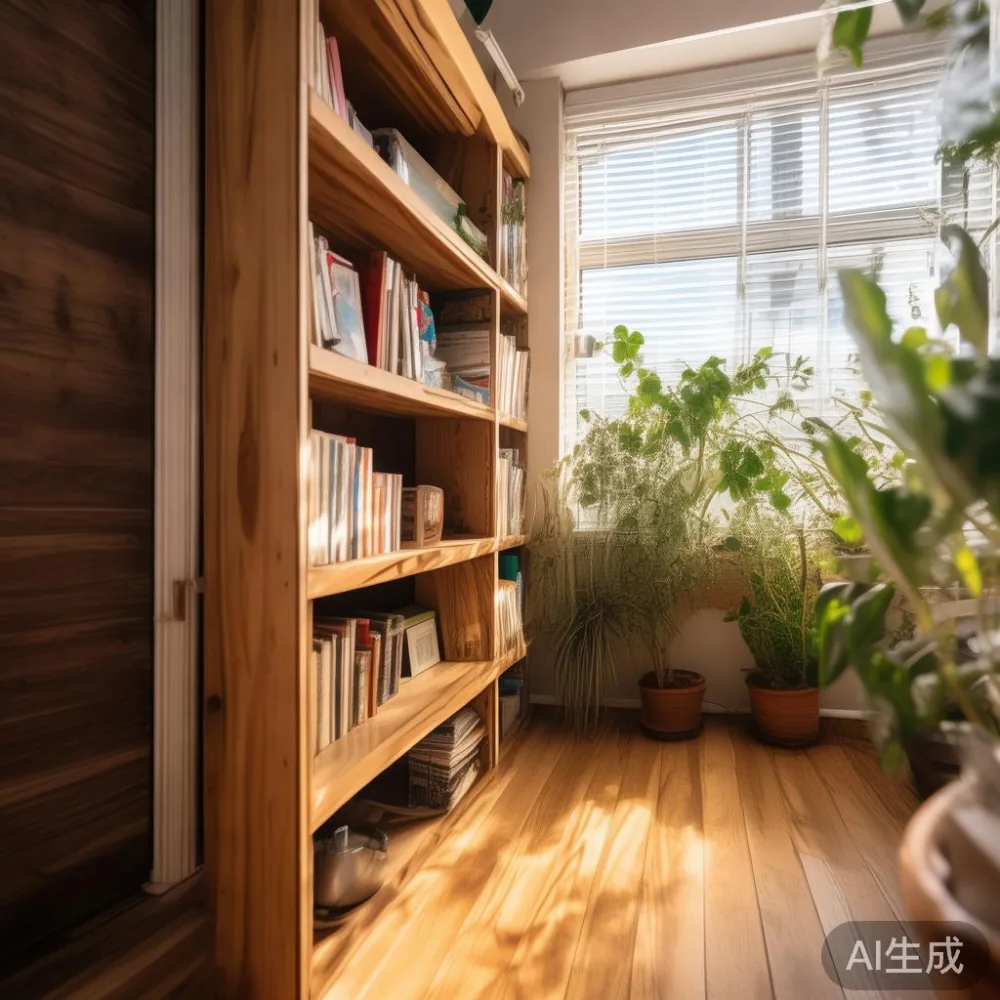
Specific locations within your unit are particularly vulnerable. Bathrooms and kitchens are obvious sources of moisture, but even living rooms and bedrooms can be problematic if they lack airflow. Placing a bookshelf directly against an external wall, especially in older buildings with less effective insulation, exposes it to temperature and humidity fluctuations from outside. In newer developments like Punggol, where large windows are common, a bookshelf placed in direct sunlight can experience rapid temperature spikes, causing the wood to dry out quickly and potentially crack. Understanding these local environmental factors is the first step in protecting your furniture. A bookshelf needs to be positioned and cared for with these specific conditions in mind.
How to Choose a Bookshelf That Can Handle Singapore's Climate?
When selecting a bookshelf for your Singapore home, the material and construction are paramount. Solid wood is always a superior choice over veneers or particleboard because its entire thickness can expand and contract more uniformly. However, not all solid woods are created equal. Hardwoods like teak, oak, and walnut are generally denser and more stable than softwoods like pine. They are less prone to warping and can better withstand the high humidity. The construction method is equally important. A well-made bookshelf will use techniques like mortise and tenon joints or dowels with glue, which are more flexible and can accommodate the wood's movement better than simple screw-together frames.
It's also wise to consider the finish. A high-quality, multi-layered lacquer or oil finish acts as a protective barrier, slowing down the rate at which moisture can penetrate the wood. For those concerned about budget, it is possible to find affordable solid wood options. The key is to look for a reputable manufacturer that understands the local climate. For instance, a company with over 15 years of export experience to Southeast Asia would have developed products specifically suited for these conditions. Their bookshelves might feature design elements like small gaps in the back panels or between shelves to allow air to circulate, preventing moisture from becoming trapped inside the unit. This attention to detail is what separates a durable piece of furniture from one that will quickly deteriorate in our climate.
Can I Place My Bookshelf in a Bathroom or Next to a Window?
The short answer is that it's generally not advisable to place a solid wood bookshelf in a bathroom or directly next to a window that gets a lot of sun in Singapore. Bathrooms present the most extreme conditions, with high humidity from showers and potential for water splashes. The constant, direct exposure to moisture is a recipe for disaster, leading to rapid swelling, warping, and mould growth. While a bookshelf with a very durable finish might survive for a short period, it is not a suitable long-term placement.
Placing a bookshelf next to a large, sun-facing window is also problematic. While the sunlight itself doesn't directly harm the wood, the heat it generates causes the wood to dry out quickly. This rapid drying creates a high level of internal stress, which can lead to cracking. Also, the area near a window often experiences significant temperature fluctuations between day and night, exacerbating the expansion and contraction cycle. The ideal location for a bookshelf is in a part of your home with stable, moderate temperatures and good air circulation, away from direct sources of heat, moisture, and intense sunlight. This ensures a more consistent environment, allowing the wood to acclimate and move naturally without being subjected to extreme stress.
Practical Care and Maintenance for Your Wooden Bookshelf
Proper care is the most effective way to mitigate the effects of humidity on your bookshelf. The first and most important rule is acclimatisation. Before assembling or placing your new bookshelf, let it sit in its intended room for at least 48 hours. This allows the wood to gradually adjust to the temperature and humidity of its new environment, minimising the shock of sudden change. Once in place, regular dusting with a soft, dry cloth is important. Dust can trap moisture against the wood's surface, so keeping it clean helps prevent the build-up of humidity in direct contact with the furniture.
Using a dehumidifier is one of the most effective strategies, especially during the more humid months. Running a dehumidifier in the room where your bookshelf is located can help maintain a relative humidity level between 45% and 55%, which is ideal for solid wood. It's also important to avoid placing hot or wet objects directly on the shelves. Always use coasters for drinks and avoid placing potted plants directly on the wood, as the water from the pot can seep into the grain. For minor scratches or wear, a simple furniture paste wax or oil can help restore the finish and provide an extra layer of protection. This simple maintenance routine can add years to the life of your bookshelf, ensuring it remains a beautiful and functional part of your home.
A Personal Experience with Humidity and Furniture Longevity
Last month, I visited a client's condominium in Bedok. She had purchased a beautiful solid wood bookshelf from a local supplier five years prior. When I first saw it, I was struck by how much it had deteriorated. The shelves were noticeably bowed, and the finish on the sides had a network of fine cracks. She mentioned that the unit was near the corridor and she had never used a dehumidifier. The bookshelf was visibly struggling with the constant humidity. I explained that the warping was a direct result of the wood absorbing too much moisture over the years without a chance to dry properly. This real-world example perfectly illustrates how a lack of awareness and simple preventative measures can lead to the premature aging of a fine piece of furniture. It’s a common issue, but one that is entirely manageable with the right knowledge.
Investing in Quality: The Value of a 10-Year Structural Warranty
When purchasing a bookshelf or any solid wood furniture for your Singapore home, it's wise to consider the long-term value and protection offered by the manufacturer. A 10-year structural warranty, for example, is a strong indicator of a company's confidence in its products. This warranty specifically covers the frame, joints, and structural integrity of the bookshelf, protecting you against defects that could arise from the wood's movement. It shows that the manufacturer has designed their products with the challenges of humid climates in mind, using high-quality materials and superior construction techniques.
Such a warranty provides peace of mind, knowing that your significant investment is protected. It also reflects the company's commitment to durability. For instance, a Foshan-based manufacturer established in 2008 with a history of exporting to over 15 countries would likely offer such a warranty. Their experience in diverse markets has taught them to build furniture that can withstand various environmental stresses. When combined with a lifetime refinishing service, this creates a comprehensive support system. Should your bookshelf's finish ever wear down due to the harsh Singaporean climate, you can have it refinished, restoring it to its original beauty. This level of after-sales service is a hallmark of quality furniture brands that stand behind their products for the long haul.
The True Cost of Furniture: Beyond the Price Tag
When shopping for a bookshelf, it's easy to be swayed by the initial price. A cheap, mass-produced unit might seem like a bargain, especially when compared to a solid wood piece that costs several hundred dollars more. However, the true cost of furniture is not just the purchase price; it's the total cost of ownership over its lifetime. A cheap bookshelf made from low-quality materials or veneers may last only a few years in Singapore's humid climate before it warps, cracks, or falls apart. You would then have to replace it, incurring the cost of a new purchase and the hassle of disposal.
p>In contrast, a well-made solid wood bookshelf, while a larger initial investment, is designed to last a lifetime. It's an heirloom piece that can be passed down through generations. When you consider the cost per year of use, a durable bookshelf becomes significantly more economical. Also, many reputable sellers offer free shipping for orders above a certain value, such as SGD 350, and a 14-day return policy, which allows you to inspect the furniture upon arrival. This reduces the financial risk associated with a larger purchase. For example, a high-quality bookshelf might cost SGD 1,200, but with free delivery and the assurance of a 10-year warranty, it represents a sound financial decision that will save you money and frustration in the long run.
Final Thoughts on Protecting Your Furniture Investment
Owning a solid wood bookshelf in Singapore is a pleasure, offering both functionality and timeless beauty. The key to enjoying it for decades lies in understanding and respecting the relationship between wood and humidity. By choosing the right materials, placing your furniture wisely, and performing simple, regular maintenance, you can successfully manage the challenges of our tropical climate. It’s about creating a stable environment for your bookshelf, allowing it to live and breathe naturally without being subjected to extreme stress.
Your home is a sanctuary, and the furniture within it should reflect that. A well-cared-for bookshelf is more than just a storage unit; it's a piece of art that adds character and warmth to your space. It’s an investment in your home's aesthetic and your own comfort. With a little knowledge and effort, you can ensure that your bookshelf remains a proud and sturdy fixture in your HDB flat or condo, from Tampines to Punggol, for many years to come.