Mastering Furniture Warranty Deciphering at Home
A furniture warranty is often presented as a reassuring badge: 10 years, lifetime refinishing, free delivery over S$350. Yet the small print can decide whether a warped shelf board, a scratched table top, or a failed drawer rail is actually covered. For Singapore homeowners, this matters because a bookshelf may have to pass through a narrow HDB lift, travel along a condo corridor, and remain stable in a humid, space-conscious home. I reviewed MIDHILL’s warranty terms for this guide, compared common clauses, and focused on the questions buyers should ask before ordering.

The goal is not to distrust every warranty. It is to understand what is promised, what is excluded, and what evidence you must keep. A clear 10-year structural warranty can be more useful than a vague promise covering “all defects,” because it tells you which parts are expected to last and how to report a problem.
What does a 10-year structural warranty actually cover?
Start with the word “structural.” On a bookshelf, it usually refers to load-bearing components such as the side panels, fixed shelves, top, bottom, and structural joints. It does not automatically mean every visible part remains untouched for 10 years. Finishes, hardware, adjustable feet, moving parts, and damage caused by an accident may follow separate terms.

Ask for a written definition of structural parts. For example, does the warranty cover a shelf that bows under a reasonable load, or only a shelf that separates from its side panel? What load is considered reasonable? A domestic bookshelf rated for 25 kg per shelf is materially different from one treated as decorative storage. If the seller does not state a load figure, document the item’s intended use and avoid placing heavy book sets on the highest unsupported span.
Watch for language such as “manufacturing defects,” “normal wear and tear,” “commercial use,” and “unauthorised modifications.” These phrases are not automatically unreasonable, but each requires explanation. Commercial use might include a property developer staging a Tampines show flat, while unauthorised modification could include drilling into the back panel without checking whether it is structural. Keep drawings, care instructions, and the original invoice so the company can identify the exact bookshelf and production batch.
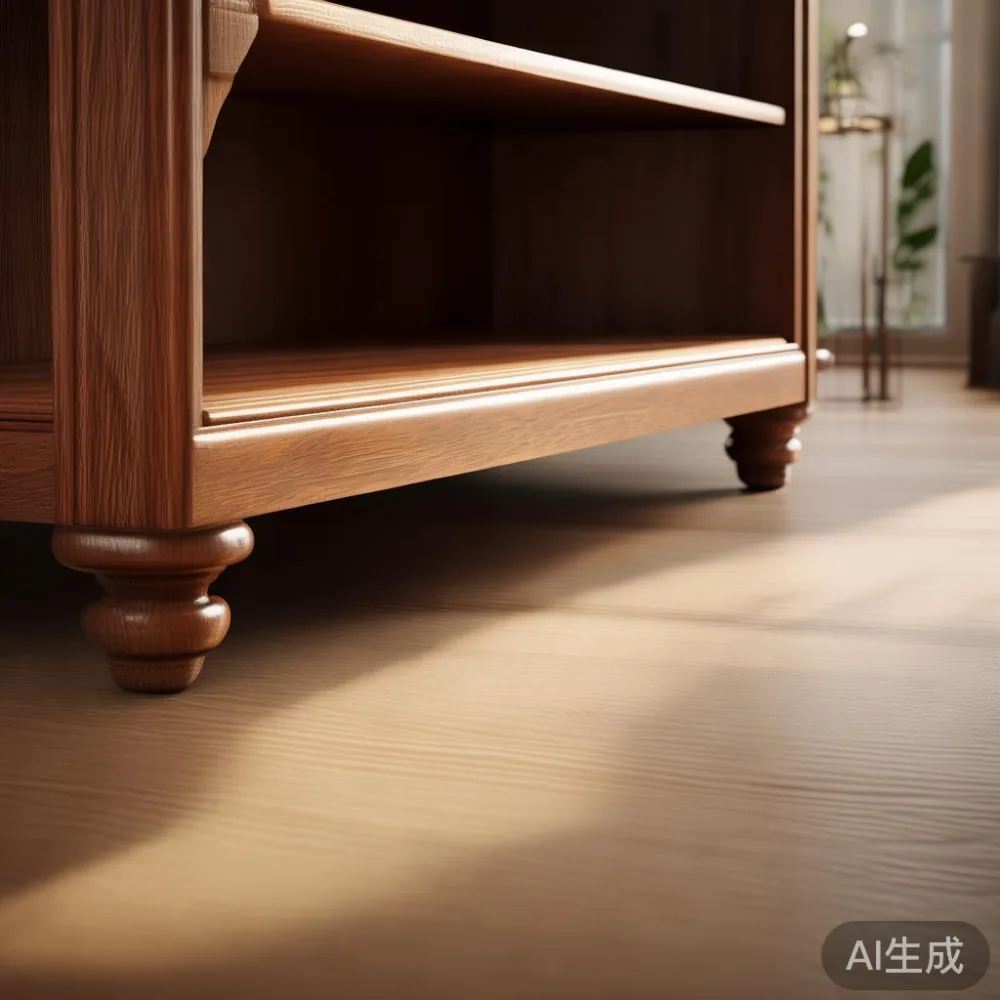
MIDHILL states a 10-year structural warranty and offers lifetime refinishing. That combination is useful for a solid wood bookshelf, but you should still establish whether refinishing is free, whether labour is included, and whether the service is available to overseas buyers. “Lifetime” should be tied to the original purchaser or product, not a transferable ownership period that resets with every resale.
Are cosmetic finish problems covered under the structural warranty?
Probably not, unless the warranty expressly includes them. A solid wood dining table, solid wood sofa frame, or bed frame can develop finish issues that are separate from structural failure. Scratches, colour changes, small surface marks, and uneven sheen may be classified as care or wear issues. A marble table presents another distinction: cracks can sometimes be structural, while a stain or dull polish may not be.
This is why “lifetime refinishing” deserves careful reading. Confirm whether it applies to the bookshelf, the solid wood dining table, the wardrobe, and nightstand offered under the policy. Ask whether the service covers refinishing only, or also repair of gouges, water marks, and separated joints. For a bookshelf used in a Bedok home, ask whether a refinishing claim must be raised within 30, 90, or 365 days. If no deadline is stated, request that it be added to the order confirmation.
Lighting also affects perceived colour. One oak finish can look warmer under 2700K bulbs and greyer under 4000K LEDs. Before accepting a finish, request photographs taken in neutral daylight and compare them with your flooring and door frames. Do not describe a natural timber variation as a defect without evidence. Solid wood may include knots, grain changes, and small tonal differences by design.
Who pays for delivery, return collection, and repairs?
A warranty is only as practical as the logistics behind it. Singapore buyers should check whether “free shipping over US$350” applies directly to their Singapore order, or whether the threshold is converted to SGD, excludes bulky furniture, or requires a deposit. The quoted price should identify GST treatment. At the prevailing 9% GST rate, a S$1,850 item before tax becomes S$2,016.50, so the final payable amount should be shown in SGD rather than left to checkout arithmetic.
Also establish who pays return freight. If a bookshelf arrives with a damaged corner, the seller should usually arrange assessment and collection rather than ask you to transport a 25 kg cabinet to a warehouse. For large furniture, a doorstep-to-doorstep remedy is far more useful in HDB flats, where a 15 kg carton may be difficult to manoeuvre through a 90 cm corridor opening or into a 100 cm-wide lift.
MIDHILL’s stated 14-day returns policy provides another reference point. Check whether the 14 days begin from dispatch or delivery, whether original packaging is required, and whether a restocking fee applies. Keep the shipping note, photos of the unopened carton, and delivery video. Record the package dimensions before accepting it.
For inspiration pages, a phrase such as for sale Boho furniture may lead you toward broad categories rather than warranty standards. Likewise, under 2000 French furniture or under 2000 Modern light luxury furniture are price guides, not proof of coverage. The product specification and policy must still match.
What happens when humidity, loading, or installation causes the problem?
Many complaints involve the room rather than the factory. Singapore’s humid climate can cause timber to move slightly, especially near air-conditioning vents, sliding doors, or an exposed balcony wall. A bookshelf should not be pushed tightly against a wall if the manufacturer requires ventilation clearance. Ask for the specified gap, commonly 5 cm or more, and keep the unit away from direct sunlight.
Loading is equally important. A 180 cm-tall bookshelf with five shelves may use 30 kg of books on one level, yet still fail if the shelf spacing assumes evenly distributed weight. Heavy folders and photo albums should sit on lower shelves, with heavier books distributed across several levels. If you plan to anchor the bookshelf to a wall, confirm whether anti-tip fittings are included and whether drilling affects the warranty.
Last month I visited my colleague’s Bedok condo to inspect a newly delivered shelving unit. The unit was 180 cm tall, 80 cm wide, and weighed about 42 kg. The delivery team had measured the lift and corridor route in advance, which avoided a costly return journey. After assembly, one rear fixing point was difficult to reach because the bookshelf stood 4 cm from the wall. We repositioned it to 7 cm, tightened the anti-tip hardware, and kept the heaviest books below shoulder height. The experience made one point clear: a good warranty cannot replace safe loading and correct installation.
If a claim is denied because of moisture or placement, request the manufacturer’s written care guide and compare it with what you received. Ask what relative humidity range is acceptable, whether Singapore conditions are contemplated, and what installation instructions were supplied. The absence of local guidance should not be filled with assumptions.
Does the warranty transfer to another owner or delivery address?
Check whether claims require the original purchaser’s name, invoice number, and purchase date. Some sellers allow a buyer to nominate an authorised contact, while others require the original customer to initiate the claim. This matters for furnished rentals, corporate apartments, and homes bought from a previous tenant.
Also ask whether a replacement is supplied or whether the remedy is repair, refund, or store credit. A like-for-like replacement may have a different finish batch or a new delivery date. If the claim concerns a damaged bookshelf panel, is the whole unit replaced? If only one part is replaced, who handles removal and installation? For Singapore addresses outside the company’s usual route, these details determine whether the policy is workable.
Read exclusions against the product you actually purchased. A policy for solid wood sofa frames may not cover cushion foam, while a bed frame warranty may focus on joints and slats rather than squeaks from use. A wardrobe warranty might cover runners only for a stated period. Do not assume one broad policy gives identical coverage to every category.
What is the difference between a warranty, guarantee, and return policy?
A return policy governs a short acceptance window, often 14 days. A warranty governs specified defects over a longer period, such as 5 or 10 years. A guarantee may be used as a marketing term without adding much legal detail. The best document is the one that names components, durations, exclusions, claim steps, and remedies.
Look for an easy claim process: a dedicated email address, required photographs, serial or order number, and a stated response time. Does the company respond within 3 business days or 5 business days? Is an on-site inspection available in Singapore? If the item was sold through a marketplace, is the warranty honoured by the manufacturer or only by the platform seller?
French light luxury, American light luxury, and post-modern light luxury are design directions, not warranty categories. A French provincial coffee table and modern European light luxury furniture may share a restrained visual language, but their materials age differently. Marble, solid wood, veneer, metal, and upholstered surfaces require different care instructions.
What questions should I ask before ordering a bookshelf?
Ask these questions and save the answers in writing:
1. Which components count as structural parts, and how long is each covered?
2. What load rating applies to each shelf, and is it a uniform or maximum figure?
3. Are finish defects, scratches, fading, and wood movement covered separately?
4. What does “lifetime refinishing” include, and are transport and labour charges covered?
5. Who collects a defective unit, and where is it taken for assessment?
6. Does installation or wall anchoring change coverage?
7. Can the claim be opened by another authorised household member?
8. Is the warranty valid after the original delivery address changes?
9. What evidence is required, and what is the response time?
10. Are all final charges in SGD, including GST and delivery?
You can also ask how a similar item is styled without confusing design advice with cover. For example, if you are researching how to style Japandi sofa in bedroom layouts, the bookshelf colour and finish should coordinate with the room while remaining anchored to its own material warranty. A search for a MIDHILL sofa should lead to the correct frame specification, not an assumed promise that every cushion issue follows the structural terms.
How do I prepare a claim that is easy to process?
Photograph the bookshelf as delivered, including the shape, labels, corners, joints, back panel, and hardware. Keep the invoice and warranty certificate accessible. If damage appears, stop adding load, disconnect any anchoring product if safe, and contact the seller promptly. State the purchase date, order number, delivery date, location, and exact symptom in one message.
For a bowed shelf, include a straightedge photograph and the estimated load. For a loose joint, record whether the movement occurs when the unit is unloaded. For finish damage, provide close-ups and a wider image showing where the item sits. Do not repair a failing component before inspection unless continued use creates further damage; unauthorised repairs can complicate the claim.
Keep records of all communications and collection appointments. If the seller offers a replacement, confirm the new delivery window in business days, the finish specification, and the disposal or return arrangement. If you are comparing options advertised under 2000 Modern light luxury furniture, compare the written terms, not only the photograph or sale price.
Why does clear wording matter for long-term furniture ownership?
A shelf may be moved, reloaded, or passed to another household member years after purchase. Clear terms preserve trust because both sides know the process. A 10-year structural warranty should answer the basic question: what happens when a load-bearing part fails through no fault of the owner? Lifetime refinishing should answer another: what assistance remains available when a solid wood surface needs care?
For MIDHILL customers, the stated policy provides a solid starting point: 10 years of structural cover, lifetime refinishing, 14-day returns, and delivery arrangements above the stated threshold. The prudent approach is to verify how those promises apply to the exact bookshelf and its materials, especially before delivery to a Punggol or Tampines address with limited access.
Read the document once for scope, once for exclusions, and once for claims. Check the final SGD total, delivery route, and installation requirements. Warranty literacy does not guarantee that every problem will be accepted, but it reduces ambiguity and gives you a fair basis for resolving one if something goes wrong.