Bookshelf Costs Unveiled: Solid Wood in Singapore
Solid wood furniture is often sold with a long list of appealing words: solid, solid oak, kiln-dried, hand-finished, French provincial, American light luxury. Those words can be useful, but they do not tell you exactly what you are paying for. The price of a solid wood bookshelf, dining table, bed frame or wardrobe is shaped by measurable factors: timber species and grade, board dimensions, joinery, finish, hardware, design complexity, quality control, packaging and delivery.

In Singapore, those practical factors become even more visible in an HDB flat or condo. A 180 cm wide bookshelf may fit the living room of a Tampines flat, yet the same piece can be awkward to move through a 90 cm corridor or into a 100 cm lift. A dining table may look affordable until you account for a 12-person HDB lift booking, GST and the stair landing. Price is not just a showroom number; it is the total cost of getting a well-made piece safely into the room where it will be used.
MIDHILL describes itself as a Foshan solid wood furniture maker established in 2008, with exports to more than 15 countries, a 10-year structural warranty, lifetime refinishing, free shipping above US$350 and 14-day returns. Those service promises matter, but the clearest way to judge value is still to compare the physical product: how much solid wood is used, how it is constructed, how the surface is protected and what happens if something goes wrong.
Is timber species the biggest price driver for solid wood furniture?
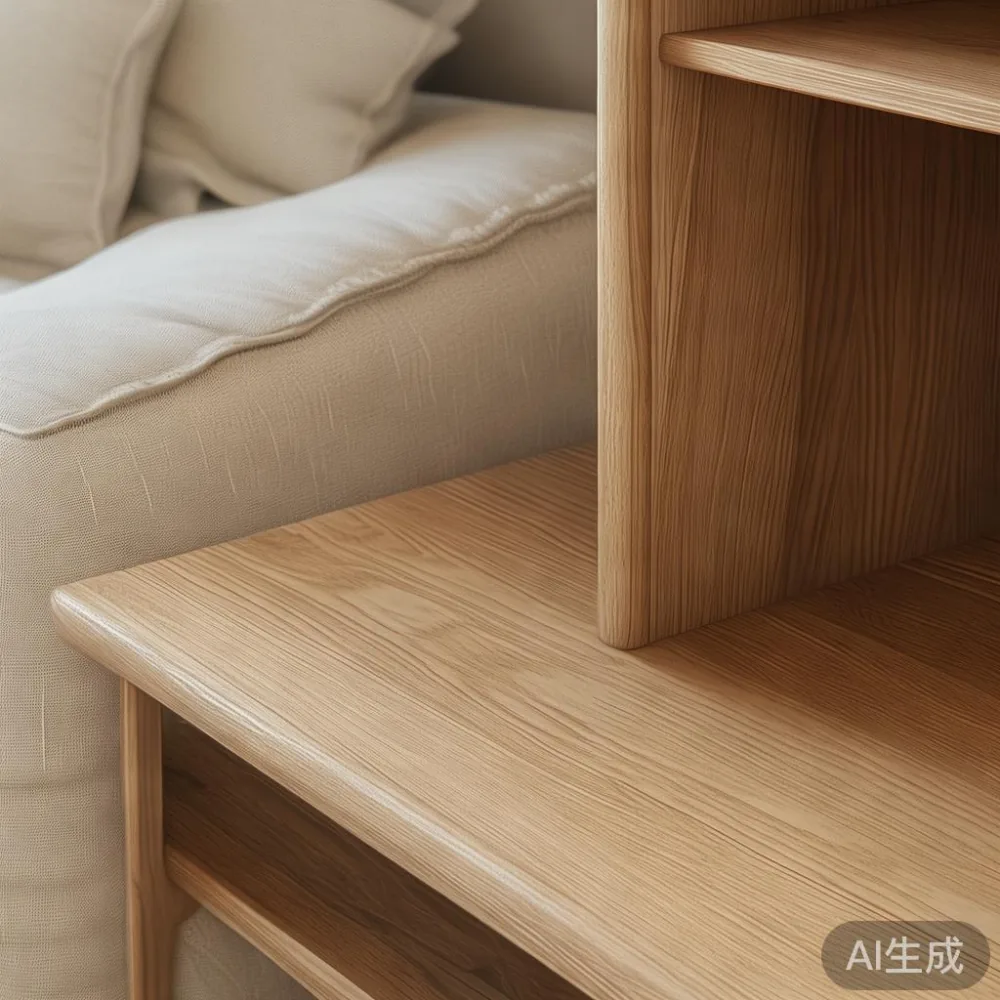
Timber species is one of the largest price drivers, but “solid wood” is a category, not a specification. Teak, oak, ash, beech, walnut, cherry and rubberwood have different prices because of their availability, grain, workability, movement properties and market demand. A solid teak bookshelf may use premium teak for the shelves, frame and back panels. A lower-cost version might use a different species for concealed parts while retaining teak on visible surfaces. Both can truthfully be described as solid wood furniture, yet they are not equivalent products.
Look for the species on the product page, not only in the lifestyle photograph. Also check whether every visible component has the same specification. Some dining tables use one wood for the top and another for the legs. Some wardrobes combine solid timber frames with plywood backs or drawer bottoms to control movement and cost. Neither approach is automatically wrong. It matters when the construction suits the application and the seller is transparent about it.
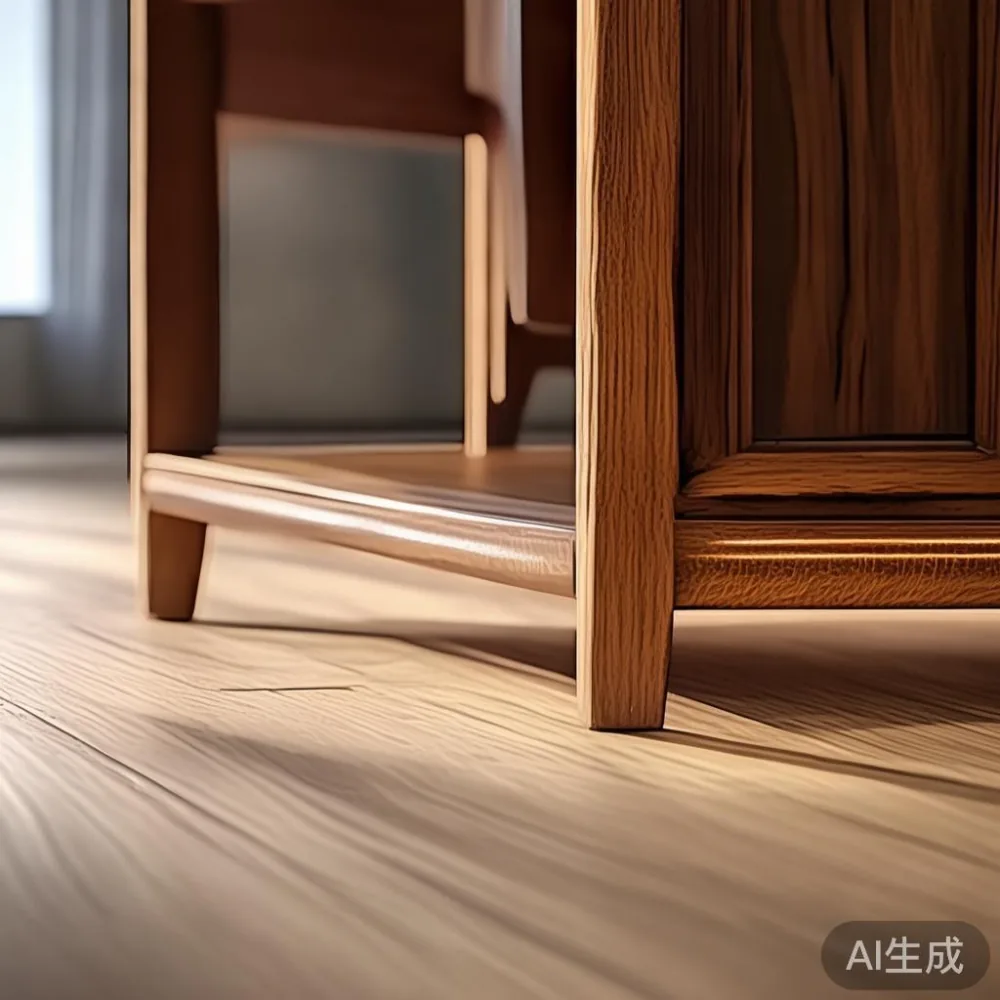
Grade affects the next price step. Clear-grade timber with consistent colour and grain costs more than timber selected for knots, sapwood, mineral streaks or uneven tone. Character is attractive in an American light luxury interior, especially with walnut or oak, but it should be deliberate. If the customer expects a pale, uniform finish but receives highly varied boards, the material is authentic while the expectation was not aligned with it.
A useful comparison for Singapore buyers is the delivered price, not the factory price. For example, a 180 cm solid oak bookshelf listed at SGD 1,280 before delivery may become SGD 1,402.40 after 9% GST. Another bookshelf listed at SGD 1,560 becomes SGD 1,700.40. The USD 350 shipping threshold mentioned by MIDHILL requires a currency conversion at checkout or quotation, so confirm whether the threshold is evaluated before or after tax and local charges rather than assuming.
How do dimensions, thickness and yield affect furniture prices?
Furniture price rises with timber volume, but volume alone does not explain the quote. A 180 × 30 × 200 cm bookshelf uses substantially more material than a 120 × 25 × 180 cm unit. The first might contain 6 shelves, 4 vertical panels and a 15 mm back, while the second might contain 5 shelves, 4 vertical panels and a 9 mm back. Both are called bookshelf, but the load paths, usable capacity and appearance differ.
Panel thickness is worth checking carefully. A 15 to 18 mm side panel feels different from a 9 to 12 mm panel, particularly at the full width of a bookcase. Shelf deflection matters because books are heavy: a 90 cm shelf carrying 25 kg should not bend visibly under a centred load. Ask for the recommended span, shelf thickness and tested load. “Strong enough for books” is vague; “18 mm shelves with support at 60 cm centres” gives a buyer something to evaluate.
The yield of the board affects cost too. A wide oak board without defects may yield fewer components, creating more waste. The waste still has value, but the labour spent cutting and grading it is reflected in the sale price. Straight-grained timber with small knots may cost more than shorter boards because it produces cleaner parts for visible panels and doors.
Weight is another concrete clue. A 200 cm tall solid wood bookcase may weigh 55 to 85 kg depending on species and back-panel construction. The packing weight matters more than the assembled weight if the seller ships flat or in modules. A 12 kg carton may fit through a 90 cm door easily, while a 68 kg fully assembled bookcase may require two people, furniture straps and the lift reservation rules of a Punggol condo.
Does solid wood mean solid wood everywhere?
No. “Solid wood” can describe the principal material, while plywood, MDF, particleboard, glass, metal or stone may be used elsewhere. A solid wood bed frame may have a wooden slat base and plywood headboard. A wardrobe may have solid wood rails and frames with plywood or MDF door inserts. The construction can be technically sound and practical, but the customer should know which parts will be refinished, replaced or covered by the structural warranty.
For a bookshelf, the back is often concealed, yet its design affects serviceability. A fully inset 9 mm plywood back can keep the carcass square and reduce racking. A set of thinner timber back boards may allow more traditional movement but needs accurate fitting. The finish also matters: an open-grain oak or teak surface needs controlled sanding and sealing. A spray lacquer or film finish can be easier to maintain, but it changes the repair and refinishing options.
This is why a “100% solid wood” claim should be supported by a material schedule. Ask which panels are timber, which are engineered wood, how many millimetres they are, and whether the top, shelves, sides, back, legs and drawer boxes use the same construction. A clear answer helps compare quotations without pretending that one build method fits every room.
Small details also affect price. Dovetail drawer joints, mortise-and-tenon frame joints, countersunk hardware and close tolerances require more setup than simple screws and block construction. That extra work can improve longevity, although the real test is whether the joint is appropriate and properly executed, not whether a complex name appears on the invoice.
What do finish, hardware and design complexity cost?
The finish is both a visible feature and a maintenance decision. A natural oil finish on oak highlights the grain and can be renewed locally. A matte lacquer creates a more controlled colour with a different repair process. In French light luxury styling, warm cream, pale oak and muted walnut finishes are common; in post-modern light luxury, the bookshelf may combine timber with fluted panels, lacquered sections or restrained brass-coloured hardware.
Surface preparation takes time. Filling, sanding to 220 grit, sealing and applying the final coats can add several days to production. A low-sheen finish needs less liquid and may expose the grain more clearly. Hand-rubbed edges and rounded corners add labour. If the same bookcase has 2 glass shelves, 3 adjustable timber shelves, a cable-management opening and concealed wall-anchoring hardware, that feature set should explain part of the difference from a simpler unit.
Hardware should be specified by function and rating. A 200 cm tall bookshelf needs anti-tip anchoring suitable for a plastered or tiled HDB wall. Drawer runners should have a stated load rating; 25 to 30 kg is a practical minimum for books and everyday storage. Hinges for a wardrobe should have a cycle rating, and lift-up mechanisms for a bed storage box should have a tested capacity. A brass-finished handle costs more than a plain timber knob, but polished metal does not necessarily mean a better mechanism.
Compare like with like. One 180 cm bookshelf at SGD 1,380 might include 6 shelves, oak veneer, standard hardware and a lacquer finish. Another at SGD 1,760 might use solid oak throughout, 18 mm shelves, better runners, soft-close components and a natural oil finish. The second is not simply “double the price”; it has a different specification. The first may still be suitable for lighter books or a secondary room.
How much should delivery, installation and GST add in Singapore?
Delivery is part of the furniture price because a heavy, fragile product needs more than a parcel courier. A 160 cm dining table may weigh 70 kg and arrive in 2 cartons. A 190 cm solid wood bed frame may arrive as a flat pack weighing 48 kg, while a wardrobe may require 3 cartons and a separate anti-tip kit. The difference affects labour, vehicles, stairs and damage risk.
For Singapore homes, measure before ordering. Record the lift door width, lift depth and lift capacity. A common HDB lift door opening is about 90 cm, with a cabin around 110 cm deep and 140 cm wide, but block-specific dimensions must be checked. Condo service lifts may be wider, yet the turning radius at the lobby can still determine whether a long carton can enter. Ask whether the supplier delivers to the door, carries it into the unit and assembles the furniture.
Service lift reservations may add 3 to 7 days before delivery, and a failed delivery attempt can create another booking. A 14-day returns policy is useful only if the customer can inspect the piece and arrange return transport without damage to floors or walls. Confirm the return conditions for assembled items, custom finishes and bulky furniture. If a custom bookshelf has a non-standard width, it may fall outside standard returns.
Also budget 9% GST on taxable furniture sold in Singapore. Installation can add roughly SGD 60 to SGD 180 for a bed frame, SGD 80 to SGD 220 for a dining table and SGD 150 to SGD 350 for a large wardrobe, depending on access and the installer. State these figures as planning ranges rather than universal fees. Mid-hill delivery terms should be confirmed directly for the destination, item and order value.
How do light-luxury labels affect the price?
Style labels communicate a direction, but they can obscure construction. French provincial suggests curved profiles, carved details, tapered legs and warm finishes. American light luxury often emphasises clean lines, generous proportions and quiet materials. Post-modern light luxury may mix wood, stone, metal and geometric forms. These styles can justify more complex production, but a familiar shape is not proof of superior timber or joinery.
Search terms such as top 10 light luxury furniture can generate attractive reference images, yet the final purchase should be checked by specification. For a marble table, the material should be stated as natural marble or engineered marble, with thickness, edge treatment and protection included. A 12 mm natural marble top on a solid wood dining table may weigh 110 kg; an engineered alternative may weigh 75 kg. That difference affects handling, transport and support requirements.
The same discipline applies across the home. A solid wood sofa may have a timber frame, fabric and cushioning, so “solid wood” describes only part of the product. A nightstand may use solid wood for the carcass and drawer front while using a plywood box. A wardrobe may look French provincial but use mass-produced decorative mouldings. Ask for drawings, material samples and dimensions before paying for a style label.
For planning, someone comparing a Japanese bed vs French provincial bed should remember that style changes more than the visible bed frame. A Japanese-inspired platform is usually low, simple and compact, while a French provincial bed may have a shaped headboard, carved details and a larger visual footprint. The practical comparison includes mattress size, floor clearance, corridor access and the cost of matching nightstands. A 160 cm bed in a narrow bedroom can save 20 to 40 cm of circulation space, while a decorative headboard may require extra wall clearance.
What should I check before paying for a solid wood bookshelf?
Ask for 8 practical answers: species, grade, panel thickness, dimensions, weight, finish, hardware and warranty. For a bookshelf, request the shelf spacing and load recommendation. A 180 × 30 × 200 cm unit with 6 shelves may hold 35 to 45 kg per shelf when properly anchored, but the manufacturer should state the tested limit rather than rely on an online estimate.
Ask for photos of the actual finish, including the underside, back and corners. Review grain direction across doors and drawer fronts. Check that doors and drawers run true, and inspect for movement gaps once the acclimatised piece reaches its final room. In Singapore’s humidity, solid timber can move with seasonal changes; quality control should allow controlled movement without forcing the joints apart.
Compare the final invoice. A bookshelf quoted at SGD 980 may become SGD 1,068.20 with GST. A second quotation of SGD 1,490 becomes SGD 1,624.10, plus possible delivery of SGD 70 to SGD 140 to a landed location in Bedok. The higher amount may be justified by timber grade, shelf thickness and finish, but the paperwork should show why.
Last month, I visited a supplier’s sample room in Foshan and compared 2 nearly identical bookcases priced at SGD 1,180 and SGD 1,620. The lower model weighed 42 kg and used 12 mm shelves with a plywood back. The higher model weighed 61 kg, used 18 mm shelves, a solid timber back and more precise joints. When the shop staff loaded both with books, the lower shelf flexed slightly while the thicker shelf stayed visually level. The visit changed how I read quoted prices: similar silhouettes concealed different material budgets.
Finally, check service terms in writing. A 10-year structural warranty signals confidence in the frame and joints. Lifetime refinishing can extend the usable life, although ask whether labour, transport and coatings are included. A 14-day return window provides time to check colour and condition. Free shipping above US$350 can reduce freight cost, but the threshold, exchange rate, GST and destination surcharge should be confirmed at checkout.
For broader inspiration, Italian light luxury with storage is a useful design direction because it combines pale timber, restrained profiles and concealed capacity. The same phrase can also encourage comparison of wardrobe interiors, drawer runners and shelf systems rather than focusing only on carved fronts. Likewise, a guide on how to choose Italian light luxury wardrobe should lead to measurable questions about compartment width, hanging space, mirror thickness and hinge cycles. For a French scheme, how to choose French provincial wardrobe should include checks for curved rails, solid timber frames and door alignment, not merely decorative carving.
The most reliable price signal is not a badge or a sales sentence. It is a complete specification that connects timber to dimensions, construction, finish, warranty and delivery. A European light luxury bed may justify its price through a well-engineered frame, stable joints and durable hardware; an ordinary solid wood bed frame may meet the same needs at a lower total cost. The right purchase is the one whose visible and hidden details match the way you will use it.