The Silent Challenge: How Humidity Shapes Wood Furniture in Singapore
For those living in Singapore's HDB flats and condominiums, from the corridors of Tampines to the modern layouts of Punggol, the air is a constant companion. It’s thick, heavy, and carries an invisible weight: humidity. This ambient moisture, a defining feature of our Southeast Asian climate, is more than just a feeling of stickiness. It is a silent, persistent force that interacts with every material in our homes, especially solid wood furniture. A new solid wood bookshelf, for instance, isn't just a storage unit; it's a living object that responds to the environment. Understanding this relationship is key to preserving both the beauty and integrity of your furniture for years to come.
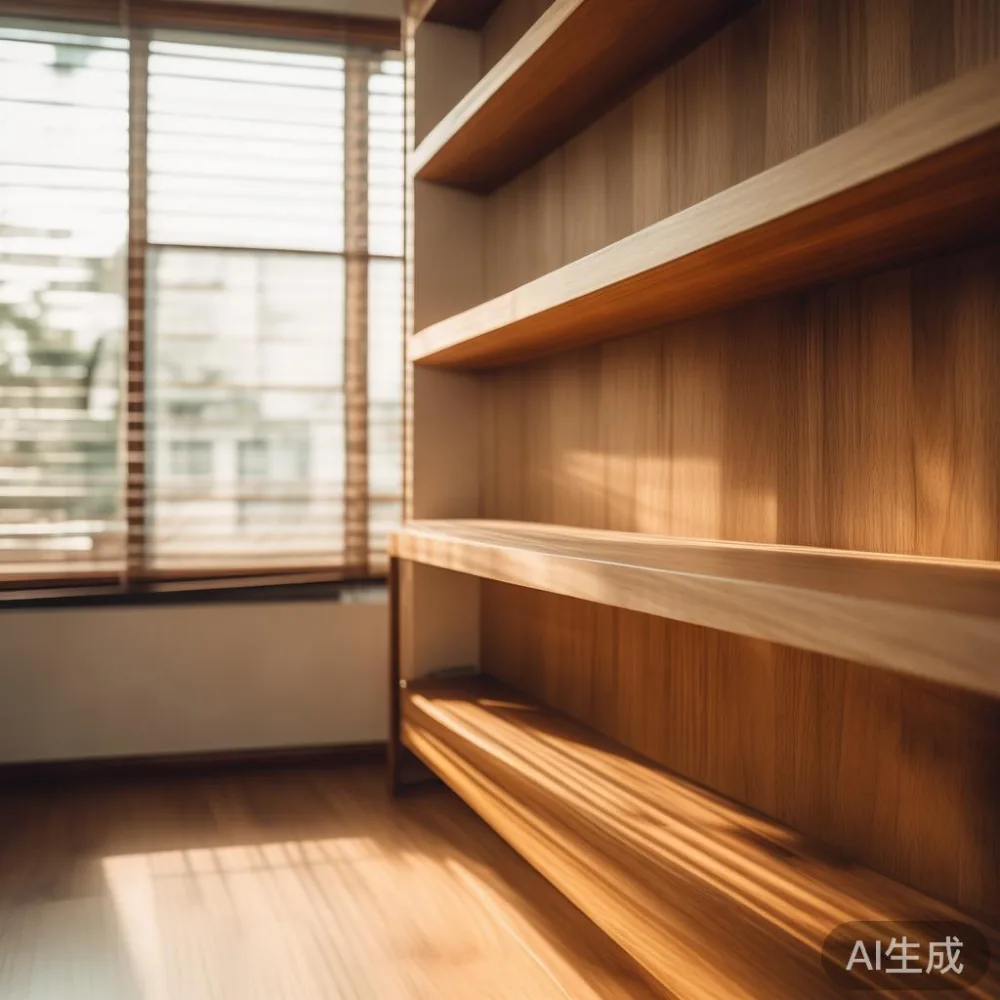
Why Wood Reacts to Humidity: A Simple Science
At its core, wood is a hygroscopic material. This scientific term simply means it naturally absorbs and releases moisture from the surrounding air. Think of it like a sponge, but one that operates on a microscopic level. Wood is composed of countless cells with porous walls. When the humidity is high, as it often is in Singapore, these pores draw in moisture, causing the wood fibers to swell. Conversely, in drier conditions, the wood releases moisture and contracts. This natural movement is called expansion and contraction.
In Singapore, the relative humidity rarely dips below 60% and can soar to over 90% on a rainy day. This constant exposure to moisture means your furniture is in a state of near-continuous, albeit slow, flux. For a piece like a solid wood bookshelf, this movement is most pronounced in the width of the panels. A 120 cm wide shelf made of solid rubberwood, for example, could expand and contract by as much as 3-4 mm between a humid day and an air-conditioned night. While this seems minuscule, over years, this repeated stress can lead to visible effects if the furniture isn't designed and cared for properly.
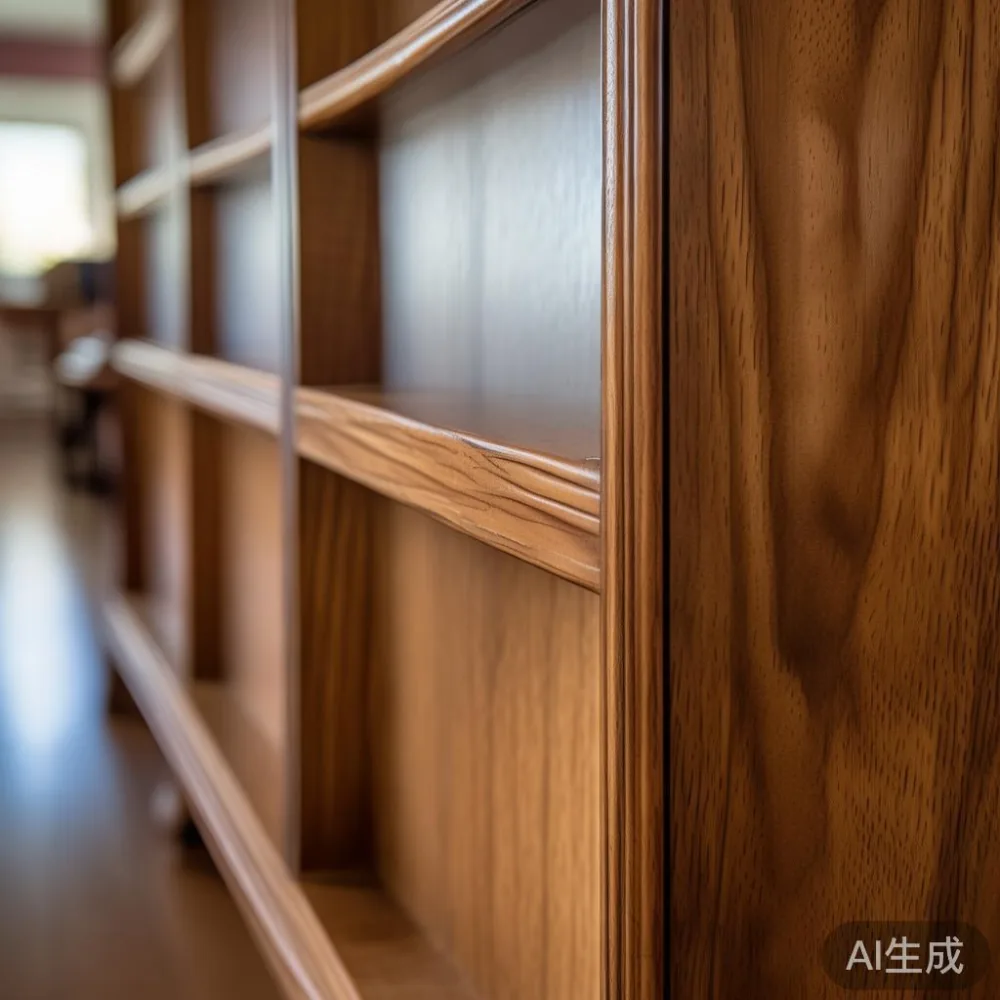
Visible Signs of Humidity Stress on Your Bookshelf
So, what does this constant expansion and contraction look like in your home? The signs are often subtle at first but become more pronounced over time. The most common issues you might notice on your bookshelf or other solid wood pieces include:
- Gaps and Cracks: As wood expands, the stress can cause panels to pull apart. You might notice small, hairline cracks developing on the surface of a shelf or on the back panel of your bookshelf. These are often more cosmetic than structural but can detract from the piece's appearance.
- Sticking Drawers and Doors: A solid wood wardrobe or nightstand can suffer from swollen doors or drawers that become difficult to open. The expanding wood increases the friction against the frame, making a simple action like pulling out a drawer a frustrating chore.
- Warped Panels: Large, flat surfaces like the top of a marble table or the shelves of a bookshelf are most susceptible. One side of a shelf might absorb more moisture than the other, causing it to warp or cup, creating an uneven surface where books can wobble.
- Finishing Issues: The paint or lacquer finish on furniture is not as flexible as the wood itself. As the wood swells and shrinks, the finish can become stressed, leading to tiny cracks in the coating or a cloudy, white appearance known as blushing.
How Singapore's Specific Living Conditions Amplify the Problem
Singapore's unique living environment adds layers of complexity to the humidity challenge. The design of our homes, particularly in high-rise HDBs and condos, creates microclimates that can be more extreme than the general weather outside.
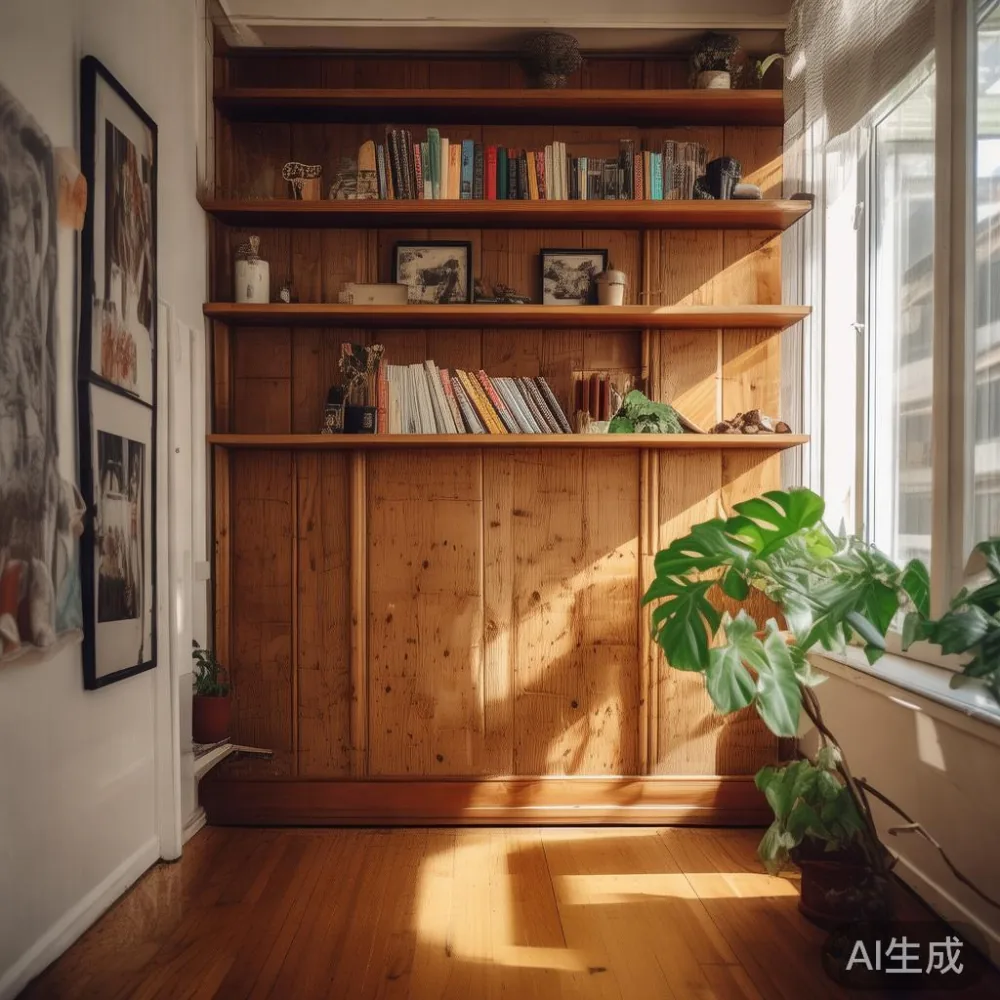
Consider the common scenario of an air-conditioned bedroom versus an un-air-conditioned living room. An air-conditioner can reduce the humidity in a room to a comfortable 50-55%. However, when you open the door to the corridor or bathroom, where humidity might be 80%, the wood furniture is subjected to a rapid change. This shock of humidity can cause the wood to expand quickly, which is when stress and potential damage occur. My colleague, Sarah, who lives in a Bedok HDB flat, noticed this exact problem last month. She bought a beautiful solid wood dining table and found that after cooking dinner with the kitchen windows open, the table leaves became so swollen they wouldn't align properly for seating.
Also, the construction of our apartments plays a role. Lift and corridor widths in older estates like Tampines can sometimes lead to furniture being stored in common areas for short periods before delivery, exposing it to fluctuating temperatures and humidity. Even the process of moving a large item like a wardrobe or bed frame through these spaces can subject it to brief but intense humidity swings.
The 9% Goods and Services Tax (GST) also means that investing in quality furniture is a significant financial decision. A well-made solid wood sofa or a sturdy bookshelf represents a substantial purchase, often costing several thousand SGD. Protecting such an investment from environmental damage is not just about aesthetics; it's about ensuring its longevity and value.
How to Style and Care for Your Bookshelf in a Humid Climate
Living with wood furniture in a humid climate doesn't mean you have to compromise on style or resign yourself to constant maintenance. It’s about making informed choices and adopting simple habits. The key is to manage the environment around your furniture as much as possible.
When selecting a bookshelf, the quality of construction is paramount. Look for pieces designed with wood movement in mind. A well-constructed bookshelf will use techniques like floating panels, where the center of a shelf panel is not glued all the way to the frame, allowing it to expand and contract freely. This prevents the build-up of stress that causes cracks. For those seeking a light luxury aesthetic, a post-modern bookshelf with clean lines and a minimalist design can be a perfect fit, combining form with function.
Placement within your home is another critical factor. Avoid placing your bookshelf directly next to an air-conditioning vent, a window that gets direct sun, or in a bathroom. These locations create extreme and rapid changes in temperature and humidity. Instead, position it in a stable part of the room, away from direct sources of heat or moisture.
Regular care can make a significant difference. A simple wipe-down with a slightly damp, soft cloth followed by a dry microfiber cloth can remove dust and prevent a buildup of grime that holds moisture against the wood. For a more thorough clean, use a high-quality wood polish that contains a mild wax. This creates a protective barrier that helps slow down the rate of moisture absorption. It's also wise to rotate items on your shelves periodically to ensure even exposure to light and air, preventing any one spot from being constantly shaded.
What to Look for in a Humidity-Resistant Bookshelf?
With so many options on the market, how do you choose a bookshelf that will stand the test of time in Singapore's climate? Beyond the design and finish, you need to look for specific features that indicate a manufacturer understands the challenges of wood movement.
First, consider the type of wood. While all solid wood reacts to humidity, some species are more stable than others. Rubberwood, mango wood, and acacia are popular choices for furniture because they are relatively stable and offer a beautiful, natural grain. Ask the retailer about the wood's origin and its known stability characteristics.
Second, examine the joinery. This is where a piece of furniture's quality is truly revealed. Dovetail joints, mortise and tenon joints, and dowel joints are all signs of superior craftsmanship. These methods create strong, flexible connections that can accommodate the natural movement of wood without coming apart. Avoid furniture that relies solely on staples, nails, or cheap plastic connectors, as these will fail under the stress of expansion and contraction.
Finally, the finish is your furniture's first line of defense. A high-quality, multi-layered lacquer or varnish finish provides a durable, water-resistant barrier. This finish not only protects the wood from spills but also helps to buffer it from ambient humidity. For a touch of light luxury, a bookshelf with a subtle matte or satin finish can complement a French provincial sofa in a room beautifully, creating a cohesive and elegant space.
Is a Solid Wood Bookshelf Still a Good Investment in Singapore?
Given all these challenges, you might wonder if investing in a solid wood bookshelf is even worth it in Singapore. The answer is a resounding yes, but with the right perspective. A solid wood bookshelf offers a warmth, character, and durability that mass-produced, engineered wood alternatives simply cannot match. The natural grain, the solid feel, and the timeless appeal are qualities that endure.
The key is to shift your focus from preventing all movement to managing it gracefully. A high-quality bookshelf, built with the correct joinery and a protective finish, is designed to move. It will expand and contract, but it will do so without cracking, warping, or falling apart. This inherent resilience is a hallmark of fine craftsmanship.
When you buy from a reputable manufacturer like one established in 2008 with a 10-year structural warranty, you are buying peace of mind. You are investing in a piece that is engineered for longevity. The lifetime refinishing guarantee means that even if the finish does show signs of wear over decades, it can be restored to its original glory, giving the bookshelf a new lease on life. This long-term value proposition makes it a worthwhile investment for your home.
Maintaining Harmony: Wood Furniture and Singapore's Lifestyle
Ultimately, living with solid wood furniture in Singapore is about finding a harmony between your lifestyle and the nature of the material. Embrace the fact that your furniture is a living part of your home. Its subtle changes are not flaws but a proof of its natural origin.
By choosing wisely—selecting a well-made bookshelf from a brand with a proven track record of exporting to 15+ countries and offering free shipping over SGD 350—you equip your home with a piece that can handle the climate. By placing it thoughtfully and caring for it simply, you allow its beauty to shine without the constant worry of damage. The result is a home that is not only stylish and sophisticated but also authentic and enduring, perfectly suited to the unique rhythm of life in Singapore.