The Real Cost of Solid Wood Bookshelves: Beyond the Surface
When furnishing a Singaporean home, especially in compact HDB flats or condos with specific lift and corridor dimensions, every purchase decision is deliberate. A bookshelf is more than just a piece of furniture; it's a statement, a storage solution, and often, a centrepiece. Yet, the price range for solid wood bookshelves is vast. One can find a simple model for a few hundred Singapore dollars, while another, seemingly similar in function, can cost several thousand. So, what actually drives this price difference? Is it the wood? The craftsmanship? The brand? The answer is a combination of factors that go far deeper than the initial impression.

The Foundation: It's All About the Wood
The single most significant factor influencing the price of any solid wood bookshelf is, unsurprisingly, the wood itself. Not all wood is created equal, and the species chosen dictates a large portion of the cost. Hardwoods, derived from deciduous trees, are denser, more durable, and have a more pronounced grain pattern than softwoods. Common hardwoods used in quality bookshelves include Oak, Walnut, and Ash. Oak is a classic choice, known for its strength and prominent grain, often commanding a premium price. Walnut, with its rich, dark colour and straight grain, is another high-end favourite. Ash, while lighter in colour, offers excellent durability and a more affordable entry point into the world of solid hardwood furniture.
Softwoods, like Pine or Rubberwood, are generally less expensive. They are lighter, easier to work with, and grow faster, making them a cost-effective option. However, they are also more susceptible to dents and scratches over time. For a bookshelf in a high-traffic area of a Tampines HDB or a condo with active children, the choice between a durable hardwood and a more budget-friendly softwood becomes a practical consideration of longevity versus initial outlay. The weight of the bookshelf is also a direct consequence of the wood. A solid Oak bookshelf can easily weigh over 80 kg, requiring careful consideration during delivery into a Bedok apartment with narrow corridors.
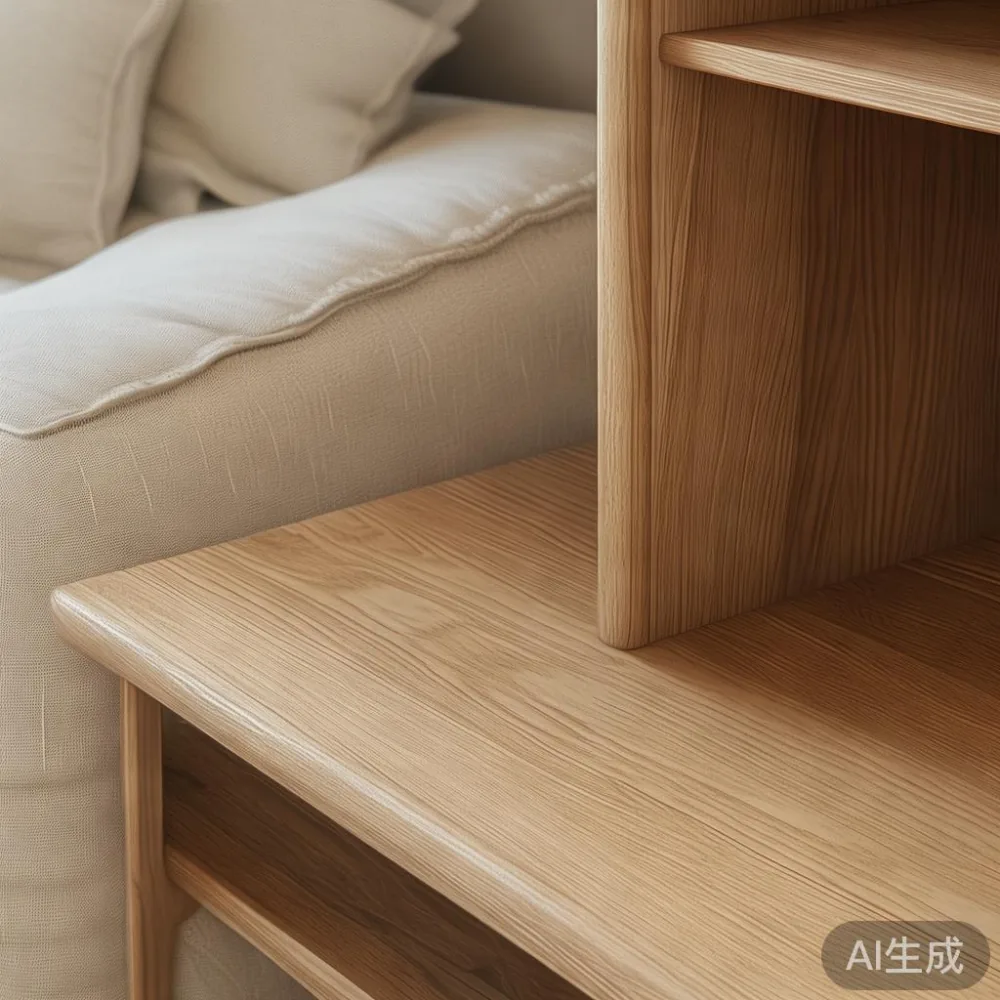
Why the Origin and Finish of Your Bookshelf Matter
Where the wood comes from and how it is finished plays a important role in the final price. Timber from sustainable, well-managed forests often carries a higher cost, reflecting ethical sourcing practices. The finish is another critical element. A simple, clear lacquer protects the wood but shows every fingerprint and scratch. In contrast, a hand-rubbed oil finish or a multi-layered, hand-applied French polish creates a deep, lustrous patina that ages beautifully. This level of craftsmanship takes time and skill, directly impacting the price. A colleague of mine visited a workshop last month and observed artisans applying a seven-step finishing process to a single bookshelf; the time and care invested were evident in the final product's flawless surface.
The finish also ties into broader design aesthetics. A bookshelf with a light, airy finish might complement a modern condo in Punggol, while a darker, more substantial finish could be at home in a space featuring a French marble fabric sofa or a dark wood dining table. The colour and sheen of the bookshelf are not arbitrary; they are chosen to create a cohesive look and feel within a room's design scheme.

Is French neoclassical wardrobe furniture worth it?
The price is justified by the unparalleled level of handcraftsmanship and the use of premium, rare materials.
This principle of value extends to all furniture, including bookshelves. A French neoclassical style bookshelf, for example, would feature intricate carvings, detailed mouldings, and perhaps even inlays of other materials like marble or brass. Each of these elements is added by hand by a skilled artisan, a process that cannot be rushed or replicated by machine. The value lies in this dedication to detail and the creation of a piece that is not just functional but also a work of art. While a standard bookshelf serves a purpose, a French neoclassical piece improves a room, becoming a focal point that tells a story of heritage and luxury. This is the same philosophy applied to a high-end wardrobe or a nightstand; the attention to detail is what separates a simple piece from a treasured heirloom.
Design Complexity and Structural Integrity
A bookshelf is a structure that must bear significant weight. The design and engineering behind it are paramount to its longevity and safety. A simple, rectangular, five-shelf bookshelf is straightforward to design and build. However, a bookshelf with an asymmetrical design, integrated lighting, hidden drawers, or a custom shape requires more complex engineering. The joinery used to hold the piece together is a key indicator of quality. Dovetail joints, mortise and tenon joints, and dowels are far stronger and more durable than simple screws or staples. These methods require precision and skill, adding to the production time and cost.
Consider the practicalities of a Singaporean home. A bookshelf must be sturdy enough to withstand the weight of books without sagging. It must also be designed to fit specific spaces. A bookshelf for a condo living room might need to be a specific width to fit perfectly beside a marble table, while one for an HDB bedroom might need to be taller to maximize vertical space in a room with a low ceiling. The ability to customize a bookshelf to these precise dimensions—down to the centimetre—is a service that justifies a higher price point, ensuring the piece is not just beautiful but also perfectly suited to its environment.
The Hidden Costs: Labour, Logistics, and Warranty
The final price tag on a solid wood bookshelf includes more than just materials and design. It encompasses the cost of skilled labour, from the woodworker who cuts the timber to the finisher who polishes the surface. It also includes the logistics of getting the piece from the workshop to your home. For a company like MIDHILL, established in 2008 with a reach to over 15 countries, this involves a sophisticated supply chain. The cost of shipping a heavy, bulky item like a bookshelf, especially with free shipping for orders over SGD 350, is factored into the price. Delivery itself can take several days, and the process requires careful coordination to ensure the furniture arrives without damage.
Perhaps the most valuable, yet often overlooked, component of the price is the warranty and after-sales service. A 10-year structural warranty is a significant commitment from a manufacturer. It speaks to their confidence in the quality and durability of their product. This guarantee provides peace of mind, protecting your investment for a decade. Similarly, an offer of lifetime refinishing means that if the bookshelf's surface is ever damaged, it can be restored to its original condition, potentially saving the cost of replacement. These services are not free for the company to provide; their cost is built into the initial price of the bookshelf, representing a long-term value that cheaper, non-warranted alternatives simply cannot match.
Understanding Value for Money in Singapore
In the context of Singapore, where space is at a premium and quality is often prioritized over quantity, understanding value is key. A cheaper, mass-produced bookshelf might fit the budget initially, but its lifespan may be short. It might warp in our humid climate, the finish might peel, or the structure might loosen under the weight of a good collection of books. The total cost of ownership in such a case includes not just the purchase price but also the eventual cost of replacement.
A higher-priced, solid wood bookshelf, on the other hand, is an investment. It is designed to last a lifetime and to be passed down. It is an investment. It is designed to last a lifetime and to be passed down. It ages gracefully, developing a unique character over time. When you consider the cost per year of use, a well-made bookshelf becomes a much more economical choice. The 9% GST applied to the purchase is the same regardless of the price, but the quality you receive for that tax is vastly different. For a family in a Punggol condominium looking to furnish a study, choosing a durable, well-designed bookshelf is a decision that pays dividends in comfort, style, and practicality for years to come.
How to Choose the Right Bookshelf for Your Space
Making the right choice involves balancing your budget with your needs and aesthetic preferences. Start by measuring your space meticulously. Note the width, height, and depth, and also consider the corridor and lift dimensions of your apartment block. A bookshelf that is too wide will be impossible to manoeuvre during delivery. Consider the function: will it hold heavy encyclopaedias or mostly decorative items? This will influence the type of wood and the structural design you need. Think about the style of your existing furniture. A post-modern light luxury bookshelf with clean lines and a minimalist finish would pair beautifully with a sleek bed frame and a simple nightstand, while a more traditional bookshelf would complement a solid wood dining table with turned legs.
Finally, don't be afraid to ask questions. Reputable manufacturers will be transparent about the wood species, the joinery methods, and the finishing process. Understanding these details allows you to see beyond the price tag and appreciate the true value of the piece you are buying. A bookshelf is a long-term companion in your home, and choosing one that is well-made and suited to your life is a decision you will appreciate every single day.