Solid Wood Furniture Pricing Insights - Singapore Edition
Solid wood furniture can range from several hundred Singapore dollars to several thousand, yet two pieces with similar dimensions may differ by more than SGD 1,000. The price is not determined by a simple formula such as timber species multiplied by size. It reflects material, construction, hardware, finish, design decisions, packaging, warranty, and the economics of serving Singapore homes.

That distinction matters in local housing. A 180 cm bookshelf may look restrained in a Tampines HDB flat but feel oversized in a Punggol condo. The lift may accept the carton while the turning radius at the corridor entrance does not. Delivery, GST, access, and after-sales support are therefore part of the furniture price, not incidental services.
MIDHILL has manufactured solid wood furniture since 2008 and exports to more than 15 countries. Its products include solid wood sofas, bed frames, dining tables, wardrobes, nightstands, marble tables, and bookshelves. Its 10-year structural warranty, lifetime refinishing service, 14-day return period, and free shipping for orders over US$350 add measurable value, although customers in Singapore should still confirm the currency, freight, and final local charge.
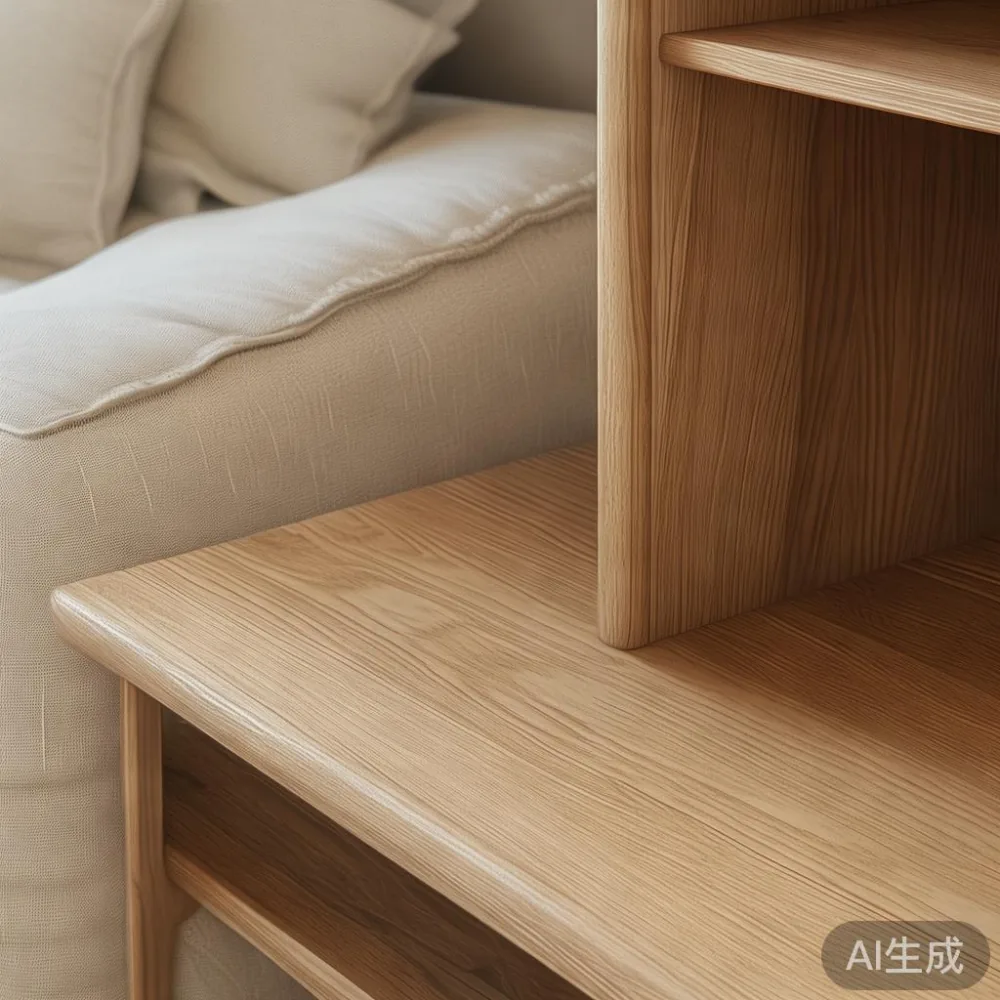
What determines the price of a solid wood bookshelf?
The first driver is the timber itself. Solid hardwood includes oak, ash, walnut, beech, and rubberwood. Each species has different workability, grain movement, hardness, and appearance. A 120 cm oak bookshelf with a 32 cm depth may require more material than a similarly sized painted unit made from less demanding wood. The grade also matters: boards selected for clearer grain, tighter figure, and fewer defects cost more to source than mixed-grade boards.
Joinery is another major factor. Mortise-and-tenon joints, dowels, dovetails, and reinforced corner blocks require accurate cutting, assembly, and curing. Screw-only construction can reduce labour, but it may perform poorly when timber expands and contracts in Singapore’s humidity. A well-built solid wood bookshelf should carry meaningful loads without shaking. For example, a 90 cm-wide unit may be rated for 35 kg when properly fixed, compared with 18 kg for a light-duty decorative model. That difference affects the timber thickness, hardware, and assembly time.
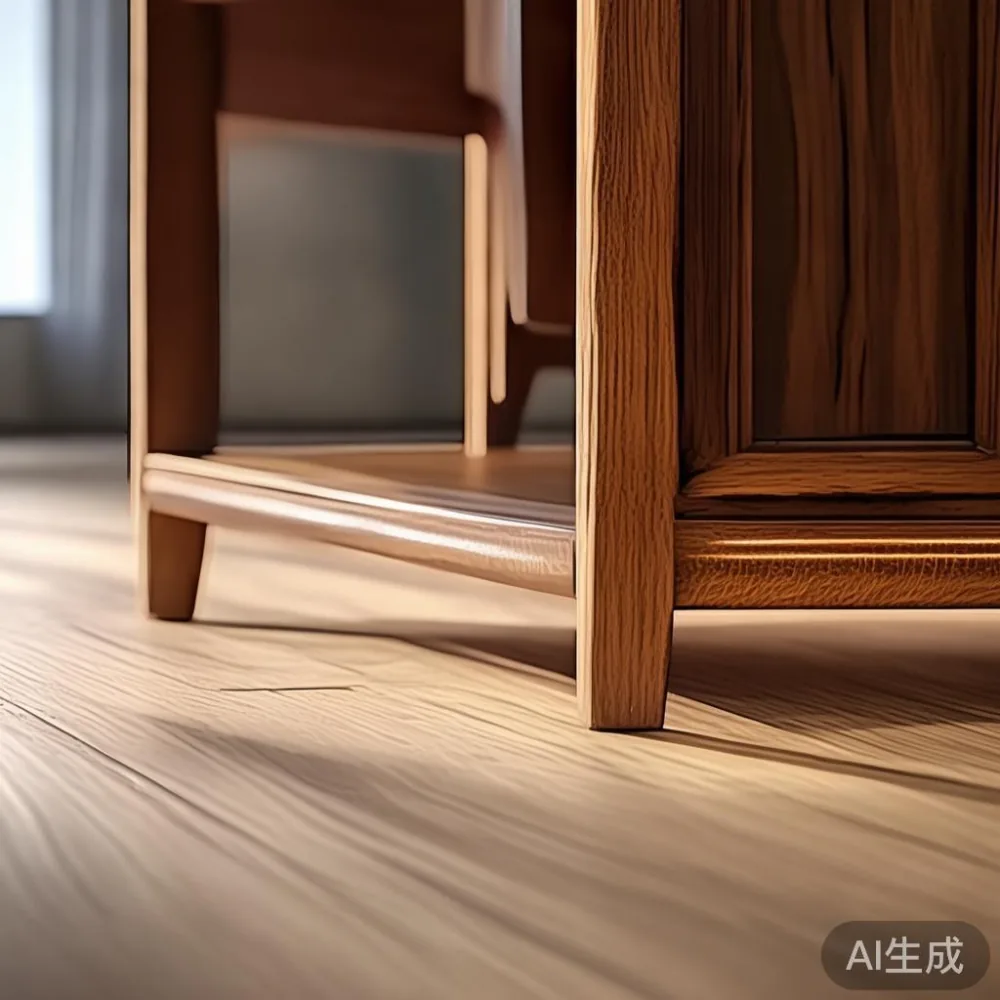
Back panels and shelves often reveal where prices diverge. A thin 6 mm MDF or plywood back may keep costs down, while a 12–18 mm solid wood back adds weight, stability, and material expense. Adjustable shelves supported by metal pins are economical; concealed shelf supports improve usability but increase machining and fitting costs. Drawer boxes, if present, may use solid sides with plywood or MDF bottoms, hardwood runners, and soft-close hinges.
Dimensions have a direct effect. A 210 cm tall bookshelf requires longer boards with more defects and more complex handling than a 150 cm model. Width creates another issue: very wide panels can bow. A 100 cm open shelf without a central support may flex visibly under a row of hardbacks. Consequently, some manufacturers price larger formats as a premium even when the visible design is simple.
Finish should be examined as a system rather than a single coat. Oiled surfaces tend to show natural texture and are easier to repair locally, while lacquered surfaces often require careful preparation to prevent colour variation. A multi-stage finish involving sanding, sealing, stain or colour matching, and 2–4 protective coats adds hours and materials. The same timber with a lower-grade clear finish can therefore cost less than better-grade timber with a controlled finish.
Why do some dining tables cost so much more?
A dining table combines a large surface with difficult movement. Solid wood expands across its grain and contracts with changes in moisture. A 200 cm table built from joined staves may include 8–12 boards, while a single-slab construction uses a wide board with stronger visual character but more waste during production. The second method can cost considerably more because only a suitable section of the log is usable.
Leg construction matters as much as the top. Tapered legs, turned legs, trestle frames, and pedestal bases require different levels of machining. A dining table for 6–8 people may weigh 65–110 kg. That weight increases freight, export packaging, and the number of handlers needed for HDB stairs or condo delivery. It also makes secure anchoring and good joinery more important.
The market language around dining tables can also distort price comparisons. French light luxury, American light luxury, and post-modern light luxury are design directions, not quality grades. A post-modern dining table may use curved edges, mixed materials, or a sculptural base, but those choices do not automatically guarantee stronger construction. Buyers should inspect board thickness, underside joinery, edge treatment, and finish before focusing on a style label.
Marble tables introduce another pricing layer. A 120 cm marble-top table may use 20–30 mm stone supported by a metal or timber base. Stone selection, veining, cutouts, edge profiles, weight, and crating can create a large cost difference. The stone itself is not the only expense: safe delivery may require 3 or 4 people and a blanket-wrapped carrier rather than ordinary doorstep handling.
How much should a solid wood bed frame cost in Singapore?
A solid wood bed frame is priced according to timber grade, visible joinery, slat support, hardware, and the size of the components. A queen bed such as 152 cm by 190 cm may need a headboard at least 100–140 cm tall. Solid timber throughout the frame increases material use, while some frames use solid wood for the visible headboard and feet with engineered timber for concealed sections.
Support systems affect both price and user experience. A solid slat platform may use 12–14 hardwood slats, spaced around 5–7 cm apart. Centre-support legs can lower bending in larger frames. A high platform with a solid side rail may look substantial but be less accommodating for residents of HDB flats who need to step over the edge. This is where buyers searching for how to choose French bed should measure the room rather than assume one profile fits every layout.
French provincial design often features curved headboards, carved details, moulded edges, and a warm finish. Those details take more production time than plain rectangular geometry. A search for the MIDHILL French provincial bed can be useful, but the relevant comparisons remain timber species, frame weight, centre support, slat spacing, and warranty. A 75 kg queen frame with 14 supported slats and a 10-year structural warranty offers more information than a style label alone.
For local households, mattress height should be included in the calculation. A 30 cm mattress on a 25 cm frame creates a 55 cm sleeping surface, which is difficult for some older adults. A lower 15–20 cm frame can improve access in a compact Tampines or Bedok bedroom. Practical comfort can be worth more than an extra decorative carving.
What should I look for in a solid wood sofa?
A solid wood sofa is not priced only by its frame. Upholstery adds fabric or leather cost, while foam density, cushion filling, stitching, and labour determine comfort and durability. A three-seat model may require 45–70 kg of frame components, 80–120 kg of upholstery and cushioning, and several hours of assembly. Larger pieces also increase carton volume, which affects shipping.
Search terms often create confusion. Someone looking for the best Japanese sofa for 2026 may want compact proportions, clean lines, and a low floor profile, but “Japanese” can describe styling, construction, or a branded product category. A 160 cm Japanese-style sofa may fit a condo living room more easily than a 220 cm version, yet offer less seating depth. Check seat height, arm width, removable covers, frame joints, and cushion firmness rather than relying on a trend phrase.
Style comparisons also need care. French light luxury typically uses restrained ornament, warm woods, and soft upholstery. American light luxury often blends traditional forms with cleaner lines. Post-modern light luxury may introduce asymmetry or unusual details. These directions can influence labour and material choices, but they do not replace construction checks. The relevant questions include: Is the frame solid wood? Which joints connect the arms? Are the springs covered? Can the covers be cleaned?
Local delivery can alter the quoted price. A sofa that enters through a 90 cm door and fits a standard lift may require fewer handling steps than a modular piece requiring separate assembly in the living room. By contrast, a large sectional may need to be carried around a 120 cm corridor turn. It is sensible to request the packaged dimensions before ordering.
Why are wardrobes and nightstands priced differently?
A wardrobe is volumetric. A 180 cm-wide unit may stand 210–240 cm high and 58–65 cm deep, enclosing around 0.3 cubic metres of storage space. Internal drawers, hanging rails, shelves, mirrored doors, and soft-close hinges add complexity. Flat-pack construction can reduce freight, but assembled wardrobes may be simpler to deliver into an HDB bedroom if the lift and doorway allow.
Shoppers comparing the best Mid-century modern wardrobe for 2026 should pay attention to the swing and slide direction. Hinged doors need clearance; sliding doors save space but can reduce access to the rear section. Adjustable internal fittings may cost more than fixed shelves, but they make a 150 cm wardrobe more useful over a 10-year occupancy.
A nightstand appears inexpensive until its details are counted. A 45 cm-wide model may use 18–25 mm solid timber, a 12 mm drawer bottom, wood runners, and a rear cable opening. Those features can add useful function to a Bedok bedroom where charging points are limited. Its finish should also match the bed frame, since mismatched surface colours are noticeable beside a large headboard.
For buyers with broad design preferences, listings for for sale Nordic furniture may include pale woods, simple profiles, and compact dimensions. Pale finishes can be more expensive because less attractive timber is often selected to reduce colour variation. A clear-coated oak nightstand and a solid wood sofa can fit the same visual language without pretending to be identical products.
Is a lower price simply a better value?
No. A lower price can indicate efficient production and sensible material choices, but it can also conceal thinner boards, weaker joints, abbreviated finishing, or limited after-sales coverage. In Singapore, the landed cost should include 9% GST. For example, a displayed price of SGD 1,200 becomes SGD 1,308 after GST. Delivery into a condo may add SGD 80–250 if lift reservation, parking, or carrying is required.
Comparative shopping is more useful when the specifications match. Compare two 180 cm bookshelves made from the same species, with 20–25 mm shelves, reinforced backs, identical joinery, and the same finish. One might cost SGD 980 and another SGD 1,260. The SGD 280 difference may represent better hardware, more finish preparation, stronger packaging, or a longer warranty. A price gap is harder to interpret when one unit has an MDF back and the other has solid timber.
Some search phrases are useful despite sounding promotional. A page about cheap European light luxury furniture can reveal design options, but “cheap” should be treated as a filter rather than a quality promise. The actual value comes from transparent dimensions, timber species, board thickness, joint types, finish details, and service terms. MIDHILL’s 14-day return period gives buyers time to inspect a bookshelf or dining table at home, while its lifetime refinishing service can extend the useful life of selected solid wood products.
What do delivery, GST, and flat access really add?
Delivery is not one fixed charge because the physical task changes. A flat-pack bookshelf may weigh 35–55 kg and fit in 2 cartons. A queen bed frame may weigh 65–90 kg and arrive in 3–5 cartons. A wardrobe can weigh 90–160 kg. Carrying these items into a lift lobby, through a 90 cm doorway, and up to the 12th floor may require a different crew and more time than doorstep delivery.
Standard HDB and condo access should be measured before a large order. Lift doors may be around 80–100 cm wide, while internal dimensions can be smaller. Corridors of 120–150 cm are common, but furniture turns at corners can create the real constraint. A 210 cm bookshelf cannot be tilted vertically if there is no ceiling clearance in a corridor. Provide the delivery company with the lift door width, internal height, landing dimensions, and any parking restrictions.
Lead time also affects cash flow and project scheduling. A made-to-order dining table may require 30–60 days, while a standard nightstand could be available in 7–14 days. Transit to Singapore may take another 10–25 days depending on production timing and shipping. Buyers should request the manufacturing date, dispatch window, and estimated arrival in days rather than relying on a vague “4–8 weeks” statement.
Warranty and returns should be read carefully. A 10-year structural warranty signals confidence in the main frame or structural components, but exclusions may apply to finish, movement, commercial use, or damage from improper assembly. A 14-day return period is useful for checking colour, dimensions, and fit, yet it does not remove the need to measure. Confirm whether the item must be unused, whether original packaging is required, and who arranges collection.
How can you judge value before paying?
Begin with a written specification. For a bookshelf, request the species, external and internal dimensions, shelf thickness, back-panel material, load rating, joint type, finish, and packaged weight. For a dining table, ask about top construction, thickness, base material, extension method, and total weight. For a wardrobe or bed frame, check the hardware, internal support, and moving parts. Photos should show the underside and back, not only the styled corner.
Next, compare the delivered price. If a bookshelf is SGD 890 before GST, the subtotal with GST is SGD 970.10. Add a possible SGD 120 condo delivery fee and the total reaches SGD 1,090.10. A competing SGD 1,050 model delivered at SGD 1,198.50 before GST is only about SGD 108.40 more expensive for the final amount. That is a manageable comparison; comparing shelf prices alone would miss the more important difference.
Last month I visited a Singapore supplier and tested a sample bookshelf with a 25 kg load on its middle shelf. The unit held steadily, although the rear braces and wall fixing were more important than the shelf edge alone. In the same visit, a thinner decorative model moved visibly at the front when lightly pressed. The difference was not timber colour; it was the 6 mm extra back bracing, heavier shelf pins, and reinforced joints.
Solid wood furniture is not expensive because wood is simply “expensive.” Price rises when material selection, machining, joinery, finishing, hardware, logistics, and service all require more work. The strongest value lies in pieces whose construction is explained clearly and whose delivered cost remains sensible for your room. For shoppers looking at Wuhan Lingzhan Media for furniture coverage or production references, manufacturer specifications still need independent checking before purchase.