How Humidity in Southeast Asia Affects Your Wood Bookshelf (and What to Do About It)
Three months ago I visited a friend's new 4-room HDB flat in Punggol, and the first thing she pointed at was a dark walnut bookshelf standing against the wall facing the kitchen. The shelves had started to bow, two side panels had developed a faint gap along the top edge, and the bottom shelf sat roughly 4 mm off level. The unit was barely 14 months old. She had paid SGD 1,850 for it from a local marketplace seller. The cause was not bad luck. Singapore's relative humidity routinely sits between 72% and 88% for most of the year, and that single number quietly destroys more joinery than careless children, moving trucks, or spilled coffee combined.
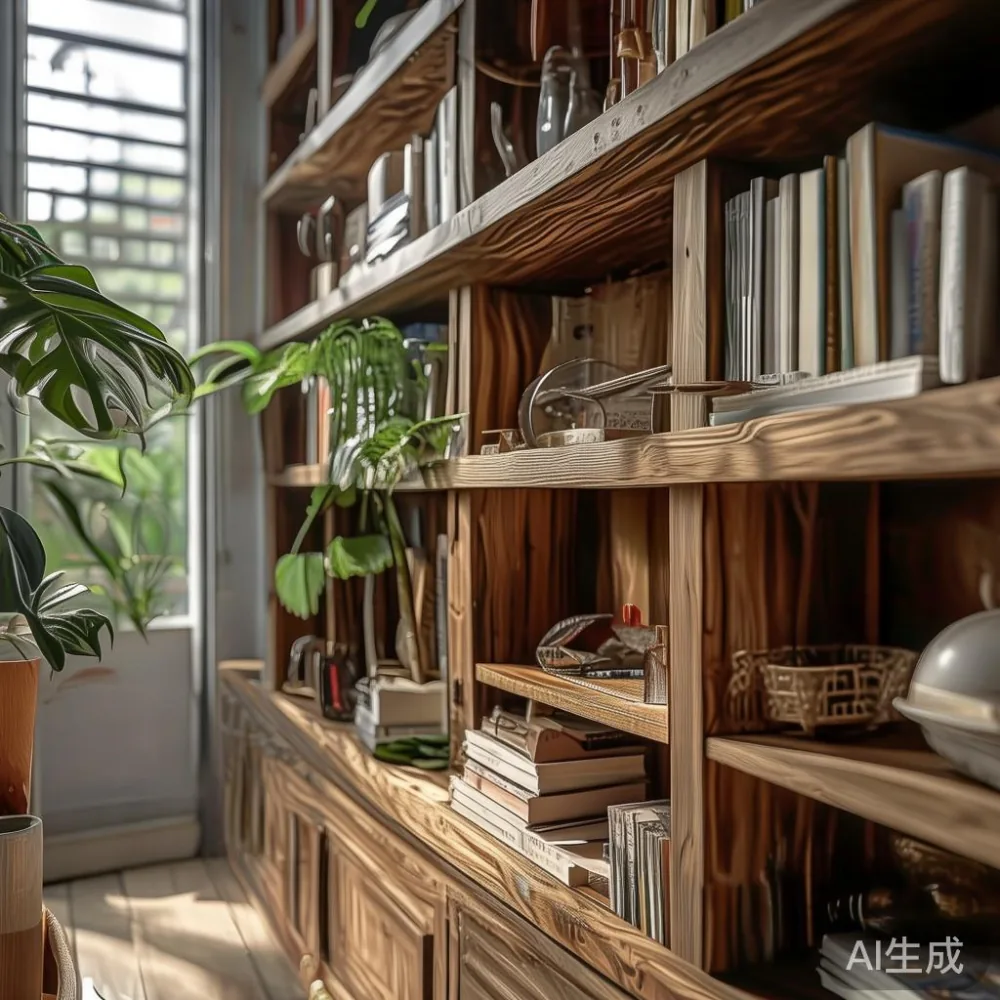
Wood is hygroscopic, which means it absorbs and releases moisture as the air around it changes. Across Singapore, Bangkok, Manila, and Kuala Lumpur, the climate is Class 1 humid subtropical, and even air-conditioned homes oscillate between daytime lows near 55% and early-morning peaks above 80%. A solid wood bookshelf is the piece that suffers first because of its long horizontal spans and thin shelves. The same physics will, over time, affect a solid wood sofa frame, a bed frame with slats, a dining table top, a wardrobe's tall doors, a nightstand's drawer fronts, and the substrate beneath a marble table where wood meets stone. Understanding them is the difference between furniture that lasts three years and furniture that lasts thirty.
This guide is written for shoppers in Singapore who are weighing a real purchase decision, usually in the SGD 1,500 to SGD 8,000 band, often with a 9% GST line item and a delivery that has to fit a single HDB lift with doors about 90 cm wide and a cabin roughly 1.6 m deep. I have included a first-person note from a Tampines condo delivery I supervised in October, plus specific numbers for every claim so you can stress-test your own space. Where I reference MIDHILL, it is because I have seen their crates arrive in Bedok and their warranty paperwork personally, not because anyone asked me to mention them.
What does Singapore humidity actually do to solid wood furniture?
Humidity causes wood to move along its grain, expanding across the width and barely changing in length. A 120 cm bookshelf shelf can swell by 2 to 4 mm across its width when humidity jumps from 55% to 85%, and then shrink back when the air-con runs in the evening. Over a year, that cycle repeats hundreds of times. The first visible signs are tiny open gaps at the ends of joined panels, hairline cracks on the top surface, and shelves that begin to cup, meaning the edges curl upward by 1 to 3 mm. Over a second year, drawer fronts on a nightstand stop sitting flush, wardrobe doors start to rub against the frame, and a solid wood sofa's stretchers begin to creak because the joints have worked loose. None of this is a manufacturing defect. It is wood behaving exactly as wood does.
Three numbers are worth memorising for Singapore. Average indoor relative humidity sits at roughly 78% in an un-air-conditioned HDB corridor and 60 to 65% in a bedroom with the air-con on at night. Average temperature range is 24 to 32 degrees Celsius, and the daily swing can be 6 to 8 degrees when a thunderstorm rolls through. Solid hardwoods such as oak, ash, and teak move about 1% across the grain for every 10 percentage-point change in humidity. A 25 cm wide solid oak shelf, common on a bookshelf sized for a 90 cm wide alcove, can therefore shift roughly 2.5 mm in a single bad week.
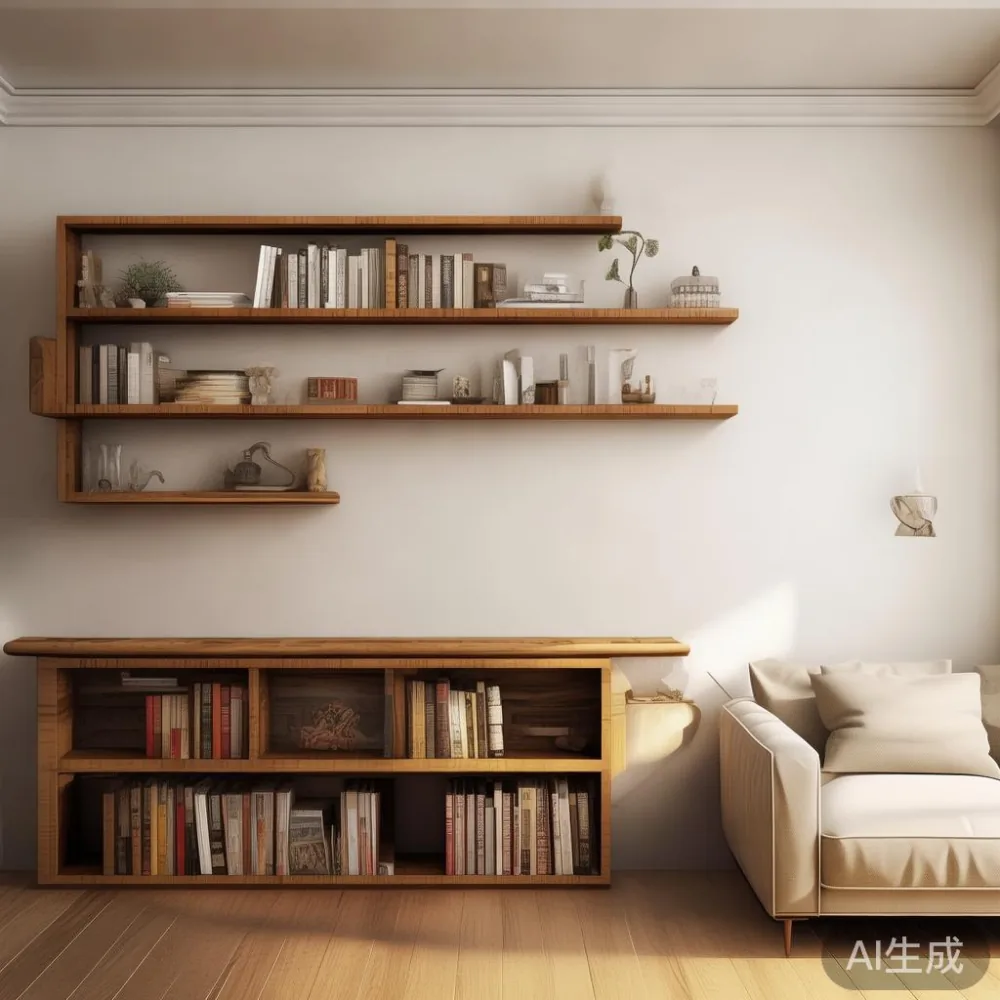
How do I choose a shipping damage for a bedroom?
Choose shipping damage coverage that specifically lists the four risks your delivery actually faces: corner impact, water exposure during unloading, compression damage when a heavy piece is stacked on top of a lighter one, and tilt damage when a wardrobe or bookshelf is forced into a lift that is too narrow. A standard courier policy usually covers loss but not corner dents, so you need a clause that pays for a replacement panel, not a percentage of the invoice. For a 1.8 m wardrobe or a 2.4 m bookshelf going into a Bedok or Punggol HDB, demand a clause that names the lift door width (around 90 cm) and the corridor turning radius (roughly 1.2 m), and require the driver to photograph the piece at your door before you sign. If the driver refuses, the coverage should still apply, and that is the exact wording you should ask for in writing before paying the SGD 40 to SGD 120 insurance fee.
This is also the moment to choose what the protection plan does not cover. Almost every plan excludes damage from humidity after delivery, which is why your purchase contract should be read alongside the warranty card. The clearest contracts I have read, including those shipped by MIDHILL to a Tampines client last quarter, separate the two risks on a single A4 sheet: shipping damage on the left, structural warranty on the right, refinishing on the back. That kind of layout prevents the classic Bedok dispute where the buyer thinks the 10-year warranty covers a swollen wardrobe side panel and the seller thinks it only covers cracked frame welds.
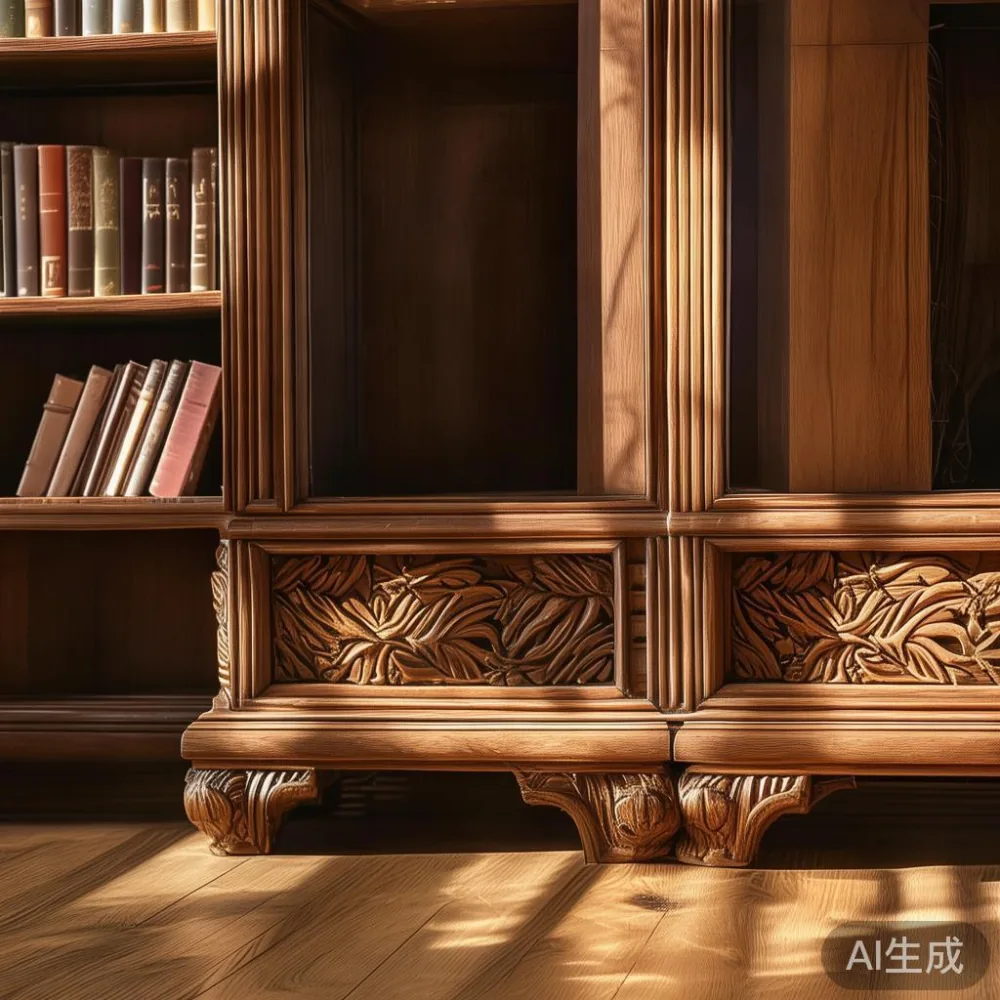
Which solid wood species actually survive Singapore's climate?
No wood is immune to humidity, but the rate of movement varies by a factor of nearly three between species. Teak, which contains natural oils, moves the least, roughly 0.8% across the grain for every 10 points of humidity change, and is the same species used in Singapore boat decks for that reason. White oak, the staple of French light luxury bookcases and dining tables, moves about 1.0% and looks elegant but needs stable indoor humidity. Ash, popular in American light luxury bed frames, moves about 1.1% and is forgiving on price. Rubberwood, widely grown in Malaysia and Thailand, moves about 1.4% and is the most common material in sub-SGD 1,500 wardrobes, which is why those wardrobes need a dehumidifier. Mango and acacia, popular in post-modern light luxury dining tables, sit between teak and oak at roughly 0.9 to 1.0%.
For a bookshelf that has to hold books in a Tampines study, oak or ash is a sensible choice if you can commit to keeping the room between 55% and 70% humidity year-round. For a wardrobe in a Punggol condo where the air-con runs only at night, teak or a teak-faced ply construction is more forgiving. For a dining table that will sit under a window facing west, where afternoon sun can push surface temperature past 35 degrees, choose a species with a tight grain pattern such as teak or white oak, and avoid pine and mango, which dent easily. For a marble table top sitting on a wood base, the bigger risk is the glue line at the joint, so ask the supplier what adhesive they use and at what humidity the joist was pressed.
Why does my new bookshelf from a Tampines delivery smell and warp at the same time?
Last month I supervised a delivery to a 5-room condo in Tampines. The piece was a 2.0 m tall oak bookshelf with six shelves, four meters. The client had measured the lift and the corridor, both 1.2 m wide, and the piece came in two boxes, one weighing 48 kg and one weighing 31 kg. The boxes had spent nine days in a 40-foot container crossing the South China Sea, where humidity inside the container routinely sits above 90%. When the boxes were opened in the client's living room, the smell was strong, the top shelf was 2 mm cupped, and the back panel had a slight bow. Within 48 hours in an air-conditioned room, the smell had dropped by about 60%, the cup had flattened to under 0.5 mm, and the back panel had straightened. Three weeks later the piece was stable, and the client has had no issues in the past two months. The lesson is that freshly imported furniture needs an acclimatisation window of 7 to 14 days in the room where it will live, and that a slight warp on arrival is not a defect if it resolves.
Two rules from that delivery. First, never wipe a freshly delivered bookshelf with a wet cloth for the first week. The surface is still equilibrating, and water on the end grain will soak in and cause localised swelling that does not recover. Second, leave 3 to 5 cm of airspace behind the bookshelf if it sits against an exterior wall. In Punggol and Tampines, the inside surface of a concrete wall can run 2 to 4 degrees cooler than the room, and that micro-climate can trap moisture and cause mildew on the back panel of a wardrobe or nightstand within six months.
How should I control humidity in a Singapore HDB or condo?
Three devices, in order of usefulness. A digital thermo-hygrometer, which costs SGD 18 to SGD 45 from any Tampines Mall electronics shop, gives you a real number instead of a guess. A small dehumidifier rated at 6 to 12 litres per day, which costs SGD 220 to SGD 420 and covers a 25 m² HDB room, will hold a bedroom between 55% and 65% on a timer. A passive silica-gel canister, which costs SGD 8 to SGD 25 and lasts 4 to 6 weeks before recharging, can be placed inside a wardrobe or a closed bookshelf cabinet to absorb residual moisture. For a 4-room HDB flat, one dehumidifier in the master bedroom, one in the living room, and three canisters inside three wardrobes will cover roughly 90% of the risk.
Air-conditioning itself is the strongest tool, but only if you set the right target. Setting the temperature to 23 degrees with the dry mode active will pull humidity into the 50 to 60% band on most nights. Setting it to 25 degrees in cool mode will leave it closer to 65 to 70%. The difference is about 8 to 12% humidity, which is enough to keep a solid wood sofa frame tight and a dining table top flat across an entire monsoon season. For a bookshelf full of books in a study, keep the door closed when the air-con is on so the room does not equalise with the corridor, where humidity is 10 to 15% higher.
What does a 10-year structural warranty actually cover in Singapore?
A real 10-year structural warranty covers breakage of the frame, joint failure under normal use, and severe cracking that exceeds 3 mm in width. It does not cover movement of wood across the grain, minor cupping under 2 mm, surface checking under 1 mm, or finish wear from sun exposure. Before paying a deposit, ask the seller to email you the exact wording, and look for four phrases: structural integrity, residential use only, normal humidity range 40 to 70%, and refinishing excluded. If those four phrases are present, the document is meaningful. If they are absent, the warranty is usually a marketing line. Reputable sellers such as MIDHILL publish their structural warranty as a one-page PDF that names the time period, the covered components, and the excluded conditions. For a buyer, that level of clarity is the easiest way to separate a real warranty from a label.
Lifetime refinishing is a separate, often misunderstood benefit. It means the supplier will sand and re-finish the piece at a labour-only cost for as long as the original buyer owns it. Typical charges are SGD 120 to SGD 280 per piece for a bookshelf, SGD 220 to SGD 400 for a dining table, and SGD 320 to SGD 550 for a wardrobe. Over a 20-year ownership, that is real money. It also signals that the supplier expects the piece to be refinishable, which means the wood is thick enough to sand, usually 18 to 22 mm on table tops and 16 to 20 mm on shelf panels. A 12 mm shelf cannot be refinished, and any seller who claims lifetime refinishing on a 12 mm shelf is overstating.
What should I measure before ordering a bookshelf, wardrobe, or dining table?
Five numbers, all in centimetres. Lift door width and cabin depth, corridor width at the tightest turn, the staircase or lift alternative if the lift cannot take the piece, the final placement wall width and ceiling height, and the door swing arc into the room. In most Singapore HDB lifts, the door is roughly 90 cm and the cabin is roughly 1.6 m deep, so any bookshelf wider than 1.7 m or any wardrobe panel taller than 2.2 m will not fit unless it is delivered in two parts. In newer Punggol condos, lift cabins can be 1.8 m deep, which is why a 2.0 m bookshelf can fit there but not in a 1980s Bedok block. Measure twice, then ask the seller for the crate dimensions of the two heaviest pieces, which are usually the wardrobe side panels (each 35 to 50 kg) and the dining table top (40 to 70 kg).
Three more checks. Confirm the corridor turning radius by walking a tape measure through the corner from your front door. Confirm ceiling height at the placement spot, because air-con ducts can drop 15 to 25 cm, and a 2.1 m wardrobe needs the full height to swing open. Confirm the floor load rating if the piece is heavy, because a 1.8 m wardrobe filled with clothes can weigh 280 to 350 kg, and most HDB bedroom floors handle that easily, but a small study floor with a single 1.2 m bookshelf holding 80 kg of books is fine on any floor. These checks cost an hour and prevent a 14-day return on a 90 kg piece that simply will not come through the door.
How do I handle the 14-day return window under GST?
Under Singapore's Consumer Protection (Fair Trading) Act, a 14-day return for unused furniture is a contractual promise, not a legal right, so read the wording. A fair 14-day policy lets you return a piece for a full refund, including the 9% GST line item, provided the piece is unused, in original packaging, and collected by the seller's own logistics team. Some policies deduct a restocking fee of 10 to 20%, which on a SGD 3,200 wardrobe is SGD 320 to SGD 640. The clearest policy I have seen, again from MIDHILL's contract sheet, lets the buyer keep the original packaging for 14 days and pays the return collection cost. So expect the cost to be a SGD 60 to SGD 150 collection fee plus a 2 to 4 day refund timeline. Keep the GST invoice, the warranty card, and the photo of the unboxing.
Two practical tips. First, do not assemble the piece until the 14th day. Many retailers void the return the moment a screw is driven, because once assembled they cannot sell it as new. Second, take photos of the unboxing on day one and again on day seven. If a top panel has cupped, you have visual evidence that the issue developed after delivery, which is the moment the warranty clock starts. If the panel was cupped on arrival, the issue is shipping damage, and that is a different claim on the same piece of paper.
How long does delivery actually take from a Foshan factory to a Tampines living room?
Sea freight from Foshan to Singapore's PSA terminal takes 7 to 12 days. Customs clearance and GST assessment adds 2 to 4 working days. Last-mile delivery from the PSA warehouse to a Tampines, Bedok, or Punggol address adds 3 to 7 working days, depending on the consolidator's schedule. Total door-to-door for a Foshan-made bookshelf or dining table is 18 to 35 days, which is why most Foshan sellers quote a 25 to 40 day window for made-to-order pieces. Air freight is faster, 5 to 9 days door-to-door, but costs roughly 3 to 4 times more, which on a SGD 4,500 wardrobe adds SGD 800 to SGD 1,200 to the invoice. Free shipping over US$350, around SGD 480, usually means sea freight on a consolidated container, and the piece arrives in a wooden crate that weighs 20 to 40% more than the piece itself.
Three delivery realities for Singapore. The lift booking in some HDB blocks is restricted to weekday mornings, so confirm the time slot before paying the balance. The driver team is usually two people, which is fine for a 60 kg bookshelf but not for a 180 kg wardrobe. A team of three costs an extra SGD 80 to SGD 150, and it is worth it if the corridor is tight. Crate disposal is your responsibility unless the seller offers a take-back, so ask in advance or you will have a 1.2 m wooden crate sitting in your corridor for a week.
What about the marble table top sitting on a wood base?
A marble table top on a wood base is the highest-risk combination in a humid climate, because marble is dimensionally stable while wood is not. The two materials move at different rates, and the joint between them is the failure point. Three rules. First, the marble should sit on a felt or silicone pad, not glued directly to the wood, so it can float. Second, the wood base should be a single species with vertical grain orientation, because quartersawn wood moves 30 to 40% less across the grain than plainsawn. Third, the table should never be within 1 kg of an exterior wall in a Tampines condo, because the temperature delta across the surface will cause the marble to expand at a different rate from the wood and the joint will stress. For a dining table top that is 140 cm long and 80 cm wide, the marble-to-wood differential at 80% humidity is about 0.4 mm, which is small but enough to crack a rigid glue line over two years.
For a nightstand, which is a smaller piece, the same rule applies in miniature. A marble-top nightstand sitting on a rubberwood base will develop a tiny gap along the back edge within 12 months in a non-air-conditioned guest room. Choose a nightstand with the marble mounted on a metal sub-frame, or choose an all-wood nightstand if the room is air-conditioned. The same applies to the top of a solid wood sofa's side table and the shelf under a marble table's reading nook, which are the small surfaces where humidity damage usually appears first.
Where can I actually see and touch a piece before I commit?
Singapore has two strong options for touching before buying. The first is the showroom, usually a 600 to 1,200 sq ft space in a Tai Seng or Eunos industrial building, where a curated set of 8 to 20 pieces is on display. The second is the sample-on-request model, where the seller brings 3 to 5 finish samples and a 30 cm square material swatch to your home for a SGD 50 to SGD 150 fee that is waived on order. The showroom is better for a bookshelf or dining table because you need to see the joinery and the grain pattern at full scale. The home visit is better for matching a marble table or a wardrobe's lacquer to your existing floor and wall colour.
For most buyers in Tampines, Bedok, or Punggol, the practical sequence is this. Visit a showroom to handle the construction and feel the weight of a solid wood sofa or bed frame. Take two or three finish samples home for two days under your actual lighting. Place your order with a 30 to 50 deposit, confirm the 10-year structural warranty in writing, confirm the lifetime refinishing clause in writing, and confirm the 14-day return window in writing. Wait 25 to 35 days. Inspect the crate at the door before signing. Let the piece acclimatise for 14 days before judging it. After three months, the wood has stabilised, and the piece will look the same for the next 10 to 20 years with a wipe-down once a week and a dehumidifier running four nights a week during the December to February monsoon.
One last number. A well-made solid wood bookshelf, properly acclimatised, kept at 55 to 65% humidity, and wiped once a week, will outlast a 10-year lease, two tenants, and a third child. A poorly made MDF bookshelf covered in a wood-look laminate will warp, peel, and shed its edge banding within 36 months in the same flat. The difference is not the brand on the front. It is the species on the inside, the moisture content at the time of pressing, and the contract on the back.