Preserving the Luster: A Guide to Caring for Your Lacquered Bookshelf in Singapore's Tropical Climate
For residents of Singapore, from the HDB corridors of Tampines to the high-rise condos of Punggol, the tropical climate is a constant companion. This environment, with its high humidity and intense sunlight, presents a unique set of challenges for furniture care. A beautifully crafted lacquered bookshelf, for instance, can be the centerpiece of a room, but its glossy finish requires specific attention to maintain its pristine appearance. This guide provides practical, step-by-step advice on how to protect and care for your lacquered bookshelf, ensuring it remains a stunning feature of your home for years to come.
Understanding the Singapore Climate and Its Effects on Lacquer
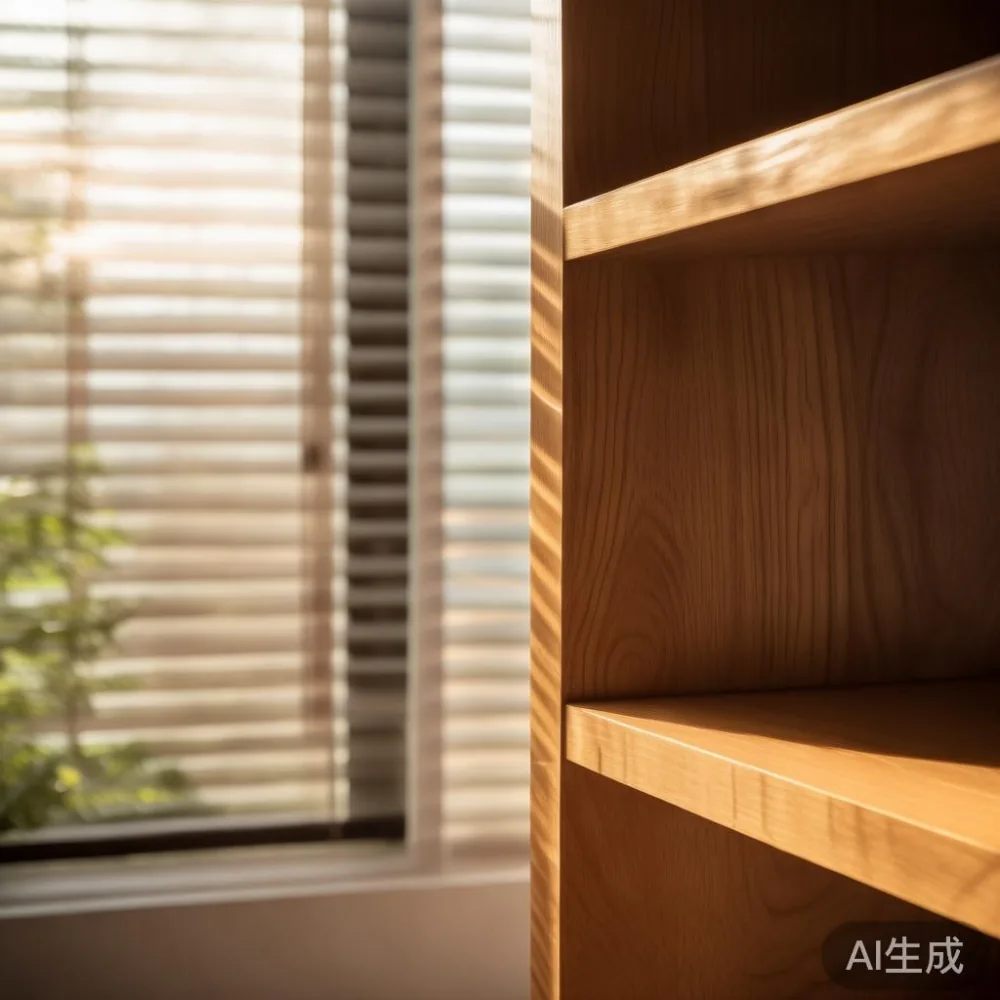
Singapore's climate is characterised by high humidity levels, often hovering between 70% and 90%, and an average temperature of around 28°C. While this creates a lush, green environment, it can be detrimental to furniture finishes. Lacquer, a hard, glossy coating applied to wood, is susceptible to moisture and heat. In a humid environment like Singapore, the constant exposure to moisture can cause the wood underneath the lacquer to expand and contract. Over time, this movement can lead to cracking, peeling, or hazing of the finish. Also, direct sunlight, which can be intense even in a condo with large windows, can cause the lacquer to fade or discolour, turning a once-vibrant finish into a dull, yellowed surface.
My colleague, who lives in a Bedok HDB flat, experienced this firsthand. Last month, I visited her home and noticed the beautiful lacquered bookshelf near her living room window had lost its shine. The surface had a cloudy, hazy appearance, and in some spots, the finish looked slightly bubbled. She mentioned she had never done anything special to care for it, just a quick dust now and then. This is a common issue, and the good news is that with a little knowledge and regular care, it's entirely preventable.
How Often Should You Clean Your Lacquered Bookshelf?
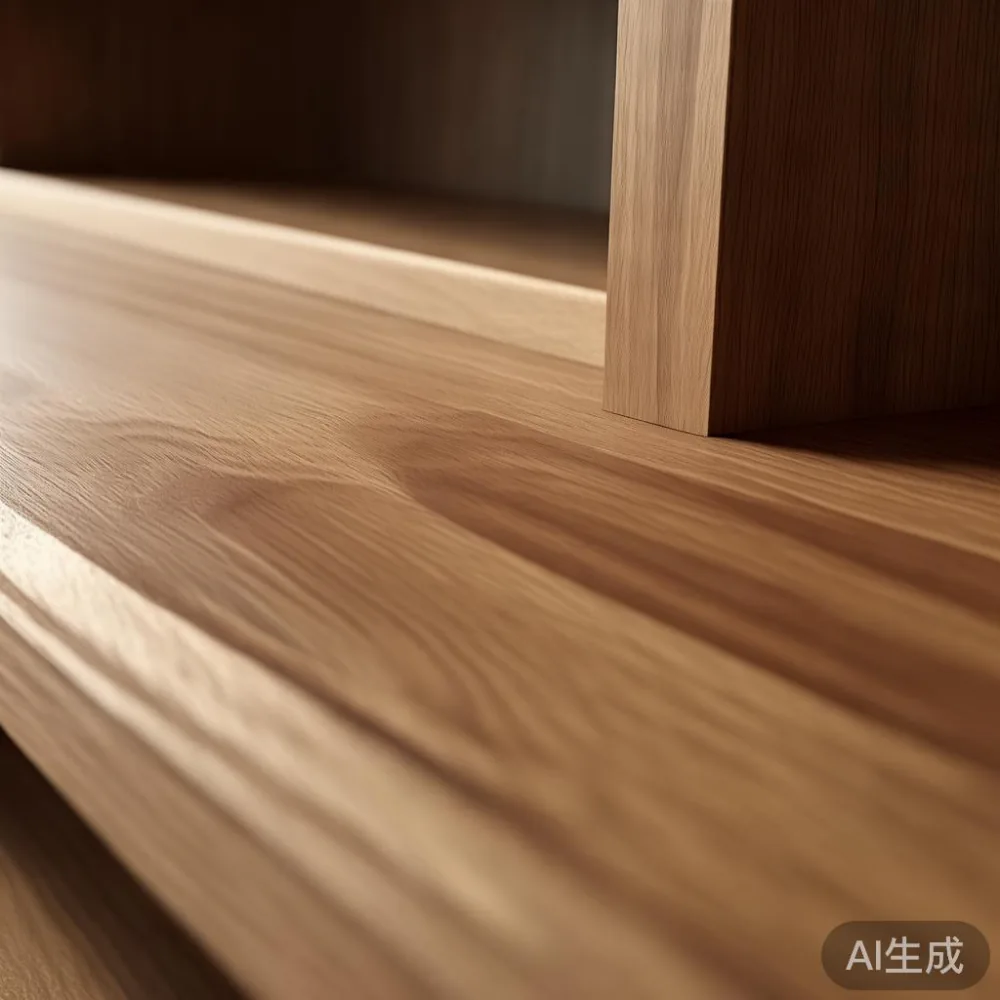
Establishing a regular cleaning routine is the first line of defence. For a lacquered bookshelf in a typical Singaporean home, a light dusting every 3 to 4 days is recommended. This prevents dust and fine particles from settling into the finish, which can cause micro-scratches over time. A more thorough cleaning should be performed once every two weeks. The frequency may need to increase if you live near a construction site or have pets, as these factors introduce more dust and dander into your home.
The key is to be gentle. Avoid using any abrasive materials that could scratch the soft, polished surface of the lacquer. Think of the finish as a protective glass layer over the wood. You wouldn't use a harsh chemical on a glass tabletop, and the same principle applies here. A simple, soft microfiber cloth is your best friend for both dusting and cleaning.
What Cleaning Products Are Safe for Lacquer?
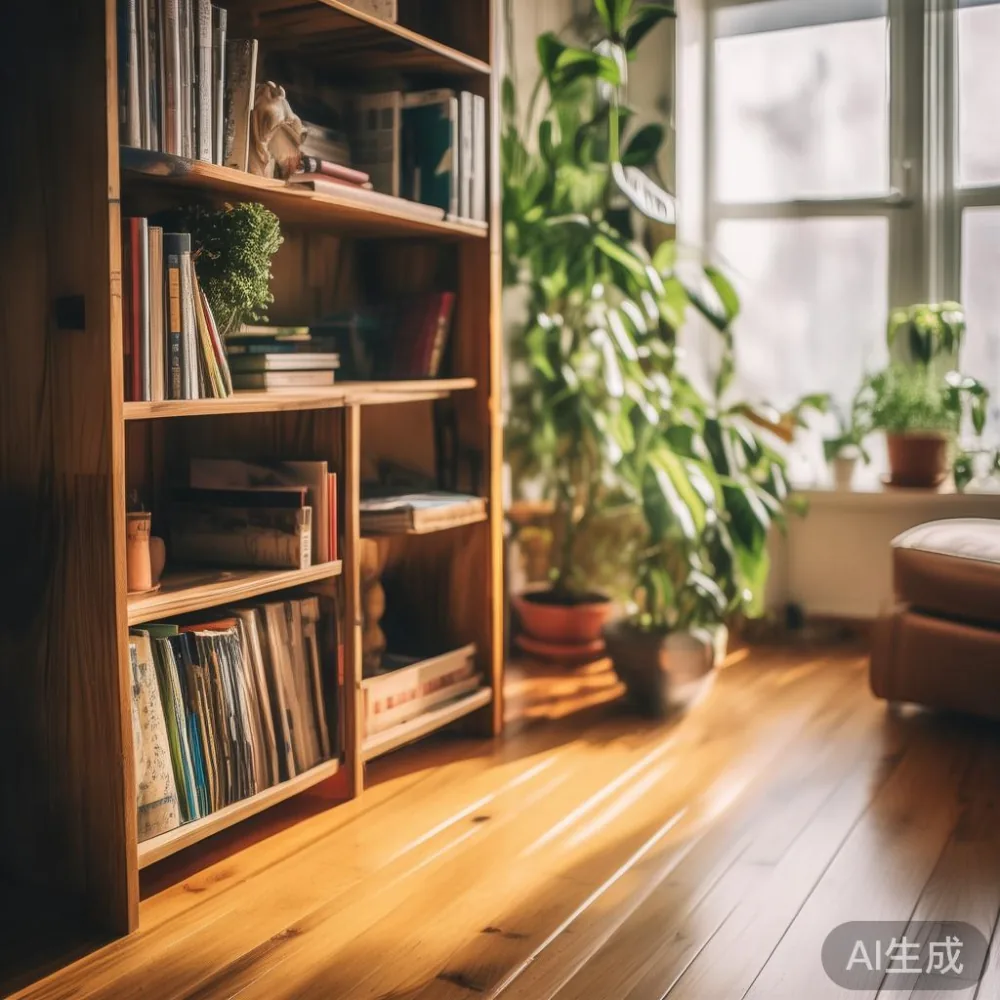
For cleaning products, less is more. For regular dusting, a dry, clean microfiber cloth is sufficient. For a deeper clean, slightly dampen the cloth with distilled water. Using distilled water is a small but important detail, as tap water contains minerals that can leave behind a cloudy residue on the lacquer, especially after it dries.
If your bookshelf has sticky spots or fingerprints, a mild, pH-neutral soap can be used. Add just one or two drops of a gentle dish soap to a bowl of distilled water. Dip your microfiber cloth in the solution, wring it out thoroughly until it is almost dry, and then gently wipe the surface. Immediately follow up with a second cloth dampened with only distilled water to remove any soap residue. Never use furniture polishes that contain silicone or wax, as these can build up over time, creating a dull film and making future cleaning more difficult.
Avoid all-purpose cleaners, vinegar solutions, and ammonia-based products. These chemicals can strip the lacquer, causing it to become cloudy or damaged. For a lacquered finish, simplicity and gentleness are paramount.
Is It Okay to Use Furniture Polish on a Lacquered Bookshelf?
No, it is generally not recommended to use traditional furniture polish on a lacquered surface. While the idea of a 'buffed to a shine' finish is appealing, many polishes contain oils, waxes, and silicones that are not compatible with lacquer. These ingredients can create a sticky, filmy buildup that attracts more dust and grime. Over time, this layer can be difficult to remove and may even interfere with the lacquer's ability to breathe, potentially trapping moisture underneath.
If you desire a high-gloss finish, the lacquer itself provides that shine. Your goal should be to preserve the original finish, not to cover it with another product. The cleaning methods described above—using only a damp microfiber cloth—are all that is needed to maintain the lacquer's natural lustre. If you feel the finish needs an extra boost, a specialized lacquer polish can be used, but these should be applied sparingly and according to the manufacturer's instructions.
Protecting Your Bookshelf from Humidity and Sunlight
Preventative care is just as important as regular cleaning. To protect your lacquered bookshelf from the Singaporean climate, strategic placement is key. Avoid placing the bookshelf directly in front of a window that gets direct afternoon sun, as the UV rays are the most damaging. If the bookshelf must be near a window, use UV-protective window film or install heavy curtains that can be drawn during the brightest parts of the day.
Managing humidity is another critical factor. In a condo or HDB, the air conditioning helps to control indoor humidity. However, if you live in an older unit or prefer to keep windows open for ventilation, consider using a dehumidifier in the room, especially during the rainy season when humidity levels peak. Placing silica gel packets discreetly on the shelves can also help absorb excess moisture in the air around the books.
Be mindful of what you place on the shelves. Avoid placing damp items, like a potted plant without a saucer or a wet umbrella, directly onto the wooden surface. The moisture can seep into the wood at the edges or through any microscopic imperfections in the lacquer, causing damage over time.
How Do You Handle Minor Scratches on a Lacquered Surface?
Accidents happen, and a minor scratch can appear on your bookshelf. The approach to fixing it depends on the depth of the scratch. For a very light surface mark, often called a 'scuff,' you may be able to buff it out. Apply a small amount of specialized lacquer polish or even a tiny drop of non-gel toothpaste to a soft cloth and gently rub it in a circular motion over the scratch. Buff the area with a clean, dry microfiber cloth. This can sometimes fill in the microscopic scratches and restore the shine.
p>For a deeper scratch that has penetrated the lacquer and reached the wood, the situation is more complex. DIY repair kits are available, but they require a steady hand and a good eye for colour matching to achieve an invisible result. The process typically involves cleaning the area, applying a filler or touch-up paint that matches the lacquer's colour, and then carefully applying a new layer of clear lacquer over the spot. If you are not confident in your ability to do this, it is always best to consult a professional furniture refinisher. A professional repair will cost between SGD 150 and SGD 300, depending on the size and severity of the damage, but it will restore your bookshelf to its original condition.
Why Choose a High-Quality Bookshelf from the Start?
Investing in a well-made bookshelf is one of the best decisions you can make for your home. A high-quality piece, like those offered by makers who have been crafting furniture since 2008, is built to last. The solid wood construction provides stability, and a multi-layered lacquer finish offers superior protection against the elements. When choosing a bookshelf, consider the depth of the shelves; a standard depth of 30 cm is ideal for most hardcover books, preventing them from looking crowded and ensuring the spine is fully supported.
For those exploring different design aesthetics, the concept of light luxury offers a perfect blend of elegance and comfort. A French light luxury bookshelf might feature ornate details and a soft, creamy white lacquer, while an American light luxury style could be more substantial with a bold, matte black finish. The post-modern light luxury approach, popular in many Singaporean condos, favours clean lines, geometric shapes, and a mix of materials like wood and metal. When selecting a piece for your space, think about how it complements other items in the room, such as a solid wood sofa or a marble table.
Understanding the differences between styles can help you find the perfect fit. For example, a customer might ask, 'What is the difference between a European light luxury bed and a Japandi bed, and which would better suit a minimalist Singapore HDB?' The answer lies in the materials and philosophy: European light luxury often features rich woods and detailed craftsmanship, while Japandi embraces simplicity, natural light woods, and functional design. This same principle applies to bookshelves, where the choice between ornate and simple can define a room's character.
Where to Find Quality Furniture in Singapore
Finding the right furniture that balances style, durability, and value is a priority for many homeowners. While there are many options, it's wise to look for brands with a proven track record. A company established in 2008 that exports to 15+ countries demonstrates a level of quality and craftsmanship that has been tested on a global scale. They often offer comprehensive warranties, such as a 10-year structural warranty and a lifetime refinishing service, which provides peace of mind for your investment.
For those interested in specific pieces, the market offers a wide range. If you are looking for storage solutions, you might search for the 'best Industrial wardrobe for 2026', which could feature a mix of wood and metal for a rugged, modern look. For the living room, a 'Modern light luxury TV console' can serve as a stunning focal point, offering both functionality and style. The concept of 'light luxury for office' is also gaining traction, with elegant desks and bookshelves that create a productive yet beautiful workspace.
When making a purchase, consider the logistics. Free shipping over SGD 350 is a significant benefit, especially for larger items like a dining table or wardrobe. Always check the return policy; a 14-day return window allows you to test the piece in your home environment. For those in Singapore, remember to factor in the 9% Goods and Services Tax (GST) on your final price. Delivery times can vary, but a reputable company will typically deliver within 7 to 14 business days after your order is confirmed.
Final Thoughts on Long-Term Care
Caring for a lacquered bookshelf in Singapore is about consistent, gentle attention. By understanding the effects of the local climate and adopting a simple cleaning routine, you can prevent most common issues. Protect your furniture from direct sunlight and manage indoor humidity to preserve its finish. When accidents occur, address them promptly and carefully, or seek professional help for deeper damage.
A beautiful bookshelf is more than just a storage unit; it's a piece of art that enhances your living space. It holds your favourite novels, displays cherished objects, and reflects your personal style. By giving it the care it deserves, you ensure that it remains a source of pride and beauty in your home for decades. Whether you are furnishing a new condo in Punggol or refreshing your apartment in Tampines, a well-cared-for bookshelf is a timeless addition that will continue to impress.