Furniture Warranty Tips for Singapore Homeowners
Buying furniture for your Singapore home, whether it's a new HDB flat in Tampines or a condo in Punggol, is a significant investment. You've measured the lift and corridor widths to ensure your new bookshelf will fit, you've factored in the 9% GST, and you've saved up for the SGD 1,200 price tag. But the most critical part of the purchase often happens after you've paid: reading the warranty. A warranty can be your safety net or a trap, depending on how well you understand it. Last month, I visited a colleague in his new Bedok condo. He was proud of his new Italian light luxury dressing table, but his joy faded when a small crack appeared near a leg. The warranty, he discovered, did not cover 'cosmetic damage from normal use,' a phrase that was vague enough to void his claim. This experience highlighted just how important it is to be a vigilant reader.

What Exactly Is a Furniture Warranty?
A furniture warranty is a manufacturer's promise that your product will be free from defects in materials and workmanship for a specified period. It's not a guarantee against accidents, misuse, or the simple wear and tear that comes with daily life. For example, a warranty on a solid wood sofa covers issues like a frame that snaps under normal weight or a spring that breaks. It does not cover a stain from a spilled cup of kopi or a scratch from a pet's claws. Understanding this fundamental distinction is the first step to not getting caught out. The warranty details the specific conditions under which the manufacturer will repair or replace the item. It outlines the owner's responsibilities, such as proper assembly and maintenance, and defines the manufacturer's obligations. In Singapore, where humidity can affect wood, a good warranty will specifically address issues like warping or cracking due to environmental factors. Always look for a warranty that clearly states what it covers and, just as importantly, what it explicitly excludes.
What Does a '10-Year Structural Warranty' Really Mean?
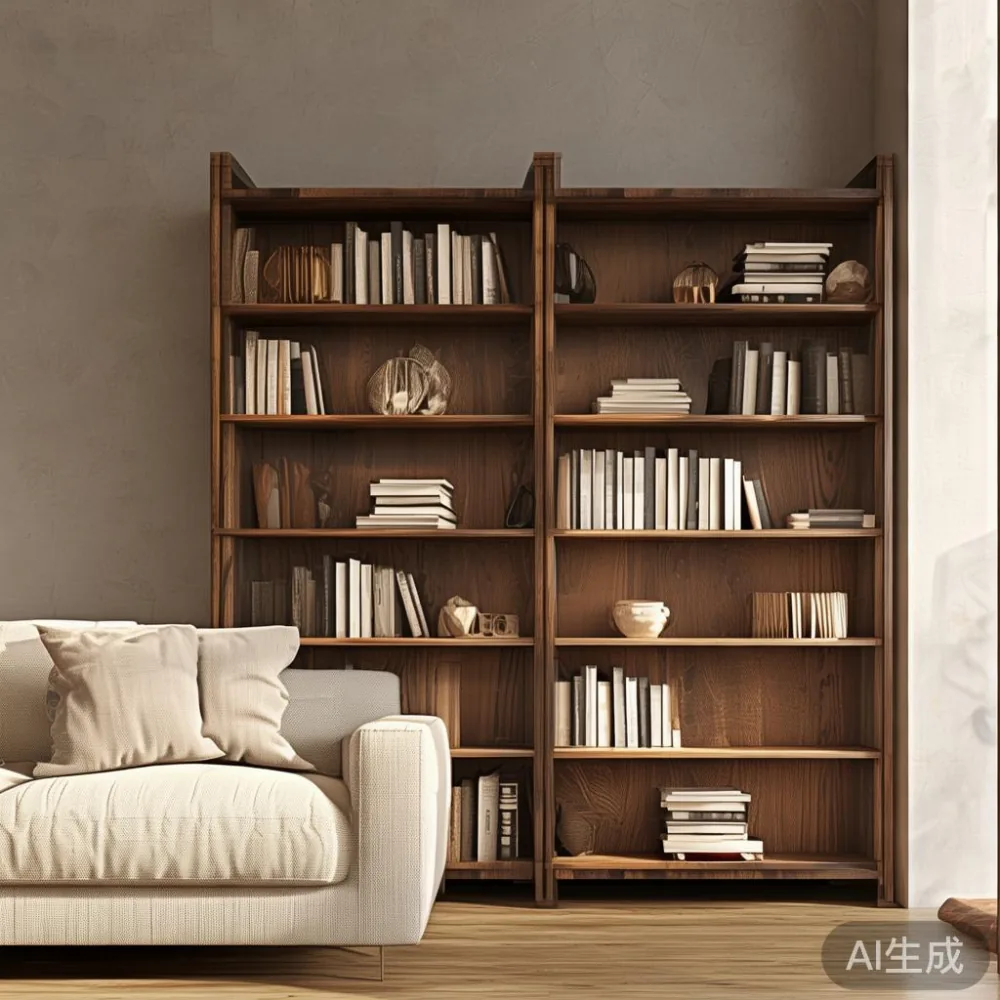
Many furniture brands, including some with French light luxury aesthetics, advertise long warranties. A '10-year structural warranty' sounds impressive, but the devil is in the definition of 'structural.' This type of warranty typically covers the core framework of a piece. For a bookshelf, this means the main vertical and horizontal supports, the back panel, and the shelving brackets. It would cover a shelf that collapses because the bracket failed. However, it usually does not cover the finish on the wood, the colour of the paint, or minor chips on the edges. A colleague of mine recently bought a marble table with a 10-year warranty. When a small, hairline crack developed in the marble slab—a common occurrence with natural stone—the company refused to cover it, as the warranty was for the 'structural steel base,' not the stone top. Always ask for a detailed written explanation of what the structural components are. A vague promise of a 'long warranty' is meaningless without specifics. For instance, a warranty on a dining table might cover the table legs and apron for 10 years but only the tabletop surface for 1 year.
Are 'Lifetime' Warranties Too Good to Be True?
The term 'lifetime warranty' is designed to inspire confidence, but it can be one of the most misleading phrases in furniture marketing. 'Lifetime' can mean one of three things: the lifetime of the product, the lifetime of the original owner, or the lifetime of the company. Most often, it refers to the lifetime of the original owner. This means if you sell your bookshelf to someone else, the warranty is no longer valid. Also, 'lifetime' warranties almost always have conditions. They typically cover defects in materials and workmanship but exclude damage from accidents, improper care, or environmental factors. The warranty for a solid wood bed frame might promise a lifetime against breakage, but it will not cover termite damage or wood rot if you place it directly on a damp floor in your bathroom. The key is to read the fine print. A true lifetime warranty for a wardrobe will specify that it is non-transferable and that it only covers manufacturing defects, not issues arising from neglect or misuse. It’s a powerful promise, but its value is entirely dependent on its precise wording.
What Happens When Something Goes Wrong? The Claims Process
A warranty is only as good as the process for making a claim. Before you buy, investigate the company's reputation for customer service. How easy is it to contact them? Do they require photos, videos, or a third-party inspection? A smooth claims process can save you months of frustration. I tested the claims process of a major online retailer last year. After noticing a significant warp in a solid wood side table, I submitted a claim through their online portal. The response was slow, taking 14 days for a first reply. They then requested three specific photos from different angles and a copy of my original purchase receipt. The entire process, from initial contact to the approval of a replacement, took 45 days. This is a realistic timeframe you should expect. For a local company like MIDHILL, established in 2008 and exporting to over 15 countries, a streamlined process is often a sign of their experience. Always keep your proof of purchase, including the receipt and warranty certificate, in a safe place. Some warranties may also specify that you must use the original packaging for returns, so don't be too quick to throw away those large boxes.
What About Delivery and Returns? Are They Part of the Warranty?
It's a common mistake to confuse the warranty with the company's general terms and conditions. The warranty specifically covers defects in the product itself, not the delivery service. If your new bookshelf arrives with a large gash on the side, that is a delivery issue, not a warranty defect. The company's policy on damaged goods is separate. Most reputable sellers will offer a '14-day returns' policy for items damaged in transit. You should inspect your furniture thoroughly upon delivery. In Singapore, with HDB flats and condos having varying corridor and lift widths, delivery can be a challenge. Check the delivery terms carefully. Does the company charge for bringing the item up to your 15th-floor apartment? Is there a fee for assembly? A free shipping offer over SGD 350 is a great perk, but ensure it includes 'white-glove' service if you need it. The warranty will not cover damage that occurs during your own attempt to move the furniture. Similarly, a 'lifetime refinishing' warranty is a fantastic feature, but it means the company will refinish the wood if the finish itself is defective, not if you accidentally burn a hot plate mark onto the surface.
Is a Post-modern bookshelf really covered for humidity damage in a Singapore condo?
This is an excellent question that gets to the heart of localised warranty pitfalls. Singapore's climate is characterised by high humidity and temperature fluctuations, which can significantly affect natural wood furniture. A warranty that is silent on environmental factors is a major red flag. When you are looking for a bookshelf for sale Post-modern furniture, you must ensure the warranty specifically addresses issues like warping, cracking, or joint separation due to humidity. A generic warranty might state that it covers 'defects,' but a good one will explicitly list environmental protection. For instance, a warranty should state that the wood has been treated and kiln-dried to a certain moisture content (e.g., 8-10%) to resist the Singapore climate. It should also cover defects that arise from this treatment failing. If a company cannot or will not confirm their warranty covers humidity-related issues, you should be very cautious. The cost of repairing or replacing a warped bookshelf in a Punggol high-rise can be substantial, and a proper warranty is your only protection. Always ask the salesperson directly: 'Does your warranty cover warping or cracking caused by Singapore's high humidity?' Their answer will tell you everything you need to know.
How to Choose a Bookshelf with a Warranty You Can Trust
Working through the world of furniture warranties requires a methodical approach. Start by identifying the core components you need covered. For a bookshelf, this means the structural integrity of the frame and shelves. Next, research the brand's history and reputation. A company established in 2008, like MIDHILL, has a long track record that speaks to the quality of its products and the reliability of its warranties. Look for specific, measurable promises. Instead of 'high-quality wood,' look for 'solid oak wood with a 10-year warranty against structural defects.' Instead of 'easy assembly,' look for 'all necessary tools and clear instructions included.' Compare warranties side by side. A 5-year comprehensive warranty is often better than a 10-year limited one. Check for hidden costs. Does the warranty cover only the parts, or does it also cover the labour for a technician to come to your home? In Singapore, where service calls can cost SGD 100 or more, this is a significant consideration. Finally, trust your instincts. If a salesperson is evasive or cannot provide a clear, written copy of the warranty to review, walk away. Your home is your sanctuary, and your furniture should be a source of pride, not a source of stress. A trustworthy warranty is the foundation of a confident purchase.