Mastering Small Space Living: Styling Your HDB or Condo with Smart Bookshelf Choices
Living in a Singaporean apartment, whether it's a compact 3-room flat in Tampines or a stylish condo in Punggol, presents a familiar challenge: how to create a home that feels open, airy, and personal, without sacrificing functionality. The narrow corridors of an HDB block, the tight squeeze in a condo lift, and the constant need to work through around furniture make every square foot count. The pressure to maximize space while maintaining a sense of style is a daily reality for many. But what if the solution wasn't about having less, but about choosing smarter?
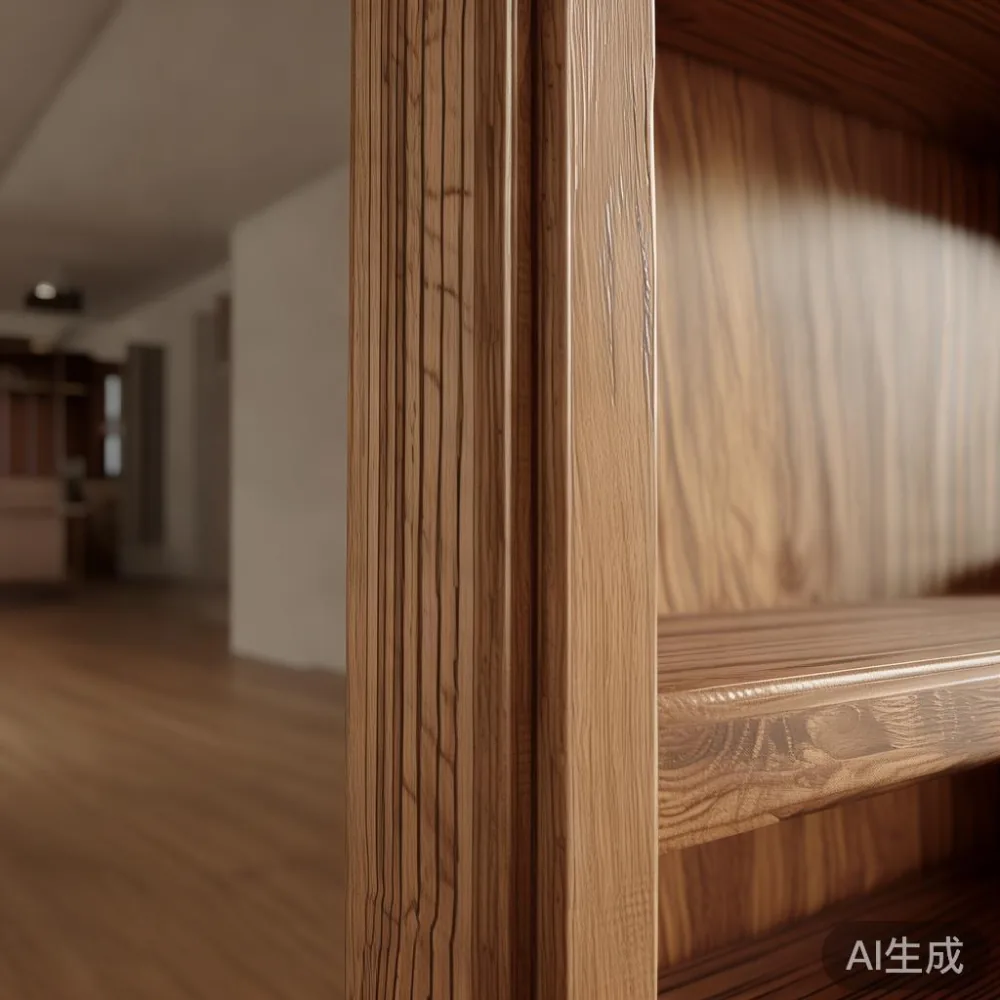
Why the Right Bookshelf is Your Most Powerful Space-Saving Tool
In the context of Singapore's high-density living, furniture that pulls double or even triple duty is not a luxury; it's a practical necessity. A standard bookshelf, often a deep, imposing piece of furniture, can quickly dominate a small room, making a corridor feel like a hallway and a living space feel cramped. However, a well-chosen bookshelf can be the exact opposite. It can define a space, provide important storage, and even act as a room divider, all while maintaining a sense of openness.
Consider the dimensions. A traditional bookshelf might be 35cm deep, protruding significantly into a room. A more streamlined alternative, often found in modern designs, can be as shallow as 20cm. This 15cm difference might seem minor, but in a bedroom where you need to walk past it to get to the wardrobe, or in a living room where it sits next to a sofa, that reduction in depth creates a tangible improvement in circulation. It’s the difference between feeling squeezed and feeling comfortable.
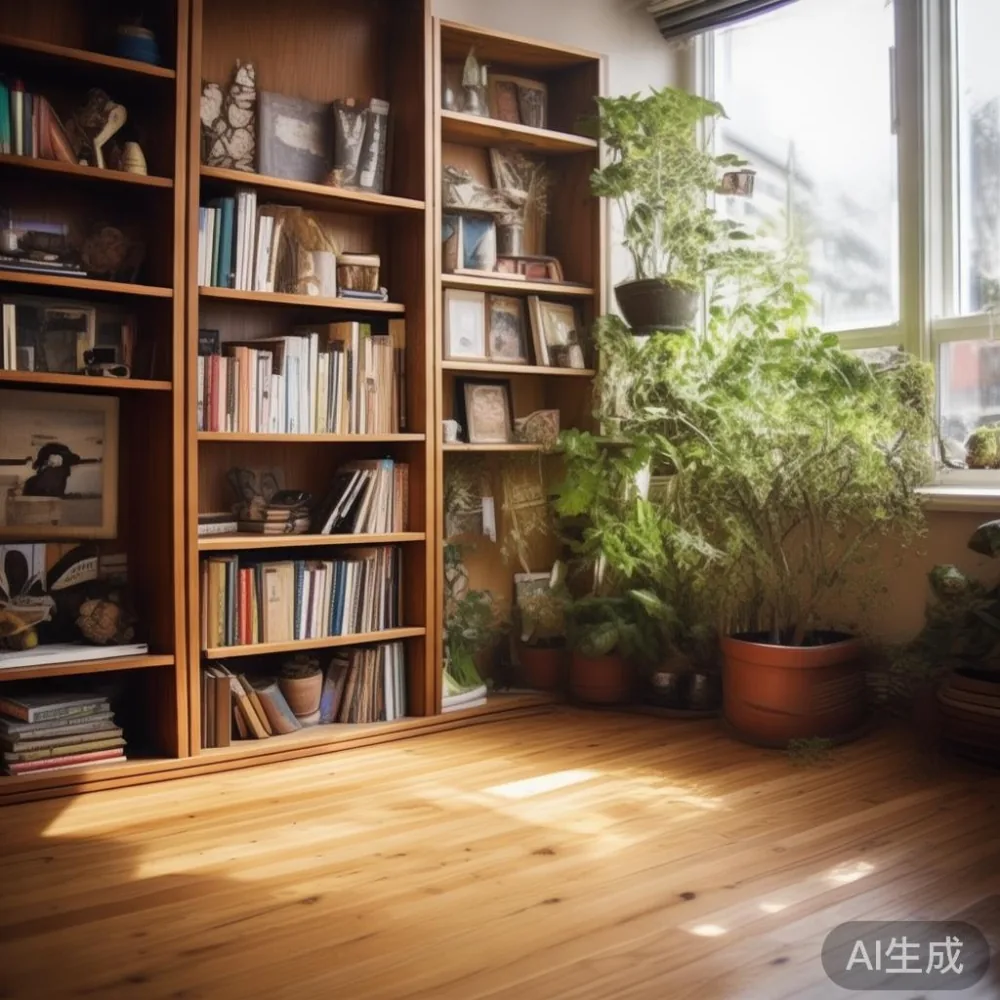
Also, the material and finish play a significant role in how a bookshelf interacts with light and space. A dark, solid wood bookshelf with a matte finish will absorb light, making a room feel smaller. A lighter wood, or even a white or light grey finish, will reflect light, creating an illusion of more space. This is a principle of interior design that becomes particularly important in apartments with limited natural light, a common feature in many Singaporean high-rises.
How Do You Choose a Bookshelf That Won't Overwhelm a Small Room?
This is the most common question I receive from clients furnishing their new homes in Bedok or Punggol. The key is to shift your thinking from the bookshelf as a standalone object to the bookshelf as a component of the entire room's composition. The decision should be based on three primary factors: scale, style, and placement.
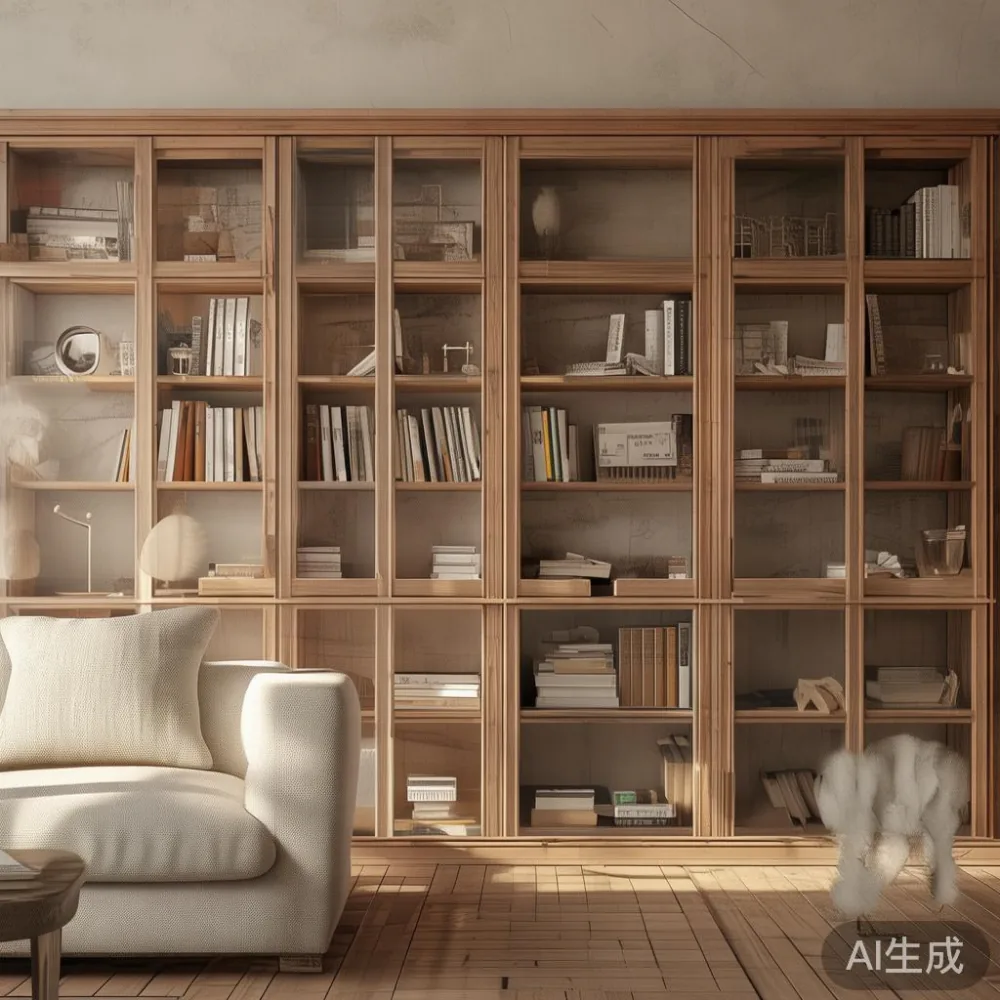
Scale is paramount. A 180cm tall, 90cm wide bookshelf is a substantial piece of furniture. In a small living area, it can easily become the focal point to the point of overshadowing everything else. Instead, consider a taller, narrower unit. A bookshelf that is 200cm tall but only 30cm wide has a much smaller footprint while still offering significant vertical storage. This draws the eye upward, creating the perception of higher ceilings and a more spacious room.
Style is equally important. A bulky, traditional bookshelf with ornate detailing will visually fill a room. A minimalist bookshelf with clean lines, slender legs, and open shelving will do the opposite. The negative space—the empty areas between the shelves and around the unit—is just as important as the shelves themselves. This open quality allows the bookshelf to feel like a light, airy structure rather than a solid block, preventing it from feeling imposing.
Finally, strategic placement can completely transform a room's feel. Placing a bookshelf directly against a wall is the safest option, but it doesn't do much to enhance the sense of depth. In a studio apartment or an open-plan condo, placing a bookshelf perpendicular to a wall, acting as a low divider between the living and sleeping areas, can create distinct zones without building a physical wall. This is a technique I saw used effectively in a Punggol showflat last month, where a 120cm wide bookshelf was used to separate the living area from a small home office, defining the space while still allowing light to flow through.
Verticality is Key: Using Tall, Narrow Bookshelves
One of the most effective strategies for small apartments is to embrace vertical space. Singaporean apartments, with their standard ceiling heights of 2.6 to 2.8 meters, offer a significant amount of unused vertical real estate. A tall bookshelf, especially one that reaches nearly to the ceiling, capitalizes on this.
A floor-to-ceiling bookshelf, for instance, can store an enormous amount of books, decor, and storage baskets, all within a footprint of just 30-40cm depth. This is a standout piece for a small bedroom where floor space is needed for a bed and a wardrobe. By storing items vertically, you free up the horizontal plane, making the room feel larger and more open.
The aesthetic benefit is also significant. A tall bookshelf creates a strong vertical line, which draws the eye upward. This has the effect of making ceilings appear higher and rooms feel more expansive. It adds a sense of grandeur and order, even in a compact space. When styling these tall units, it's important to balance the items on the shelves. Avoid overcrowding every shelf. Leave some empty space, and intersperse books with decorative objects, plants, or framed photos to create a dynamic, visually interesting display rather than a utilitarian storage unit.
For those who find a full-height bookshelf too imposing, a compromise is a bookshelf that is around 180cm tall. This height is substantial enough to provide significant storage without completely dominating the room's verticality. It's a versatile choice that works well in most living rooms and home offices.
Material and Finish: Making Your Bookshelf Feel Lighter
The physical weight and visual weight of a bookshelf are two different things, but both impact how a room feels. Solid wood furniture is prized for its durability and natural beauty, but a dark, heavy solid wood bookshelf can feel very dense in a small space. The key is to select the right type of wood and finish.
Lighter woods like ash, oak, or maple have a naturally more open and airy feel than darker woods like walnut or mahogany. Even within the same wood species, the finish makes a huge difference. A high-gloss lacquer finish will reflect light and can feel quite modern and light, while an oil-waxed finish will absorb light and feel more traditional and grounded. For a small apartment, a lighter wood with a matte or satin finish is often the most effective choice. It adds warmth and texture without making the room feel smaller.
p>Another excellent option is to consider a two-tone design. A bookshelf with a white or light grey frame and light wood shelves, or vice-versa, can create a visual break that makes the piece feel less like a single, heavy block. This technique breaks up the surface area, allowing the eye to move more freely around the room. This is a principle often seen in French light luxury design, where lightness and elegance are paramount. The idea is to create an environment that feels refined and spacious, not cluttered and confined.
Integrating Your Bookshelf with Other Furniture
A bookshelf rarely exists in a vacuum. Its relationship with other pieces of furniture in the room is critical to achieving a cohesive and uncluttered look. The goal is to create a harmonious composition where each piece complements the others.
Consider the flow around the bookshelf. In a living room, ensure there is enough space to walk comfortably past it. A good rule of thumb is to have at least 80cm of clear space in front of a bookshelf that you'll be accessing frequently. This prevents it from becoming a navigational obstacle. If you're placing a bookshelf next to a sofa, the combined visual weight should feel balanced. A low-profile sofa paired with a tall, slender bookshelf can create a pleasing contrast of horizontal and vertical lines.
Styling the top of the bookshelf is also important. Instead of leaving it bare or filling it with clutter, use it as a small display area. A single, sculptural object, a few well-chosen books stacked horizontally, or a small plant can add personality without overwhelming the space. This draws the eye upward and adds a sense of completion to the piece. For example, placing a small marble table on the top shelf can add a touch of unexpected luxury and texture, breaking up the monotony of books and creating a small focal point.
When planning your furniture layout, think about the bookshelf's role in the scheme. In a bedroom, it might be flanked by a nightstand for a symmetrical look. In a dining area, it could be placed next to a sideboard to create a unified storage and display wall. The key is to think of your furniture as a collection of pieces that work together to create a balanced and functional whole.
Where to Place Your Bookshelf for Maximum Impact
The placement of a bookshelf can be as important as its design. Different locations offer different benefits and can solve different spatial challenges common in Singaporean apartments.
One popular placement is in a corner. A corner bookshelf unit is designed to fit snugly into the 90-degree angle of a wall, making use of an often-underutilized space. This is a perfect solution for a small living room or bedroom where wall space is limited. A corner bookshelf can provide a surprising amount of storage without protruding into the main walking area of the room.
Another strategic location is behind a sofa. Placing a low bookshelf or a console table with shelving behind a sofa creates a defined back wall for the seating area. It provides a place for lamps, books, and decor, adding functionality and visual interest. This arrangement also helps to anchor the sofa in the room, preventing it from feeling like it's floating in the middle of the space. This is a technique often used in American light luxury styling, where creating distinct zones and layers of interest is key to a sophisticated look.
In a studio apartment or a condo with an open-plan layout, a bookshelf can serve as a room divider. By placing it perpendicular to a wall, you can create a subtle separation between the living area and the bedroom or dining area. This allows for a degree of privacy and definition without closing off the space or blocking light. The key is to choose a bookshelf with an open back or one that is not too tall, so as not to completely obstruct the view and light flow between the zones.
Finally, don't overlook the hallway or corridor. In many HDB flats, the corridor leading to the bedrooms is a narrow, wasted space. A narrow, tall bookshelf placed here can provide storage for books, shoes, or decor, turning a purely functional area into a small, stylish gallery. Just be mindful of the width; a bookshelf wider than 30cm might make the already narrow corridor feel even more cramped.