How to Style a Small Apartment with a Bookshelf Without Making It Feel Crowded
A bookshelf can make a small Singapore apartment feel more useful without making it feel crowded, but only when its scale, colour and placement are considered alongside the actual room. In a compact HDB flat in Tampines, Bedok or Punggol, the difference between a comfortable arrangement and a cluttered one can be as small as 12 cm of clearance. In a condo living room, the challenge may instead be the lift, corridor or window wall.
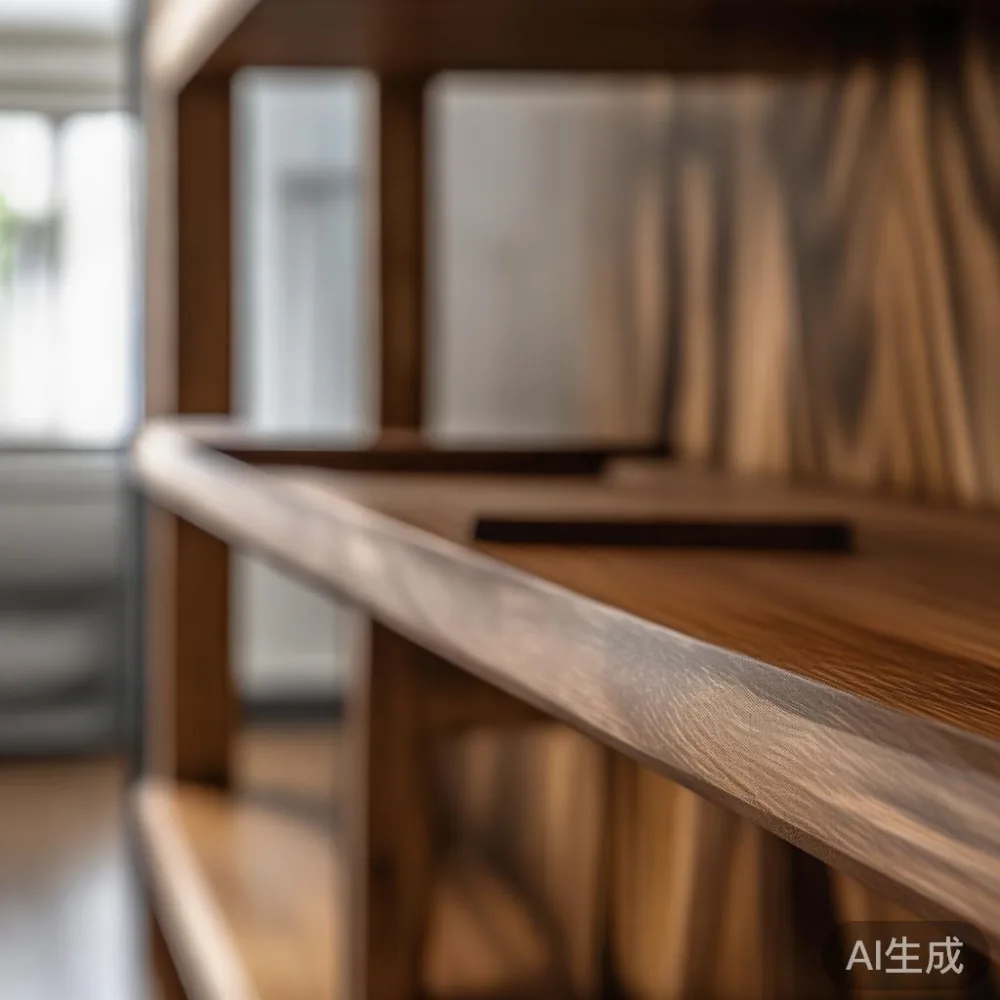
This guide explains how to choose, position and style a solid wood bookshelf for a small apartment, with practical measurements for Singapore homes. MIDHILL designs furniture for compact spaces and international use, with a 10-year structural warranty, lifetime refinishing, free shipping above US$350 and a 14-day return window. Singapore prices below are shown in SGD; applicable GST is added at checkout.
What size bookshelf fits a small Singapore apartment?
Start with the wall, not the catalogue. Measure the usable width from skirting to skirting, then note skirting depth of about 15–20 mm, sockets, switches, air-conditioner vents and any uneven wall sections. A shelf placed beside a doorway needs at least 60 cm of clear passage; one opposite a dining table should leave 90 cm; and one behind a sofa needs roughly 75–90 cm from the sofa back to the wall.
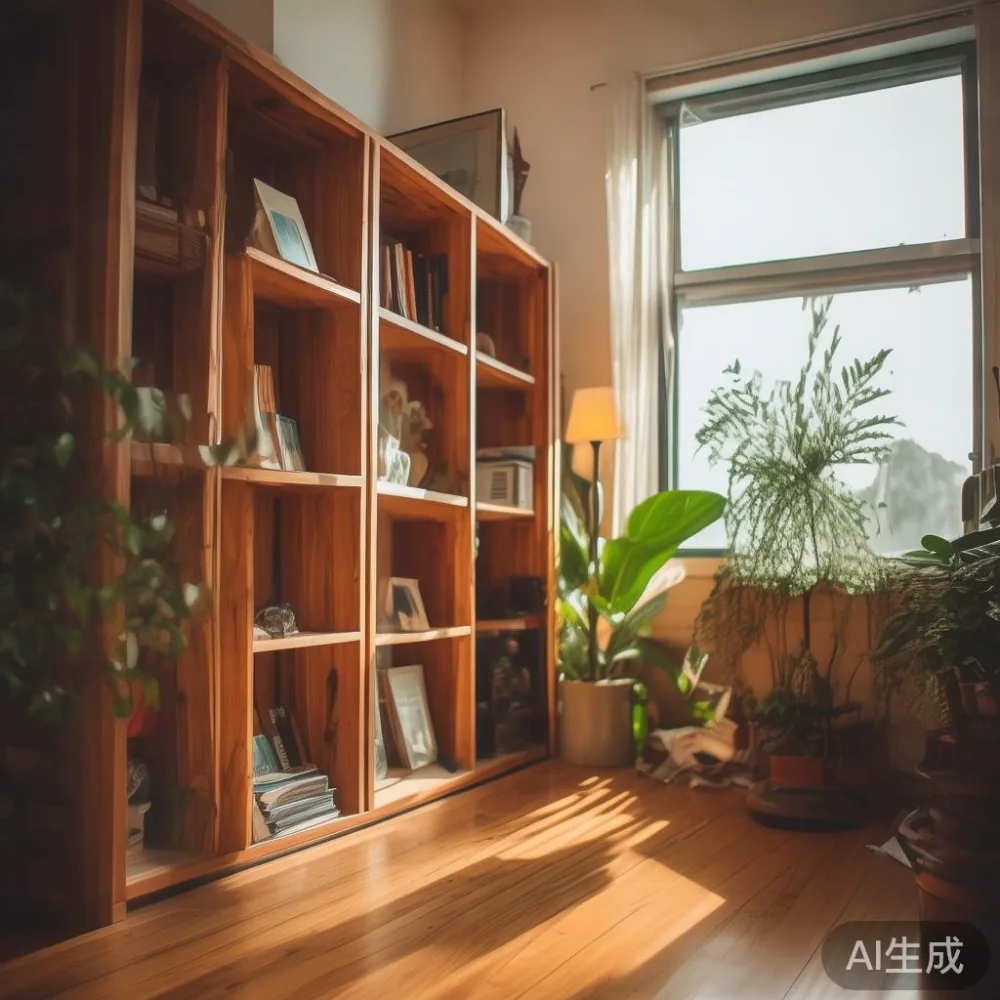
For narrow living rooms, a bookshelf 80–100 cm wide is often easier to live with than a 150 cm unit. Its depth also matters: 18–22 cm suits most paperbacks, while 28–32 cm can carry larger books, magazines and small objects. A 200 cm-tall shelf may look substantial against a 230–240 cm ceiling. A 180 cm version often feels calmer and leaves room for a plant or framed print above.
Check the route before ordering. A boxed bookshelf must fit through the HDB flat entrance, common corridor and lift. The lift door may be only 70–90 cm wide, while an internal lift or landing turn can be tighter. Record the narrowest point, add at least 5 cm of handling tolerance and compare that figure with the packed dimensions. For an upstairs unit without a suitable lift, confirm the staircase width, landing depth and ceiling clearance first.
Do not rely on the assembled width alone. A 90 cm-wide shelf may enter through an 85 cm opening if it is flat-packed, but an assembled shelf cannot be turned through it. Ask for the carton dimensions and weight; a compact unit should ideally be manageable by 2 people at 25–35 kg. If delivery to your Singapore address is included, allow 10–18 working days for production and dispatch, subject to the final quotation.
Which bookshelf shape works in an HDB or condo living room?
Low and wide shelves often suit HDB living rooms because they preserve the upper wall and reduce the sense of a tunnel. An open design measuring 120–160 cm wide, 28–32 cm deep and 70–90 cm high can work beneath a wall-mounted television, provided the television bracket and cable access are planned first. Keep at least 8–10 cm between the top of the bookshelf and the bottom of the television for ventilation and maintenance.
Tall bookshelves work better when they visually match a narrow architectural bay. In a Tampines flat with a 95 cm recess, a bookshelf around 80–90 cm wide can frame the recess rather than filling it edge to edge. Leave 5–8 cm on either side for shadow lines, or align one side exactly with the adjacent wall for a more deliberate look. In a Bedok condo, a full-height shelf can use the vertical proportion more efficiently, but it should not block a window or stand directly in front of a frequently opened door.
Ladder-style shelving suits a smaller footprint, yet the lower rung should not project into a main circulation route. Keep its projection below 25 cm where people pass within 60 cm. A corner bookshelf can recover 40–60 cm of floor area, although its shelf lengths become shorter and the installation needs a true right-angle corner. A wheeled version is useful for a rental, but stable castors, a 3 cm toe restraint and a total loaded weight under 40 kg are sensible limits.
Open shelving feels lighter than a closed bookcase, particularly when it is painted in a warm off-white or a pale oak tone. Solid wood shelves have more visual weight than engineered panels, so balance them with restrained styling. One display object every 25–30 cm is enough. A row of books can look orderly without becoming a wall of spines.
How do I stop a bookshelf from making the room look crowded?
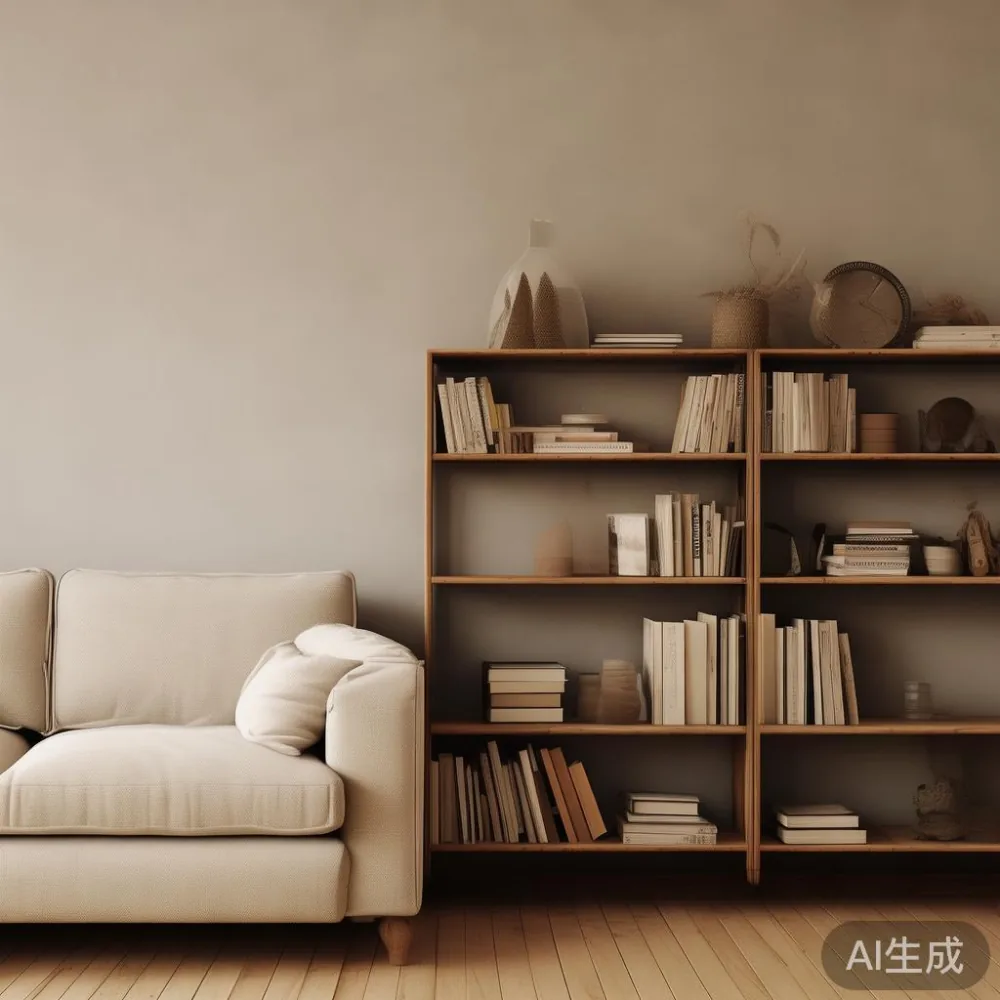
Use the 70% visible-storage rule. Leave about 30% of each shelf open and group the remaining books into 3–7 compartments rather than filling every gap. This gives the eye somewhere to rest and creates the impression of depth. Alternating horizontal and vertical books adds texture while using less shelf height than a tightly packed row.
Keep the lower shelves practical and the upper shelves visual. Place heavier books near the bottom, where they are easier to reach and less likely to tip a shelf if the unit is moved. A shelf rated for 20 kg per level should have loads kept below 15 kg. Limit the top shelf to 8–10 kg, especially in homes where vibration from passing trains or nearby roads is noticeable.
Reduce visual noise with a palette of 2–3 colours. Warm white, sand, muted green and natural timber work well in Singapore interiors. Repeat the main accent colour elsewhere in the room, but do not fill the shelf with matching ornaments. One framed print of 20 × 30 cm, one ceramic vessel of 12–18 cm diameter and 1–2 trailing plants can carry the styling. Keep foliage away from the wall by at least 5 cm if the plant is placed near an air-conditioner vent.
Anchor the bookshelf to the wall. Use two anti-tip straps near the top, even for a low unit, and follow the hardware instructions. In a compact living area, the open floor around the shelf should remain at least 60 cm wide. This simple measurement makes the room feel calmer because the furniture has a defined breathing zone.
Is a solid wood bookshelf suitable for a humid Singapore home?
Solid wood can suit Singapore conditions when the timber and finish are appropriate, but no timber should be treated as moisture-proof. A bedroom away from the external wall is usually less exposed than a living room facing west. Leave 3–5 cm between the rear of the bookshelf and the wall for airflow, and avoid direct placement beneath an open window where rain and condensation are likely.
MIDHILL uses solid wood construction rather than treating a narrow unit as disposable flat-pack furniture. The material should be selected for its grain, movement and intended room, while the finish needs to tolerate humid air. Ask the supplier which finish has been applied and how often refinishing is required. A clear protective coat can be maintained rather than automatically replaced every year.
For books, use closed storage for rare editions and valuable paper. A 30 cm-deep section can take hardbacks of 22–28 cm, while standard novels may need only 18–20 cm. Add bookends weighing 0.3–0.8 kg and leave 2–4 cm between the outermost book and each side panel. These gaps reduce pressure and make the books easier to remove.
The same discipline helps when planning adjacent furniture. A solid wood sofa with a seat depth of 55–60 cm and a nearby solid wood dining table may need more total room than expected. If you later need a bed frame, wardrobe or nightstand, measure the new footprint before moving the bookshelf. This avoids solving one storage problem by creating a new circulation problem.
Can a bookshelf work in a guest room or bedroom?
Yes, but the function changes. A bedroom bookshelf can replace a bulky side table if it includes a 30–40 cm landing area for a phone, water glass and 2–3 books. Keep the landing surface at 60–70 cm high so it aligns with the top of a nightstand. The bookshelf should sit 10–15 cm beyond the bed frame to preserve a usable walkway and provide room for cleaning.
For an occasional guest room, visual calm is more important than maximum capacity. A narrow bookshelf 60–80 cm wide can hold 35–60 paperbacks across 4–6 shelves without overwhelming the room. If the guest needs temporary clothes storage, a slim hanging rail may be more useful than adding a wardrobe to the room. For larger wardrobe decisions, how to choose European wardrobe becomes a separate sizing exercise involving door swings, hinges and corridor access.
The phrase Coastal for guest room is useful here as a design direction rather than a requirement to paint everything blue. Light linen, sand, pale timber and a small woven basket can create a relaxed atmosphere with 2–4 muted colours. If that leads you towards Italian light luxury for guest room styling, introduce one marble table or a stone tray rather than several high-contrast accessories. A marble table needs stable support and should not be treated as an extra shelf.
For an overnight guest, a compact solid wood bed frame may need 90 cm of width and 190–200 cm of length. If the bookshelf sits beside it, leave at least 40 cm between the bed edge and the shelf front. This is enough for a person to pass and for bedding to be changed without dragging furniture across the floor.
What should I put on the shelves without creating clutter?
Begin with the books. Arrange them by height, colour or use rather than mixing all three methods. For a restrained French light luxury look, balance cream book covers, pale timber and one or two darker objects. For American light luxury, use warm neutral upholstery or framed artwork nearby to soften the shelves. Post-modern light luxury can be suggested through a single geometric object, but its pattern should occupy no more than 10% of the visible shelf area.
Create 3–4 intentional groupings. A stack of 3 large books can occupy 12–18 cm of height. A vase of 15–25 cm adds a vertical line. A framed photograph should lean only 5–8 cm backward if it has a proper support. Leave one shelf section with only a small object, such as a 10 cm-high sculpture, to preserve visual space.
Storage boxes should match the shelf depth and have labels that are visible without opening them. Choose lids for papers and dust-sensitive items. Baskets are useful for soft furnishings, but use handles and do not stack them beyond 25 cm high. If children use the room, keep small or breakable pieces above 90 cm and avoid trailing plants near the edge.
For lighting, a slim shelf lamp may need 8–12 cm of clearance and an accessible outlet. Avoid drilling directly above a book row because vibration can mark the pages. Battery lighting is simpler in a rental, provided the lamp weighs under 0.5 kg and is stable on the shelf.
How much should a Singapore bookshelf cost?
For a compact home, expect a practical solid wood bookshelf in the region of SGD 480–SGD 1,100 for a simple 80–120 cm wide, 180–200 cm tall model. More complex joinery, wider proportions, glass doors, integrated lighting or a special finish can raise the price to SGD 1,200–SGD 2,000. Prices may change with timber selection, dimensions and shipping, so request a written quotation with the finish, carton size, weight, delivery period and GST clearly stated.
Delivery commonly takes 10–18 working days for standard configurations, while made-to-measure pieces may require 25–35 working days. International production and freight can make the schedule longer. Confirm whether the price includes delivery to your building and whether lift or corridor delivery is available. Some furniture couriers may deliver only to the lobby for final handling.
MIDHILL provides free shipping on orders above US$350, although the Singapore delivery charge should still be shown in your quotation. MIDHILL also offers a 14-day return window and lifetime refinishing, which can be relevant when a timber piece must live with changing humidity and a changing home. Keep the original finish specification and care instructions so future refinishing can match the surface as closely as possible.
Before purchasing, compare the total cost with the usable shelf area, not just the width. A shelf rated for 15 kg per level is more useful than a heavier but unstable design. Look for clear load limits, recessed fittings, wall-anchor hardware and replaceable hardware. A clean 90 cm-wide bookshelf with 5 shelves may be a more convincing long-term fit for a 35 m² HDB flat than a larger unit that blocks the air-conditioner.
How do I plan the layout before the bookshelf arrives?
Draw the room to scale. Use a paper scale of 1 cm for every 50 cm and include the sofa, dining table, television and door swings. In many HDB layouts, the useful bookshelf zone is not the broad wall but the 90–120 cm section between a window and a doorway. In condos, structural columns may create a useful 25–35 cm recess that a freestanding unit can fit neatly into.
Mark a 60 cm circulation corridor from the flat entrance to the main rooms. Mark another 75–90 cm between the bookshelf and fixed seating. If either measurement cannot be maintained, move the shelf or change its orientation before ordering. A unit facing into the room should not reduce the doorway clearance below the resident’s normal movement space.
Style the shelves after the furniture is in place, not before. Spend 20 minutes viewing the arrangement from the doorway, then from the sofa. If the shelf looks heavy, remove 10–15 books or reduce the number of display objects. If the room feels empty, add a plant at floor level beside the unit rather than filling every shelf. A plant of 40–60 cm diameter can soften the lower corner while preserving useful storage.
Finally, consider how the bookshelf affects future purchases. If you later want a solid wood sofa, bed frame, dining table, wardrobe, nightstand or marble table, check the complete footprint and circulation again. Search results such as best European light luxury bed for 2026 or is American sofa worth it are less useful than checking whether the new piece fits the room you already have.
The best approach is to treat the bookshelf as part of the room’s architecture, not as a container to fill. Choose dimensions that respect the lift, corridor, doors and walking routes. Keep the styling sparse, the colours quiet and the wall anchoring secure. In a small apartment, those few centimetres and careful gaps can make the difference between usable storage and visual congestion.