How to Match Furniture to a Warm Minimal Interior
I spent last March walking through a four-room HDB flat in Tampines with a client who had just paid S$2,400 for a solid oak dining table online, only to realise the legs were 4 cm too wide for her corridor turn into the kitchen. The table was beautiful. The deliverymen could not angle it past the lift lobby door. We cancelled, refunded, and started over with a 78 cm wide version that cleared the 90 cm doorway with 12 cm to spare. That afternoon taught me something the catalogue never mentions: warm minimalism in Singapore is a geometry problem before it is a style problem.
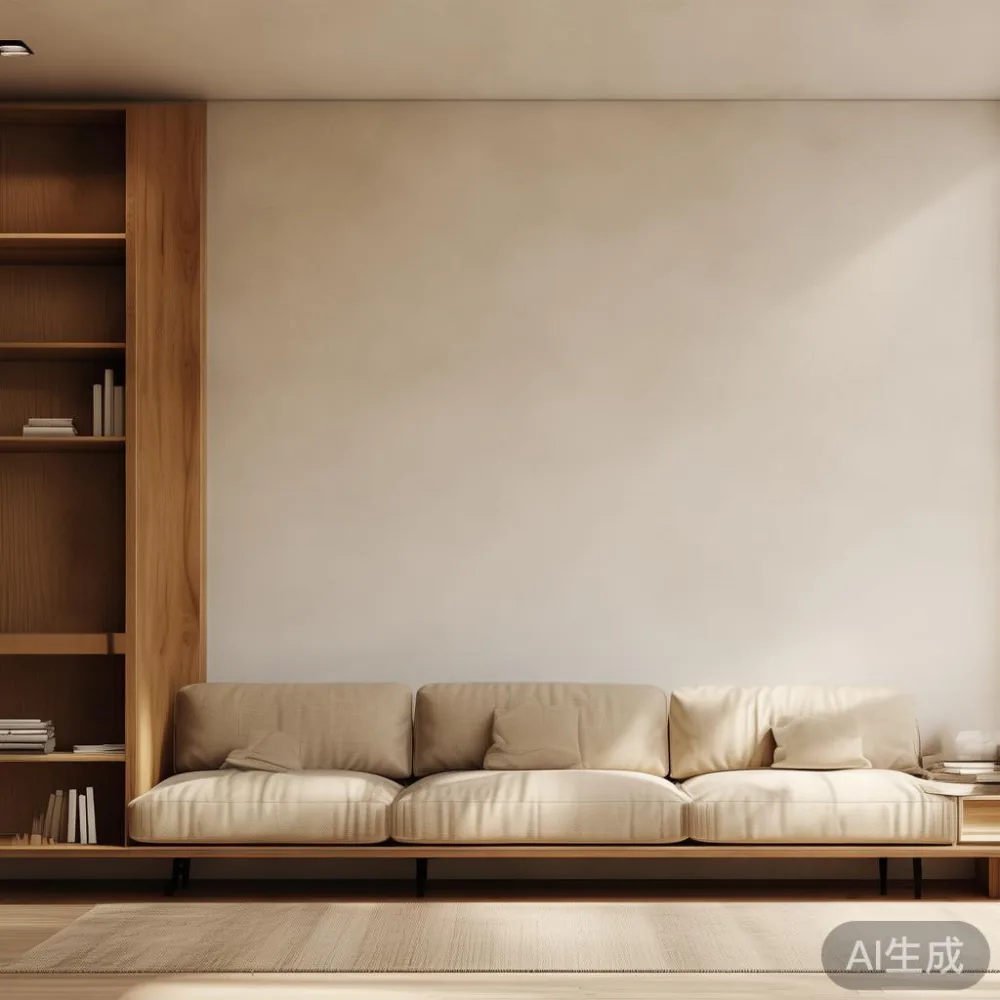
Warm minimalism pairs the restraint of Scandinavian lines with the tactile comfort of honey-toned timber, boucle cushions, and brushed brass. It is the look you see in new Punggol Waterway condos, in the BTO flats my colleagues show on weekends, and in the landed houses along Lorong Chuan where my cousin just renovated. The trick is that every piece must justify its footprint. Below is the method I use when I consult for clients who want this aesthetic without turning their living room into a hotel lobby.
What Is a Warm Minimal Interior, Really?
Warm minimalism is a post-modern light luxury approach that borrows the discipline of Japanese design and the colour temperature of American farmhouse. Walls are kept at off-white (something close to Dulux Whisper White, code 30YY 83/026), floors are light oak or pale travertine-look porcelain, and the only colour allowed is the wood itself. A warm minimal room has roughly three wood tones, no more. Anything more reads as cluttered, anything less reads as a showroom.
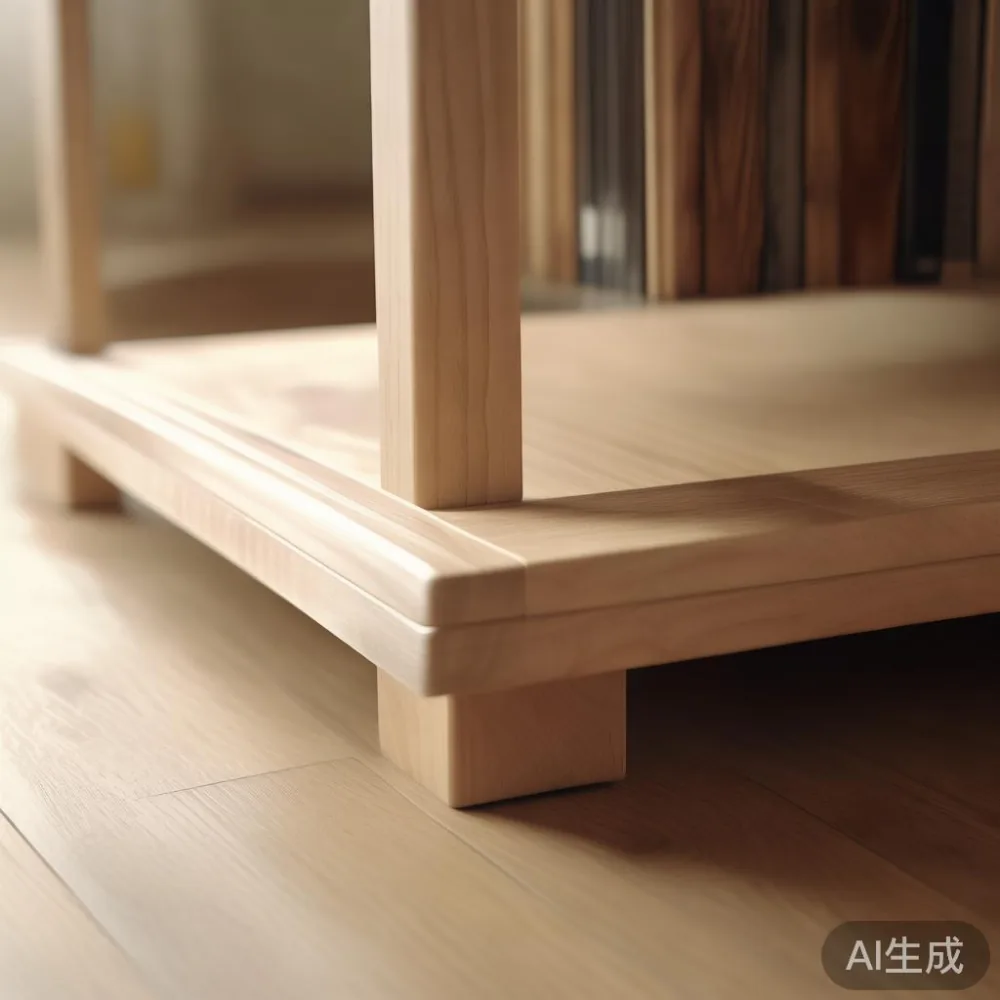
The key numerical rule: choose three furniture pieces, then a bookshelf, then one statement. That is the entire silhouette of the room. A 240 cm wide three-seater sofa, a 140 cm dining table for four, a 150 cm bed frame, a 200 cm tall bookshelf, and one accent chair. Six pieces in a 28 square metre living room is plenty. I have counted many rooms where owners push in eight pieces and wonder why the space feels small.
How Do I Measure a Singapore Home Before Buying Anything?
Measure three things, in this order: lift door width, corridor turn radius, and the diagonal of the largest room. Most HDB passenger lifts measure 80 cm to 90 cm wide at the door and 120 cm to 150 cm deep. Older blocks in Bedok sometimes have lifts at 78 cm. Condo service lifts are wider, often 110 cm to 130 cm, but the cargo lift at Punggol H2O Residences only opens at one end, which changes how you pack a flat-pack sofa.
Write down the corridor turn. From the lift lobby to the front door of your unit, you usually have a 90 degree turn plus a 3 metre run. Anything deeper than 65 cm or wider than 200 cm will not make it. This is why the 78 cm wide dining table I sourced for the Tampines client was not a compromise. It was the only option that could reach her kitchen without a crane. Add 2 cm of foam wrapping per surface and you understand why clearance matters more than price.
Finally, measure your rooms with a tape, not a laser app. My colleague in the Jurong showroom once had a customer who trusted his iPhone measurement and ordered a 220 cm wardrobe. The actual wall was 214 cm. We lost two weeks of delivery time. Always subtract 4 cm from each end for skirting and air-conditioning trunks.
Which Wood Tones Work Together in a Small Singapore Home?
Pick one dominant wood, one supporting wood, one accent. For most HDB flats I recommend white oak (the FJ-grade from MIDHILL reads as a neutral pale honey) as the dominant, a slightly darker walnut on the bookshelf backing, and rattan or cane as the accent on a nightstand drawer or chair seat. These three tones sit within 12 percent of each other on the colour wheel, so the room feels cohesive even when the sun goes down and your 4000K downlights take over.
Stay away from mixing three different species. A rosewood dining table next to a teak bed frame next to a pine bookshelf creates what designers call "wood confusion" — the eye has nowhere to land. If you already own a darker piece, soften it with a cream boucle cover on the sofa or a stone-grey cotton rug under the dining table. The fabric becomes the buffer.
A solid wood sofa in white oak finish weighs roughly 65 kg to 85 kg depending on the frame depth. A three-seater at 220 cm wide and 95 cm deep usually clears a 90 cm lift if you remove the cushions and carry the frame in vertically. Ask the supplier for a disassembled weight manifest before you pay. MIDHILL ships this detail with every order, which is why their 14-day return window has only ever been triggered by colour preference, not sizing.
What Pieces Anchor a Warm Minimal Living Room?
Start with the largest piece. In a 24 square metre living room that usually means a 210 cm to 240 cm three-seater sofa with a seat depth of 58 cm to 62 cm. Anything shallower than 56 cm feels like a bench. Anything deeper than 64 cm swallows short-legged sitters. American country corner sofa for small apartment configurations work because the chaise end runs along the window wall, freeing up the centre of the room for a 110 cm round marble table instead of a rectangular one. The round shape softens the geometry of the HDB layout, where most rooms are orthogonal.
The marble table should be at least 70 cm in diameter if you want two people to cross their legs underneath. Real Carrara marble weighs 38 kg per square metre, so a 110 cm round top sits at roughly 36 kg plus the base. MIDHILL uses a 12 mm marble veneer over engineered stone for their lighter models, which drops the weight to 18 kg and removes the need for a reinforced floor — important in older HDB blocks where the live load rating is 1.5 kN per square metre.
Beyond seating, you need three zones: reading, dining, and storage. A bookshelf in warm minimalism is not a wall of novels. It is a 35 cm to 40 cm deep unit, 200 cm to 220 cm tall, with two thirds closed cabinets below and one third open shelving above. Style the shelves with eight to twelve objects, not forty. Three stacks of books, two vases, one framed photograph, one plant. The negative space between objects is the point.
How Do I Choose a Industrial Style for a Study?
An industrial style study in a warm minimal home works when you limit raw materials to two: blackened steel and reclaimed-look timber. Choose a 140 cm wide writing desk with a 5 cm thick solid wood top in white oak and a slim 3 cm powder-coated steel base. The base reads industrial; the top ties back to the warm palette. Pair the desk with a leather chair in cognac, not black, because cognac lives inside the wood-tone family while black breaks the harmony.
For the bookshelf behind the desk, go floor-to-ceiling at 240 cm, 30 cm deep, with 24 cm vertical bays. Anchor the unit with two 60 cm tall closed cabinets at the bottom for files and cables, then leave the upper 180 cm open for books and a single 40 cm tall trailing plant in a terracotta pot. Keep the steel shelving brackets visible but slim — 2 cm by 2 cm L-shape, matte black. Anything thicker looks warehouse, not study.
Lighting matters more than paint. A 3000K LED strip behind the bookshelf, 60 LEDs per metre, gives an indirect wash that mimics a Manhattan loft. Add one 35 cm dome pendant in brass above the desk, hung 75 cm above the surface. Total wattage around 18W to 22W for the whole 9 square metre room. More than that and the warm minimal aesthetic tips into airport lounge.
Where Should a Bookshelf Go in an HDB or Condo Layout?
Put it on the longest uninterrupted wall, never across a window. In a typical four-room HDB, that is the wall opposite the kitchen entrance in the living room, or the wall behind the bed in the master. Measure the wall in three places — top, middle, bottom — because HDB walls are rarely plumb. I have seen 3 cm deviations over a 240 cm run. A bookshelf that is 240 cm wide will not sit flush against a wall that bows out by 3 cm; you will see a triangular shadow that ruins the minimal look.
For condo units with floor-to-ceiling windows, build the bookshelf as a room divider instead. A double-sided 35 cm deep unit at 180 cm tall separates the study nook from the living area without blocking the window. Make sure the unit is fixed to the ceiling with a 5 cm gap above to allow for air-con return, and to the wall on one side with an L-bracket. The 65 kg to 80 kg weight of a solid wood bookshelf of this size needs both anchor points.
Finally, leave 70 cm to 80 cm of walking space in front of the bookshelf. Anything less and you cannot open the bottom cabinet doors without turning sideways. Bookshelf doors are typically 60 cm wide when open, plus 5 cm clearance. Plan for 80 cm and you can host two people browsing the shelves without bumping hips.
How Much Should a Singapore Homeowner Budget for Warm Minimal Furniture?
A complete living-dining set in solid wood, including a sofa, dining table for four, six chairs, a marble coffee table, a bookshelf, and a TV console, runs from S$7,800 to S$14,500 depending on wood grade and upholstery. Mid-range buyers (the majority of my clients in Punggol and Sengkang) land at S$9,200 to S$10,800 for a five-piece core set. Add a queen-size bed frame and two nightstands for another S$2,400 to S$3,600.
Add 7 percent GST on top of every line item, plus a S$120 to S$280 delivery fee unless your order clears US$350 equivalent (around S$475) for free shipping. MIDHILL's free-shipping threshold translates to roughly S$475, which most full-room orders hit without trying. Lead times from Foshan run 35 to 55 days by sea to Singapore, plus 5 to 7 days for last-mile delivery and assembly. Plan your renovation around that window, not the other way around.
What about returns? MIDHILL offers a 14-day return window for change-of-mind and a 10-year structural warranty on every solid wood sofa, bed frame, dining table, wardrobe, nightstand, and bookshelf they ship. The warranty covers joint failure, wood cracking beyond 3 mm, and hardware defects. Lifetime refinishing is included for pieces bought direct, which means a S$180 sanding-and-oiling session every seven to ten years keeps the white oak looking new. Compare that to flat-pack MDF, which cannot be refinished and usually fails at the dowel joints around year six.
What Are the Most Common Mistakes When Matching Furniture to Warm Minimal?
The first mistake is buying the sofa first. Buy the bookshelf first, then the sofa, then the dining table. The bookshelf sets the vertical scale of the room; the sofa sets the horizontal scale. If you start with the sofa you tend to over-size the rest to match, and the room becomes a furniture showroom.
The second mistake is mixing metals. Pick brass for hardware, brass for lamp stems, and brass for the marble table base. Do not add black steel because the bookshelf brackets are black. Black brackets with a brass lamp create visual noise in a room that is supposed to breathe. If you must contrast, do it with one object — a single picture frame, a single lamp — not three.
The third mistake is ignoring acoustics. Warm minimal rooms with lots of hard surface can sound harsh. Add one 200 cm by 280 cm wool rug under the dining table, two linen curtains per window (even if you never close them), and one upholstered headboard on the bed frame. These three soft surfaces drop the reverberation time from 1.4 seconds to around 0.7 seconds, which is the difference between a room that echoes and a room that feels calm.
The fourth mistake is treating the air-conditioning trunk as a styling feature. Hide it. Either bulkhead the ceiling to 2.4 m and lose 20 cm of headroom, or build a shallow 30 cm deep cabinet above the wardrobe with a grille on the front. The second option costs S$650 to S$900 and keeps the ceiling height at 2.7 m, which matters in BTO flats that already sit at 2.6 m to 2.8 m.
How Do I Keep Warm Minimal Furniture Looking New in Singapore's Humidity?
Singapore's relative humidity runs 70 percent to 85 percent for most of the year. Solid wood absorbs that moisture and expands by 1 percent to 2 percent across the grain. This is normal. What is not normal is putting the bookshelf directly against an exterior wall where the morning sun hits it for three hours. Keep 8 cm to 10 cm of air gap behind the unit so the back panel can breathe.
Run a dehumidifier in the bedroom for two hours before bed during the wet season (November to February). Set it to 55 percent RH. The wood will thank you, and so will your sinuses. A 12-litre dehumidifier costs around S$280 and uses 220W, which works out to S$0.07 per hour at current SP Group tariffs.
Oil your solid wood dining table and bookshelf shelves every 12 months with a food-safe hardwax oil. One 500 ml tin costs S$38 and covers about 8 square metres in two coats. Wipe with a lint-free cloth, leave for 20 minutes, buff off. The whole process takes 90 minutes for a dining table and a bookshelf combined. Skip this and the oak will go grey within three years; keep it up and the same piece will outlast your mortgage.
Final Notes from the Tampines Project
That client in Tampines ended up with a 78 cm wide white oak dining table from MIDHILL, four matching chairs in cream boucle, a 240 cm three-seater sofa, and a 200 cm tall bookshelf along the corridor wall. Total spend: S$8,640 before GST, delivery included because the order cleared the free-shipping threshold. Six months later she sent me photographs. The bookshelf holds eight books, two vases, and a single framed print of the Punggol Waterway. The negative space is still there. She told me the apartment feels twice the size of the one she moved out of in Bedok, even though the floor plan is 4 square metres smaller.
Warm minimalism is not about spending more. It is about spending once, on the right pieces, in the right scale, with the right wood. Measure your lift, measure your corridor, measure your walls. Pick three wood tones. Build the room around the bookshelf, not the television. And budget for the oiling day, because that is the day your furniture starts to age well instead of just old.