How to Care for a Lacquered Bookshelf in Singapore’s Tropical Climate
A lacquered bookshelf looks crisp in a new HDB flat, but Singapore’s humidity, heat, dust, and everyday handling create a different care challenge from those found in drier cities. Between about 28°C and 33°C through the year, with relative humidity frequently above 70%, a finish can develop faint haze, stickiness, or uneven sheen if moisture sits on it too long. The wood underneath matters too, especially when a bookshelf is made from solid oak or another solid wood species rather than sheet material.

Good care is measured and simple. Wipe spills promptly, keep standing air moving, avoid repeated harsh chemicals, and inspect the finish every 3 to 6 months. A bookshelf with lacquer over solid wood can remain attractive for many years when the surface is treated as a usable finish rather than a decorative skin. This guide explains what changes in a tropical climate, how to clean a lacquered bookshelf, and when a lacquered finish is easier to maintain than alternatives. It also considers the practical constraints of Singapore homes, including Tampines, Bedok, and Punggol flats, narrow corridors, compact lifts, GST, and delivery timing.
What Does Tropical Heat and Humidity Do to Lacquer?
Lacquer is a cured surface coating applied in thin layers. When it is soundly prepared and correctly cured, it can resist normal use and cleaning. Heat and humidity do not automatically ruin it, but they make technique more important. Water that remains on the surface may leave a temporary bloom or dull track, while a damp cloth held against the finish for several minutes can lift an edge or create a sticky-feeling film.
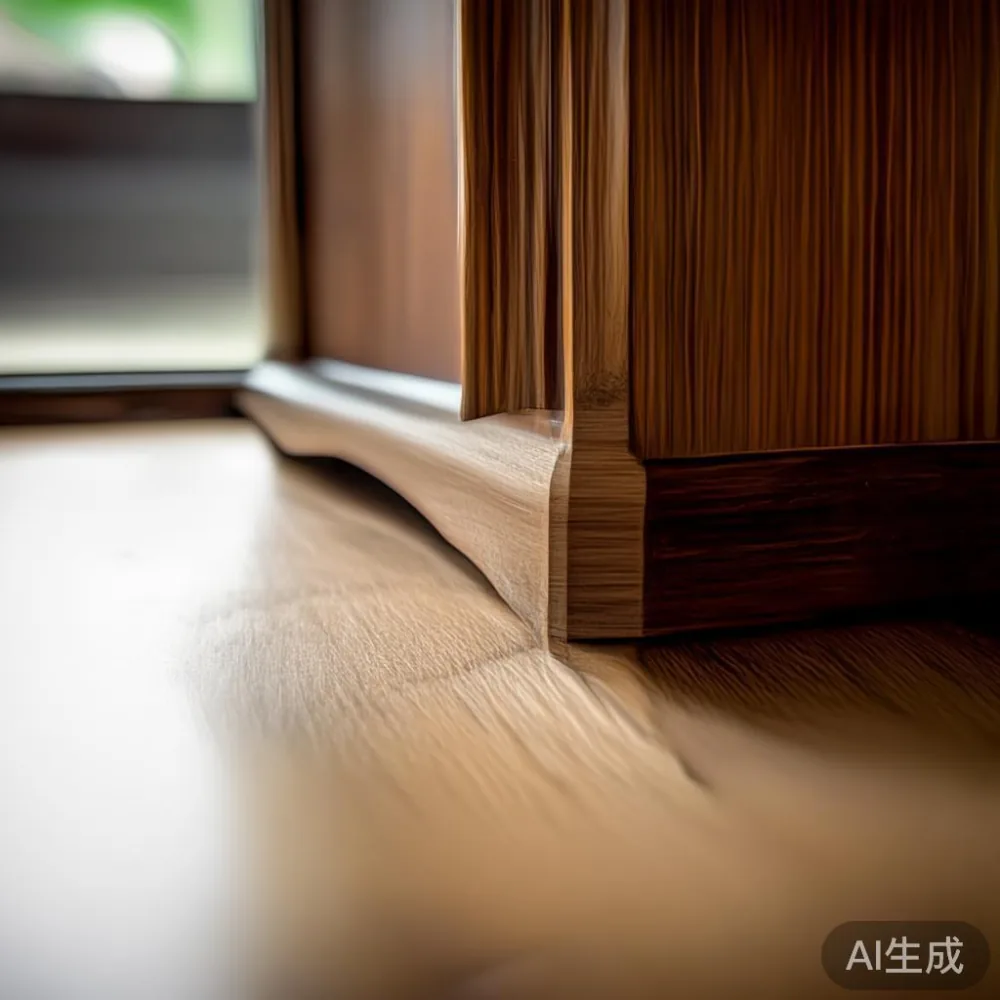
Temperature changes also affect the wood beneath the coating. Solid wood expands across its grain and contracts with the grain as moisture changes. The movement is small in a controlled interior but more noticeable in a balcony, near an open window, or beside an air-conditioning vent that sends cold air directly across the shelves. A bookshelf measuring 180 cm wide and 30 cm deep may show several millimetres of seasonal movement if the factory tolerances are poor or the unit is installed against a wall without suitable clearance.
Singapore’s coastal air carries salt and airborne particles. Fine grit can act like a sanding paper when rubbed across a coated surface. This is why wiping with a dry cloth in tight circles is a poor habit. Use straight, gentle strokes, and keep dust off the top edge where it can settle and be ground into the finish by subsequent cleaning.

Watch for 4 signals: a change from smooth to tacky, a patchy appearance after wiping, lifting at a corner, or a fine crackle pattern. A faint mark that disappears after 10 minutes in moving indoor air may be a moisture or solvent-residue effect. A mark that remains after 24 hours should be assessed more carefully, because repeated cleaning can remove more coating than the original stain required.
How Do I Clean a Lacquered Bookshelf Without Damaging the Finish?
Use a soft, lint-free microfibre cloth, mild dishwashing liquid, and lukewarm water. Mix about 1 teaspoon of detergent into a bowl holding roughly 500 ml of water. Dampen the cloth rather than the bookshelf; the cloth should feel cool and nearly dry, not wet. Test it on the underside of a shelf for 5 minutes, then inspect the area under normal room lighting before treating the visible surface.
Wipe with the grain of the wood, using about 5 to 8 cm strokes. Avoid circular scrubbing, abrasive pads, alcohol, household bleach, vinegar, ammonia, and oil-based furniture polish unless the lacquer supplier specifically approves them. A 70% alcohol wipe may be tempting for sticky marks, but repeated use can make some coatings look pale or dull. Use it only after a small patch test, and do not assume that a product safe for glass is safe for lacquer.
After cleaning, remove moisture with a second clean cloth and allow the shelf to air-dry for 30 to 60 minutes. Keep books, plants, and ornaments away while the surface is damp. If a bookshelf is near a kitchen, wipe grease from the front edge promptly. A grease-free finish can still stain if oil is left for days, and cooking aerosol can settle into the grain texture of a lacquered surface.
For routine dusting, a dry microfibre cloth used every 7 days is usually enough in a conditioned flat. Increase this to every 3 or 4 days near an open balcony or where construction dust is entering. Vacuum the surrounding floor rather than blowing dust across the shelf; a soft brush attachment kept about 3 cm from the furniture reduces the amount of grit that reaches the coating.
Should I Choose Glossy, Matte, or Satin Lacquer for Singapore Homes?
For a frequently handled bookshelf, satin or low-sheen lacquer often gives the user more margin for error than high-gloss lacquer. Gloss shows fingerprints, dust, and cleaning marks more clearly. Matte tends to hide small defects, but some matte coatings feel dry to the touch and can be more sensitive to oily fingerprints. The preferred choice depends on how the shelf is used, the household’s cleaning habits, and the finish specified by the manufacturer.
Colour also changes how visible small marks become. A warm oak finish may disguise a faint dust mark; a deep navy or charcoal finish may reveal grey fingerprints against the dark surface. Test the care products on a concealed area and view the result in daylight as well as under a warm bedroom lamp. A small HDB study area with indirect light can make a defect look different from the same shelf in a bright Bedok condo living room.
Lacquer is not the only finish worth comparing. Oiled or waxed solid wood can develop a pleasing patina, but it often needs reapplication every 6 to 12 months depending on use and humidity. A high-quality film finish may be easier to wipe clean but should not be treated as maintenance-free. Ask for the exact coating description, care instructions, repair method, and expected sheen before accepting delivery.
Many buyers compare a complete bedroom set, including a solid wood sofa, bed frame, dining table, wardrobe, nightstand, and bookshelf. If the pieces use different finishes, keep separate cloths for each coating. A cloth used on an oiled nightstand can leave a residue that interferes with the bookshelf’s lacquer.
Is a mid-century modern worth the price in Singapore?
Is a mid-century modern worth the price in Singapore? Yes, when its construction, proportion, finish durability, and service terms suit the room and the owner’s routine; a fashionable profile alone does not justify the cost.
A mid-century modern bookshelf can suit a HDB study room if its width leaves a usable circulation route. For example, a 120 cm unit placed against a 180 cm wall can leave 30 cm on one side, but access to the wall behind it may still be restricted. In a compact Tampines flat, a 90 cm bookshelf may be more practical for daily reach than a 150 cm statement piece. In a Punggol condo with a wider corridor, the larger option can work, provided the lift and turning clearances are measured before ordering.
Price should be tied to inspectable details: solid wood thickness, drawer or door hardware, joinery, finish layers, and warranty coverage. A solid oak construction with a stable lacquered surface may justify more than a thin decorative panel if it will hold books for 15 years. A lower-priced design can still be sensible when the shelf is light, stable, and intended for lighter objects.
Singapore buyers should also account for GST and the total delivered cost. Before adding GST, ask whether the quoted price includes delivery, assembly, and lift-to-door carriage. A bookshelf may arrive in 2 packages, and a service lift may impose a dimensional limit that affects the delivery plan. Measure the lift door, corridor turns, and the stair or landing space before the furniture leaves the warehouse.
One practical comparison: a navy oak queen bed may cost SGD 1,450 before GST, while a lacquered bookshelf may cost SGD 680 before GST. The most expensive item is not automatically the better investment. For a bookshelf, stable construction and a finish you can maintain are more relevant than matching a bedroom set’s colour exactly.
What Care Does a Solid Wood Bookshelf Need Between Deep Cleans?
Deep cleaning is not a monthly requirement. Establish a simple schedule based on use rather than on a fixed calendar. A home office shelf may need a full wipe every 2 to 3 months; a living-room shelf with vinyl records or collectibles may need an inspection every month because objects are moved frequently. During periods of high humidity, inspect the back edge and underside every 3 months for swelling, mould, or a musty smell.
Check the installation conditions. Leave about 3 to 5 cm behind a freestanding bookshelf where the wall allows it, and keep the unit away from direct rain, dripping air-conditioning condensate, and bathroom spray. If the bookshelf is fixed to the wall, inspect the fixings every 6 months, particularly after heavy rain or a change in room humidity. Do not tighten a screw so aggressively that the solid wood compresses; excessive torque can split the end grain.
Weight is another care issue. Calculate the expected load before placing books on the upper shelves. A shelf span of 80 cm carrying 35 kg of uniformly distributed books will place a meaningful load on the supports. Use the maker’s load rating instead of guessing from the appearance of the board. Place heavier books on lower shelves, distribute them across the span, and keep heavy objects from being concentrated at the edge.
Protect the finish from heat. A table lamp that sits directly on a lacquered top should have enough clearance to prevent heat from accumulating; 20 to 30 cm is a reasonable starting point, subject to the lamp’s design. Avoid hot styling tools, steam, and wet towels. Plants are pleasant beside a bookshelf, but use a saucer and check for dampness rather than watering directly near the base.
Can Air Conditioning Make a Lacquered Bookshelf Easier or Riskier to Care For?
Air conditioning generally helps by lowering temperature and humidity, but the airflow can be the greater concern. Aim for a comfortable indoor range of roughly 23°C to 28°C and 45% to 65% relative humidity where practical. The exact setting matters less than stability: rapid swings from a cool, dry room to a warm, humid corridor can encourage wood movement and make a lacquer film work harder.
Keep the return grille and supply vent from blowing directly onto a bookshelf. A shelf positioned beside a wall-mounted vent may dry more quickly than one near a doorway, producing uneven finish response. If possible, relocate it or redirect the louvre. Do not place it against a cold condensate pipe or immediately beside a window that remains open during monsoon showers.
During a delivery, let the bookshelf acclimatise before tightening or loading it. If the difference between outdoor and indoor conditions is significant, wait 12 to 24 hours after unpacking where space allows. This is especially sensible for a solid wood piece travelling from a warehouse or through a Singapore corridor with limited ventilation.
Air circulation around the back and sides is helpful, but do not use a fan as a substitute for drying a wet surface. A fan set to low speed for 20 to 30 minutes can improve evaporation after a controlled cleaning. Keep the unit away from water, and never point a high-speed stream at dust that has not yet been removed from the shelf.
What Should You Ask Before Buying a Lacquered Bookshelf?
Ask for the substrate, finish name, care chemicals, expected sheen, load rating, and repair policy in writing. A seller should be able to explain whether the lacquer is sprayed, brushed, or factory-curled, how long it takes to reach a stable handling state, and what should be avoided during the first 30 days. “Solid wood” is a useful description, but species, thickness, and whether solid wood covers the visible shelf or only selected parts should also be clarified.
Warranty terms should distinguish structural problems from surface wear. A 10-year structural warranty may cover joint failure, major splitting, or structural movement, while a finish claim may have separate conditions. Confirm whether lacquer peeling, moisture damage, accidental chemical exposure, and normal colour change are treated differently. Photograph the shelf on delivery and record the date, especially if the surface already has minor variations.
At MIDHILL, a bookshelf is assessed as a piece for real use rather than as a showroom object. The same practical thinking applies to a dining table, wardrobe, nightstand, or marble table: identify the material, understand its care needs, and plan delivery before the order is placed. This is also how to judge French light luxury, American light luxury, or post-modern light luxury design. The visual language can be refined, but it should not require an owner to avoid normal wiping.
Ask whether refinishing is available and how long it may take. A lifetime refinishing promise can be valuable for a solid wood bookshelf, although the exact scope and access conditions should be confirmed. If the shelf is built into a niche, the maker may need photographs and measurements before quoting restoration.
How Do I Handle a Small Mark or Sticky Patch?
Start with the least aggressive action. Place a clean, dry microfibre cloth over the mark for 30 seconds, then move the cloth rather than rubbing. Follow with a cloth barely dampened with the diluted detergent solution, testing a 5 cm area first. Wipe once, wait 10 minutes, and inspect under daylight. Repeated passes can turn a harmless residue into a larger dull area.
If the mark remains, stop and identify it. Grease, water residue, dust, and lacquer damage require different responses. Do not use a blade, metal scraper, nail file, or coarse sponge. A small defect in a 30 cm deep shelf may be repairable, but aggressive DIY scraping can remove several layers and make a professional refinishing quote more expensive.
Keep the bookshelf lightly loaded while an issue is being assessed. Move books to another surface, especially if the area feels soft, swollen, or weak. If there is a strong chemical smell, visible mould, or moisture beneath the shelf, move the unit away from nearby walls only if it can be handled safely. Solid wood can be heavy; a 120 cm bookshelf may weigh 45 to 70 kg depending on its construction, so two people may be required.
For large scratches, lifting, or widespread stickiness, collect photographs with a ruler beside the affected area. Include close-ups in daylight and a wider view showing the shelf’s position in the room. This information helps the furniture maker distinguish a local coating problem from movement, contamination, or an installation issue.
How Does a Lacquered Bookshelf Fit into a Singapore Delivery?
Measure before you order. Note the bookshelf’s packaged width, depth, and height, then check the service lift door, lift interior, corridor width, and turns. A lift door of 90 cm may not accept a package that requires a 100 cm diagonal turn, even if the lift itself can hold it. Ask the supplier to provide the packed dimensions and the number of cartons, not only the assembled dimensions.
Free delivery thresholds can also affect the decision. If a seller offers free shipping above US$350, Singapore customers should still verify whether the local quoted delivery charge is separate, whether GST is included, and whether the threshold applies to the order value before or after taxes. Keep the total in SGD so comparison is straightforward.
Allow a realistic delivery window. A local stock item may arrive within 3 to 7 days, while a made-to-order lacquered bookshelf may take 6 to 10 weeks. Longer production times can allow the finish to cure before dispatch, but they also require a clear installation plan. In a compact corridor, assemble the shelf in the room if possible, then move it into position with a second person.
Protect the walls and floor during delivery. Use corner guards, cardboard sheets, and moving blankets, and remove fragile ornaments from the route. A marble table may need additional planning because its top is unforgiving of knocks; a bookshelf has different risks, especially to its edges and lacquered corners. Measure the final location and leave enough room to open any doors or access the wall.
What Is a Sensible Care Routine for the First Year?
For the first 30 days, treat the finish gently. Dust with a dry cloth, avoid placing damp objects on it, and check the packaged or installed surfaces before heavy use. At 60 days, inspect the top edge, front edge, underside, and any area near a wall or vent. At 90 days, establish a cleaning schedule that matches the household’s actual use rather than an aspirational one.
Every 6 months, check the shelf’s stability, fixings, load distribution, and finish response. At least once a year, review the room’s humidity and any new sources of heat, sunlight, moisture, or dust. If the bookshelf sits in a condo near a balcony or an HDB flat near a kitchen corridor, the six-month inspection may be worthwhile after every major renovation or heavy monsoon period.
Record what you use on the surface. If a particular cleaning product leaves a residue, write it down and discontinue use. Keep replacement cloths separate from kitchen cloths. A 10 cm by 10 cm test patch hidden beneath the lowest shelf can reveal whether a product changes the sheen, but avoid testing where the patch will remain visible or where books may rub against it.
The purpose of a routine is not to make the bookshelf look untouched by life. Books leave marks, doors receive fingerprints, and sunlight changes colour gradually. The aim is to prevent avoidable damage, maintain an even appearance, and know when a small issue deserves professional attention. That approach allows a solid wood bookshelf to remain useful in a Singapore home without demanding constant restoration or fear of every fingerprint.