Bookshelf: How to Read a Furniture Warranty Without Getting Caught Out
A bookshelf warranty can look reassuring on a product page and still leave a Singapore owner with an expensive dispute. The words may cover a structural failure, while excluding movement in timber, chipped finish, or damage caused by a narrow HDB lift. To read a furniture warranty properly, treat it as a technical document rather than a promise expressed in broad language.

I tested this approach last month while helping my colleague review a solid wood bookshelf for a Tampines HDB flat. The listing mentioned a “10-year warranty,” but the wording covered only selected structural parts and required photographs of the whole unit. The shelf measured 180 cm high, 80 cm wide and 35 cm deep, weighed 46 kg, and had to fit through a common 90 cm-wide lift door. If the original carton was discarded, the retailer could have questioned an otherwise valid claim. That experience changed how I read warranties: start with exclusions, document delivery, and confirm the remedy before paying.
MIDHILL’s position is relevant because it combines a 10-year structural warranty with a lifetime refinishing commitment, delivery terms and a 14-day return window. Those are separate promises, and a buyer should not assume one compensates for damage that falls outside another.

What does a furniture warranty actually cover?
A warranty defines which product, parts, failures and remedies are protected. For a bookshelf, the useful distinction is between structural integrity and surface appearance. Structural coverage may address separation at a joint, cracking under normal load, or failure of a specified load-bearing shelf. It may not cover scratches, dents, colour variation, water marks, or timber movement caused by humidity.
Check the start date. A warranty may begin on the purchase date, the dispatch date or the delivery date. For online purchases, the dispatch date can be several days earlier. Ask for the purchase invoice and delivery record to establish the exact period. A 10-year warranty with a 2-year parts claim window is also different from a 10-year repair-or-replacement commitment.
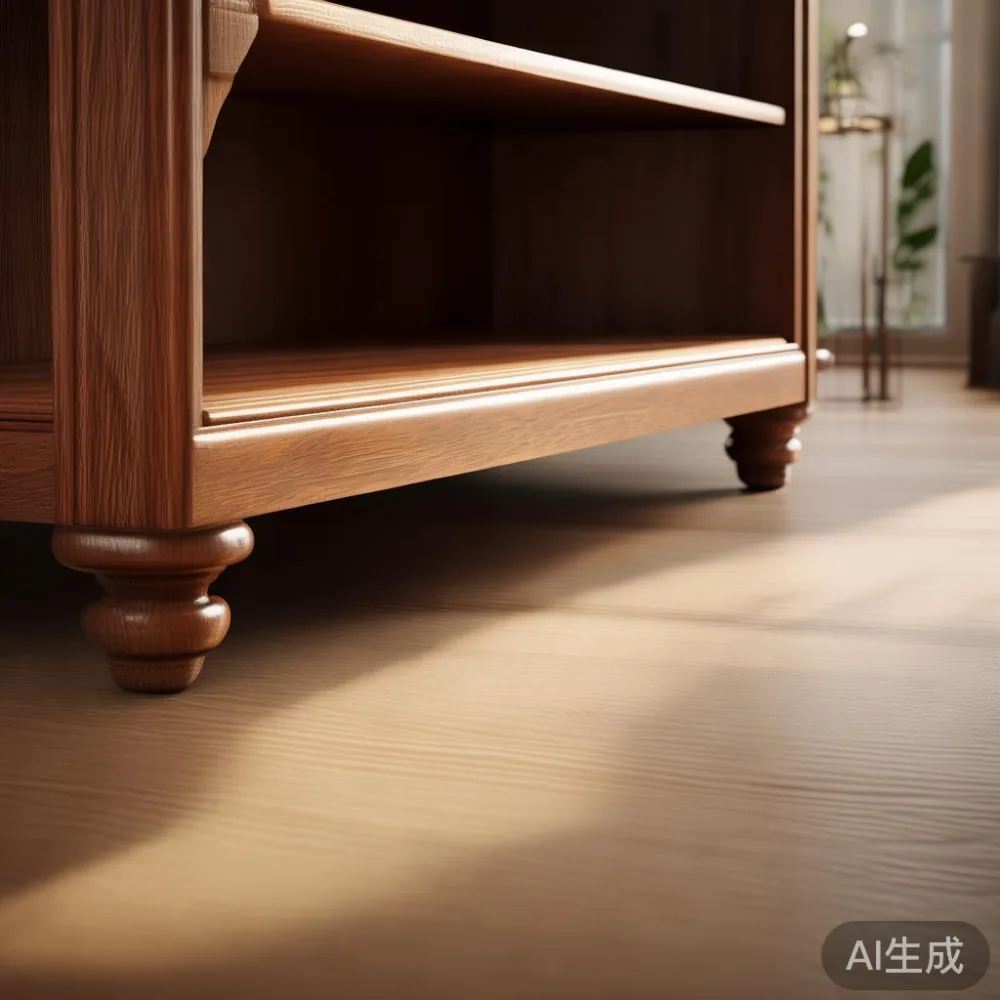
Look for the product category. A bookshelf warranty should state whether it applies to the purchased unit only, a matching collection or every item in an order. A claim for a dining table should not automatically transfer to a nightstand. If the wording says “wooden furniture,” request confirmation for the specific bookshelf in writing.
Then identify the remedy. “Repair, replacement or store credit” sounds generous, but the customer may have to remove the unit, transport it to a workshop and pay for return freight. A replacement could also be a different finish or size. Ask whether the company pays collection, disassembly, packaging, return delivery, GST and reinstallation.
Which exclusions can cause a claim to fail?
Exclusions are where warranties reveal their limits. Common exclusions include accidental damage, liquid exposure, insect activity, electrical damage, commercial use, outdoor use, improper assembly, and loads above the stated limit. Read these against actual use rather than assuming ordinary household use is automatically accepted.
Singapore’s humidity deserves particular attention. Solid timber can expand, contract and develop small surface checks as relative humidity changes. A typical indoor range is roughly 40% to 65% relative humidity, although local conditions and building design vary. A warranty may treat excessive moisture exposure or direct contact with wet walls as owner damage. Keep the bookshelf 5 cm away from masonry walls where practical, and do not place it beside an open window that receives rain.
Assembly exclusions matter. If a bookshelf requires wall anchoring, the warranty may not cover toppling unless the supplied fixings and instructions were followed. A 180 cm-tall unit weighing 46 kg should be restrained by two suitable brackets. The same warning applies to a solid wood sofa, bed frame, dining table, wardrobe, nightstand or marble table, although their fixing methods and weight distribution differ.
Commercial exclusions can be misunderstood too. A home-office bookshelf in a condo is normally residential use, but a bookshelf used as retail display may not be. If the unit will hold more than 30 kg per shelf, compare that figure with the published load rating. “Solid wood” describes the material, not an unlimited load capacity.
Is delivery damage included in the warranty?
Damage during delivery is not automatically a warranty claim. It may belong to the retailer or carrier under a separate delivery policy. This distinction matters in Singapore because furniture can pass through common HDB corridors, lift lobbies and lift cars before reaching the flat. A 35 cm-deep bookshelf may fit a lift diagonally, while the same unit with fixed doors or thick protective packaging may not.
Before delivery, record the unit’s dimensions in centimetres and the lift-door dimensions. For many older HDB blocks, a lift car may measure about 100 cm wide and 130 cm deep, but usable door width can be smaller. In newer Tampines, Bedok or Punggol blocks, the specification can vary. The property manager’s latest measurements are more reliable than an online floor plan.
At handover, photograph all six sides of the carton, the label and any crushed corners. After unpacking, photograph the bookshelf from the front, both sides, the top, the back, every joint and the finish. Keep the packaging for at least 14 days. Some sellers require the original carton to assess transit damage.
Check the furniture warranty against the delivery policy. A 10-year structural term does not explain who pays when a lift wall is scraped during a wardrobe move. Ask whether delivery is insured, whether the lift reservation is arranged, and what happens if the item cannot enter the lift. A useful answer should state a contingency rather than merely saying “delivery to door.”
How long should I keep the receipt and packaging?
Keep the receipt, order confirmation, warranty certificate and delivery note for at least 1 year after the warranty expires. If the structural term is 10 years, that means 11 years of records in total. Store PDF copies in 2 folders: “purchase” and “product care.” Photograph the serial number and attach the images to an email dated on the delivery day.
Do not discard packaging until you have inspected every surface and confirmed that the assembled bookshelf is stable. A 14-day return window can end quickly after delivery, especially if the unit is built to order. Check the return terms for assembly, restocking fees, reverse freight and original-condition requirements. A return assembled, with every protective film removed, can be difficult to accept.
For future purchases, this also provides a practical comparison guide for modern Italian light luxury furniture or French light luxury designs. The origin label is less important than whether the supplier identifies the exact finish, board, joint, dimensions and warranty coverage in writing.
What should I ask before paying for a solid wood bookshelf?
Ask for a written summary with 7 specific answers: the covered period, covered parts, excluded damage, load limit, claim evidence, remedy and return procedure. Confirm whether natural knots, sapwood, grain variation and minor colour differences count as defects. For a solid wood bookshelf, these are material characteristics that may not be defects at all.
Ask whether the 10-year structural warranty applies to the shelf boards, side panels, back panel, joints and finish separately. A finish warranty might be 1 year while structural coverage lasts 10 years. Ask how “lifetime refinishing” is defined. Does it mean one complimentary refinishing, unlimited refinishing at a stated rate, or refinishing only for defects? A practical policy should state the number of services, eligible parts, turnaround time and customer-paid charges.
Confirm whether GST is included. For an order of SGD 1,200, the displayed price should indicate whether GST is added at checkout. Singapore’s standard GST rate is 9%, and a warranty replacement may create different tax treatment depending on the circumstances. Request the actual invoice rather than relying on a catalogue image.
Also ask whether free shipping over US$350 applies to the quoted destination. That threshold is expressed in US dollars, so a Singapore buyer should request a conversion and the final SGD delivery charge. A 46 kg bookshelf may need two delivery handlers, lift booking and a stair walk; a corridor width of at least 80 cm should be measured in advance.
How do I make a claim without losing evidence?
Send one concise notice with the order number, purchase date, delivery date, product name, description of the fault, date of discovery and requested remedy. Attach dated photographs and the invoice. Keep a copy of every message and note the response deadline.
Do not sand, glue, lacquer or dismantle a failed joint before approval. Repairs can complicate the assessment, although reasonable steps to prevent further damage should be taken. Photograph loose components and move books off the affected shelf. If a shelf has visibly bowed, reduce its load immediately and keep people away from the unit.
Ask for a case number and the name of the assessing party. If the first response proposes a repair, request a written description of the work, expected completion date, transport responsibility and what happens if the repair fails. If the company asks for a workshop inspection, clarify who arranges collection and pays return delivery.
For an item bought from MIDHILL, use the published support channel and quote the order number rather than relying on an unresolved message. Its stated 10-year structural warranty and lifetime refinishing arrangement provide a clear starting point, but the claim still depends on the product’s terms, evidence and cause of failure.
Can a retailer change the warranty after I buy?
A published policy should not be replaced by narrower terms after purchase. A retailer may update its policy for future sales, but the version applicable to an order should be retained with the invoice. Screenshot the product page and warranty document on the purchase date, especially if the terms are hosted online rather than printed.
Watch for discrepancies between the sales page, marketplace listing and invoice. If one says “10 years” and another mentions only “1 year,” ask which document governs. The answer should be confirmed in writing. If there is no answer, escalate through the platform’s dispute process and provide the screenshots, payment receipt and delivery evidence.
Clear terms should distinguish a manufacturer’s warranty from the retailer’s statutory obligations. A manufacturer may control structural repairs, while the retailer may handle transit damage or a 14-day return. Overlap is possible, but neither side should force the buyer to begin with the wrong process.
Is a light-luxury warranty different from a budget one?
Price alone does not determine warranty quality. A properly documented policy can be more useful than a long headline with no exclusions. Light-luxury design influences proportions, materials and joinery, yet the claim process still depends on precise wording. Whether you are considering French light luxury, American light luxury or Post-modern for dining room projects, check the same 7 points and request model-specific details.
The style keywords should not distract from the product record. For example, a showroom may describe a bed frame as an Italian-inspired design and use a fashionable label, but the invoice must identify the frame, finish, dimensions and warranty. A guide on how to choose Italian light luxury bed should compare frame construction and coverage, not just silhouette. Similarly, research on a European bed vs Mid-century modern bed should distinguish style from structural promises.
Marble tops require their own questions because the stone, support structure and cabinet may be sold as one product or as separate components. For a marble table, confirm whether chipping, veining and staining are excluded, and whether the warranty covers the supporting dining table structure. For a nightstand, ask about drawer alignment and moisture exposure. For a solid wood sofa, separate frame coverage from cushion and fabric wear.
Some buyers researching the best Japanese sofa for 2026 focus on comfort and visual restraint, but they should also verify whether the solid wood sofa frame and seat cushions have different warranty periods. If the result involves a bedroom, advice on how to style light luxury bed in bedroom should not outpace the need for load ratings and clear assembly instructions.
What is a practical pre-purchase checklist?
Complete 10 checks before payment: obtain the written warranty, verify the exact product, note the coverage start date, read exclusions, confirm the load limit, document the remedy, save policies, check the return deadline, photograph delivery, and keep receipts. Add 4 site checks: measure the lift door and car, measure the corridor and turning space, confirm the route for a 46 kg unit, and reserve the delivery date.
Allow 5 to 14 delivery days for standard in-stock items, but ask for the actual lead time if the bookshelf is made to order. A production window of 4 to 8 weeks is not a delivery guarantee. Note whether the quoted period ends at dispatch or arrival, and whether a missed delivery window gives a cancellation right.
Finally, compare the documents rather than the promises. A clear 10-year structural warranty, a defined refinishing service, a 14-day return policy and transit responsibility can each be useful, but they cover different stages. Read every definition, save every record and secure the answer to anything ambiguous. That is how to read a furniture warranty without getting caught out: treat ambiguity as an unanswered question and resolve it before the bookshelf reaches the lift.