Bookshelf Warranty Guide: Avoiding Misunderstandings
A furniture warranty can look reassuring in a showroom and still leave a Singapore household with awkward gaps. Terms such as “solid wood,” “10-year coverage,” and “lifetime refinishing” sound clear until a bookshelf arrives with split joints, a dining table develops movement, or a lift cannot accept the delivery. A useful warranty should answer ordinary questions in plain language: What is covered? For how long? Who pays for transport? What must the customer do? The same questions matter when comparing modern light luxury furniture with cheaper alternatives, especially where corridor widths and lift limits add a further 20–30 cm of difficulty.

MIDHILL was established in 2008 and exports to more than 15 countries. Its stated 10-year structural warranty, lifetime refinishing service, free shipping above US$350, and 14-day return period provide a useful example of what a homeowner should inspect before ordering. International shipping terms are not the same as Singapore delivery terms, however, so local GST, access charges, and the exact collection process still need confirmation.
What does “10-year structural warranty” actually cover?
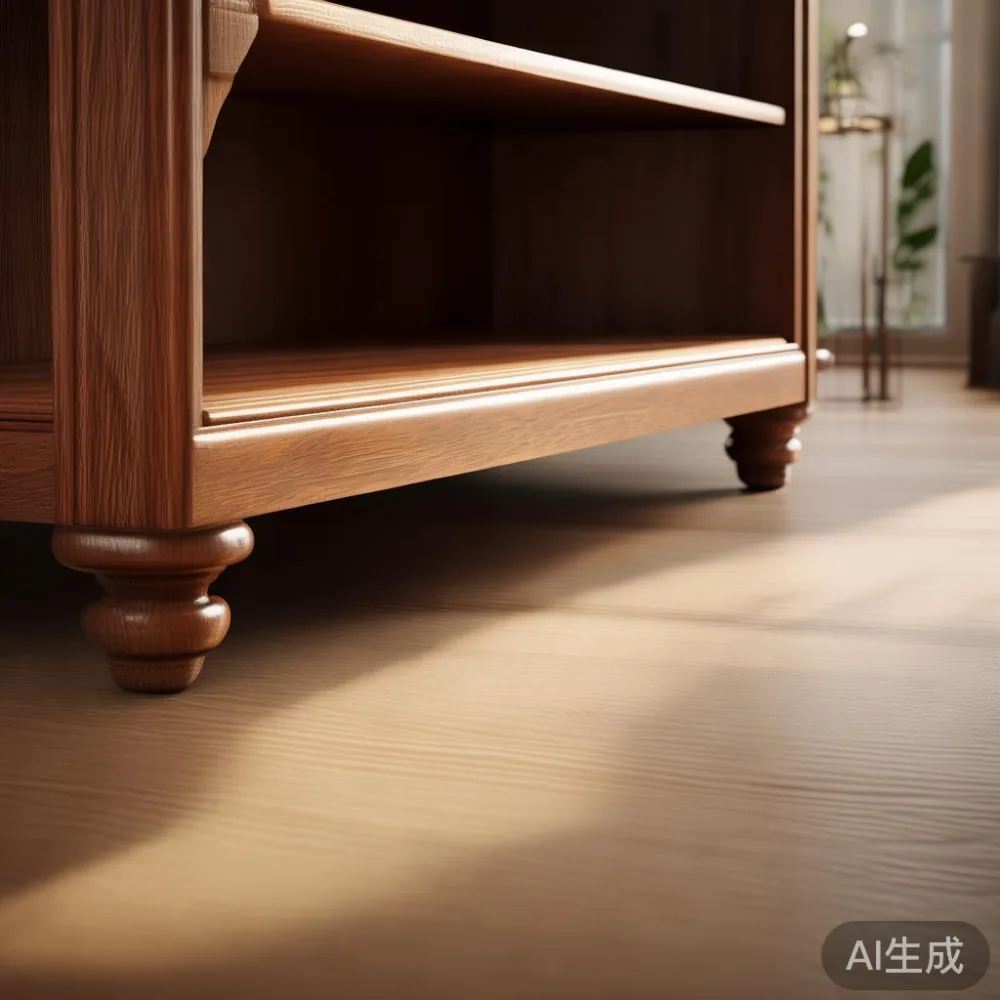
Begin with the noun “structural.” It usually refers to the load-bearing frame or joints, not every visible mark. For a solid wood bookshelf, that might include the separation of a glued joint, cracking through the main side panel, or failure of a structural shelf support under normal use. Scratches, fading, small movement caused by humidity, and damage from overloaded books may sit outside the definition.
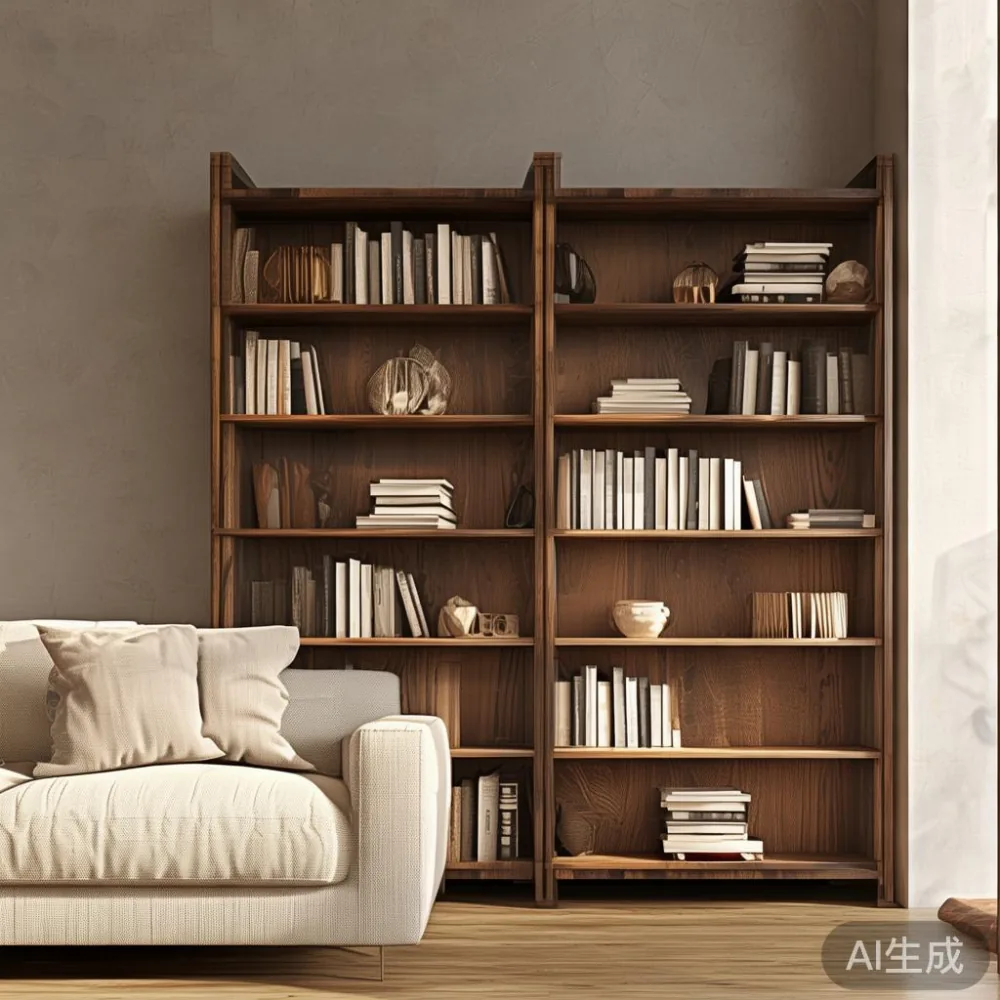
Ask for the claim definition in writing. A 10-year structural warranty should explain whether coverage begins on the order date, delivery date, or invoice date. It should also state whether only the original buyer can claim, whether a replacement is issued, and whether labour, delivery, return freight, and GST are included. “Replacement” is not the same as a refund: a replacement bookshelf still has to pass through the same HDB corridor or condo service lift.
Check the exclusions too. Common ones include commercial use, outdoor placement, unauthorised modification, standing water, electrical damage near power outlets, and deliberate overloading. Each bookshelf should have a stated load limit. A model advertised for 30 kg per shelf is not suitable for a row of hardbacks if the practical limit is 25 kg. Ask for capacity figures rather than relying on adjectives.
The legal framework matters as well. In Singapore, consumer expectations under the Consumer Protection Act can overlap with contractual warranty terms. A court or mediation body may still consider a misleading representation, even where an exclusion appears in small print. That does not make every claim automatic, but it makes clear wording important. Request the full warranty document before paying, not a summary printed on a carton.
Is Italian light luxury wardrobe worth it?
This is a fair customer question, but a warranty is only one part of the answer. The more urgent question is whether the wardrobe suits the room, the building, and the household routine. For HDB flats in Tampines or Bedok, measure the bedroom door, corridor turns, and lift car before ordering. A wardrobe with a 200 cm height may need to be tilted, which can damage its finish or joints during transit.
For a condo in Punggol, loading bays and service lifts may offer smoother access, but building management can still require protective floor coverings or impose delivery-hour restrictions. Photograph the route, record the lift dimensions, and provide them to the seller. If a wardrobe must be assembled inside the bedroom, confirm whether the warranty remains valid after assembly and whether missing screws count as a manufacturing fault.
For buyers comparing light luxury for office settings with home storage, look at hinges, drawer runners, hanging rails, and adjustable shelves separately. Italian-inspired or Italian-made furniture should be identified precisely. “Italian style” does not establish country of manufacture. The same discipline applies when asking how to choose light luxury bed: a 10-year frame warranty may exclude movement in a slatted base, mattress edge collapse, or damage caused by an unsuitable bed frame.
Ask what refinishing means. A lifetime refinishing promise may apply to the original product and original finish only. It may exclude changes in colour, coatings supplied by the customer, relocation costs, or work caused by water and impact. A satin-finished dining table and a marble table may use very different repair methods, so one promise cannot safely cover every material.
What does “lifetime refinishing” really mean?
Lifetime sounds permanent, but the operative details determine the value. A careful statement would identify the covered parts, eligible defects, number of labour charges, expected turnaround time, and treatment of return freight. “Lifetime” might refer to the buyer’s ownership period, the product’s expected service life, or the period during which the company remains trading. Get the answer in the quotation or warranty schedule.
My colleague last month visited a customer in Bedok with a solid wood dining table whose lacquer had worn along one edge. The retailer initially described the repair as a routine scratch, even though the finish had separated near a joint. The customer then referred to the written lifetime-refinishing clause. Inspection showed a manufacturing adhesion fault, so the repair was scheduled without an additional service charge. The episode demonstrated why “scratch repair” and “warranty rectification” should not be treated as the same thing.
For a bookshelf, refinishing may address a surface issue but cannot repair a weak upright or overloaded shelf. For a solid wood bed frame, it may not cover joint looseness. For a wardrobe, veneer and painted components may have separate limits. Insist that the document connects the remedy to the fault rather than merely promising cosmetic restoration.
How long do delivery, assembly, and claims take?
Delivery timing should include more than a broad “7–14 days.” Confirm whether the estimate is in working days, whether it begins after production or after payment, and whether a scheduled slot counts as a firm delivery commitment. In Singapore, a 14-day return period should be counted from the date of receipt rather than the courier handover notice.
Free shipping over US$350 may apply to international destinations, but Singapore buyers should ask whether local delivery is also free. Confirm the currency conversion, 9% GST, and whether oversize or two-person delivery carries a surcharge. For example, a SGD 2,400 bookshelf may have a quoted freight and access fee of SGD 120, while a delivery requiring a second handler could cost SGD 180. These amounts must be disclosed before checkout.
Build access into the policy. Measure a typical HDB lift at roughly 110 cm wide and 140 cm deep for initial planning, though actual models differ. A bookshelf wider than 105 cm may not enter upright, even before accounting for the turn into the corridor. Check door widths around 80–90 cm as well. If a piece must be disassembled, record who carries out the work, how long it takes, and whether assembly charges affect the claim.
A claims process with no response deadline is difficult to rely on. Ask whether the company acknowledges a claim within 3 working days, inspects it within 10 days, and provides a repair or replacement estimate within 14 days. These are reasonable planning points, not universal legal deadlines. Actual completion can take several more weeks, especially if a replacement must be remade or shipped.
Which furniture terms and load limits should I check?
Compare products by measurable specifications, not by the word “premium.” A solid wood sofa should disclose its frame timber, cushion density, foam warranty, fabric composition, and whether the 10-year promise covers the frame only. A dining table needs tabletop material, extension mechanism, joint construction, dimensions, and maximum loading guidance. A nightstand needs drawer clearance, wall fixing advice, and cable-management details if it sits beside a bed.
Marble requires particular care because the material can chip, stain, or crack for reasons unrelated to structural failure. Ask whether natural-stone variation is accepted, whether the top is reinforced, and which surface defects count as manufacturing issues. A marble table warranty should not imply that every vein, colour difference, or edge mark is defective.
The word “solid wood” also needs scope. It may describe the main frame while shelves, backing panels, drawer bottoms, or veneers use other materials. For a bookshelf, request a material breakdown: solid timber sides, plywood backing, shelf thickness, and support-pin type. For a dining table, confirm whether leaf panels and the base are covered for the full stated period.
Capacity figures make the policy more meaningful. A solid wood sofa may have a recommended user load of 120 kg per seat. A bed frame may support 150 kg per sleeper. A bookshelf might hold 25–35 kg per shelf depending on its construction. These figures should reflect the lower-rated component, and they make it easier to distinguish a structural failure from misuse.
What paperwork should I keep?
Save the product page, quotation, drawings, material schedule, care guide, full warranty, delivery terms, and payment receipt. Take dated photographs before unpacking, then again after assembly. Record packaging condition and ask the delivery crew to note visible damage. If a carton is punctured, photograph it before accepting the item.
Give the serial number and order number to the company at the time of a concern. Keep all messages, including promises by chat agents. For a claim, describe the symptom, location, date first observed, and loading or use history. Avoid exaggerating: saying “the entire bookshelf collapsed” when one screw loosened can complicate the assessment.
Also check the product’s maintenance requirements. Humidity control, wall anchoring, even loading, and approved cleaners can determine whether a failure is a defect. Singapore’s humid environment makes solid wood movement a normal consideration, but a poorly fitted joint can still be a fault. Proper expansion gaps and level furniture reduce avoidable problems.
How do I compare two warranty offers fairly?
Create a 10-column comparison: covered defects, excluded defects, start date, duration, remedies, freight, labour, response time, return period, and transferability. Put the two policies side by side and mark any phrase that cannot be interpreted without contacting the company.
Then compare the actual products. A 10-year structural warranty on a weak particleboard bookshelf offers less practical protection than a 5-year warranty on a properly engineered solid wood shelf. Dimensions, load ratings, joinery, and access conditions matter as much as the printed duration. This is where post-modern light luxury or French light luxury positioning should be judged through construction and service, not decorative styling.
Wholesale Italian light luxury furniture may include attractive provenance, but country of origin does not remove the need for precise terms. Confirm whether “Italian” describes design, manufacture, materials, or branding. For a home office, light luxury for office purchases should prioritise drawer action, cable clearance, desk stability, and delivery access over showroom polish.
Before placing an order with MIDHILL or another seller, ask for the complete warranty and delivery schedule in writing. Verify that the 10-year structural coverage, lifetime refinishing terms, 14-day return rules, access charges, and GST treatment are stated clearly. A worthwhile warranty is not simply the longest printed promise; it is a repair process that a furniture specialist can explain, a delivery team can execute, and a customer can actually use.