Choosing the Perfect Sofa: What to Inspect Before Buying
Some sofas are purchased for their silhouette, while others are bought for daily comfort. A showroom model may look generous, supportive and appropriately scaled for a Singapore living room, yet it can still be impractical for the people expected to use it. Before paying, check the seat height, usable depth, cushion response, arm clearance, access route and the terms attached to long-term use. A sofa you cannot sit on comfortably can become a decorative object, a storage surface or an obstacle within 3 months.

This guide treats the sofa as part of a coordinated home rather than an isolated object. The same measurement discipline applies when matching a solid wood sofa with a bookshelf, a bed frame with a wardrobe, or a dining table with a nightstand. At MIDHILL, practical product information and durable construction should help buyers judge fit, materials and ownership over time.
What makes a sofa comfortable enough for everyday use?
Comfort cannot be determined by fabric alone. Begin with the seat dimensions, because a sofa that appears deep from a standing position may require an awkward slide for someone with a shorter leg length. A useful family-room seat is commonly around 45–50 cm deep, while a more relaxed 55–60 cm depth needs back cushions and the right posture. The finished seat height usually falls between 40 and 46 cm, although the buyer’s body, footwear and floor level matter more than a universal figure.
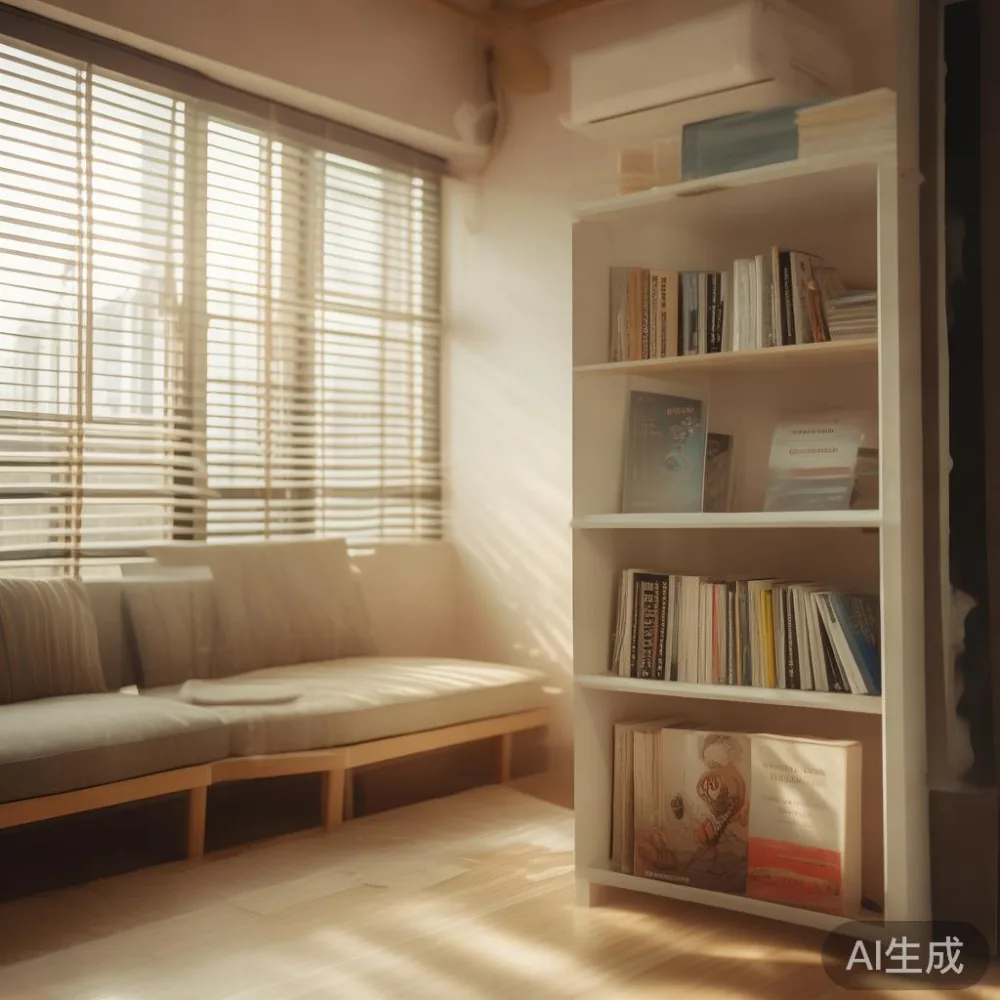
Compression is the next test. Sit down, remain in place for 15 minutes, then rise without using the arms. If the cushions are so firm that your pelvis feels suspended, or so soft that you slide forward, the seat may not suit the intended user. Foam density, spring construction and cushion fill can explain the difference, but the showroom test is more revealing than a specification sheet alone.
Back support should meet the lower back without forcing the shoulders forward. Check the angle of the backrest, the height of the lumbar area and whether loose cushions remain in position after repeated use. Arms should support a relaxed posture at roughly 58–65 cm from the floor, though this varies with seat height. A useful test is to place a 30 cm-wide tray or book on the arm: if it slides easily, ask about the arm’s usable width.

Visual luxury and physical comfort are separate qualities. French light luxury, American light luxury and post-modern light luxury can all work in a Singapore flat, but the treatment should not compromise the sit. Pale timber, neutral upholstery and curved profiles may suit the photograph; cushion depth, support and access determine whether the piece earns its place.
How do you measure a sofa against the room and its access route?
Measure the sofa, then measure everything it must pass through. Singapore HDB flats and condos often have compact living rooms, lift lobbies and corridors that turn a simple delivery into a spatial puzzle. A sofa may fit its intended position but fail to clear the lift door, a 90-degree turn or the apartment entrance. Add several centimetres of tolerance rather than assuming the listed dimensions are sufficient.
For an apartment above the ground floor, ask the building office or property manager for the lift dimensions and relevant delivery rules. Record the door width, internal lift depth, lift height, corridor turns and any fire doors. Note whether the sofa can be separated into modules. Two pieces of 95 cm each may negotiate a doorway more easily than one 190 cm section, provided the connection does not create a ridge under the seat.
Consider the route from Tampines, Bedok or Punggol, not only the room. A trolley’s turning circle, protective floor coverings and the distance from the lift to the flat all affect delivery. A delivery quoted at SGD 120 may cover standard doorstep placement in a straightforward building, while stairs, hoisting, dismantling and restricted access can require a separate quotation. Request the total amount, including GST where applicable, rather than relying on a starting price.
Leave circulation space around the sofa. In many HDB living rooms, 75–90 cm between the front edge and a dining table or TV console is more comfortable than a squeezed 45 cm. The precise minimum depends on circulation and the number of users. If a coffee table sits in front, allow roughly 35–45 cm from the seat edge for legroom. A sofa touching the wall can work, but one trapped between shelving, a bookshelf and the dining zone may look attractive only in a plan view.
What should you inspect in the frame, suspension and finish?
Look beneath the sofa and around its edges. Check whether the frame is solid wood, hardwood plywood or another engineered material, and ask for a clear description rather than accepting a vague “wood” label. If the product is described as a solid wood sofa, confirm which components are solid timber and whether the visible frame, seat rails or legs are included. Also inspect corner joints, fasteners, floor protection and any sharp edges.
Test the suspension by pressing different areas of the seat with your hand. A sound, stable frame should not twist, creak sharply or bounce indefinitely. Ask how the cushions are built, whether covers can be removed, and what happens after approximately 5 years of normal family use. Ten years is a familiar structural reference point, but upholstery and cushion comfort should not be implied to last as long as the frame.
Care and repair information matters as much as the initial finish. A light-coloured solid wood frame can pick up scratches, while marble table surfaces and glazed ceramics need different cleaning methods. Ask for the recommended cleaner, moisture limits and repair process. If refinishing is offered across the product range, confirm whether sofa upholstery is covered; timber refinishing and textile replacement are not the same service.
Touch every exposed material. Run a hand over the seams, compare the fabric on the back and seat panels, and check the consistency of the coating on solid timber. Look for loose threads, uneven stitching and gaps wider than about 2 mm. No showroom should object to a careful 10-minute inspection.
Can the sofa be delivered, returned and serviced without hidden costs?
Read the order terms before entering payment details. Confirm the expected delivery window, the moment when charges become payable, and whether a missed delivery generates another fee. Singapore shoppers should see SGD prices with GST treatment stated clearly. For comparison, a furniture order below the free-shipping threshold of US$350 will not qualify for MIDHILL’s stated free-shipping offer, even if the dollar figure is converted into SGD, so obtain a local landed quotation.
Returns are easier when the policy states the condition, time limit and responsibility for collection. Fourteen days is enough to test a sofa in a room, at different times of day, if the item remains clean and undamaged. Restocking charges, assembly fees and return freight should be disclosed. A sofa that is made to order may have different cancellation terms from an in-stock model, so ask for the production status before approving the order.
For lift access, obtain a delivery plan that identifies the sofa’s packaged dimensions, module weight and number of handlers. A section weighing 45 kg may require two people; one weighing 70 kg may require a hoisting arrangement. Delivery to the unit entrance is different from delivery into the living room. State the desired destination clearly.
After delivery, retain the invoice, care guide and warranty record. A 10-year structural warranty can provide confidence in the frame, but check exclusions for commercial use, moisture exposure and unauthorized modifications. Confirm whether moving the sofa or changing its covers affects coverage.
How does the sofa fit with a bookshelf, bed frame and dining table?
A good layout starts with the largest fixed pieces. Place the dining table near the kitchen or dining zone where possible, reserve the longest uninterrupted wall for the sofa, and position the bookshelf where it does not interrupt circulation. A bookshelf set perpendicular to a window can create glare on pale book covers and display surfaces; the same shelf placed beside the sofa can also trap dust behind its narrow gaps.
Check sightlines as well as dimensions. The top of a sofa should not completely hide a storage cabinet, while a tall bookshelf should not project into the main doorway. In a compact flat, a 25–30 cm gap between the sofa and a bookshelf may provide room for cables and cleaning access. Make sure the sofa arm does not collide with an open bookshelf door.
Compare finishes under the room’s actual lighting. A solid wood sofa frame, a bed frame and a dining table can use related timber tones, but repeated exact colours may look overly matched. Light luxury usually benefits from one shared tone plus 2–3 contrasting materials. The bed frame can bridge the sofa and bookshelf, while a marble table or nightstand can introduce a controlled reflective surface.
Keep scale proportional. A 210 cm sofa may dominate a 3 m by 3.2 m room, whereas a 170–190 cm model may suit it with better circulation. For apartment bedrooms, ask how a bed frame enters through the door and whether its headboard can be assembled separately. The question of a French bed vs Italian light luxury bed is less about nationality than proportions, storage and the way each bed handles a compact room.
Should you choose European styling, American styling or a Nordic look?
European light luxury often favours refined curves, tailored lines and restrained ornament. American light luxury can feel broader and more architectural, with deeper seats, clean profiles and substantial timber details. A Nordic direction generally values pale colours, visual restraint and straightforward forms. None of these labels replaces a comfort test or a measurement.
The phrase European light luxury sofa vs Modern sofa can be useful when comparing decorative effect with present-day usability. A European-inspired silhouette may use flowing arms and a shaped back; a modern sofa may prioritise clean lines, modularity and flexible placement. In a Tampines family flat, consider how children use the seat, how adults watch television and whether the sofa also needs to accommodate an adult who sleeps on it occasionally.
A similar comparison appears in light luxury sofa vs Nordic sofa. Light-luxury styling may add contrast piping, sculptural legs or a more layered silhouette, while a Nordic approach can keep the frame visually lighter. Assess whether a tufted back, loose cushion or floating base affects cleaning and daily seating.
For coordinated purchases, a search for for sale American furniture should lead beyond finish samples to delivery and service policies. Ask about replacement cushions, matching timber shades and the availability of spare components. A coordinated room should be assembled gradually without making the sofa’s practical weaknesses disappear behind matching accessories.
What should you do during a final 20-minute showroom test?
Arrive with the room measurements and the intended users in mind. Sit in different positions, check the arm height, stretch your legs and test whether a phone can be reached without sliding. Spend at least 5 minutes sitting still, then stand and walk around the sofa to examine its rear, underside and seams. Record the model number, dimensions, seat height, seat depth and any removable sections.
Ask the sales specialist to open the packaging information and explain the cushion layers. Test the palette under daylight if possible; showroom lighting can make warm neutral fabric look grey or hide a blue undertone. For a timber sofa frame, request the finish name and care products. If a marble table is being considered, ask about coasters, cleaning and the movement of accessories on the surface.
Review the final quotation in SGD. Confirm GST treatment, delivery dates, lift charges, return conditions, structural warranty and expected assembly time. Allow 7–14 days for ordinary delivery in many Singapore orders, although made-to-order pieces and remote arrangements can require longer. If the purchase date matters, request a written estimate rather than a verbal assurance.
My own showroom test taught me to ignore the first comfortable position. Last month, I visited a display with a 60 cm-deep seat that looked generous but left my lower back unsupported. After 15 minutes, I had shifted forward and developed pressure across my thighs. A shallower adjacent sofa, measuring 48 cm deep with firmer cushioning, supported the same posture more evenly. The lesson is simple: sit for the period you expect to spend, not merely the 30 seconds needed to form an impression.
Choose the sofa only when the dimensions, access, comfort and ownership terms all agree. A coordinated bookshelf, bed frame, dining table, wardrobe, nightstand or marble table can make the room feel composed, but no visual arrangement compensates for a seat that cannot be used. Measure twice, sit for 15 minutes, inspect the construction and read the terms before paying.