Beyond the Surface: The Real 5-Year Cost of Veneer vs. Solid Wood Bookshelves in Singapore
For many Singaporeans, the home is a sanctuary. In our HDB flats and condominiums, from the spacious corridors of Tampines to the modern layouts of Punggol, furniture is not just functional; it's an extension of our personal style. For storing books, displaying decor, or simply adding a touch of elegance to a living room, the choice of a bookshelf is significant. At the heart of this decision lies a common question: veneer or solid wood? While the initial price tag often tips the scales towards veneer, a deeper look over a five-year period reveals a more complex financial picture. This article breaks down the true cost of each material, considering purchase price, longevity, maintenance, and resale value, all within the context of Singapore's unique living environment.
What Exactly Are We Comparing? Veneer and Solid Wood Defined
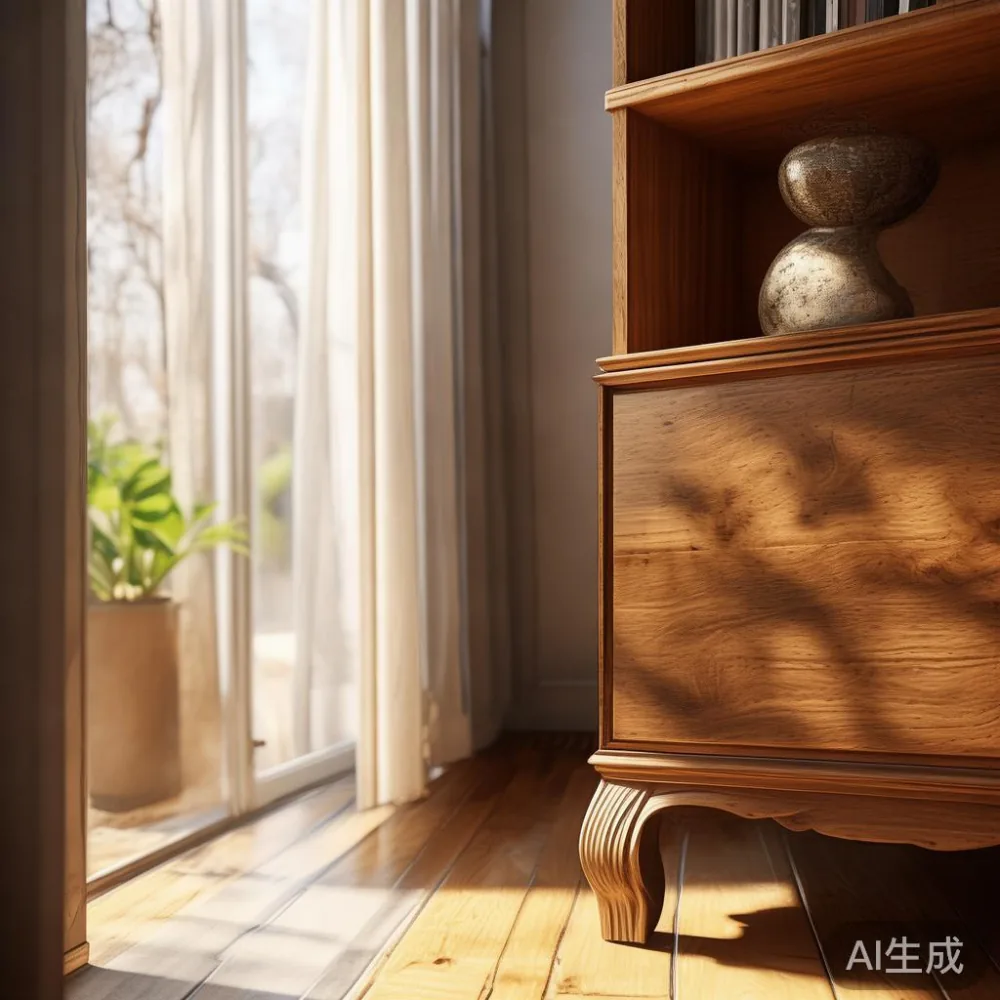
Before diving into the numbers, it's important to understand the fundamental difference between these two materials. Solid wood, as the name suggests, is crafted from a single, solid piece of timber like oak, walnut, or mango. It's a natural material, with each piece possessing unique grain patterns and colour variations. A solid wood bookshelf is built to last for generations, with its structure integrity and character deepening over time. This is the same material used to create timeless pieces like a solid wood sofa or a substantial bed frame.
Veneer, on the other hand, is a thin layer of real wood applied over a core substrate, which is typically a less expensive material like MDF (Medium-Density Fibreboard), particleboard, or plywood. The veneer provides the look and feel of solid wood at a fraction of the cost. While a veneer bookshelf can be attractive and durable, its lifespan is intrinsically tied to the quality of its core and the thickness of the veneer layer. Think of it like a high-quality photograph of a tree versus the tree itself; one is a representation, the other is the real thing.
The Initial Investment: A Singapore Price Point Comparison
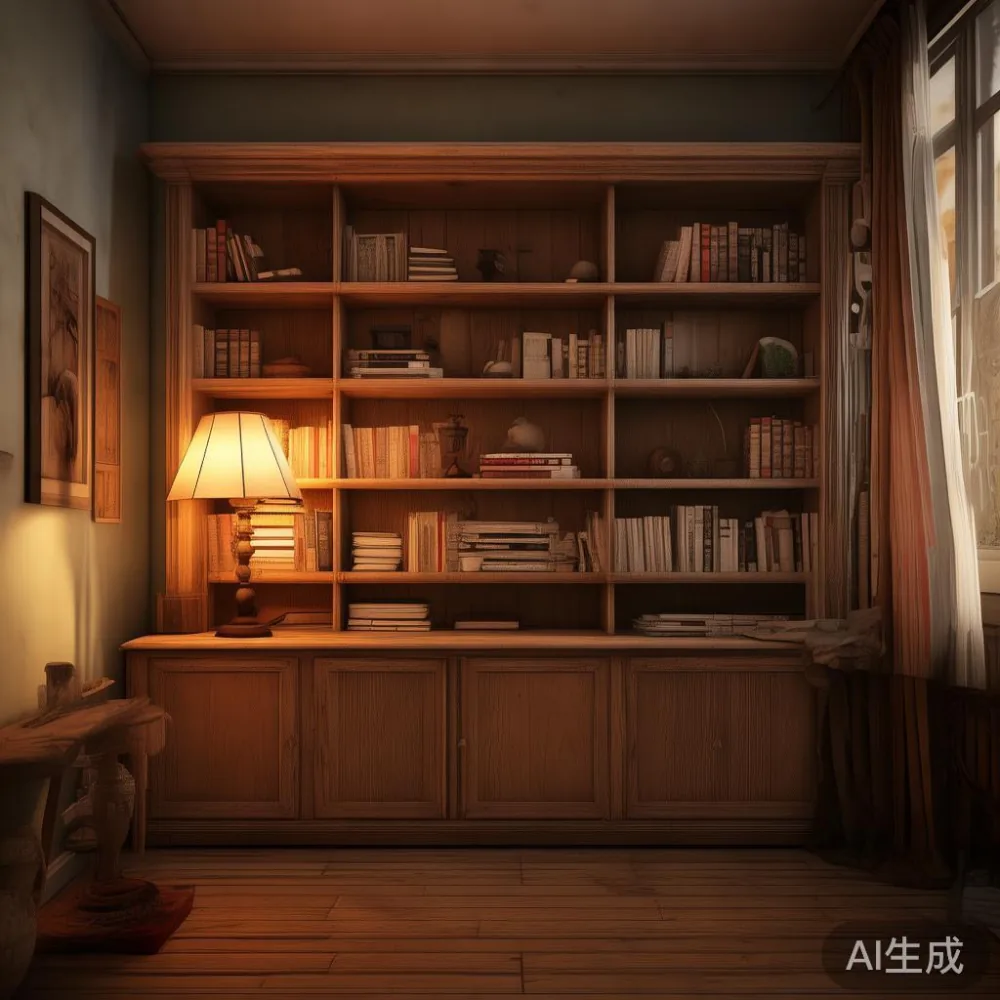
The most apparent difference between veneer and solid wood bookshelves is the upfront cost. In Singapore's market, this difference can be substantial. Let's consider a standard 180cm tall, 80cm wide, 35cm deep bookshelf, a common size for HDB living rooms.
A veneer bookshelf of this size, finished in a popular walnut or oak look, typically ranges from SGD 450 to SGD 750. These are readily available at local furniture stores and online marketplaces. They offer a modern aesthetic that fits well with many contemporary Singaporean homes.
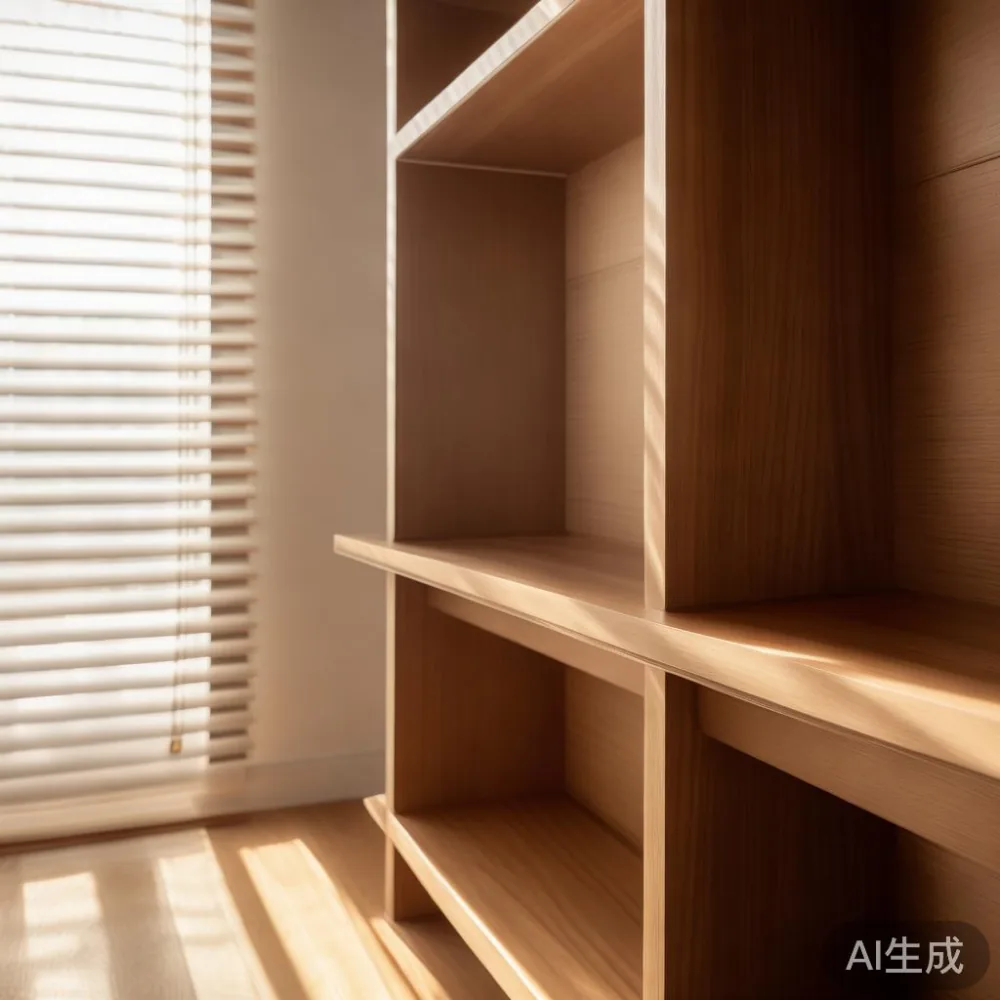
A solid wood bookshelf made from a durable hardwood like mango or rubber wood, with a natural oil finish, will cost significantly more. The same dimensions would see a price tag starting from SGD 1,200 and can go up to SGD 2,500 or more, depending on the wood species and craftsmanship. This initial investment can be a major deterrent for many homeowners. However, this higher cost reflects the use of premium, all-natural materials and construction methods designed for longevity, similar to the construction of a light luxury dining table.
Longevity and Durability: How Do They Hold Up Over 5 Years?
The initial cost is only one part of the equation. How does each material perform over time in a Singaporean home? Our climate, with its high humidity, is a critical factor.
Solid wood is remarkably resilient. It is a hygroscopic material, meaning it naturally absorbs and releases moisture to adapt to the surrounding environment. A well-made solid wood bookshelf will maintain its structural integrity for decades. It may develop a slight patina—a softening of the colour and a deepening of the grain—which many owners consider a desirable characteristic that adds to the furniture's story. A solid wood bookshelf is an investment that you can pass down, much like a European bed vs Italian light luxury bed, where the focus is on enduring quality rather than fleeting trends.
Veneer bookshelves are more vulnerable. The primary risk is delamination, where the thin wood layer peels away from the MDF or particleboard core. This is often caused by exposure to high humidity or temperature fluctuations, common in Singapore, especially near air-conditioning units or in window-facing corridors. A veneer bookshelf might start showing signs of bubbling or lifting after 3-5 years, depending on its quality and the environment it's kept in. Once delamination begins, it is difficult to repair and often necessitates replacing the entire unit.
Is a Solid Wood Bookshelf Really Worth the Extra Money?
This is the question on every homeowner's mind. To answer it, we need to look beyond the purchase price and consider the total cost of ownership over a five-year period. Let's model a scenario for a typical Singaporean household.
Consider a veneer bookshelf purchased for SGD 600. After 4 years, it begins to delaminate. The repair cost is often prohibitive, and replacement is the only option. A new veneer bookshelf might cost another SGD 650. Over five years, the total expenditure is SGD 1,250. Add to this the cost of occasional touch-up pens or polishes to cover minor scratches, perhaps another SGD 50. The five-year total is approximately SGD 1,300.
Now, consider a solid wood bookshelf purchased for SGD 1,800. Over five years, it requires minimal maintenance. A simple wipe-down with a damp cloth and an application of a natural wood oil once a year is sufficient to keep it in excellent condition. The cost of this maintenance is about SGD 30 per year, or SGD 150 over five years. There is no replacement cost needed. The five-year total is SGD 1,950.
p>At first glance, the veneer option seems cheaper. However, this calculation doesn't account for the inconvenience of replacement. Rebuying a bookshelf means another delivery, another assembly session, and the hassle of disposing of the old one. More importantly, it doesn't account for the aesthetic and emotional value. A solid wood bookshelf becomes a part of your home's history, while a veneer one is a disposable item. This is the core difference between a cheap Modern light luxury furniture piece and one that offers genuine, lasting value.Real-World Experience: A Colleague's Five-Year Journey
Last month, I visited my colleague, Priya, in her Bedok apartment. She was lamenting the state of her study. Her bookshelf, a veneer model she bought five years ago for SGD 500, was a sorry sight. The edges were chipped, the finish had dulled to a lifeless grey, and in one corner, the veneer had completely lifted, exposing the dark particleboard underneath. 'It just looks tired,' she said. 'I thought I was saving money.'
Her experience is a common one. She mentioned that she had already glued the peeling section twice, but it kept coming back, especially during the more humid months. The constant worry about further damage had taken the joy out of what should have been a beautiful piece of furniture. Her story perfectly illustrates the hidden costs of veneer: the emotional toll of watching a piece of furniture deteriorate and the constant, nagging feeling that you made the wrong choice.
Contrast this with my own experience. I purchased a solid mango wood bookshelf from a reputable maker over seven years ago. It has moved with me from a Tampines HDB to a condo in Punggol. It has a few minor scratches from moving house, which only add to its character. The colour has deepened to a rich, warm hue. It has never needed repair beyond its annual oil treatment. It remains a sturdy, beautiful, and functional centrepiece of my home. The peace of mind it provides is something no price tag can quantify.
Resale Value and Aesthetic Timelessness
Another often-overlooked factor is resale value. When it's time to move or redecorate, what happens to your furniture?
A solid wood bookshelf holds its value remarkably well. Because it is built to last and its aesthetic is timeless, it remains desirable in the second-hand market. After five years, you might be able to resell it for 40-60% of its original purchase price. For a SGD 1,800 bookshelf, that's a potential return of SGD 720 to SGD 1,080. This significantly reduces the net cost of ownership.
Veneer furniture, on the other hand, has virtually no resale value. Once it shows signs of wear, it is considered used-up. People looking for second-hand furniture are typically seeking solid wood pieces with proven longevity. A 5-year-old veneer bookshelf will likely be given away, sold for a token sum, or discarded. The entire SGD 600 (or SGD 1,250 over five years) is a complete loss.
Aesthetically, solid wood offers a depth and warmth that veneer cannot replicate. The natural grain, the way light plays on the surface, and the subtle changes over time all contribute to a sense of permanence and luxury. This aligns with the principles of French light luxury or post-modern light luxury design, which emphasize natural materials and understated elegance over ornate decoration. A solid wood bookshelf fits smoothly into this design philosophy, becoming a sculptural element in a room. This is the same principle that makes a top 10 Vintage furniture piece so sought-after; it's about authentic material and craftsmanship.
Conclusion: Making the Smart Choice for Your Singapore Home
When you factor in the initial purchase price, the cost of potential repairs or replacement, ongoing maintenance, and the eventual resale value, the financial argument for a solid wood bookshelf becomes much stronger over a five-year period. While the upfront cost is higher, the total cost of ownership is often comparable, and the long-term value is significantly greater.
But the decision isn't purely financial. It's about choosing quality over quantity. It's about investing in a piece that will not only serve its function but will also enrich your living space for years to come. It's about selecting furniture that reflects a commitment to craftsmanship and sustainability, values that are increasingly important to homeowners in Singapore. For those seeking a balance of style and substance, a well-crafted solid wood bookshelf is an intelligent and rewarding choice for the modern home.