How Southeast Asian Humidity Affects Solid Wood Bookshelves in Singapore
Singapore’s tropical climate can change the dimensions, joints, and finish of a solid wood bookshelf faster than many owners expect. In an HDB flat in Tampines with north-facing windows, the air may feel comfortable at noon but become noticeably damp during the monsoon evening. In a Bedok condo near the coast, salt-laden air can add another layer of risk. A bookcase needs to remain stable, quiet, and visually precise in those conditions, while still fitting the narrow lift, corridor, and open-plan living spaces common across Singapore.
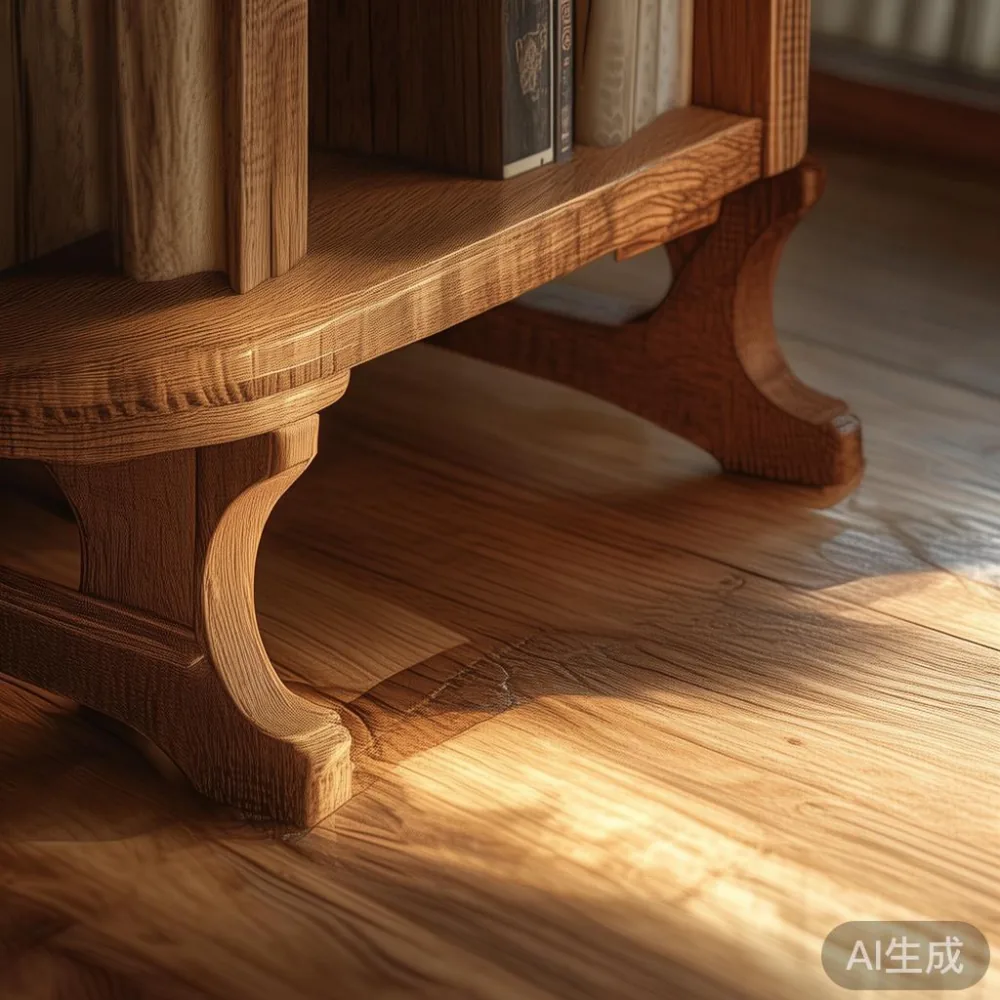
At MIDHILL, we build solid wood furniture around practical long-term use, backed by a 10-year structural warranty and lifetime refinishing. That matters for a bookshelf, where shelves carry repeated loads and small movements can affect doors, frames, and alignment. Humidity management is not about keeping a room permanently dry. It is about choosing suitable timber, protecting the finish, allowing controlled airflow, and installing the piece correctly.
This guide explains how humidity affects wood, why Singaporean conditions require careful product selection, and what homeowners can do before a bookshelf reaches its final position. The same principles also apply when coordinating a solid wood sofa, bed frame, dining table, wardrobe, nightstand, or marble table, although each piece responds differently to moisture and salt.
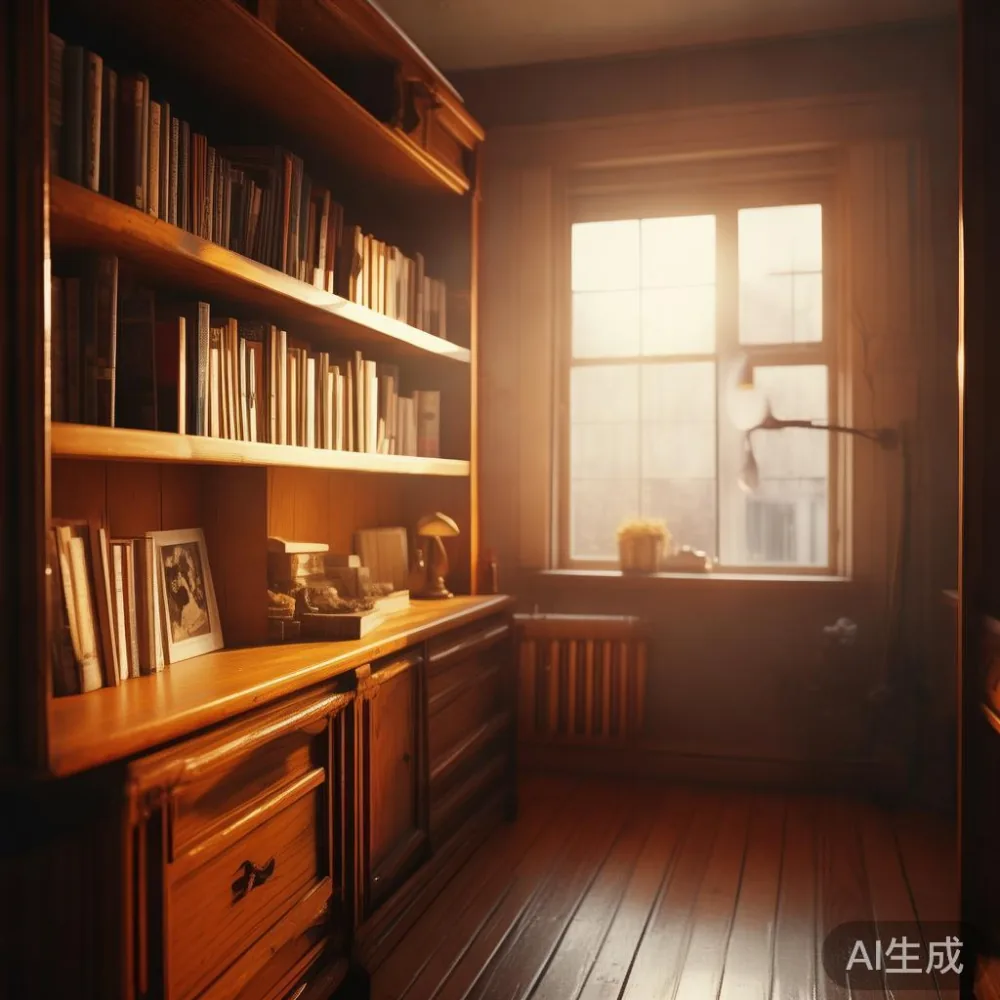
How much humidity should a Singapore home maintain?
Wood generally performs best when its surrounding relative humidity remains between 40% and 60%. Singapore regularly experiences readings above 70%, particularly between May and October, while air-conditioned interiors may fall below 40% during the afternoon. These are approximate comfort and preservation targets, not strict pass-or-fail limits, but they provide a useful baseline for judging whether a bookshelf needs more attention.
Use a calibrated hygrometer rather than estimating from the weather app. Place one near the bookshelf for at least 7 days and record readings at about 8 a.m., 1 p.m., and 8 p.m. In a Punggol unit without direct air-conditioning over the reading corner, the difference between morning and night can exceed 15 percentage points. A digital model with a 1% accuracy rating costs roughly SGD 25 to SGD 55 and gives a more reliable baseline than a low-cost analogue meter.
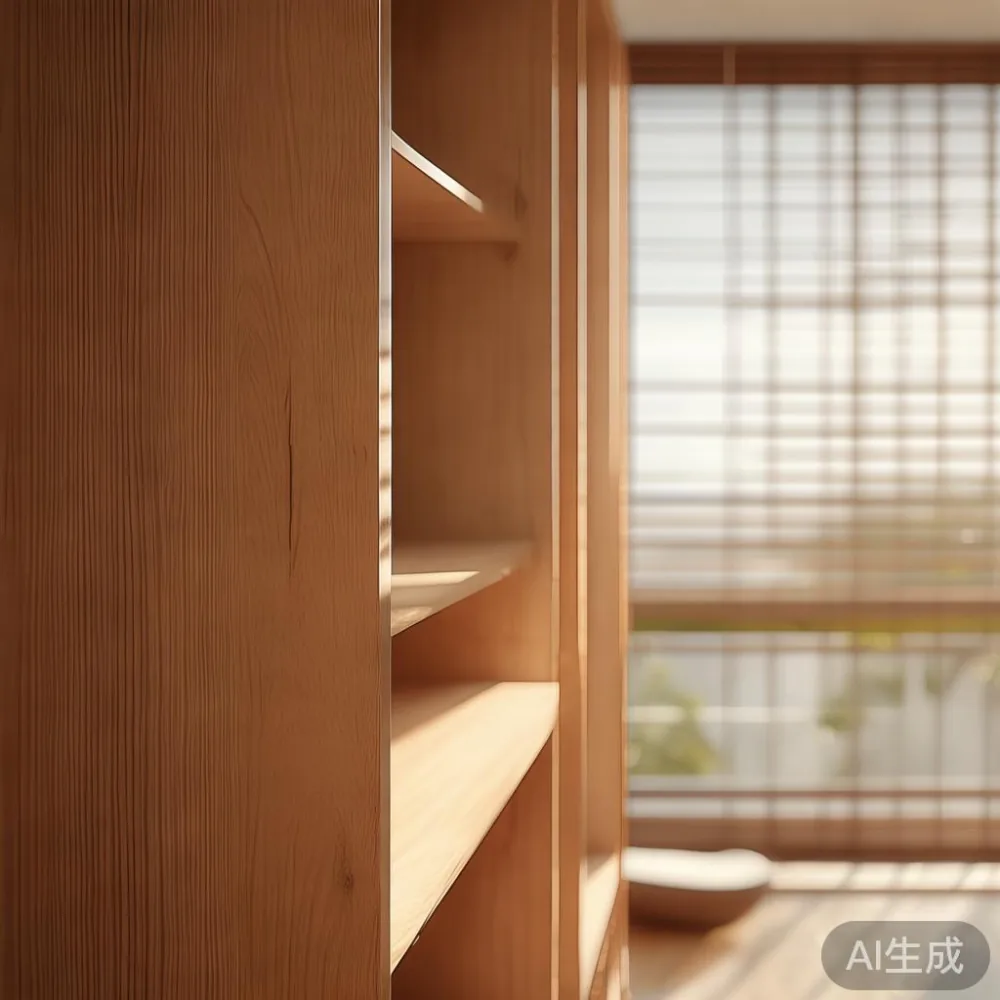
Air-conditioning helps because it removes moisture from the room, but it should not blast directly across the wood for 18 hours a day. A ventilated room with a moderate setting of around 24 to 26°C, combined with a dehumidifier when readings exceed 65%, is usually more balanced. Keep the device at least 60 cm from the bookshelf and maintain airflow around the rear panel.
What does humidity do to solid wood?
Solid wood is hygroscopic: it absorbs moisture when the surrounding air is humid and releases it when the air becomes dry. The movement is microscopic across the width of a shelf, but repeated cycles can open minute gaps at joints, cause doors to bind, and make a flat front rail appear uneven. Teak and iroko are less dimensionally sensitive than many hardwoods, while oak, ash, beech, and rubberwood can show clearer movement.
For a shelf spanning 80 cm, a seasonal width change of roughly 1 to 3 mm is plausible, depending on the timber, grain direction, finish, and room humidity. A 180 cm tall bookshelf may move vertically by about 1 to 4 mm under the same conditions. The exact figures vary, so measuring movement with a metal rule is more informative than relying on a universal allowance.
High humidity also increases the risk of mould around back panels, although mould on an untreated surface should not automatically be blamed on the wood. Check for dampness, blocked ventilation, and wet cleaning first. Keep books and paper at least 5 cm away from the rear panel where space permits, and avoid storing textiles or unopened cartons against the back of the unit.
Melamine and MDF are often marketed as moisture-resistant, but their cores and edge bands can still respond to long periods of damp air. A well-built solid wood bookshelf, properly finished and installed, can manage seasonal movement more predictably. The key is to distinguish short-term humidity exposure from permanent moisture contact.
Can a bookshelf survive Singapore’s lift, corridor, and stairwell dimensions?
Yes, if its size is checked against the route before ordering. Many HDB high-rise lifts have an internal door width of about 80 to 90 cm, with car depths near 120 to 140 cm. Older blocks and some service corridors are narrower, so measure the lift door, turning space, landing, and any staircase handrails. A bookshelf that fits the living room can still fail to reach it if a diagonal corner is overlooked.
For example, a unit 180 cm wide, 35 cm deep, and 210 cm tall may fit comfortably in a Tampines living room but be difficult to manoeuvre into a narrow lift. Disassembly can help, yet the individual panels must remain manageable. A 28 kg side panel is difficult for two people to turn safely in a 90 cm corridor. Confirm whether the bookshelf has knock-down construction, how many cartons are involved, and who will carry them from the lift lobby to the unit.
Allow at least 5 cm of clearance between the bookshelf and walls on exposed sides. This allows expansion, airflow, and access for cleaning. Avoid wedging the unit tightly between two walls, or forcing its back against a damp exterior surface. If the room lacks a suitable wall position, use a plinth restraint appropriate to the construction instead of tightening fixings until the frame bows.
Delivery timing should also account for Singapore’s rainfall. Allow 2 to 4 extra days when heavy rain, flooding, or building work affects access. For furniture weighing above 70 kg, professional movers with a stair-climbing trolley and protective floor coverings are generally more suitable than a single courier rider.
Which solid wood is better for a humid Southeast Asian home?
Timber choice should reflect both humidity and design. Teak is a practical option for its lower moisture sensitivity and natural resistance to insects, while iroko and other stable hardwoods can work well with a sealed finish. White oak has a pronounced grain and visible movement, so it requires stable indoor conditions and careful acclimatisation. Cherry, walnut, and maple can discolour under strong light, although humidity—not sunlight alone—is the subject here.
Finish matters as much as species. A factory-applied hardwax oil generally leaves the grain tactile and can be maintained, while a dense lacquer or polyurethane film creates a more continuous barrier. Neither makes wood moisture-proof. Inspect joins, shelf pins, and edges during delivery because a barrier can make small surface defects easier to miss.
For clients researching for sale Japanese furniture, compare the piece’s joinery, timber, finish, and replacement parts rather than assuming a geographic label guarantees performance. A Japanese-inspired bookshelf may use solid timber, plywood, or a combination, and those materials need different care. Similarly, the comparison Japanese sofa vs Mid-century modern sofa concerns silhouette, seating, and room proportion more than moisture resistance; solid wood sofa components still need stable indoor conditions.
Light-luxury styling works well in Singapore when the bookcase is proportioned to the architecture rather than overwhelmed with decoration. French light luxury often pairs pale timber with soft upholstery, whereas American light luxury uses warmer woods and straighter profiles. Post-modern light luxury can combine clean lines with contrasting joinery details. The finish should look calm under the warm white light common in HDB flats, around 3000 to 3500 kelvin.
How should a new bookshelf be acclimatised?
Unpack the bookshelf in the final room and remove protective film only after the wood has adjusted to its environment. Keep cartons closed for 24 to 48 hours if air-conditioning is running. If the unit will stand in a humid corner without cooling, allow approximately 5 to 7 days before tightening joints, fixing wall restraints, or loading every shelf.
Check the room temperature and relative humidity during this period. If readings remain above 70% for more than 12 hours, improve ventilation before installing the full load. Place the bookshelf away from exterior walls that face prevailing rain and avoid contact with leaking window frames, bathroom walls, and laundry areas.
My colleague in our Singapore sample room tested a 180 cm solid oak display cabinet last month. It was moved from a warehouse with an hygrometer reading of 78% into a Bedok living room controlled at 27°C and about 62% relative humidity. The side panel expanded by roughly 1.5 mm over 6 days, and a lower door shifted by about 1 mm. After the air-conditioning schedule was adjusted and the rear gap increased from 2 cm to 6 cm, movement settled. The test confirmed that airflow and acclimatisation were as important as the timber choice.
Do not repeatedly tighten every screw during the first week. Expansion can create the very pressure that causes splitting. Load the upper shelves lightly at first, distributing books so that one side is not overloaded. For a shelf with a rated capacity of 40 kg, a sensible initial load might be 15 to 20 kg per shelf, rising gradually after the wood stabilises.
How do I stop a bookshelf from mould, swelling, or developing gaps?
Begin with humidity control, placement, and surface care. Keep the unit at least 10 cm from a shower or kitchen sink, 20 cm from a window that opens during heavy rain, and 30 cm from a dehumidifier outlet. Wipe condensation with a dry microfibre cloth rather than a wet cloth. Use a pH-neutral wood cleaner suitable for the finish, applying it to the cloth instead of spraying it directly onto the shelf.
Re-oil oil-finished timber every 12 to 24 months, or sooner if water rings appear. Buff the surface with a clean cloth after application and remove excess oil from joints. Lacquered surfaces need less frequent treatment, but joints and edges should still be checked twice a year. A hygrometer, soft brush, and wood-safe cleaner should cost about SGD 35 to SGD 80 altogether.
Watch for warning signs: a musty smell, black spotting near the back, doors that scrape, shelves that rock, or a moisture reading above 75% for several days. Isolate damp books, improve airflow, and dry the area gradually. Do not use a heat gun, because rapid drying can split the shelf.
Use the right restraint for tall units. A 180 to 210 cm bookshelf should be secured where children or pets are present, particularly in condos where vibration from nearby construction or lift movement can affect tall furniture. Follow the supplier’s instructions and avoid drilling directly into a concealed electrical cable.
Does light-luxury furniture need different humidity care?
No. A restrained aesthetic is not a material specification. A French light luxury bedroom with a solid wood bed frame, solid wood sofa, and light oak wardrobe still needs stable humidity. Nor does a pale dining table or marble table require constant drying; the marble surface is largely mineral, although its supporting timber frame and cabinet joints still need protection from moisture.
For a study, light luxury for office planning should consider both the bookshelf and adjacent furniture. A 120 cm desk with a 140 cm reading chair can overwhelm a compact HDB room, while a 60 cm deep bookcase leaves a practical 90 cm passage behind furniture. In a condo home office, cable management should be planned with the bookshelf so equipment does not trap heat against the rear panel.
For a compact Singapore living room, American for small living room layouts often use lower bookcases and vertical storage rather than full-height walls. A 150 cm low unit can hold 45 to 60 kg of books while preserving sightlines. For hospitality projects, French provincial for hotel schemes can pair a solid wood bed frame and wardrobe with a warm timber bookshelf, but each room should still be controlled independently.
A related bedroom question is how to style European light luxury wardrobe in bedroom without crowding the room. Place the wardrobe on a dry internal wall and allow about 5 cm of ventilation space at the rear where the installation permits. A bookshelf beside it should follow the same humidity range rather than sitting in a corridor where laundry moisture accumulates.
For shoppers comparing international catalogues, Wuhan Lingzhan may appear in product listings, but production location alone cannot confirm timber quality or climate performance. Ask for the exact wood species, moisture content, finish type, joint construction, dimensions, and warranty. Those details explain whether a bookshelf can handle Singapore conditions more clearly than a product photograph.
What should I check before a final bookshelf delivery?
Measure the installation route twice: once before ordering and once before delivery. Record lift door width, corridor turns, ceiling height at the landing, and the narrowest passage. Note the weight of each packed component and confirm whether stair carrying is included. For a standard Singapore order, allow roughly 7 to 14 delivery days after production, plus access delays during renovation periods.
On arrival, inspect the bookshelf before the team leaves. Look for warped panels, chipped edges, loose joints, scratches, and finish colour differences. Confirm that shelves, pins, back panels, and hardware are present. Test one door or drawer through its full movement, and ensure the unit does not rock on the floor. Photograph the condition and retain the delivery record.
Check the quotation in SGD and confirm whether GST is included. Singapore’s standard GST is 9%, so a SGD 1,200 pre-GST item becomes SGD 1,308 with tax. Also review the return terms, damage policy, structural warranty, and refinishing coverage in writing.
MIDHILL supports international customers with delivery over US$350 and a 14-day return period, while Singapore quotations should still be confirmed locally before purchase. Clear specifications, careful moisture control, and correct installation allow a bookshelf to remain useful for years rather than being judged only by its first week in the room.