Humidity in Southeast Asia: How It Affects Your Bookshelf and How to Choose Wisely
Living in Singapore, where HDB flats and condominiums are the standard, residents are intimately familiar with the challenges posed by the tropical climate. The persistent high humidity, often hovering between 70% and 90%, isn't just a matter of feeling sticky; it poses a significant, often underestimated, threat to the longevity and appearance of our homes. This is particularly true for wood furniture, a staple in Singaporean households. A bookshelf, for instance, is more than just a storage unit; it's a piece of art and a repository of our personal stories. But in a climate where the air is thick with moisture, a poorly constructed bookshelf can warp, crack, and lose its structural integrity within a few years. This article provides a detailed examination of how humidity impacts wood furniture, using the specific context of Singaporean living spaces, and offers practical guidance on selecting pieces that will endure, with a look at the thoughtful engineering behind brands like MIDHILL.
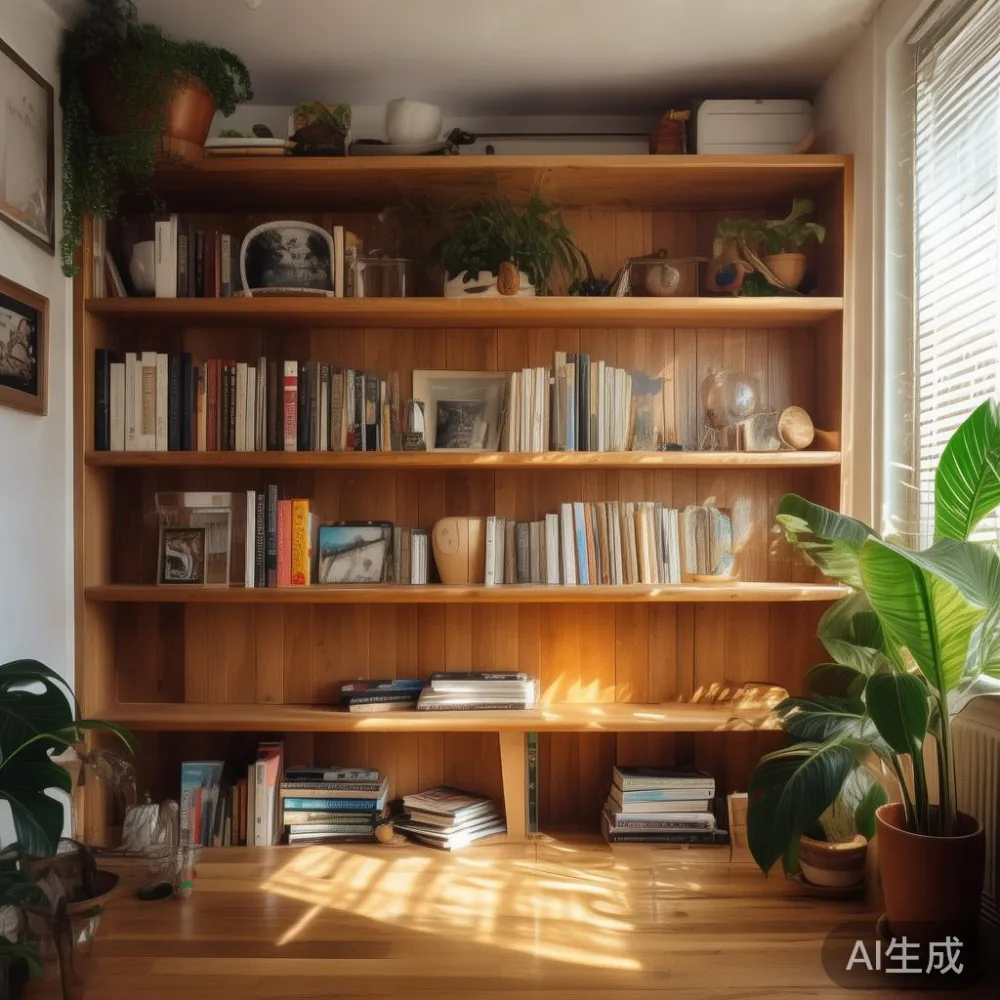
Understanding Singapore's Humidity: More Than Just a Feeling
To understand the effect on furniture, one must first understand the environment. Singapore's humidity is not a fleeting afternoon shower; it is a constant, pervasive presence. The Singapore Meteorological Service records average relative humidity levels between 82% and 85% throughout the year, with peaks often exceeding 90% during the Northeast Monsoon season from November to January. This moisture is not just in the air; it seeps into our homes through open windows, balcony doors, and even the concrete structures of our HDB flats. For example, a typical HDB flat in Tampines or Bedok might have a living room area of 30 square meters. If the relative humidity is 85%, that room contains approximately 7.65 kilograms of water vapor in the air at any given time. This constant moisture is absorbed by hygroscopic materials like wood, leading to a continuous cycle of expansion and contraction.
The Science of Wood and Moisture: A Constant Battle
Wood is a natural, organic material. Its cellular structure is designed to absorb and release moisture from the surrounding air in an attempt to reach a state of equilibrium with its environment. This process, known as hygroscopicity, is the root cause of the problems humidity creates. When the relative humidity rises, wood absorbs water, causing its cells to swell. This results in the entire piece of furniture expanding. Conversely, when humidity drops, wood releases moisture and contracts. This natural movement is manageable in small, well-made items but becomes a major challenge for large, complex structures like a bookshelf.
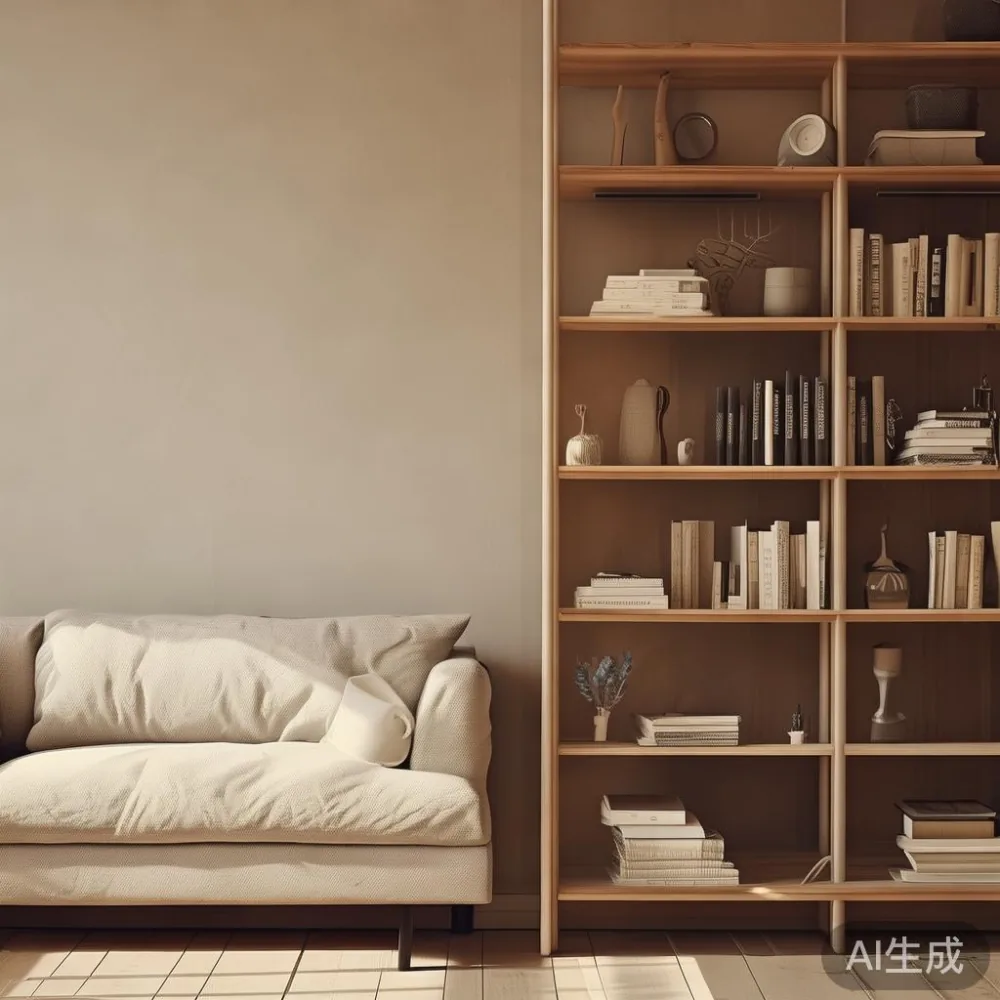
The consequences of this movement are not always immediately apparent. A bookshelf might look fine for the first year, but as the seasons change, the stress begins to show. The most common issues include:
- Warping and Cupping: The shelves themselves, particularly wide ones over 60 cm, may begin to bow upwards in the center (cupping) or twist along their length (warping). This happens because the top surface of the shelf absorbs moisture faster than the bottom, causing uneven expansion.
- Cracking and Splitting: As the wood expands and contracts repeatedly, the stress can exceed the wood's tensile strength, leading to cracks. These often appear at the joints or along the grain of the wood. A bookshelf made from a single, solid plank is far more susceptible to this than one made from multiple, narrower boards that can move independently.
- Joint Failure: The glue used in joints can weaken when exposed to high humidity and moisture. A dovetail joint or a mortise-and-tenon joint that was once rock-solid can become loose, causing drawers to stick or shelves to sag. The movement can also cause screws to loosen, compromising the entire structure.
- Staining and Mold: High humidity creates a perfect breeding ground for mold and mildew. This can lead to unsightly black stains on the wood's surface and, in severe cases, cause the wood to rot and decay from the inside out.
Bookshelves in Singaporean Homes: A Vulnerable Piece
Consider the common bookshelf in a Singaporean condo. It's often placed in a living room corner, near a window or balcony, making it a frontline soldier in the battle against humidity. A standard 5-tier bookshelf from a local furniture store might be priced at around SGD 800. It might look elegant initially, but after 18-24 months in a humid environment like a Punggol HDB flat, the signs of distress become visible. The shelves, made from inexpensive solid wood that hasn't been properly kiln-dried, may have warped by as much as 5mm, causing books to wobble. The vertical supports might have developed fine cracks, and the finish could look dull and cloudy. This isn't a reflection of poor housekeeping but a direct result of the furniture not being engineered for the local climate.
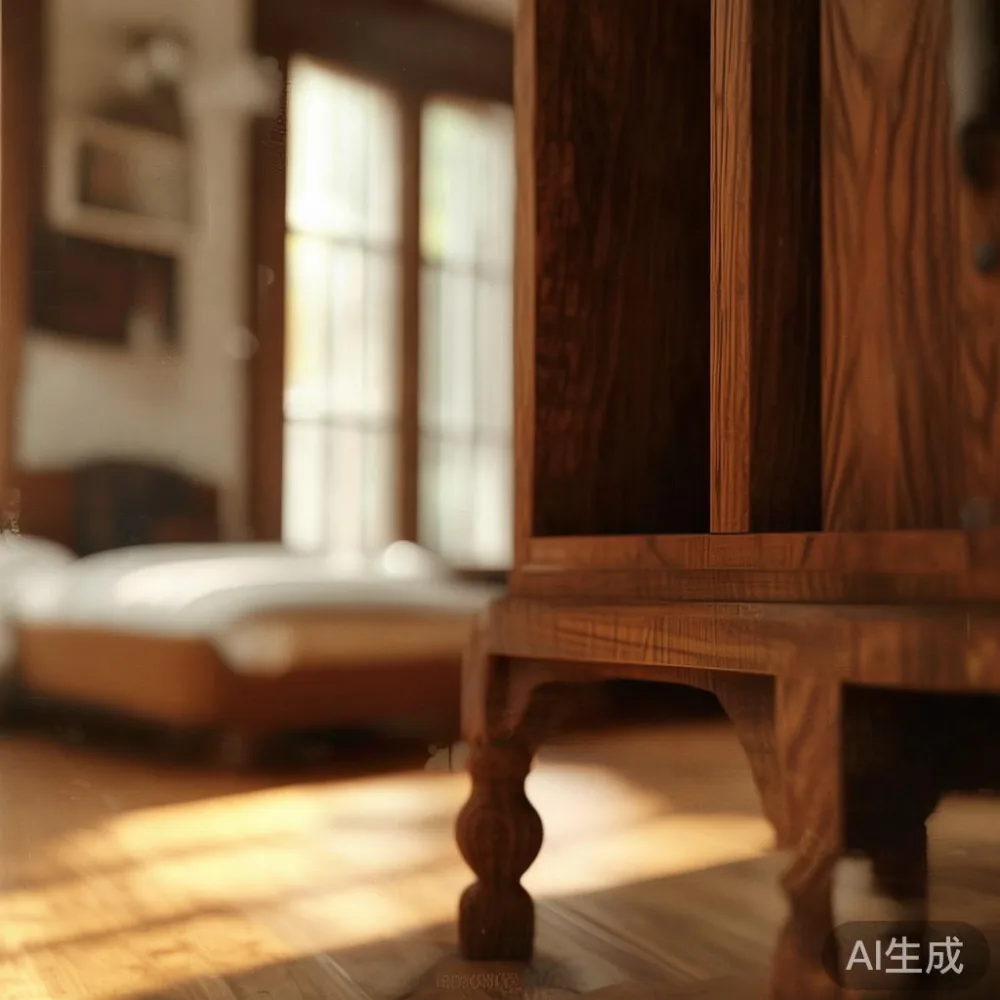
How to Choose a Humidity-Resistant Bookshelf: Key Considerations
Protecting your investment in a bookshelf requires a shift in focus from purely aesthetic considerations to material science and construction quality. Here are the critical factors to look for:
1. The Wood: Kiln-Dried is Non-Negotiable
The single most important factor is whether the wood has been properly kiln-dried. Kiln-drying is a process where wood is placed in a special chamber and its moisture content is reduced to a specific level, typically between 6% and 8%. This is significantly lower than the average moisture content in Singapore's air (around 12-15%). By pre-drying the wood to a stable state, manufacturers minimize the amount of moisture the wood will absorb after it's in your home, thus reducing expansion and contraction. Always ask the retailer or manufacturer about the moisture content of their wood. A reputable brand will be transparent about this process.
2. Construction: How the Pieces Fit Together
The way a bookshelf is assembled is just as important as the wood it's made from. Look for construction methods that accommodate the natural movement of wood:
- Frame and Panel Construction: This is a traditional and highly effective method. Instead of using large, solid panels for the back or sides, the frame is constructed with a groove into which a smaller, floating panel is inserted. This allows the panel to expand and contract without cracking the frame.
- Slotted Shelf Supports:
- Corner Blocks and Dowels: While screws and nails are used, internal corner blocks joined with strong wood glue and dowels provide superior strength and stability, especially at stress points.
3. Finish: The Protective Barrier
A high-quality finish acts as a shield, protecting the wood from direct moisture absorption. There are two main types:
- Penetrating Oils (like Tung or Linseed Oil): These soak into the wood pores, providing a natural, matte look. They offer good protection but require regular reapplication, typically every 6-12 months, to maintain the barrier.
- Build-up Finishes (like Lacquer, Varnish, or Polyurethane): These finishes form a hard, protective film on the wood's surface. They are generally more durable and water-resistant than penetrating oils, making them an excellent choice for high-humidity environments. A bookshelf with a 7-coat lacquer finish, for example, will have a deep, lustrous appearance and a solid protective layer.
Is a Solid Wood Bookshelf Really Worth the Higher Price?
This is a question many Singaporean homeowners ask when comparing a solid wood bookshelf priced at SGD 2,500 to a veneered or particleboard alternative at SGD 600. The answer lies in long-term value and peace of mind. While the initial cost is higher, a well-made solid wood bookshelf is an investment that can last for decades. It can be refinished multiple times to restore its original beauty, a service offered by some manufacturers for the lifetime of the product. In contrast, a cheaper particleboard bookshelf that warps or delaminates after 3 years is a complete loss. The mathematics of longevity often favor the higher-quality, more expensive option, especially when you factor in the cost of replacing it every few years. This is the principle behind the Modern light luxury for hotel aesthetic, where durability and timeless design are paramount.
MIDHILL: Engineering for the Climate
Founded in Foshan in 2008, MIDHILL has built a reputation for exporting solid wood furniture to over 15 countries, a proof of their understanding of diverse environmental challenges. Their approach to humidity is not about fighting nature but working with it through meticulous engineering. Their bookshelves, for example, are crafted from solid oak, mango, or acacia wood that has been kiln-dried to a moisture content of 7-8%, ensuring stability in Singapore's climate. The construction uses mortise-and-tenon joints for the frame and a slotted system for shelves, allowing for natural movement without compromising structural integrity. The finish is a 7-layer UV-cured lacquer that provides a deep, protective sheen. This combination of materials and techniques means a MIDHILL bookshelf is designed to resist the warping and cracking that plagues lesser-quality furniture. Their commitment is backed by a 10-year structural warranty and a lifetime refinishing service, offering unparalleled peace of mind for Singaporean homeowners.
A Practical Comparison: Bookshelf Features and Considerations
To make an informed decision, it's helpful to compare the features of different types of bookshelves available in the market. The table below breaks down the key aspects:
| Feature | Engineered Wood / Veneer Bookshelf | Mass-Market Solid Wood Bookshelf | Premium Solid Wood Bookshelf (e.g., MIDHILL) |
|---|---|---|---|
| Price (SGD) | 300 - 800 | 1,200 - 2,000 | 2,500 - 4,500 |
| Wood Type | Particleboard or MDF with a thin wood veneer. | Often solid wood but may be lower grade (e.g., rubberwood) with inconsistent kiln-drying. | High-grade solid wood (e.g., oak, mango) with precise kiln-drying. |
| Construction | Nails, staples, and cam locks. Joints are often simple butt joints. | Screws and glue. May use some traditional joints but with less precision. | Mortise-and-tenon, dowels, and corner blocks. Slotted shelf supports. |
| Finish | Thin, sprayed-on lacquer or laminate. Prone to peeling. | Standard lacquer finish. May offer decent initial protection. | Multi-layer, UV-cured lacquer or penetrating oil finish. Highly durable. |
| Lifespan | 3-7 years. Prone to sagging, warping, and delamination. | 7-15 years. May show signs of wear and movement over time. | 20+ years. Can be refinished for a lifetime of use. |
| Warranty | 1-2 years, often limited to manufacturing defects. | 3-5 years structural warranty. | 10-year structural warranty, lifetime refinishing service. |
Real-World Experience: A Test of Durability
Last month, I visited a colleague in her Bedok condominium to help her rearrange her living room. She had purchased a 4-tier solid wood bookshelf from a well-known local brand a year prior. The bookshelf, priced at SGD 1,500, was placed in her living room, about 2 meters from a balcony that is often left open for ventilation. When we moved it, we immediately noticed the problems. The shelves, which are 80 cm wide, had a distinct upward cup of about 3mm in the center. The vertical supports had fine, hairline cracks, and the back panel, which was a single large piece, had warped slightly, causing the entire unit to be slightly out of square. My colleague was disappointed, as she had specifically chosen a 'solid wood' piece expecting better quality. This experience underscored that not all 'solid wood' furniture is created equal, and the construction and finishing details are what separate a durable piece from one that will suffer in our climate. It also highlighted why a customer might seek out the best Vintage bed for 2026 or a light luxury with storage solution from a brand known for its meticulous craftsmanship.
Integrating Your Bookshelf with Other Light Luxury Furniture
A bookshelf is rarely a standalone piece; it's part of a larger home furnishing ecosystem. For those pursuing a light luxury aesthetic, the harmony between pieces is key. A European light luxury with storage wardrobe, for example, shares the same material and construction principles as a humidity-resistant bookshelf. The clean lines, natural wood grains, and minimalist forms create a cohesive and sophisticated look. When selecting furniture, consider how the bookshelf will complement other items. The best Scandinavian sofa for 2026, with its emphasis on natural materials and functional design, pairs beautifully with a solid oak bookshelf. Similarly, a marble table in the dining area, with its cool, stable surface, provides a nice textural contrast to the warmth of the wood. This coordinated approach ensures that your entire home is not only stylish but also built to withstand the unique environmental conditions of Singapore, creating a space that is both beautiful and resilient.
Under $2000 Rustic Furniture: A Viable Alternative?
The search for quality furniture on a budget is a common challenge. The category of under 2000 Rustic furniture can offer compelling options. A rustic-style bookshelf made from reclaimed or solid mango wood can be an excellent choice. Mango wood is known for its durability and attractive grain patterns. A well-constructed mango wood bookshelf from a reputable source can offer the stability and character of solid wood at a more accessible price point, often falling under the SGD 2,000 mark. The key, as always, is to verify the construction details. Ensure it's made from solid mango wood, not mango veneer over a cheaper core, and that it has a proper finish to protect against humidity. This can be a smart way to achieve the desired aesthetic without compromising on quality, proving that you don't always need to spend a fortune to get a piece that will last.
Final Thoughts: An Investment in Your Home
Choosing a bookshelf in Singapore is more than just a purchase; it's an investment in your home's environment and your personal comfort. The high humidity is a constant reality, but with the right knowledge, you can select furniture that not only survives but thrives in these conditions. By prioritizing kiln-dried wood, thoughtful construction, and a high-quality finish, you can protect your bookshelf from the warping, cracking, and staining that plagues lesser pieces. Brands like MIDHILL exemplify this philosophy, offering pieces that are engineered for longevity. A MIDHILL sofa or dining table is built with the same principles, ensuring that your entire collection of furniture remains stable and beautiful for years to come. Ultimately, a well-chosen bookshelf is more than just storage; it's a statement of quality and a reflection of a home that is built to last.