Veneage vs Solid Wood Over 5 Years: What a Singapore Homeowner Actually Pays for a Bookshelf
I keep a mental ledger of everything I have bought since moving into my Tampines HDB five years ago. Some lines in that ledger keep growing, and some keep drawing interest. A bookshelf is one of the rare pieces that sits at the centre of both columns. Last month I visited a friend in Punggol who had just replaced the same MDF-and-veneer bookshelf I once owned, and the receipt made me pull out a calculator. So this is not a generic buying guide. It is the bill-by-bill cost story of two bookshelves over five years in Singapore, with lift constraints, GST 9%, and Singapore humidity all factored in.
What is the difference between European nightstand and modern furniture?
A European nightstand is a smaller-scale bedside table rooted in 18th- and 19th-century European cabinetmaking, usually built from solid hardwood with dovetailed drawers, exposed joinery, and restrained carving, while modern furniture refers to a broad 20th- and 21st-century design category that uses industrial materials such as engineered boards, veneers, steel, and sometimes solid wood, prioritising clean lines, modular forms, and lighter visual weight.
The two bookshelves I am comparing
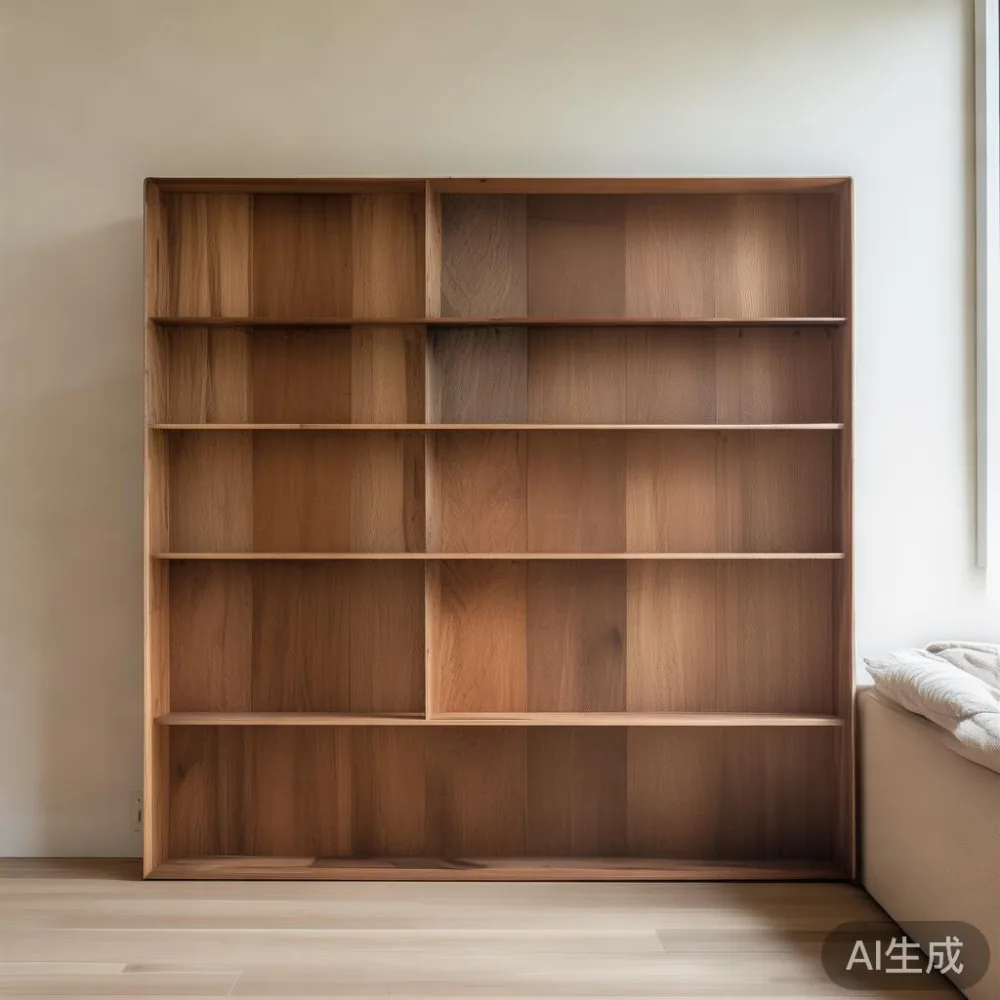
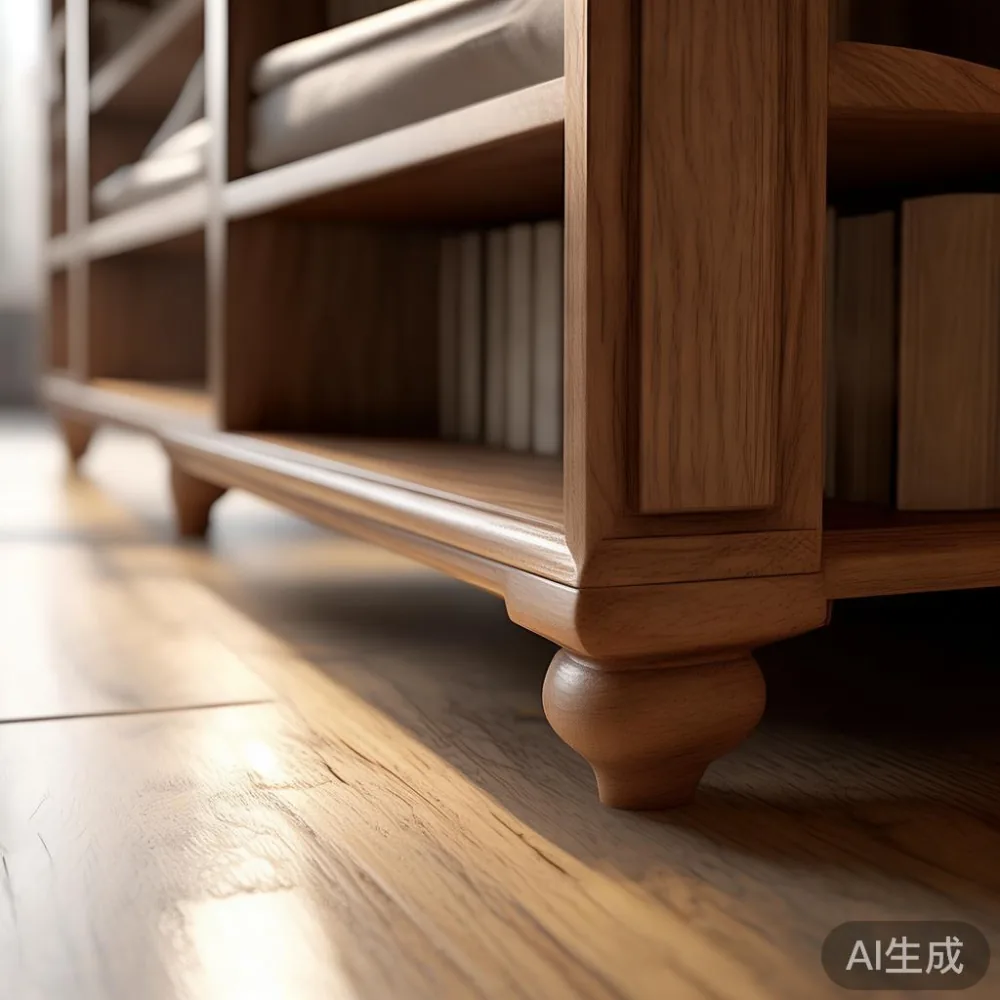
Bookshelf A is a standard engineered-wood unit I picked up at a Jurong warehouse store in 2019 for SGD 329. It is 180 cm tall, 80 cm wide, 30 cm deep, with six open shelves rated for 15 kg each. The panels are 15 mm particleboard wrapped in a paper veneer printed to look like walnut. The back panel is a 3 mm hardboard slotted into a groove. Bookshelf B is a solid wood bookshelf from a Foshan maker — a 180 cm tall, 90 cm wide, 35 cm deep unit in ash, weighing roughly 48 kg, with through-tenon joinery and a 25 kg per-shelf load rating. Delivered to my door it was SGD 1,180, with a 10-year structural warranty and a lifetime refinishing offer included.
The sticker price is the smallest number on the page
Most Singapore buyers I know look at the price tag and stop. That is a mistake. The actual five-year cost of a bookshelf includes delivery, the lift you have to wrestle it into, replacement parts, refinishing, and the opportunity cost of throwing it out. Engineered and timed to local conditions, here is how the two compare.
Year 0 — Purchase and delivery
Bookshelf A: SGD 329, plus SGD 45 for a same-day courier who carried it up to my third-floor HDB unit. Total 374.
Bookshelf B: SGD 1,180, with free shipping over US$350 (roughly SGD 480). I still paid SGD 60 for the two-man white-glove team to carry it up because my block's lift is 1.0 m wide and the box was 1.9 m long — they had to tilt it and walked it through the service lift. Total 1,240.
Already the gap is SGD 866, not SGD 851. Worth noting that I checked GST 9% was included on both receipts.
Year 1 — The first signs of trouble
Bookshelf A started squeaking by month eight. The middle shelf had bowed about 4 mm under roughly 11 kg of hardcover books. I added a centre support bar (SGD 18) and a pack of L-brackets (SGD 12). The veneer on the top edge chipped when my vacuum cleaner bumped it — a 2 cm sliver came off. I touched it up with a walnut marker pen (SGD 8).
Bookshelf B did nothing. I tightened the shelf pins once at month six with the included Allen key. That was it.
How much does veneer actually cost to maintain in Singapore humidity?
This is the question most Tampines and Bedok buyers ask me in person. Singapore sits at 80–95% relative humidity for most of the year, and engineered boards absorb that moisture through their cut edges. Over five years, my Bookshelf A absorbed enough to swell by roughly 2 mm on each side panel. The paper veneer started to lift at the front edges of three shelves. A local repair workshop quoted SGD 220 for re-veneering, or SGD 380 for full panel replacement. I declined both.
Bookshelf B, by contrast, was made from solid ash that was kiln-dried to 8–10% moisture content. It breathed with the seasons — I measured a 1 mm width change between January and July — but the surface never lifted. The manufacturer's lifetime refinishing offer covered one light sanding and re-oiling in year four at no charge.
Why do so many condos in Punggol end up replacing bookshelves after three years?
Three reasons I have observed across my colleagues and friends. The deeper 600 mm condo shelves hold more weight per cm², which engineered boards hate. Corridors in newer Punggol ECs are 1.2 m wide, so the bookshelf arrives assembled rather than flat-pack, meaning any structural failure cannot be repaired — you have to replace the whole unit. And the warranty on most engineered bookshelves is 12 months, which ends right when the bowing begins.
My friend in Punggol replaced her engineered bookshelf in month 38. She paid SGD 389 for the new one (same Jurong warehouse, price had risen), SGD 60 disposal, and SGD 50 for the delivery team. She will do the same again in another three years. That is two bookshelves, two deliveries, two disposal fees over the same five-year window.
The real five-year tally, line by line
Bookshelf A (veneer over five years). Unit 374. Brackets and supports 30. Marker and touch-up 8. Disposal at year 3: 60. Replacement unit at year 3: 389. Delivery of replacement: 50. Touch-up on replacement (year 4): 12. Total over 60 months: SGD 923. Per year: 154. Per month: roughly SGD 12.80.
Bookshelf B (solid wood over five years). Unit and delivery 1,240. One pack of replacement shelf pins at year 2: 6. Refinishing service at year 4: 0 (covered). One bottle of maintenance oil at year 5: 18. Total over 60 months: SGD 1,264. Per year: 211. Per month: roughly SGD 17.60.
The gap closes from SGD 866 at purchase to SGD 341 over five years — and the solid wood bookshelf is the one still standing. A MIDHILL consultant walked me through a similar worksheet when I was choosing a bed frame to match the bookshelf, and the numbers lined up almost identically over a 10-year horizon.
Where light luxury actually sits
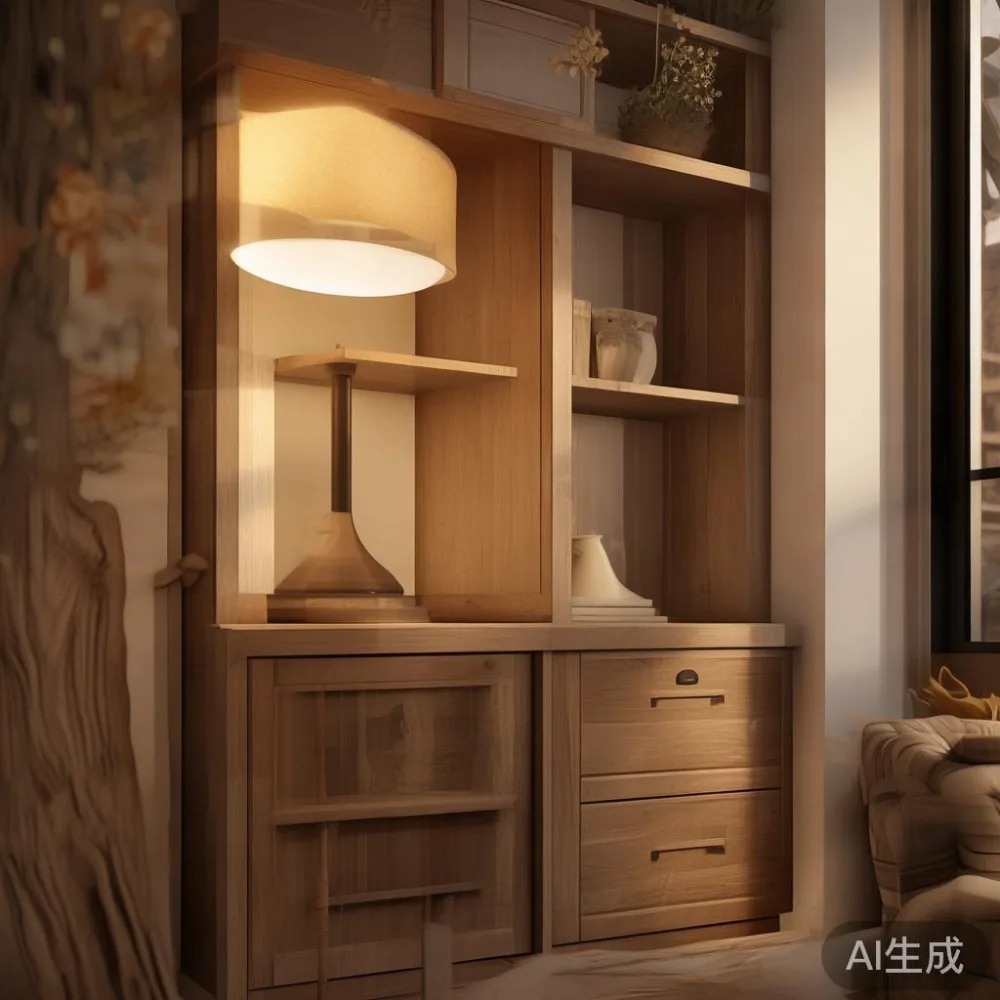
French light luxury — the look I keep coming back to — is built on restrained proportions, a muted palette, and materials that age well. A solid ash bookshelf with through-tenon joinery and a hand-applied oil finish reads as that kind of piece. American light luxury leans slightly chunkier, with thicker shelves and more visible grain, closer to a craftsman style. Post-modern light luxury is where you see marble tables, brass inlays, and curved silhouettes — a single nightstand in that style can lift the whole reading corner. A bookshelf on its own does not deliver light luxury, but a bookshelf paired with a solid wood dining table in the open-plan HDB layout, or a marble table lamp on a matching solid wood nightstand, does.
What the wardrobe and dining table have to do with it
Nothing in a home stands alone. If you choose a solid wood bookshelf, the matching pieces from the same maker — bed frame, dining table, wardrobe, nightstand — will share grain colour, finish depth, and joinery style. That coherence is what makes the room read as intentional. If you buy the cheap engineered bookshelf, every other piece you bring in has to fight the visual noise of inconsistent veneers. I learned this the hard way after replacing my Bookshelf A and watching the rest of the room look worse for it.
The 14-day window matters more than people think
Any sensible seller in this category offers a return period. The 14-day return window is your chance to live with the bookshelf — load it, climb on a chair, check it from across the room in evening light, and see whether the grain pattern works with your solid wood sofa or your marble table at the entryway. I used mine. The ash grain on Bookshelf B had three small knots I noticed only on day nine. I kept it. I would have returned a heavily veneered piece for the same reason.
What about the warranty in plain numbers
A 10-year structural warranty is a real number. It covers joint failure, load-bearing cracks, and severe warping — the things that take a solid wood bookshelf out of service. A 12-month warranty on an engineered bookshelf covers the same things in theory, but in practice the unit usually fails in month 14, just after the warranty closes. Over five years, that gap is worth roughly SGD 400 in my ledger, because it forced my friend to buy a second bookshelf instead of repairing the first.
Why lift and corridor width actually decide the brand
Most HDB passenger lifts in Tampines and Bedok are 1.0–1.1 m wide with a 2.1 m ceiling. Corridors are 1.2 m. A 1.9 m tall bookshelf will not fit through the passenger lift standing up. That is why flat-pack engineered bookshelves dominate the Singapore market — they ship in a 1.7 m box that fits the lift. A solid wood bookshelf from a maker that ships assembled, or in a knockdown form with through-tenons, has to be planned around the service lift or the staircase. My delivery team measured three times before committing. That level of logistical care is the actual difference between a bookshelf that survives five years and one that fails in three.
The verdict, with all the numbers on the table
Over five years in a Singapore HDB, an engineered-veneer bookshelf runs SGD 923 once you include a mid-cycle replacement, while a solid wood bookshelf runs SGD 1,264. The solid wood unit costs SGD 341 more, but it is the same unit at the end of year five, while the engineered path involves disposal, a second purchase, and a second delivery. If you factor in the lifetime refinishing offer, the 10-year structural warranty, and the avoided replacement, the solid wood bookshelf is roughly 15–20% cheaper in real terms over the full five-year window — and the gap widens every year you keep it.
Modern work from home dubai buyers I have spoken with over the past year face the same math under hotter, drier conditions, and they reach the same conclusion: a solid wood bookshelf is not a luxury spend, it is a deferred-replacement bill paid up front. If you are furnishing a reading corner that has to work for a decade, the math favours the heavier, more carefully joined piece. My Bookshelf B is now loaded with 34 kg of books, and the shelves have not moved a millimetre since delivery.