How to Choose the Right-Sized Bookshelf for a Singapore HDB Living Room
A Singapore HDB living room rarely has one generous wall. The television takes priority, the dining table needs breathing room, and the corridor between the entrance and bedroom often doubles as the route for bags, shoes, and household deliveries. A bookshelf therefore has to earn its footprint rather than simply fill a wall. The right size improves circulation, controls visual clutter, and gives books, plants, and objects a calm place to sit.
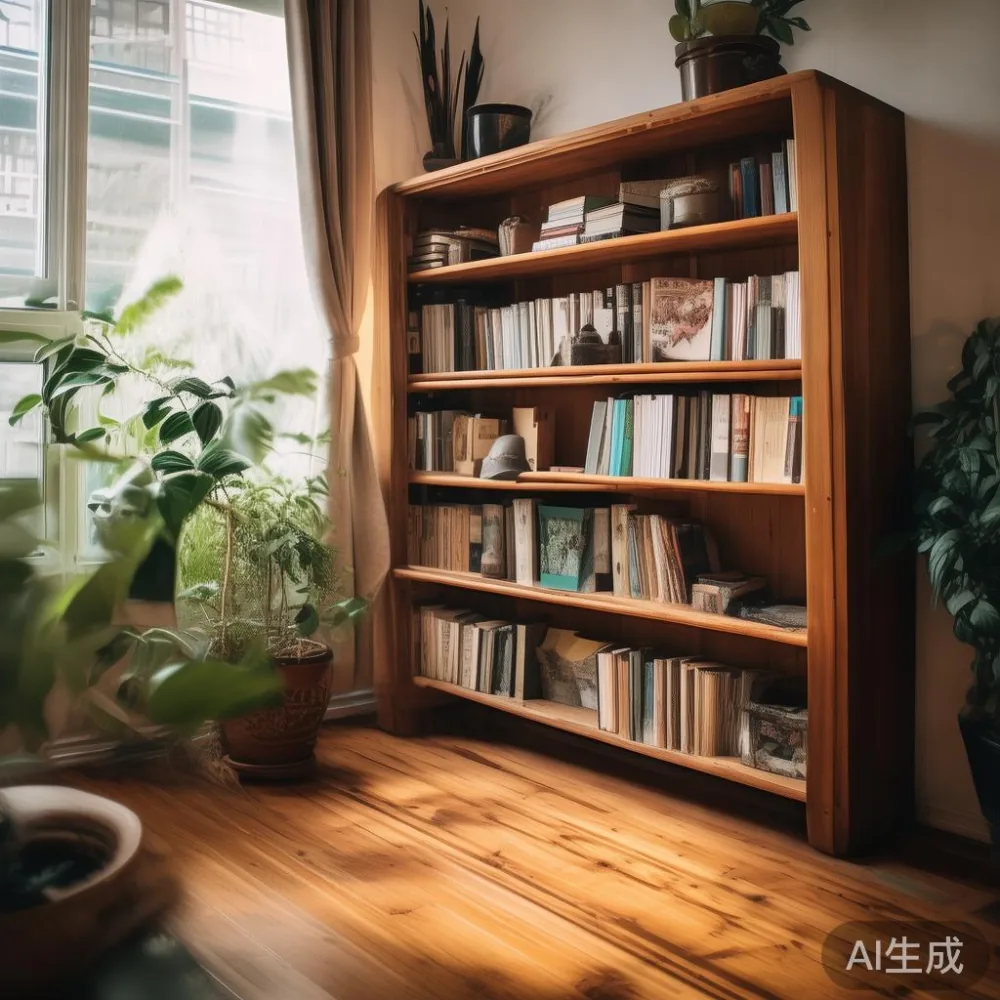
For residents in Tampines, Bedok, and Punggol, the planning starts with measurements rather than style. Measure the available wall, the ceiling, and the narrowest point along the delivery route. A 90 cm bookshelf may look modest in a room listing, yet it can be awkward to manoeuvre through an 80 cm HDB corridor or around a tight lift corner. Solid wood also adds weight: expect approximately 35–70 kg for a 180 cm tall unit, depending on the design and shelf thickness.
MIDHILL makes solid wood furniture for homes where proportions matter and long-term use matters. Established in 2008 and exporting to more than 15 countries, the company provides a 10-year structural warranty, lifetime refinishing, 14-day returns, and free shipping on orders above US$350, equivalent to roughly SGD470 before local taxes. Those practical details do not determine the dimensions, but they are useful when comparing a bookshelf with other furniture.
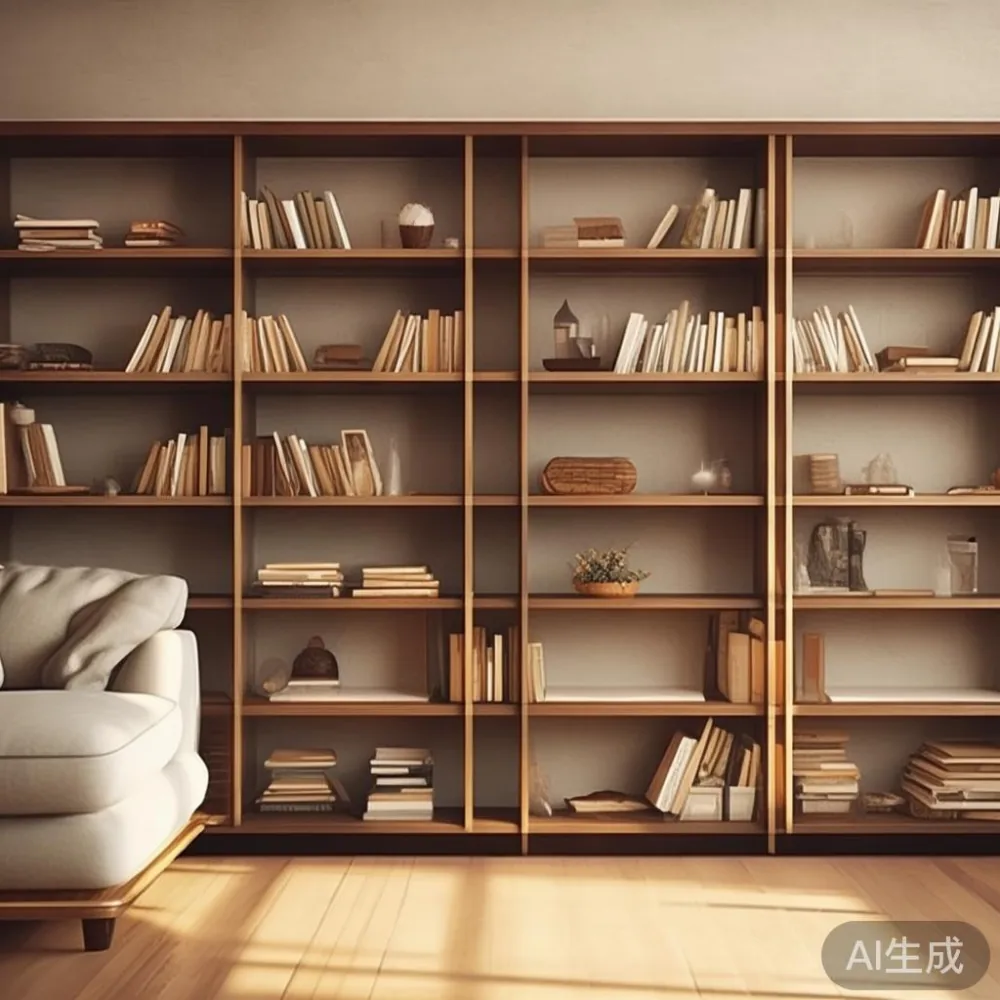
What size bookshelf fits a typical Singapore HDB living room?
Start with the usable wall rather than the total wall. A living room measuring 4.2 m by 3.6 m may include a 2.7 m TV wall, a 1.2 m dining zone, and a 0.9 m passage. If the bookshelf must share a wall with a solid wood sofa or marble table, leave 10–15 cm of visual space around tall pieces so the room does not feel compressed.
For a small 3.2 m by 3.0 m living room, a bookshelf 80–100 cm wide and 160–180 cm tall is usually manageable. A medium room of 3.8 m by 3.4 m can support a 120–150 cm unit. In a 4.5 m by 3.8 m room, a 160–180 cm bookshelf can become the main vertical feature, provided the furniture remains at least 75 cm from the main traffic route. These are planning ranges, not fixed rules; the actual doorway and lift measurements still decide what can enter the home.
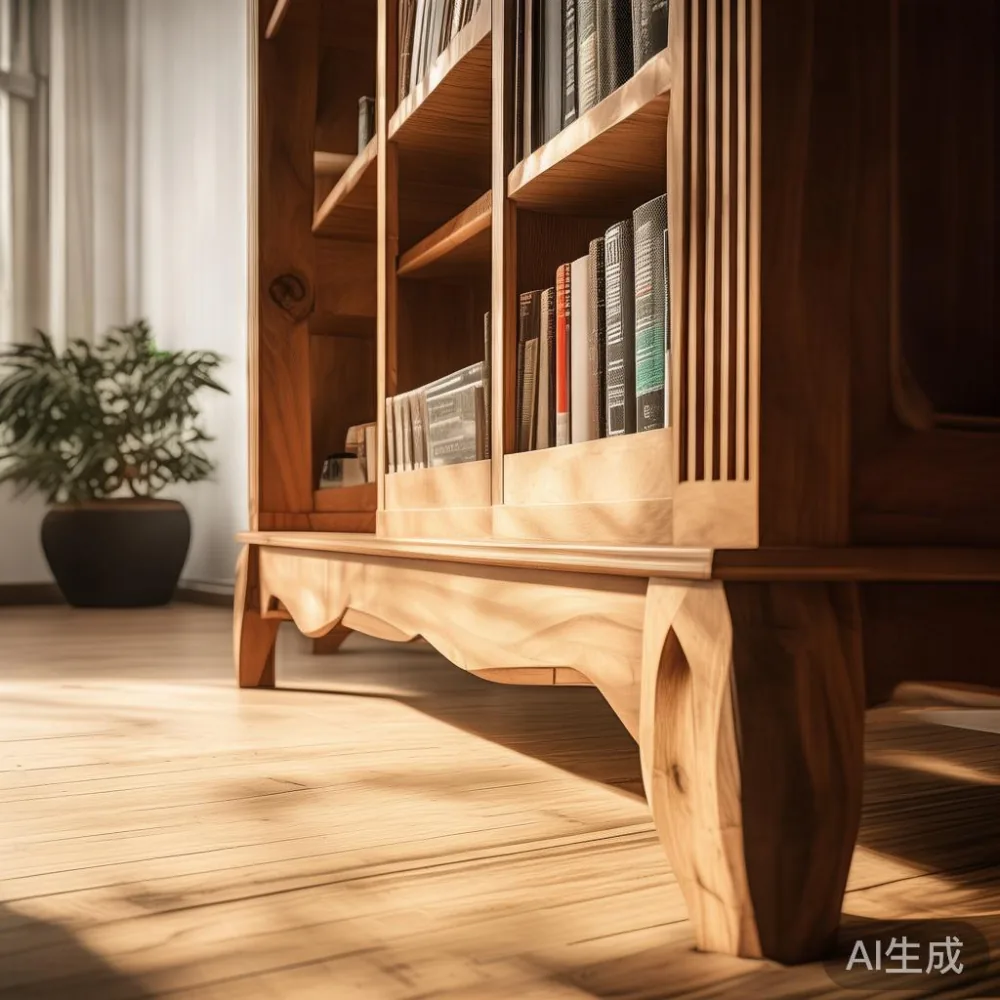
Measure the space in 3 levels: width at the wall, height from floor to ceiling, and depth of usable floor. Leave 5–8 cm above a tall bookshelf if the top will hold framed art. For a ceiling at 240 cm, a bookshelf around 180–200 cm high creates a lighter composition than one placed directly below a 240 cm ceiling. For a 260 cm ceiling, a 200–220 cm unit can still leave visual breathing room.
Bookshelf depth should match the books and the wall. Paperbacks generally need 20–24 cm, hardcovers 28–32 cm, and large art books 35–40 cm. A 28–30 cm deep model works for most mixed collections. A 20–22 cm shallow unit is better for a narrow wall or a display arrangement with plants and framed prints, although it may not accept oversized books.
How do I measure my HDB home for delivery and installation?
Ask the building manager for the lift dimensions and note the lift door width. A common HDB lift interior may measure roughly 130–160 cm wide and 110–140 cm deep, but older blocks differ. Measure the diagonal of the lift car and the doorway, not just the front width. A bookshelf 120 cm wide and 35 cm deep may fit through an 80 cm door if angled, yet a rigid 180 cm wide unit may not.
Also inspect the route from the parking area to the flat. Note handrails, thresholds, corners, and the clear width between the corridor wall and opposite units. Leave at least 5 cm of clearance when turning a loaded trolley. For delivery, reserve a 1.5 m by 1.5 m landing area if the unit is flat-packed, or a 2.0 m by 0.8 m area for an assembled cabinet. Clear the route 24 hours before the delivery date.
My colleague in Singapore delivered a 120 cm solid wood bookshelf to a Bedok flat last month. The lift was wide enough, but a shoe rack forced the route to narrow to 71 cm. The bookshelf therefore travelled on its side with the shelves protected by 2 cm foam pads. The measurement took 8 minutes and prevented a damaged unit from blocking the corridor for 2 hours. This is exactly why the measurement process belongs before checkout.
Check the weight too. A 120 cm bookshelf may weigh 28–45 kg, while a 180 cm model can reach 55–70 kg. One person should not carry it up three flights. Book delivery for a day when at least 2 people and a trolley are available. Singapore’s high humidity can also cause untreated timber to swell slightly, so confirm that the maker uses properly finished solid wood and provides guidance for indoor care.
Should I choose a tall bookshelf or a low one for an HDB flat?
A tall bookshelf uses less floor area and gives books a strong architectural line. It suits a wall beside the entrance to the living room, a dining area, or a compact flat where vertical space is the most valuable resource. A low bookshelf works better below a window, beside a solid wood sofa, or opposite the main door where a tall unit would interrupt movement.
Use these practical limits: keep a low bookshelf below 90–110 cm if placed beneath a window, maintain at least 75 cm between the unit and a sofa, and allow 90 cm for a main circulation path. Avoid pushing a 200 cm bookshelf directly into a narrow walkway. The result can look attractive in a showroom yet feel like an obstacle every day.
Consider reach and stability. Books that are used weekly should sit between 70 cm and 160 cm from the floor. Reserve the highest shelf for lightweight objects and occasional volumes. If children or older adults use the room, place frequently handled books between 60 cm and 140 cm. For a unit above 180 cm, wall anchoring is sensible; ask the supplier whether anti-tip fittings are included.
Visual balance matters as well. In a living room dominated by a solid wood sofa and marble table, a light oak or ash bookshelf can keep the palette warm without creating a heavy block. If the sofa is upholstered in cream and the room has warm white walls, pale timber suits French light luxury more naturally than very dark walnut. American light luxury often works with stronger symmetry, while post-modern light luxury can pair a rectilinear shelf with curved objects and contrasting ceramics.
How many shelves and how much load should I allow?
Count the actual books before deciding on shelf spacing. Divide the total shelf length by the average number of books that fit on each shelf. A 100 cm shelf can hold about 25–35 standard paperbacks, or 18–24 hardcovers, depending on their size. A 150 cm shelf may hold 35–50 paperbacks. Dividing the books into practical groups, then adding 10% space, gives a more useful calculation than relying on generic capacity claims.
For mixed books and decorative objects, choose adjustable shelves at 25–30 cm intervals. Fixed shelves may look cleaner but are less adaptable. A solid wood bookshelf should also be checked for load ratings, especially in a family home with textbooks, vinyl records, or collectible editions. A shelf carrying 25 kg should not be treated as a place for 60 kg of records. Ask for the rated load per shelf and the maximum recommended total load.
Plan the load from the bottom upward. Put large books on lower shelves, group hardcovers in the middle, and leave the upper shelves for lighter items. Keep the centre of gravity low. If the unit is 180 cm tall, avoid placing a heavy plant on its top; use a separate stand within 30 cm of the shelf instead.
Shelf thickness influences both appearance and capacity. A 20–22 mm solid wood shelf looks substantial and resists sagging, while an 18–20 mm shelf can suit lighter collections. Mid-range Singapore pricing for a well-finished 120 cm solid wood bookshelf commonly falls around SGD480–SGD1,200. A wider 180 cm unit may range from SGD1,100–SGD2,200. Compare the timber, finish, joinery, wall fixing, and warranty rather than price alone.
Can a bookshelf make a small living room feel larger?
Yes, if it creates an organised vertical plane rather than a bulky obstacle. A low profile in the same light tone as the floor will visually recede. A tall narrow unit can also make the ceiling appear higher when its height is close to, but not equal to, the ceiling line. Avoid covering every wall; one substantial bookshelf often gives more breathing room than several scattered display units.
Use closed storage at the bottom and open shelves above if you need to conceal cables, games, or paperwork. A 30–40 cm cabinet section can hold a router, console, or storage boxes while keeping the upper area decorative. If the living room receives strong afternoon light, choose a finish with UV resistance and avoid placing fading prints or vinyl records behind glass.
For balanced styling, add 3–5 objects rather than filling every shelf. A ceramic vessel, 2 stacked books, a small framed print, and one plant are enough for a 90 cm shelf. Keep plants at least 15 cm from the wall and use moisture-resistant saucers. The colour story should draw from the room: a marble table may call for cream, black, or soft grey; a solid wood sofa in beige works with honey oak, natural walnut, or warm white.
Other room decisions benefit from the same discipline. A guide to how to style French wardrobe in apartment can help coordinate a nearby bedroom entrance, while a compact wardrobe may need 60 cm of clear floor space and a turning radius of 90 cm. The question of is European light luxury wardrobe worth it depends on the storage layout and door clearances rather than the label. If the room also contains a bed frame, the 60 cm passage beside a queen bed may be the limiting factor, so measure that before adding a large shelf.
Search results for for sale Scandinavian furniture can be useful for comparing pale timber tones, although Singapore listings may mix solid wood with veneer or engineered board. Check every material description. Likewise, a reference to the best Post-modern sofa for 2026 should be treated as a style reference, not a substitute for checking the sofa’s depth against the bookshelf’s projection.
Which solid wood finish works with Singapore interiors?
Natural oak and light ash complement white HDB walls, beige upholstery, and warm lighting. Walnut gives a stronger contrast and suits contemporary American light luxury styling. A white-stained finish can create a French light luxury look with fewer visible timber marks. Post-modern light luxury can use pale timber with black metal details, provided the shelf remains visually calm rather than overly decorative.
Singapore’s humidity commonly ranges around 70–85% for much of the year. Keep solid wood away from direct air-conditioning vents, kitchen steam, and windows that receive rain. Wipe the surface with a damp cloth, then dry it within 10 minutes. Do not leave wet cloths overnight. Leave a 5–10 cm gap behind the bookshelf for air movement, especially near a balcony wall.
Check the joinery and finish before accepting delivery. Look for solid wood shelf panels, supportive cleats, even gaps of about 2–3 mm, and a finish that feels smooth under the palm. Ask whether the panels are kiln-dried and how the maker expects the piece to respond to seasonal movement. A 10-year structural warranty is more meaningful when the supplier explains which components it covers.
Consider the furniture ecosystem in the room. A marble table needs 90 cm around dining chairs, a solid wood sofa needs 75–90 cm from a coffee table, and a nightstand needs 45–60 cm beside a bed frame. A bookshelf should not steal those dimensions. If the living room must also work as a dining area, choose a 120 cm unit instead of 180 cm and position it on the entrance wall.
What should I check before ordering a bookshelf online?
Request the exact external dimensions, internal shelf clearance, shelf load, unit weight, finish, and packing method. Confirm that the stated dimensions include the frame rather than only the usable interior. Photograph the delivery route, lift, and final position. For online purchases in Singapore, a sample or material confirmation can prevent disappointment, especially when the wall colour and daylight are difficult to judge on a screen.
Allow 7–14 delivery days for a made-to-order or consolidated solid wood shipment, and add 2–4 days for peak production periods. Confirm who handles GST and local charges. Ask whether assembly is included and whether old packaging can be removed. A supplier that offers lifetime refinishing should also explain the process, expected turnaround of 4–8 weeks, and any restrictions on colour changes.
Buyers comparing broader interiors can browse www.midhill.co for material and finish information, but the room measurements should remain central. If the wall is only 95 cm wide, a 120 cm bookshelf will crowd the room; if the ceiling is 230 cm, a 220 cm unit will appear almost wall-to-wall. Fit should guide decoration, not the reverse.
How much space should remain around the bookshelf?
Leave 8–12 cm between the bookshelf and adjacent walls where possible, or position the unit flush when the wall is visually busy. Keep at least 60 cm clear in front of frequently used sections and 75–90 cm in the primary walking route. If the bookshelf sits opposite a dining table, preserve 90 cm for chair movement. If it is beside the television, allow 15–20 cm from the screen edge and keep cables behind a closed section.
The final test is simple. Stand in the doorway, then walk from the entrance to the balcony 3 times. Can you carry a tray, a laundry basket, or a 12-inch pizza box without turning sideways? Can children and older adults pass safely? If yes, the bookshelf is likely proportioned well.
For most Singapore HDB flats, a bookshelf 100–150 cm wide, 170–200 cm tall, and 28–32 cm deep offers a practical balance of storage, presence, and circulation. Verify the route to the lift, the shelf loading, and the colour beside the sofa before ordering. Choose the smallest unit that meets the book and display needs, and the living room will feel more open every day.