Singapore Bookshelves: Deciphering Furniture Warranties
A 10-year warranty can be genuinely useful, but the wording matters more than the number printed on the brochure. For a solid wood bookshelf in Singapore, the practical question is not simply whether defects are covered. It is whether the manufacturer understands the joints, finishes, movement, and delivery conditions that affect the actual product.

That distinction becomes important in HDB flats and condos across Tampines, Bedok, and Punggol, where furniture must pass through lifts and corridors, sit inside compact rooms, and endure humid conditions. A clear warranty should explain those realities in measurable terms, not rely on phrases such as “normal wear and tear” or “improper use” without definition.
This guide explains what to check before buying, how to document a claim, and when a long warranty may not answer the question you actually have. It also considers how design language and construction affect expectations: French light luxury, American light luxury, and post-modern light luxury can all suit a bookshelf, provided the contract defines materials and coverage precisely.
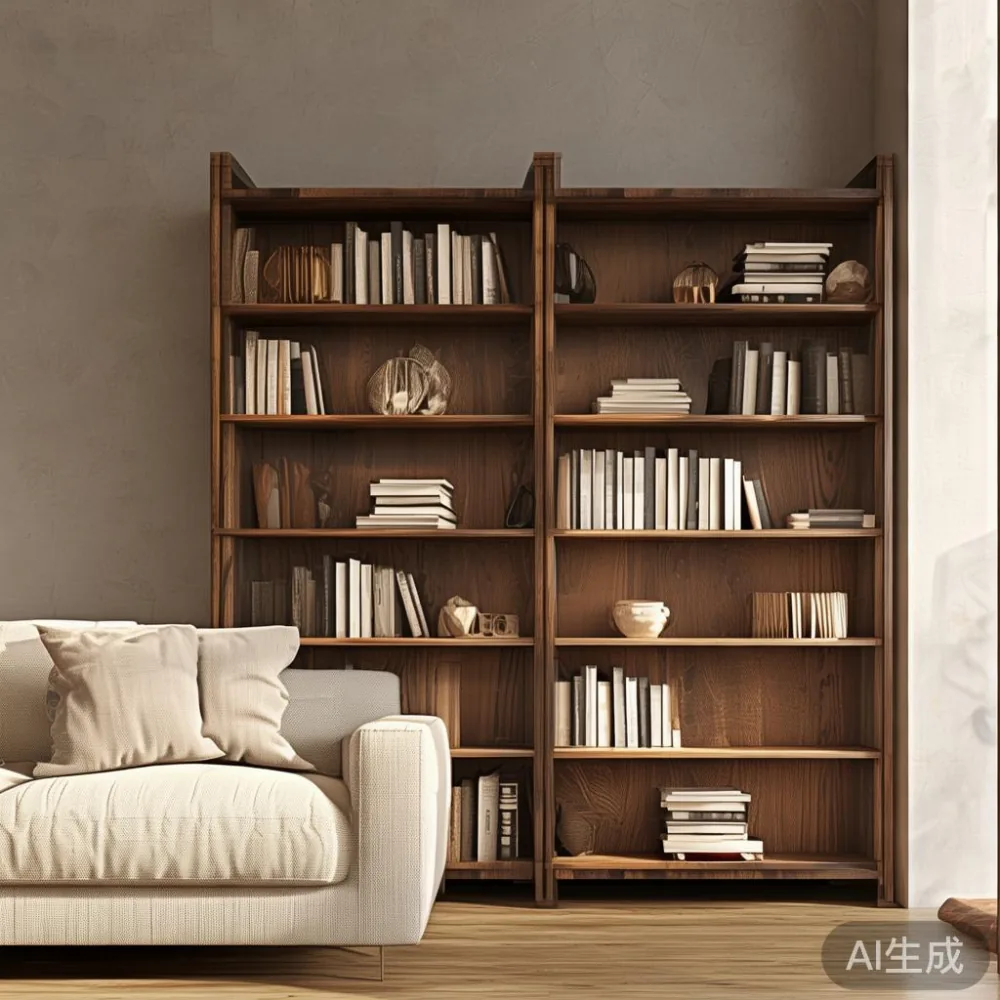
What does a 10-year structural warranty actually cover?
A structural warranty usually addresses defects in the load-bearing construction of a bookshelf: loose joints, cracked rails, splitting under intended use, or defective components. It does not necessarily cover every scratch, change in colour, or dent. The critical words are “structural,” “defect,” and “intended use,” because each limits the claim.
Check whether the warranty applies only to the main carcass or also to shelves, back panels, brackets, drawers, and hardware. For example, a pine bookshelf may have a 10-year frame warranty while its veneer-coated shelves or drawer slides are covered for only 2 years. Ask whether solid hardwood, plywood, MDF, or a combination is included, and whether replacement is limited to repair, replacement of the affected part, or a complete new bookshelf.
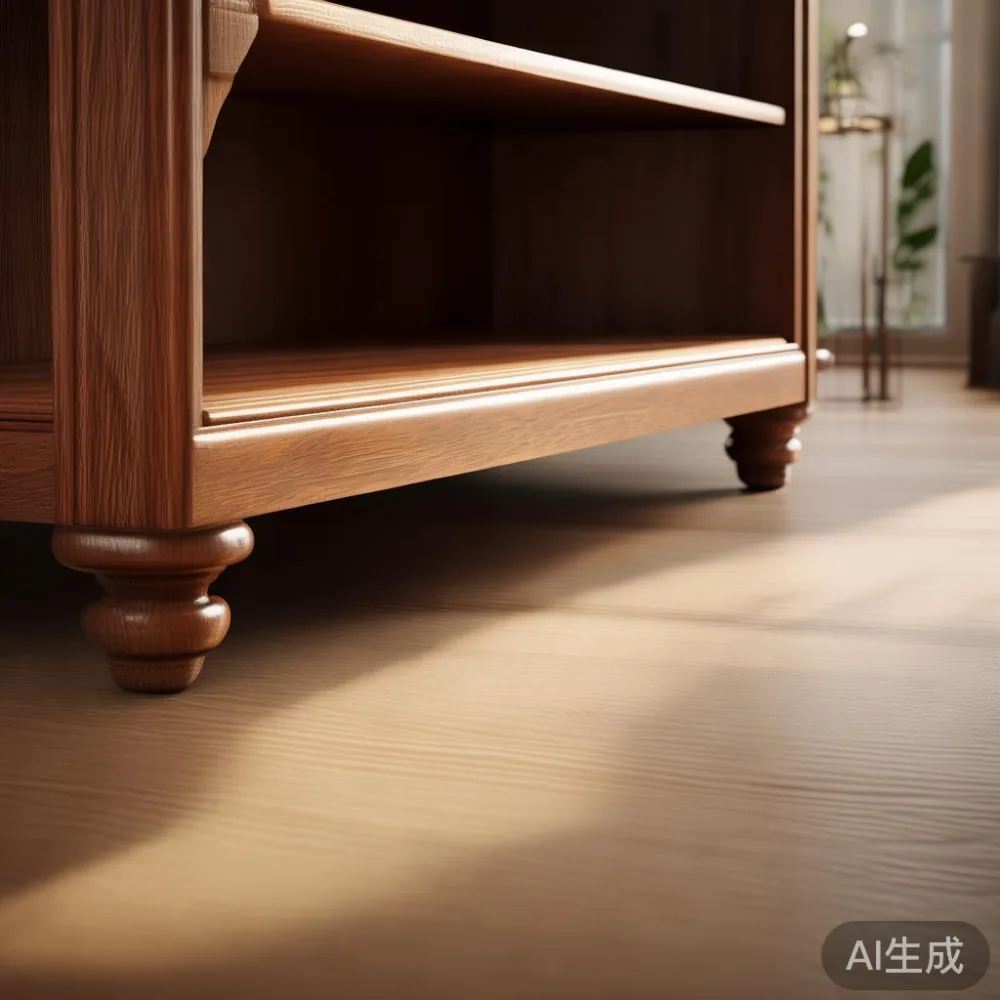
Confirm the clock. Does the 10-year period begin at purchase, delivery, or installation? Does an HDB flat move or a resale affect coverage? Is coverage transferable to the next owner, and must the original receipt, order number, and serial label be produced?
MIDHILL states a 10-year structural warranty, but purchasers should still obtain the written terms attached to their order. A sales page and a signed warranty document serve different purposes; the latter should state the duration, exclusions, claim process, and jurisdiction clearly.
What evidence should you keep for a bookshelf claim?
Keep the order confirmation, invoice, product specification, and photographs. Photograph the bookshelf before delivery and again after installation. Capture the front, sides, back, joints, shelves, fixings, and packaging. Include a ruler or tape measure beside any defect so its length is visible. If a shelf bows by 12 mm across a 90 cm span, record the span, the measurement points, and the lighting conditions.
Do not begin sanding, gluing, or tightening the item if it is unsafe. Support a shelf that has failed and avoid placing books or objects beneath it. Send the supplier 3–5 clear photographs, the purchase date, delivery date, and a short description of what changed.
Last month I visited a colleague in Bedok with a 180 cm solid oak bookshelf whose left side had moved by 6 mm after two humid seasons. The initial complaint mentioned “a crooked shelf,” which invited a generic answer. A 6-minute video, the original invoice, and close photographs of the back-panel fixing points made the issue specific. The supplier could distinguish installation movement from joint failure and propose the appropriate remedy within 4 working days.
Documenting the condition does not guarantee approval. It prevents a straightforward defect from becoming a dispute about timing, handling, or evidence.
How should wear, humidity, and Singapore conditions be treated?
Singapore’s outdoor humidity often ranges around 70%–90%, while air-conditioned interiors may be much drier. Wood naturally expands and contracts with moisture. A reasonable warranty should acknowledge dimensional movement within a stated tolerance rather than treating every seasonal change as a defect.
Look for numerical guidance. For instance, the supplier may permit minor movement of up to 3–5 mm across a 90 cm solid wood panel, subject to the product specification. Excessive bowing, cracking, or joint separation may fall under the structural terms. Avoid relying on a vague promise that solid wood furniture will “never warp.” It will move; responsible wording explains how movement differs from failure.
For HDB and condo homes, measure the route before ordering a large bookshelf. Check the lift door, lift car, landing, corridor turns, and bedroom doorway. A bookshelf 210 cm high may not turn a 90-degree corridor landing even if it fits inside the lift. Record at least 5 cm of clearance where the supplier requires it, and note whether stairs make the job more difficult.
Also ask about placement. Keep a tall bookshelf away from direct afternoon sun, air-conditioning vents, and persistent dampness. Maintain roughly 30–45 cm of ventilation space where the maker recommends it. These steps do not replace a warranty; they establish sensible use and reduce avoidable disputes.
What is covered for glass, stone, lacquer, and other finishes?
A bookshelf may combine timber with tempered glass, ceramic, marble, metal, or lacquered surfaces. Each material needs separate terms. A 10-year structural warranty on the timber frame may say nothing about a 6 mm tempered-glass shelf whose edge chips after a hard impact. The finish warranty may also differ from the structural one.
For lacquer, check whether colour variation, gloss variation, or minor surface marks are excluded. For stone surfaces, determine whether chipping, staining, and sealer maintenance are covered. A marble table has different risks from a wood bookshelf, and the same care schedule may not apply to both.
These distinctions also matter when comparing neighbouring product categories. A solid wood sofa, bed frame, dining table, wardrobe, or nightstand may share the same structural period but not the same surface, upholstery, mechanism, or finish period. A useful warranty separates frame coverage from component and finish coverage rather than attaching one headline duration to every part.
Style can affect expectations without changing the legal scope. French light luxury often implies carved edges and layered finishes; American light luxury tends toward generous proportions and prominent material contrasts; post-modern light luxury can use clean geometry, mixed textures, or sculptural forms. If a French-inspired bookshelf has a 2 mm exposed edge variation, decide whether that appearance is acceptable and whether the supplier documents it as natural variation.
Does the warranty cover delivery, assembly, and accidental damage?
Delivery is often the first real test of a bookshelf. Inspect it before the delivery team leaves where local service allows. Check for crushed corners, scratches, split veneer, chipped glass, missing screws, and bent fixings. Record any issue on the delivery note or electronic handover form before signing.
Ask who handles transit damage. If the retailer delivers, the retailer may need to coordinate with the maker. If the customer arranges a third-party mover, accidental damage may not fall under the structural warranty. Clarify whether self-assembly is permitted, which tools are required, and whether incorrect anchoring can affect coverage.
Tall bookshelves need anti-tip protection. The instructions should state the correct wall type and fixing method for plasterboard, brick, or concrete. Do not rely on adhesive pads alone for a unit above 150 cm. A shelf loaded with 40 kg should use the specified brackets or support system; exceeding a stated load may be treated as misuse.
Delivery timing is another practical point. Singapore furniture lead times can vary by stock status and production queue. A supplier promising 7–14 delivery days should define whether that is dispatch time or arrival time. GST should be shown separately on the invoice. A bookshelf priced at SGD 1,200 before GST becomes SGD 1,240 at the prevailing 5% GST rate, so compare the final payable figures.
How do returns interact with a long warranty?
A return policy and a warranty solve different problems. A 14-day return period may allow you to reject an item for specified reasons or where permitted by law; a 10-year warranty addresses defects over a longer period. Keep both sets of terms, because one does not automatically replace the other.
Read the return exclusions. Custom sizes, special finishes, assembled items, and certain non-returnable products may be treated differently. If your bookshelf is 240 cm high and made to order, ask when the cancellation window applies and who bears delivery if the item is returned because it cannot pass through the lift. Check whether the original packaging is required and whether a restocking fee applies.
A warranty claim can also affect ownership and repair costs. Ask whether the supplier collects the item, repairs it at your home, or asks you to send it to a workshop. Is labour included? Are return freight, packaging, and access charges covered? How long may the process take? A clear policy should give service targets such as 3–7 business days for initial review rather than merely stating that the maker will “respond as soon as possible.”
MIDHILL offers lifetime refinishing, which may be useful for a solid wood bookshelf whose surface becomes worn while the structure remains sound. Confirm what the service includes, whether it applies to one component or the entire item, and whether freight, labour, and finish-selection costs are covered. “Lifetime” should be tied to the original purchaser and product where possible.
How do I compare a warranty without reading too much fine print?
Use a one-page comparison sheet. Record 8 fields: warranty duration, covered parts, structural defects, finish defects, claim evidence, remedy, exclusions, and response target. Then price the product fully, including GST and delivery. If delivery is free above US$350 on qualifying international orders, the local Singapore quotation may still include lift or corridor charges, so check the local terms rather than assuming the same threshold applies.
Compare quality in practical terms. Inspect shelf thickness, back-panel construction, joint methods, drawer movement, and the finish. For example, a bookshelf with 18–22 mm shelves, recessed back panels, and concealed fasteners may resist movement differently from a thin decorative unit. Ask for the load rating per shelf and the recommended maximum total load. A claim is easier to assess when the product specification defines what the maker intended the bookshelf to do.
Broader buying decisions can involve related categories. If you are also considering how to choose Japandi bed options, compare frame coverage and joinery in the same way. The question of American bed vs Japandi bed style is less useful than asking whether the structural period, slat support, and moving parts have separate terms. Likewise, light luxury sofa vs French provincial sofa comparisons should examine frame and upholstery coverage separately.
For compact HDB layouts, Japandi for small living room planning often depends on accurate dimensions, just as a bookshelf does. A Mid-century modern dressing table may be relevant to another room, but its warranty wording should still identify veneer movement, hardware, and finish exclusions. If you encounter for sale Nordic furniture listings, treat “Nordic” as a style description rather than proof of origin, solid timber content, or warranty quality.
What questions should I ask before paying?
Ask for the full warranty document, not a verbal summary. Verify whether the promised duration is 5, 10, or 15 years for the exact model, because different constructions may carry different terms. Confirm whether “solid wood” describes all visible timber components or only the frame and legs. Ask whether plywood or engineered board is used in the back panel, drawer bottoms, or hidden supports.
Then ask 5 numerical questions: What is the load rating per shelf? What movement tolerance applies? How many years cover the finish and hardware? How many business days for an initial claim decision? Who pays collection and return transport?
Finally, check the maker’s identity and contact route. A manufacturer should provide a legal business name, support channel, order reference process, and location information appropriate to the transaction. If an intermediary’s name differs from the maker’s name, know which party administers claims. That avoids sending photographs to a retailer that cannot process them.
Some readers encounter branded content connected to searches for Wuhan Lingzhan Media, where product detail and company attribution can become mixed. The practical safeguard is straightforward: confirm the seller, contract party, and warranty administrator before payment, especially when the listing combines imported design references with local fulfilment.
What should a claim timeline look like?
A workable claim has 4 stages. At purchase, save the documents and confirm the terms. At delivery, inspect and record the condition. During use, report a problem promptly and stop loading a failed shelf. After the report, follow the maker’s evidence and remedy process, keeping copies of every message.
Set your own deadlines. If the supplier promises a response within 3 business days and nothing arrives by day 5, follow up with the order number and defect summary. If a collect-and-repair process is offered, photograph the item before it leaves your home and obtain a written estimate for return freight, repair work, and turnaround time.
The goal is not to avoid every scratch or seasonal movement. It is to distinguish normal care from a manufacturing defect and to make that distinction easy for both parties. For a solid wood bookshelf, clear dimensions, defined load limits, named materials, specific remedy terms, and a prompt response process are more informative than a large headline number alone.