How to Match a Solid Wood Bookshelf to a Warm Minimal Interior
A warm minimal interior is not an empty room. It is a carefully edited space where pale walls, tactile timber, soft lighting, and a few useful objects create calm without feeling cold. For Singapore homes, the bookshelf is especially important: it can organise books, display ceramics, conceal cables, and divide an open HDB flat into clearer living zones. The right proportions and finish can make a compact Tampines unit feel composed, while a bulky design could overwhelm a Bedok corridor or block the view from a Punggol condo.
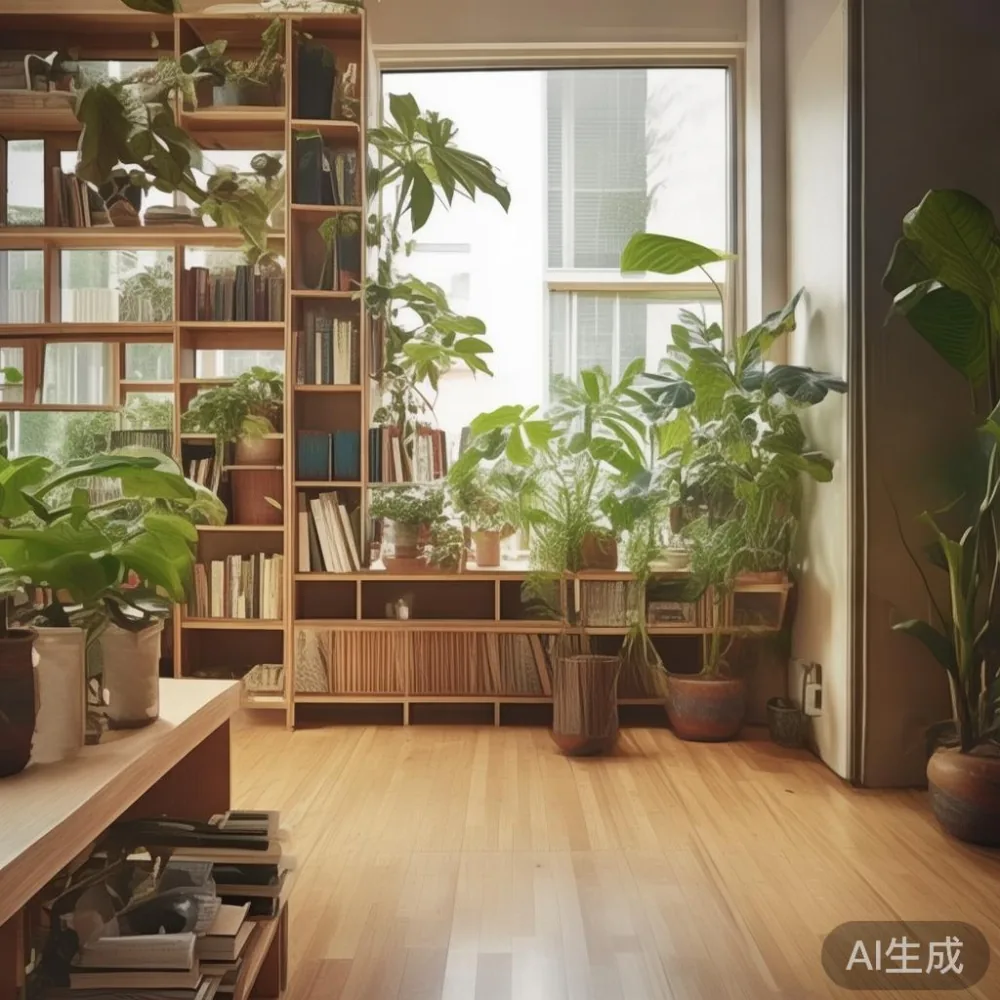
I visited a three-room HDB flat in Tampines last month to study a recent bookshelf installation. The living room was only 3.8 metres wide, and the chosen unit measured 90 cm wide, 28 cm deep, and 198 cm high. Its honey-toned solid wood softened the white walls, while the narrow shelf depth kept the walkway clear. That visit reinforced a practical rule: match the bookshelf to the room’s proportions, storage needs, and daily movement before choosing a decorative style.
What makes a warm minimal interior feel inviting?
Warm minimalism relies on balance rather than sheer emptiness. Pair clean forms with natural textures, then control visual weight. A rectangular bookshelf with straight lines works well against plastered walls, while softened corners are more comfortable in a family room. Warm oak, ash, or walnut tones complement off-white paint, beige upholstery, black metal details, and muted stone surfaces.
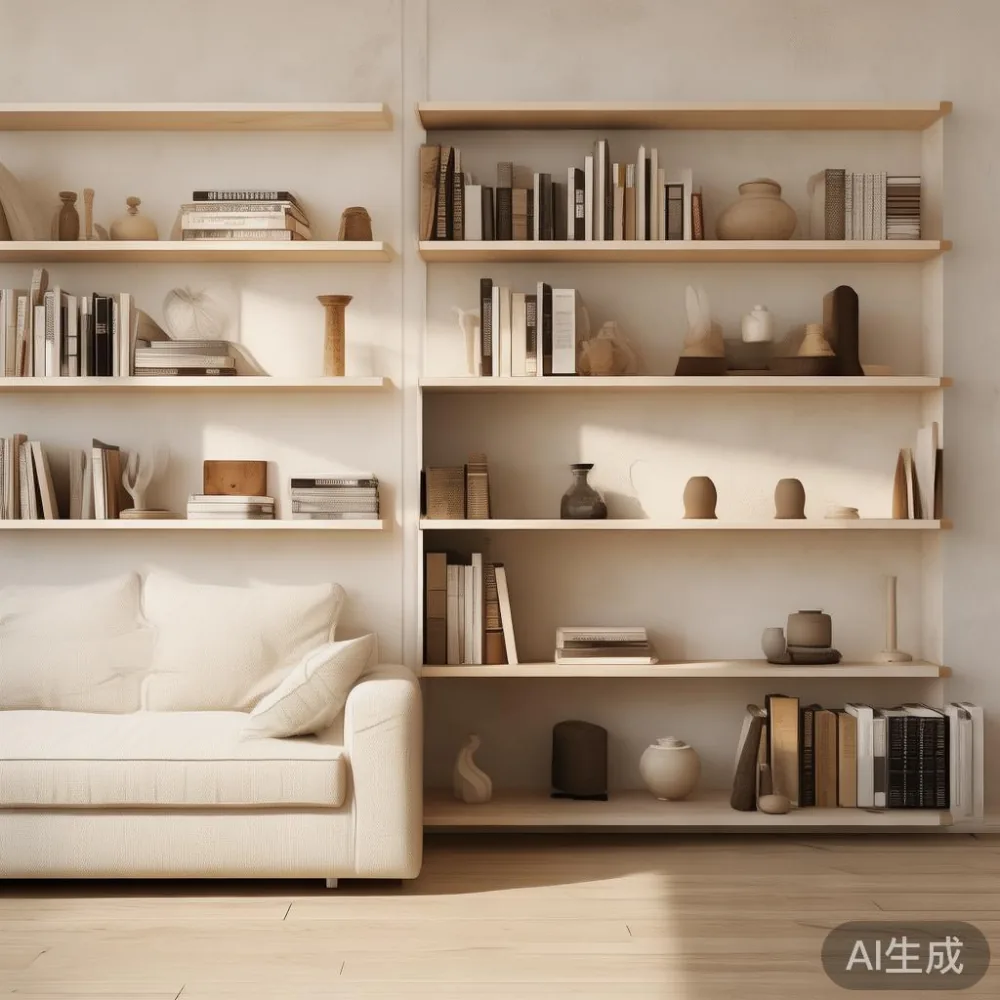
Concrete dimensions matter. In Singapore, floor-to-ceiling clearance is often 260–280 cm, although older HDB homes may have lower ceilings around 255 cm. A bookshelf 180–210 cm high can sit comfortably against most walls while leaving 45–70 cm above it for lighting or artwork. The width should follow the available wall rather than the room: 60–90 cm suits a single reading zone, 120–150 cm works as a substantial display wall, and 180–220 cm can divide a living area if it is structurally stable and properly anchored.
Light should be layered at 2700–3000 kelvin. A warm LED strip beneath a shelf consumes about 5–10 watts and creates a gentle pool of light without the clinical effect of a 4000–5000 kelvin lamp. Use one or two materials for accessories—perhaps matte ceramic and paper—rather than many competing colours. This is where French light luxury can be interpreted for local apartments: restrained profiles, quiet fabrics, and warm finishes rather than excessive ornament.
Which solid wood finish suits Singapore interiors?
Humidity, sunlight, and cleaning routines should influence your choice. Solid wood expands and contracts as moisture changes, so leave 1–2 cm of breathing space at the wall where practical, avoid direct afternoon sun, and use a stable indoor environment. A sealed bookshelf should tolerate regular dusting with a dry microfibre cloth, although spills should be wiped promptly.
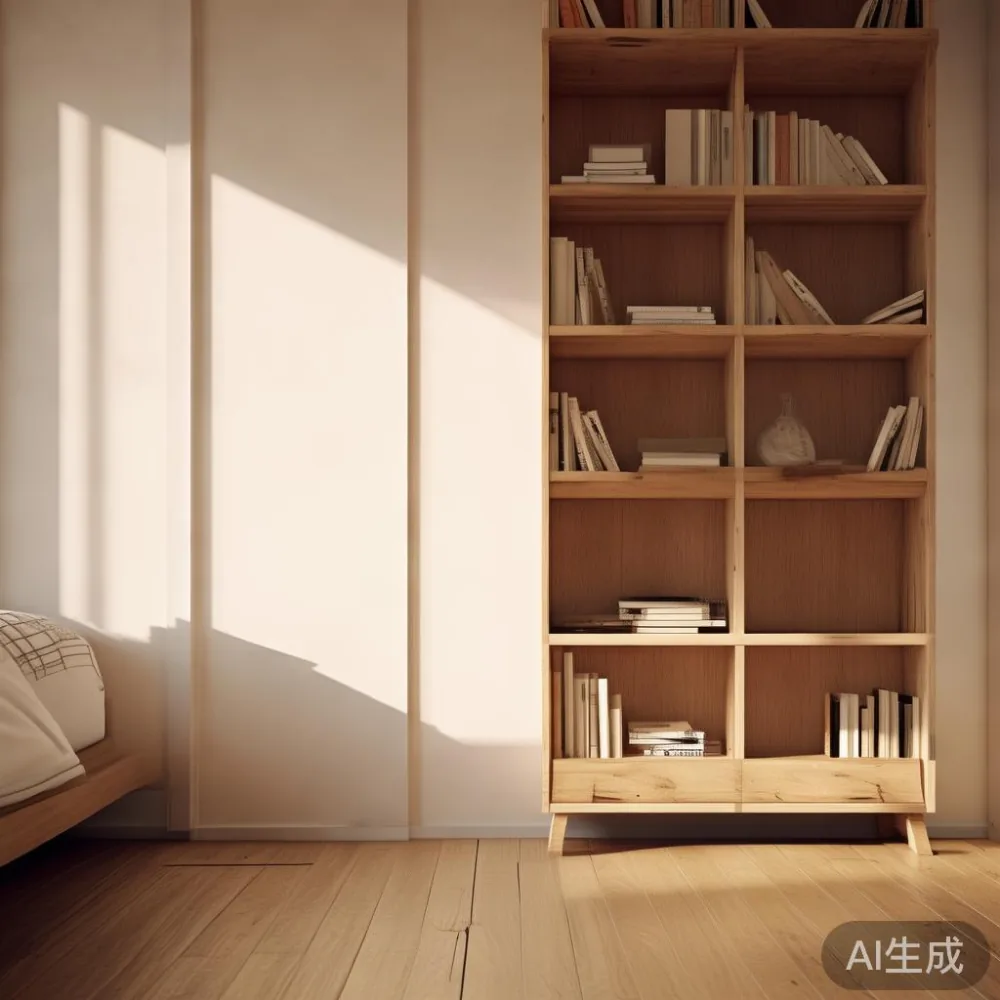
Honey oak gives a warm, Scandinavian-leaning result and reflects 2700–3000 kelvin light attractively. Light ash creates a brighter French light luxury mood, especially against cream walls. Walnut adds depth and pairs well with American light luxury interiors that mix natural timber, neutral upholstery, and black accents. Post-modern light luxury can be introduced through asymmetry, softened edges, and carefully mixed periods without making the room appear busy.
Compare the sample under actual home lighting, not only in a showroom. Hold it against your floor, wall, and existing furniture for at least 10 minutes. If you own a grey sofa, a slightly warmer timber usually prevents the combination from looking stark. If your wall is already beige, a paler shelf may preserve a calm effect, while medium oak adds visible warmth.
MIDHILL uses solid wood construction and offers a 10-year structural warranty, with lifetime refinishing available for eligible pieces. Those long-term care provisions are useful in Singapore because a maintained shelf can remain in service for 15–20 years rather than being replaced after a few years. Ask for the exact timber species, finish details, and care requirements before ordering.
How do you measure for a bookshelf in an HDB flat or condo?
Measure in three directions: width, depth, and available height. A common HDB living room wall may offer 180 cm of usable width, but leave at least 5 cm at each end if the bookshelf sits between a window and a door. Its depth should generally stay below 30 cm in a main walkway and below 20–25 cm in a dining zone, where people need space to pull chairs back.
Do not forget delivery access. HDB lift interiors often measure around 100–140 cm in width and 130–150 cm in depth, with door widths near 90 cm. Condo service lifts may offer larger dimensions, but building rules can still restrict moving furniture on weekends or require protective padding. Measure the lift door, lift cabin, corridor turns, staircase width, and the route from the parking area. A 150 cm-wide bookshelf may fit straight into a lift but fail at a 90-degree corner.
Choose a bookshelf with removable shelves if stair access is uncertain. Keep each package under 25–30 kg where possible, and request two-person delivery if the unit weighs 60 kg or more. For orders above US$350, MIDHILL includes free shipping to eligible destinations, although Singapore delivery arrangements and GST should be confirmed directly. Local prices should be shown in SGD so the final figure remains easy to compare after 9% GST.
Allow 7–14 delivery days for a made-to-order or regional furniture item, but confirm the production window before payment. Standard returns within 14 days can provide useful protection, yet a made-to-order bookshelf may carry specific return conditions. Check dimensions, finish approval, and assembly requirements in writing before the item leaves the workshop.
How should a bookshelf work with the rest of the furniture?
A bookshelf is part of a visual system. Its height should relate to nearby seating without becoming an isolated tower. For example, place a 160 cm-high bookshelf behind a 78–85 cm-high solid wood sofa, and leave 20–40 cm between their backs if circulation permits. This creates a layered composition without crowding the floor.
If you are comparing room layouts, consider the practical terminology used for larger pieces. A solid wood sofa anchors seating, a solid wood bed frame establishes the bedroom, a dining table defines meals, a wardrobe controls storage, and a nightstand holds everyday items. A marble table adds a cool counterpoint to timber, but it should not dominate a warm minimal room. These pieces need not match exactly; their scale, material weight, and finish should agree.
For an open-plan studio, one 150–180 cm bookshelf can act as a spatial divider between the sofa and dining table. Position it 8–12 cm from the wall for access, or use a securely anchored design if children are present. Avoid placing tall units in front of windows unless the shelving is shallow and the lower sightline remains open.
Styling should feel collected, not staged. Leave roughly one-third of the shelves partly empty and group books by proportion or colour rather than filling every level. Use 15–25 cm objects—small frames, ceramics, or a plant—to break the grid. Keep collections in groups of three or five, with more space between groups. The result should still work when magazines and daily clutter replace the styled objects.
Which colours and accessories keep a bookshelf from looking flat?
Begin with the wall and floor. White or cream walls work with light and medium timber; soft grey walls pair well with ash, oak, or walnut; warmer beige walls suit honey finishes; and charcoal or deep green walls benefit from pale ash to prevent visual heaviness. If your flooring is light, a medium-toned shelf can provide definition. If the floor is dark, pale timber creates separation.
Use black sparingly as a fine line rather than a dominant block. One picture frame, two bookends, and a small lamp can repeat black details found elsewhere in the room. Warm brass or brushed bronze complements oak and walnut, while brushed silver suits ash and cooler walls. Keep the palette within two neutral families plus one accent colour to preserve the minimalist mood.
Natural materials soften the geometry. Linen, cotton, untreated paper, stoneware, and dried grasses introduce texture without adding loud patterns. A trailing plant may need a shelf depth of at least 20 cm and should not block ventilation. For integrated lighting, fit an 8 mm warm LED strip with an aluminium profile, checking that cables can be concealed behind the bookshelf’s rear channel.
If adjacent furniture requires research, searches such as European light luxury sofa vs Italian light luxury sofa can help identify profile differences, but colour and scale remain more important than a country label. Likewise, Japanese for guest room planning often favours compact, uncluttered arrangements, which aligns with a 120–150 cm bookshelf fitted into a spare bedroom or multipurpose room.
What is the right way to shop for a solid wood bookshelf?
Request clear specifications: dimensions, shelf thickness, internal spacing, timber species, finish type, weight, load rating, anchoring method, and assembly requirements. A shelf that appears substantial online may have only 12–15 mm boards. If the intention is to display books, confirm that each bay can support 15–25 kg and that the horizontal span will not visibly bow.
Look for joinery and stability, not just attractive grain. Back panels should keep the frame from racking, adjustable shelves should sit securely in their supports, and tall units should include anti-tip hardware. For a 200 cm-high model, wall anchoring is sensible in homes with children. Check whether hardware is included and whether drilling is permitted in the chosen wall.
Consider price in relation to life expectancy. A bookshelf costing SGD 1,200–2,500 may be justified if it uses properly seasoned solid wood, dependable hardware, repairable construction, and a finish that can be maintained. The exact price depends on size, timber, and detailing, and Singapore purchases will include 9% GST where applicable. Compare quotations using the same specification rather than judging by headline price.
Some broader design terms can distract from the actual purchase. A search for under 2000 Industrial furniture may surface metal shelving rather than warm residential timber, while a query for Modern light luxury dressing table concerns a different product category. For the room at hand, the correct item remains a bookshelf with dimensions that suit its wall, access route, and storage load.
During ordering, ask for a material sample, a dimensioned drawing, and the delivery route if the unit exceeds 90 cm wide. Keep the final invoice, care instructions, and warranty documents. If the design is made to order, photograph the finished shelf before packaging and note any variations in natural grain.
How do you install and care for a solid wood bookshelf?
Install the shelf on a level surface, following the supplied instructions. For wall anchoring, use the specified fixings and avoid improvised hooks. Protect the floor with a 3–5 mm felt or rubber pad beneath each leg. If you are assembling a flat-pack unit, tighten fittings gradually in sequence so the frame stays square, and allow 24–48 hours before loading it fully.
Distribute heavier books across the lower shelves and across multiple supports rather than concentrating them at one end. Keep the base 8–15 cm clear of the floor if ventilation matters, especially in humid areas. Dust with a dry cloth every 1–2 weeks and clean the top every 3–4 months. Avoid soaking the timber, steam cleaning, or leaving wet objects against it for more than 30 minutes.
Watch for seasonal movement. In Singapore’s humid conditions, surfaces can develop fine marks or slight changes in sheen as moisture levels vary. A breathable finish and careful wiping help maintain the appearance. For scratches, consult the supplier’s refinishing guidance rather than applying an incompatible oil or solvent. MIDHILL’s lifetime refinishing service makes periodic care more practical and supports furniture that can remain with the same household for 10 years or longer.
What should I check before the bookshelf arrives?
Confirm the colour in daylight, inspect all dimensions, review the access plan, and prepare the final position before delivery day. Clear a route at least 80 cm wide where possible, protect corridor corners, and reserve parking or loading time with building management. Measure again on delivery day because renovation work and furniture movement can alter access.
For a warm minimal interior, the ideal bookshelf is not the one with the most compartments. It is the piece that fits the architecture, repeats the home’s warm materials, and leaves enough space to live. Choose a width tied to the wall, a depth tied to circulation, and a height tied to the ceiling. Once those proportions are right, the finish and styling become the final refinement.