Maintaining Lacquered Bookshelves in Singapore’s Humidity
A lacquered bookshelf can bring calm, pale colour and a crisp finish to an HDB flat in Tampines or a condo in Bedok, but Singapore’s heat and humidity demand a few careful habits. Between monsoons, relative humidity can sit above 80% for long periods. Salt-laden air near the coast, frequent condensation on nearby windows and constant air-conditioning can cause lacquer to swell, dull or develop fine marks. The answer is not constant polishing; it is controlled cleaning, sensible placement and prompt attention to damage.
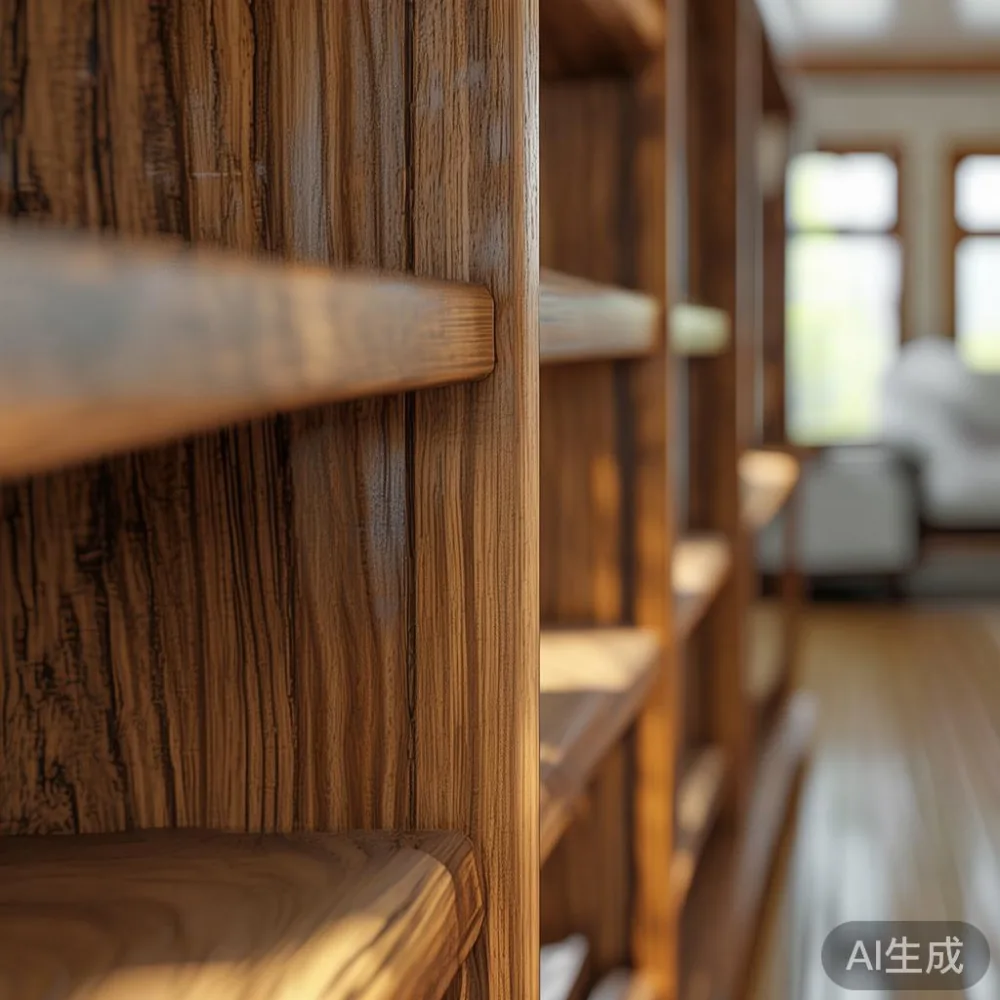
MIDHILL designs lacquered shelving in solid wood for clients who want the visual clarity of a modern piece with the grain character of timber. This guide explains how to inspect, clean and maintain a lacquered bookshelf without turning care into a full-time chore. Measurements are given in centimetres, weights in kilograms and estimated costs in Singapore dollars, so the advice is practical for local homes.
What humidity level should I keep in my home?
For lacquered wood furniture, aim for a relative humidity of 45–60%. Use a digital hygrometer placed near the bookshelf rather than relying on the weather forecast. Place it at shelf height, 10 cm from the side panel, and check it at about 8:00 a.m. and 9:00 p.m. on the same day. A reading of 65% for 1 hour is unlikely to cause damage, but repeated readings above 70% warrant action.
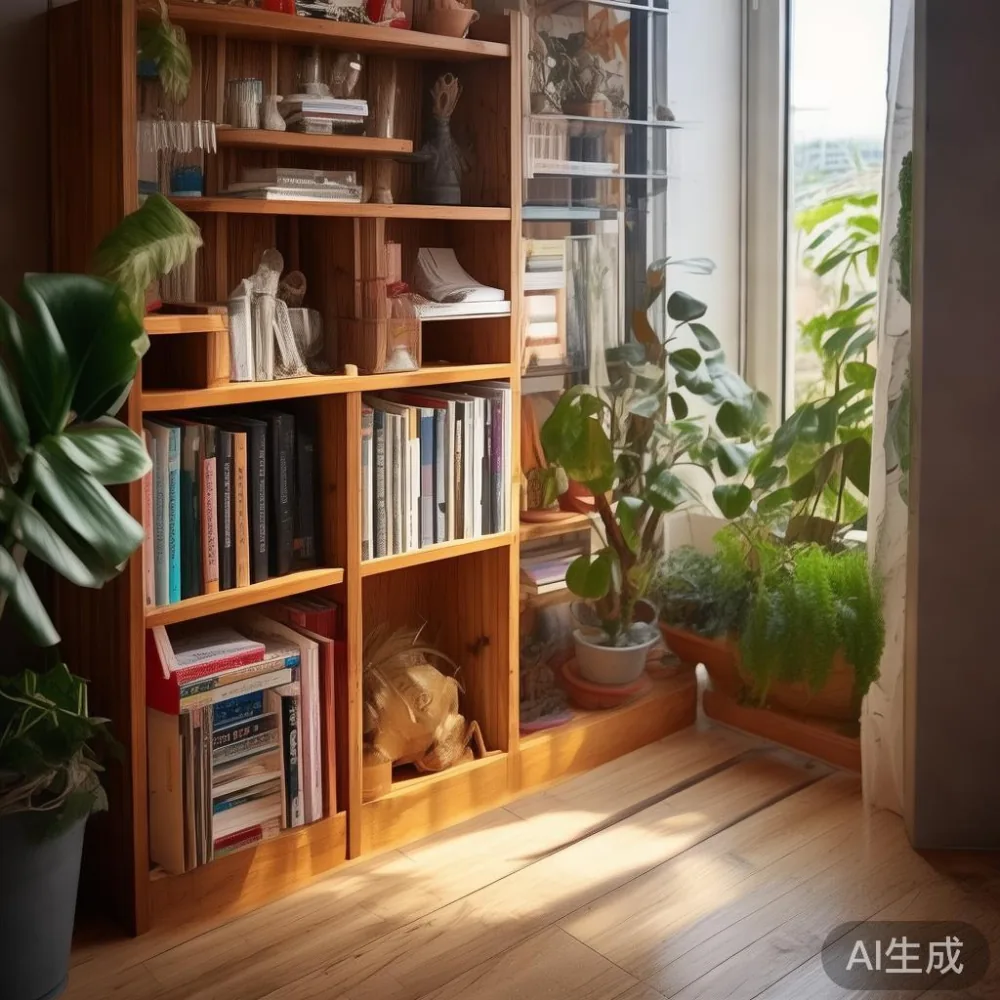
Do not place the bookshelf against an exterior wall in a ground-floor HDB flat, beside a bathroom, or directly in the path of an air-conditioning vent. In a typical Singapore corridor, a minimum clearance of 5 cm from the wall helps air circulate behind the unit. Where the wall is cooler, use a moisture barrier such as a thin moisture-resistant panel, leaving 2–3 cm of ventilation space. Do not seal the back tightly with silicone, because trapped moisture needs an escape route.
Keep the unit at least 30 cm away from windows that receive direct morning sun. UV exposure can fade coloured lacquer, while condensation can transfer water to the finish. A sheer curtain can diffuse sunlight without blocking ventilation. If possible, maintain indoor temperatures between 23°C and 28°C and avoid abrupt changes greater than 5°C within 2 hours.
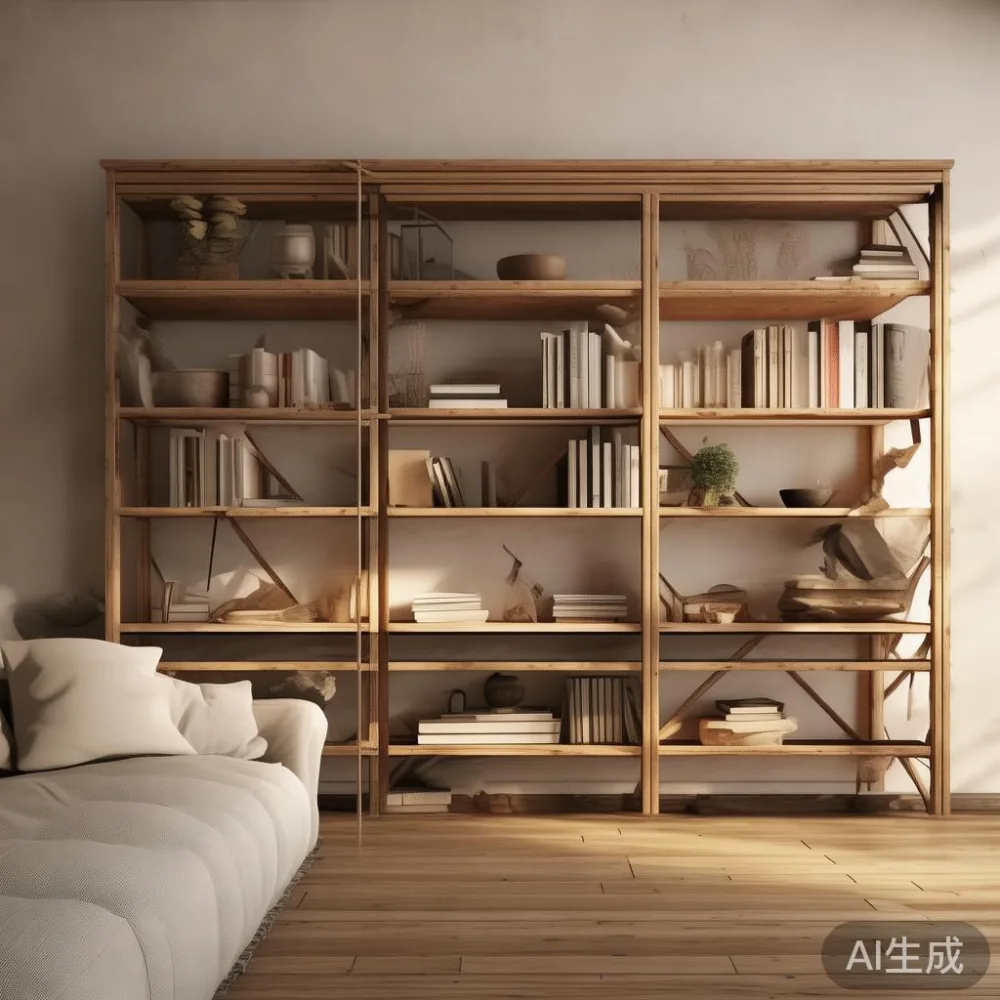
Dehumidifiers are more useful than repeated wiping. A compact unit rated for 20–30 litres per day can maintain a 20–25 m² bedroom, although the actual capacity depends on room size and construction. Position it so that no strong draught reaches the bookshelf, because excessive airflow can dry exposed lacquer unevenly. Set the humidistat to 55% during humid periods.
How should I clean a lacquered bookshelf safely?
Begin with a dry microfibre cloth. Wipe each shelf from the rear edge toward the front so dust is not pushed into the joints. A soft brush with 2 cm bristles can release dust from carved details or fluted fronts. Avoid feather dusters, compressed-air cans and household glass cleaner; glass cleaner often contains alcohol, ammonia or silicone residues that can cloud the finish.
For routine cleaning, mix 1 teaspoon of mild, fragrance-free dish detergent with 500 ml of lukewarm water. The solution should feel slightly soapy, not slippery. Dampen a fresh microfibre cloth rather than spraying the shelf. Test an unseen 5 cm by 5 cm area for 10 minutes, especially on matte lacquer. Then wipe with a second clean cloth and inspect for streaks under side lighting.
Never soak the shelf, flood the joints or use a wet mop. If a drink spill occurs, blot it within 30 seconds with a clean absorbent cloth. Follow with a lightly damp cloth, then dry the surface with a soft towel. Grease from hands can usually be removed with the diluted detergent solution, but oily books and food packaging should not remain on lacquer for more than 24 hours.
Use coasters and felt pads under decorative objects. A ceramic bowl weighing 1.5 kg should sit on 4 pads, each 15 mm wide, rather than directly on the lacquer. Avoid leaving adhesive labels, masking tape or rubber matting for more than 7 days; these can stain or leave an outline after removal. Lift each object instead of sliding it across a shelf.
How do I deal with scratches, dents and dull areas?
Small marks call for a restrained response. For a fresh fingerprint, rub the area gently with a clean microfibre cloth for 10–15 seconds. Persistent marks can be addressed with a lacquer-safe cleaner recommended by the furniture maker. Apply it to the cloth, never to the bookshelf, and test a 2 cm area first.
Hairline scratches may be treated with a colour-matched lacquer repair pen available in Singapore furniture retailers for around SGD 8–SGD 25 per pen. Hold the pen at roughly 45 degrees, apply 1–2 thin coats and allow 30 minutes between coats. Deep scratches that expose pale wood, chips wider than 3 mm or dents deeper than 1 mm should not be filled with random markers. They can cause a patch to look flatter than the surrounding surface.
For larger damage, photograph the bookshelf in daylight and at a 90-degree angle, then send the images and measurements to the supplier. MIDHILL offers a 10-year structural warranty and lifetime refinishing, so manufacturing or finish-related concerns can be reviewed under the applicable terms. Damage from standing water, unapproved chemicals or impact may require a separate repair quotation.
Do not sand a high-gloss lacquer surface by hand. Dust from sanding can settle in the open shelves, and uneven pressure can create visible swirl marks. A controlled refinishing service is more suitable for a shelf with widespread wear, particularly when the colour has changed over 5–10 years.
Can I polish a lacquered bookshelf without damaging it?
Polishing is rarely necessary if lacquer is cleaned correctly. Use a clean, dry microfibre cloth every 2–4 weeks during humid months. If a product is specifically approved for the lacquer type, apply a very small amount—about the size of a 5 SGD coin—onto a separate cloth. Buff lightly for 20–30 seconds per section.
Do not use conventional wood polish, wax, oil or furniture spray on lacquer unless the manufacturer confirms compatibility. Such products can leave a yellow film, soften the finish or make dust adhere more quickly. Avoid silicone-based dusting sprays, metal polishes and abrasive creams entirely. Test any proposed product on the least visible lower shelf and wait 48 hours before judging sheen.
Excessive gloss can create a visual problem in bright condo interiors where windows face east or west. Close blinds when direct sunlight reaches the shelf, but do not drape fabric over the furniture. Matte finishes may show oily fingerprints more readily, while high-gloss finishes reveal fine scratches. Confirm the sheen level with a 10 cm sample before approving a large bookshelf order.
How should I move a bookshelf through a lift and corridor?
Measure the bookshelf, lift door and turning space before delivery. A boxed unit may measure 180 cm high, 80 cm wide and 40 cm deep, while a common HDB lift door is about 90 cm wide and 200 cm high. The unit must also account for the diagonal clearance required to turn through the corridor. If the package is wider than the narrowest lift door by more than 5 cm, discuss flat-packing or an alternative access point with the supplier.
Protect the finish during movement with moving blankets, corner guards and cardboard separators. Do not attach tape directly to lacquer. Two adults should carry a 35–60 kg bookshelf, with the load shared evenly and the unit kept upright. If it must be tilted, support the base and avoid pressure on the top panel or adjustable shelf pins.
Allow the bookshelf to acclimatise for 24–48 hours after delivery. Remove all packing film, inspect every panel and keep books off the shelves for the first 12 hours. If the unit includes an anti-tip wall restraint, install it into a suitable wall fixing. In a family home with children, this matters even when the bookshelf appears stable; a 60 kg unit can tip in a 12-degree incline if restraint is omitted.
Delivery, lifting above the ground floor and assembly may cost around SGD 60–SGD 180 in Singapore, depending on access and distance. Confirm charges in SGD before booking. For orders over US$350, MIDHILL provides free shipping, though the exact destination terms and local charges should be checked during checkout.
How often should I inspect a bookshelf in humid weather?
Make a quick visual check every month and a more detailed inspection twice a year: once before the northeast monsoon and once after it. Look along the top edge, underside and shelf joints for swelling, lifting or discolouration. Move 2–3 books at a time rather than unloading the entire shelf unless damage is already visible.
Watch for a musty smell within 48 hours of a heavy storm, peeling lacquer along a lower edge, or doors that no longer sit flush. A moisture-meter reading above 20% in solid wood can signal dampness, although readings vary by species and surface condition. A useful warning sign is lacquer that feels cool or tacky after the air conditioner switches off. In that situation, improve ventilation and measure humidity for 3 days.
Books need their own care in tropical conditions. Keep them 5 cm from the back panel where possible, use closed boxes for valuable editions and provide a small 2–3 cm gap above paper stacks. Inspect for mould every 2 months during high humidity. If spores appear, isolate affected books and dry them under controlled airflow rather than using a heat gun.
Is a lacquered bookshelf suitable for an HDB flat or condo?
It can be, provided placement and humidity are managed. A slim shelving profile works well in compact Singapore interiors, but clearance around the unit should not be sacrificed for a perfectly flush wall. In a Tampines flat with limited natural light, pale lacquer can reflect daylight and make a room feel more open. In a Punggol family unit, rounded shelf corners and wall restraints may be more practical than projecting trim.
The finish should complement other materials rather than dominate the room. Pair lacquered shelving with solid wood furniture, such as a solid wood sofa, bed frame, dining table, wardrobe or nightstand, and restrained accessories. A marble table nearby may work if its veining is subtle and the room avoids visual clutter. These pieces need compatible care routines, so keeping cleaning products separate prevents accidental lacquer damage.
Design vocabulary also affects how the bookshelf is perceived. French light luxury tends to pair pale woods, refined profiles and gentle contrast; American light luxury favours cleaner lines and generous proportions. Post-modern light luxury can introduce asymmetrical shelving and mixed textures without making a compact room feel busy. For broader design research, a comparison titled light luxury sofa vs French provincial sofa can help homeowners define their preferred mood before choosing shelf colour and hardware. Questions such as is American sofa worth it or how to style European sofa in apartment focus on larger seating, yet the same principles of scale, proportion and material restraint apply to a bookshelf.
For compact layouts, how to style Japanese sofa in apartment is another useful reference because low profiles and disciplined spacing can inform shelving placement. A 180 cm bookshelf against a 220 cm wall leaves 20 cm on each side, while a 240 cm bookshelf requires a longer run or a deliberate full-wall composition. European-inspired interiors can pair the shelf with framed art and 2–3 ceramic vessels rather than filling every opening with books.
For 2026 Italian light luxury furniture planning, consider restrained joinery and warm metals rather than adding more ornament. In the supply chain, a Foshan factory can support consistent machining and finish sampling, but the buyer should still inspect the actual bookshelf, its coatings and packaging. MIDHILL has manufactured since 2008 and exports to more than 15 countries, offering experience across different climate conditions and installation requirements.
Singapore shoppers should compare samples, delivery timing and warranty terms in SGD. MIDHILL provides a 14-day return window, subject to the stated conditions, and lifetime refinishing. Confirm whether a lacquered bookshelf qualifies for return, how white-glove delivery is defined and whether assembly is included. This is more useful than relying on broad claims, because furniture sizing, lift access and finish performance determine whether a piece works in a specific flat.
Good lacquer care is measured in minutes, not products. A 5-minute wipe every 2 weeks, a 15-minute humidity check each morning and a 30-minute inspection every 6 months can protect a bookshelf for many years. In return, keep water, heat and harsh chemicals away, leave room for airflow, and address small marks before they become visible repairs.