The 5-Year Bookshelf Cost Analysis: Veneer vs. Solid Wood in Singapore
For homeowners in Singapore, particularly those working through the specific dimensions of HDB flats in Tampines or the tighter corridors of a Punggol condo, choosing furniture is a long-term decision. A bookshelf is more than just storage; it's a piece of architecture for your home, a statement of style, and an investment that lives with you for years. The choice between veneer and solid wood is a central debate, and the financial implications over a five-year period can be significant. This article provides a detailed, number-driven comparison to help you make an informed decision for your living space.
Understanding the Materials: Veneer and Solid Wood
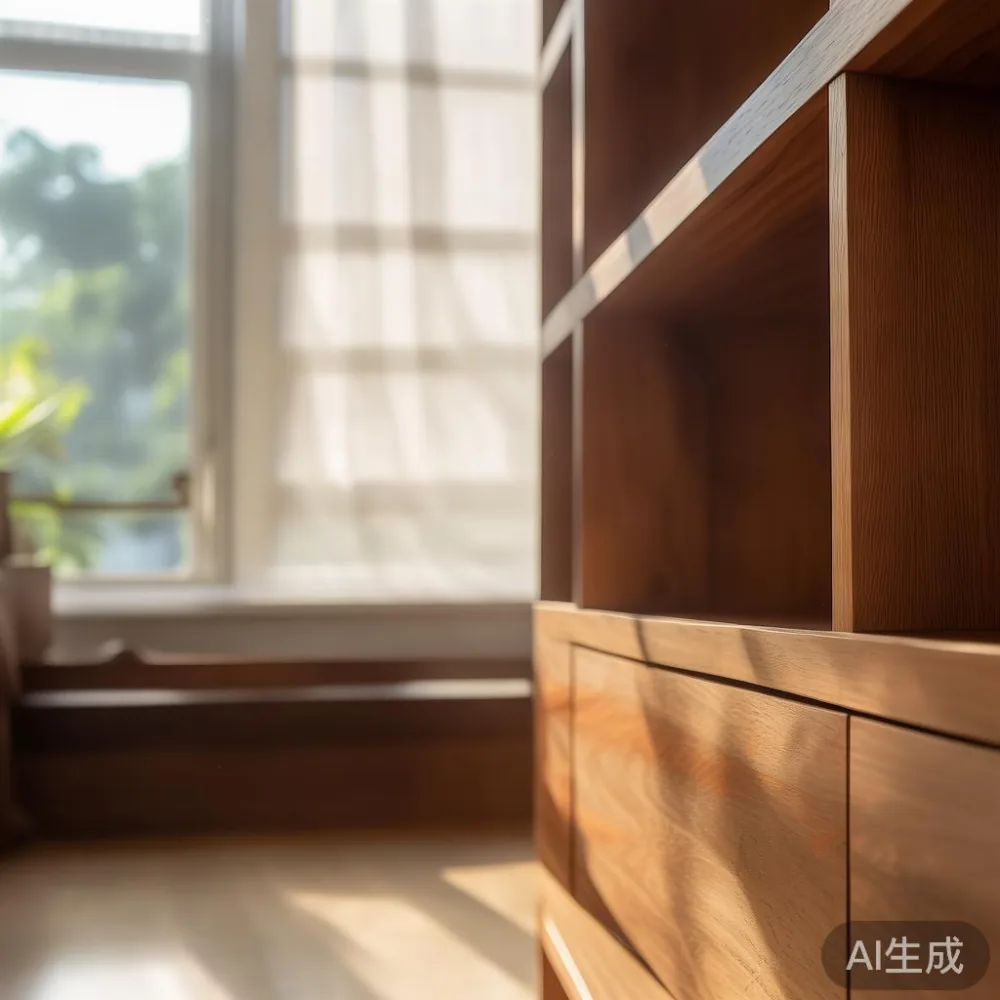
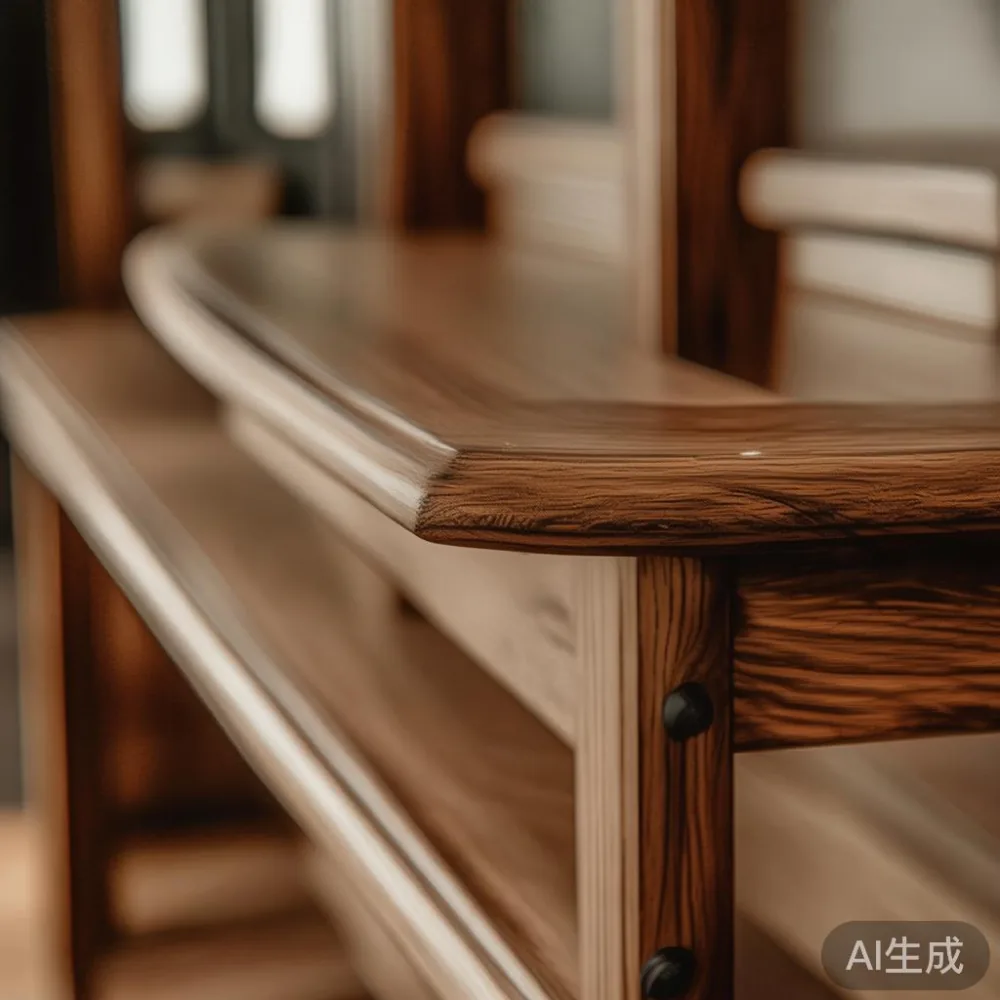
Before diving into costs, it's important to understand the fundamental difference between the two materials. Solid wood bookshelves are constructed from a single, solid piece of timber, such as oak, walnut, or mango wood. This means the entire visible structure, from the shelves to the frame, is one piece of wood. The natural grain, knots, and colour variations are inherent to the material itself. A solid wood bookshelf offers a sense of permanence and authenticity that is difficult to replicate.
Veneer, on the other hand, is a thin layer of real wood (often just 0.6mm to 2mm thick) applied over a core panel made of a less expensive material like MDF (Medium-Density Fibreboard), particleboard, or plywood. The purpose of veneer is to provide the aesthetic look of solid wood at a lower cost. The underlying core material provides the structural support. While high-quality veneer work can be beautiful and durable, it is fundamentally different from solid wood in its composition and long-term behaviour.
Initial Purchase Price: A Singaporean Perspective
The most immediate difference between veneer and solid wood bookshelves is the upfront cost. In the Singapore market, where space is at a premium and quality is often prioritized, this initial investment can be a deciding factor for many households.
A standard, 80cm wide, 180cm tall, 30cm deep veneer bookshelf might cost between SGD 350 and SGD 550. These units are widely available from local furniture retailers and online platforms. They are designed to fit into common Singaporean living spaces, including the typical lift widths of HDB blocks and the often narrower hallways of condominiums. For example, a popular model from a local brand might weigh approximately 25kg, making it relatively easy for two people to manoeuvre during a self-assembly move-in.
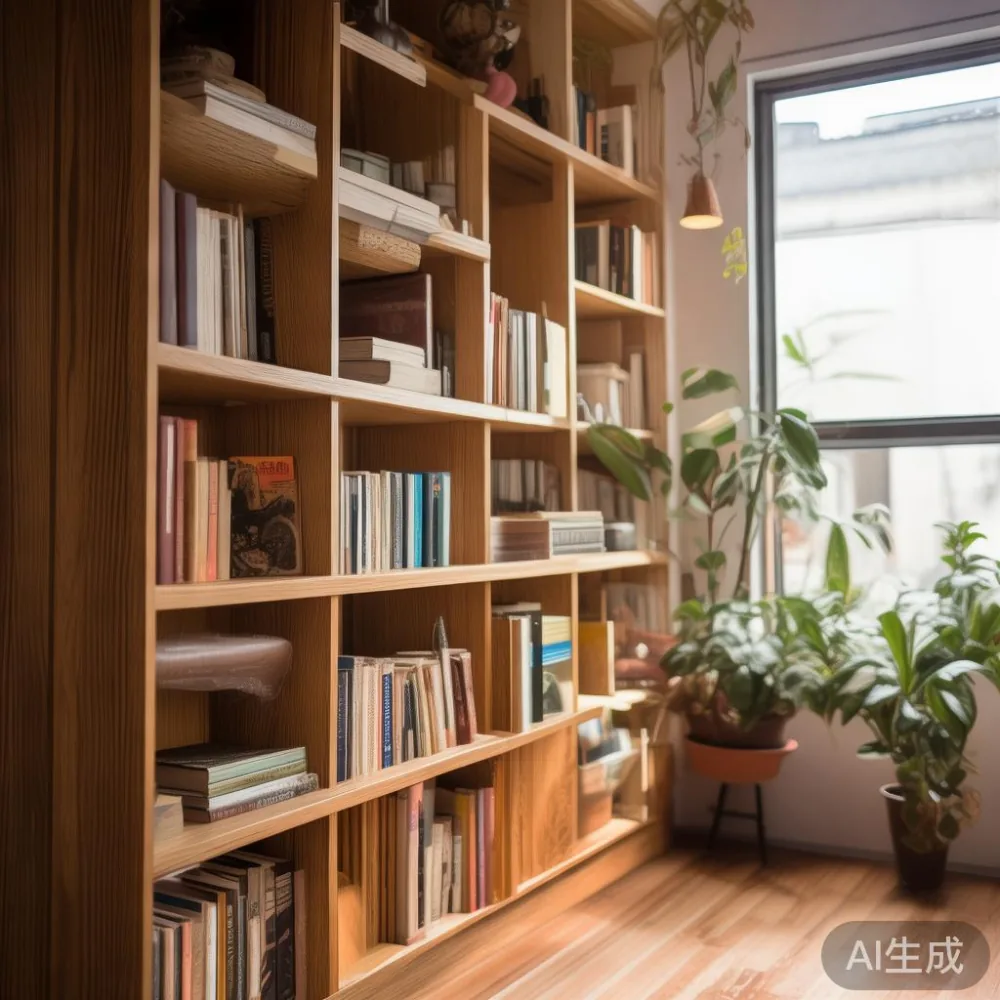
In contrast, a solid wood bookshelf of the same dimensions, made from a durable hardwood like oak or mango, will start at a significantly higher price point. A comparable solid wood bookshelf from a specialist maker like MIDHILL would typically range from SGD 1,200 to SGD 2,200. The price reflects the cost of the raw timber, the skilled labour required for joinery, and the superior finish. The weight is also noticeably higher, often around 45kg to 60kg, reflecting the density of the solid wood. This extra weight is a consideration for residents in older HDB blocks with smaller lifts or those living on higher floors without direct lift access.
Long-Term Durability and Maintenance Costs
The initial price is only one part of the equation. The true cost of ownership is revealed over time through durability and maintenance. This is where solid wood begins to demonstrate its value proposition, especially in the humid Singaporean climate.
Veneer bookshelves are susceptible to environmental changes. The core materials like MDF can absorb moisture from the air, which is common in Singapore, leading to swelling, warping, or even disintegration over a 5-year period. The thin wood veneer layer can also peel or chip, particularly at the edges, if bumped or scratched. Repairing this damage is difficult, as it's hard to re-adhere the veneer smoothly. The cost of a professional repair for a peeling veneer on a bookshelf can easily exceed SGD 200, and the result may not be perfect. Last month, I visited a client in Bedok who had a 3-year-old veneer bookshelf in her study; the top shelf had warped so much that paperbacks were leaning at a 15-degree angle.
Solid wood, however, is remarkably resilient. High-quality hardwoods are naturally more resistant to humidity and temperature fluctuations. They may expand and contract slightly with the seasons, but this is a natural characteristic and not a sign of failure. A solid wood bookshelf can withstand minor bumps and scratches far better than veneer. When a solid wood surface is damaged, it can often be sanded down and refinished, restoring it to its original condition. This brings us to the concept of lifetime refinishing, a service offered by some reputable manufacturers. Over a 5-year period, a solid wood bookshelf might require a simple dusting and occasional polishing with a suitable wood conditioner, costing perhaps SGD 50 for the products. It will not suffer from the structural integrity issues that plague lower-quality veneer units.
Resale Value: An Overlooked Financial Factor
In a dynamic housing market like Singapore's, where residents may move from an HDB flat in Tampines to a condo in Punggol or downsize, the resale value of furniture can be a meaningful financial consideration.
A veneer bookshelf, after 5 years of use, typically holds very little resale value. Its appearance is likely to have degraded due to peeling, chipping, or warping. Potential buyers would see it as a used, low-to-mid-range item. On the resale platform Carousell, a 5-year-old veneer bookshelf in good condition might sell for SGD 50 to SGD 100, a fraction of its original price.
A solid wood bookshelf tells a different story. Its classic design and durable materials mean it retains its aesthetic and structural integrity. A 5-year-old solid wood bookshelf from a known maker can often be resold for a significant portion of its original cost, sometimes between 40% and 60%. For a bookshelf that originally cost SGD 1,800, this could mean a resale value of SGD 720 to SGD 1,080. This retained value effectively reduces the total cost of ownership. The market for pre-owned, well-made furniture in Singapore is surprisingly strong, with buyers specifically seeking out solid wood pieces for their longevity.
Are Veneer Bookshelves a More Practical Choice for Small Singaporean Homes?
This is a question many Singaporean homeowners ask, especially when dealing with limited floor space. The practicality of a bookshelf isn't just about its footprint, but also its weight and perceived value in the home.
On the surface, veneer bookshelves are lighter and can sometimes be found in more compact designs. Their lower price point also makes them seem like a more practical, disposable option for a rental property or a starter home. The initial outlay is less, which can be appealing when managing a renovation budget that also includes GST. For a young family in a 4-room HDB flat, the lower upfront cost of a veneer bookshelf might free up funds for other necessities.
However, the practicality of solid wood becomes apparent when you consider the full lifecycle. A solid wood bookshelf is a permanent fixture. It doesn't need to be replaced in 5 years due to warping or damage. It becomes a part of the home's character. For those exploring a Modern for small living room aesthetic, a well-designed solid wood bookshelf can be a stunning focal point, adding warmth and texture that a flimsy veneer unit cannot match. The weight, while a consideration at the time of purchase, translates to a sense of stability and quality that is absent in lighter alternatives. In the long run, buying a solid wood bookshelf once is often more practical than replacing a veneer bookshelf multiple times over the same period.
The Aesthetic and Lifestyle Consideration
Beyond the numbers, the choice between veneer and solid wood is deeply connected to personal style and the desired atmosphere of a home. Singaporeans are increasingly sophisticated in their tastes, blending global trends with local sensibilities.
Veneer bookshelves are often produced in factories with a focus on replicating popular, mass-market styles. They can provide a modern look, but this look can sometimes feel generic or flat. The uniformity of the veneer can lack the depth and character of real wood grain.
Solid wood offers a richer palette of possibilities. The natural variations in the wood grain mean that no two pieces are exactly alike. This uniqueness is a key draw for those seeking a French light luxury or American light luxury feel in their homes. A solid wood bookshelf can be a central element in a Japandi for dining room scheme when placed in an open-plan living area, or it can stand alone in a study as a piece of sculptural art. The texture and warmth of solid wood contribute to a more inviting and sophisticated living environment. When considering a best Mid-century modern wardrobe for 2026, the material choice is critical to achieving the authentic look, and the same principle applies to a bookshelf intended to complement it. The choice of a solid wood bookshelf is an investment in the aesthetic harmony of the space.
Final Tally: The 5-Year Cost Comparison
Let's put all the factors into a simple 5-year cost comparison for a hypothetical 80cm wide bookshelf, keeping in mind the 9% GST applicable in Singapore.
Scenario 1: The Veneer Bookshelf
- Initial Cost (including 9% GST): SGD 450
- Repair Costs (Year 3): SGD 200 (for veneer peeling repair)
- Replacement Cost (Year 5, as the unit is warped): SGD 450
- Total 5-Year Cost: SGD 450 + SGD 200 + SGD 450 = SGD 1,100
- Resale Value (Year 5): SGD 75 li>
- Net Cost over 5 Years: SGD 1,025
Scenario 2: The Solid Wood Bookshelf
- Initial Cost (including 9% GST): SGD 1,500
- Maintenance Costs (Year 5): SGD 50 (for wood conditioner)
- Total 5-Year Cost: SGD 1,500 + SGD 50 = SGD 1,550
- Resale Value (Year 5): SGD 600 (40% of original cost)
Net Cost over 5 Years: SGD 950
As this calculation shows, over a 5-year period, the net cost of owning a solid wood bookshelf can actually be lower than that of a veneer bookshelf. This doesn't even factor in the inconvenience of living with a damaged or warped piece of furniture or the time and effort required to arrange for a replacement. For those looking for under 2000 Coastal furniture that offers genuine longevity, a well-made solid wood bookshelf fits comfortably within that budget while providing superior value. When you how to choose American bed or other furniture, considering the total cost of ownership is just as important as the style, and the same logic applies directly to your choice of bookshelf.