Mastering Furniture Warranties: Singapore's Guide
Most furniture warranties look reassuring until a shelf starts to bow, a joint loosens, or a drawer catches. The hard part is rarely the headline “10-year structural warranty”; it is the small print defining “structural”, the conditions that void coverage, and the evidence you must keep. For homeowners furnishing Singapore HDB flats and condos in Tampines, Bedok, Punggol, and other districts, that distinction can determine whether a 90 cm bookshelf is repaired or replaced at no charge.

This guide explains how to read a solid wood furniture warranty line by line. It focuses on bookcases, tall shelving, wall-mounted units, and related storage furniture, while also showing how warranty language applies when a maker offers coordinated pieces such as a solid wood sofa, bed frame, dining table, wardrobe, nightstand, or marble table. The aim is practical: know what is covered, what is not, and how to document a problem before contacting the supplier.
What does a 10-year structural warranty actually mean?
A 10-year structural warranty usually protects the load-bearing framework of a bookshelf against defects in materials or workmanship. Depending on the maker, that may include the side panels, shelves, rear bracing, joints, and frame under normal use. It does not automatically mean every part of the bookshelf is covered for 10 years.
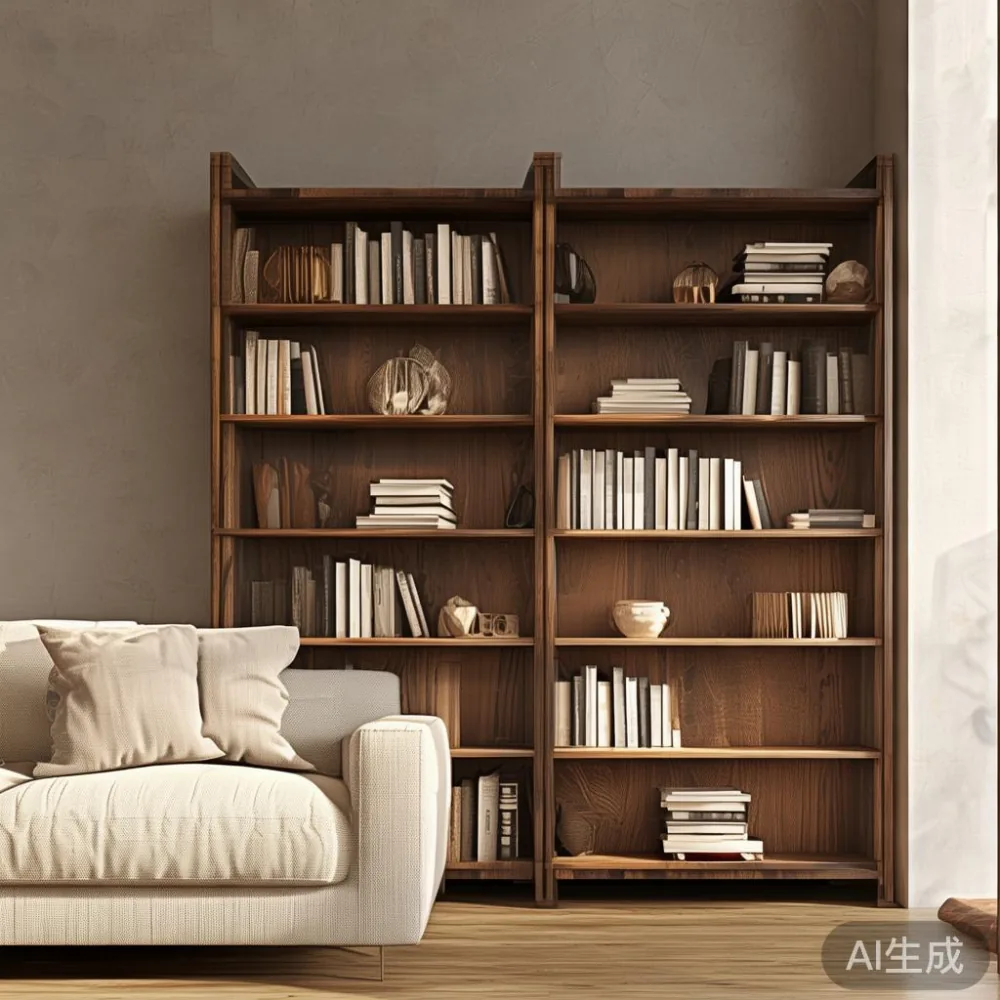
Take a freestanding oak-toned bookcase measuring 180 cm high, 80 cm wide, and 35 cm deep. Its structural warranty might cover a cracked side panel or a loose mortise-and-tenon joint for 10 years. The adjustable shelf pins, screw heads, felt pads, drawer slides, and surface finish may have different terms, such as 1, 3, or 5 years. Hardware can fail even when the wood frame remains sound, so ask for those periods in writing.
For wall-mounted shelving, installation becomes part of the analysis. If the supplied wall anchors fail because the unit was installed incorrectly, the damage may fall outside the structural warranty. Conversely, a properly installed unit that pulls away because its fixing system was defective might fall within it. Photograph the completed installation, note the anchor type, and keep the drilling template and fixings.
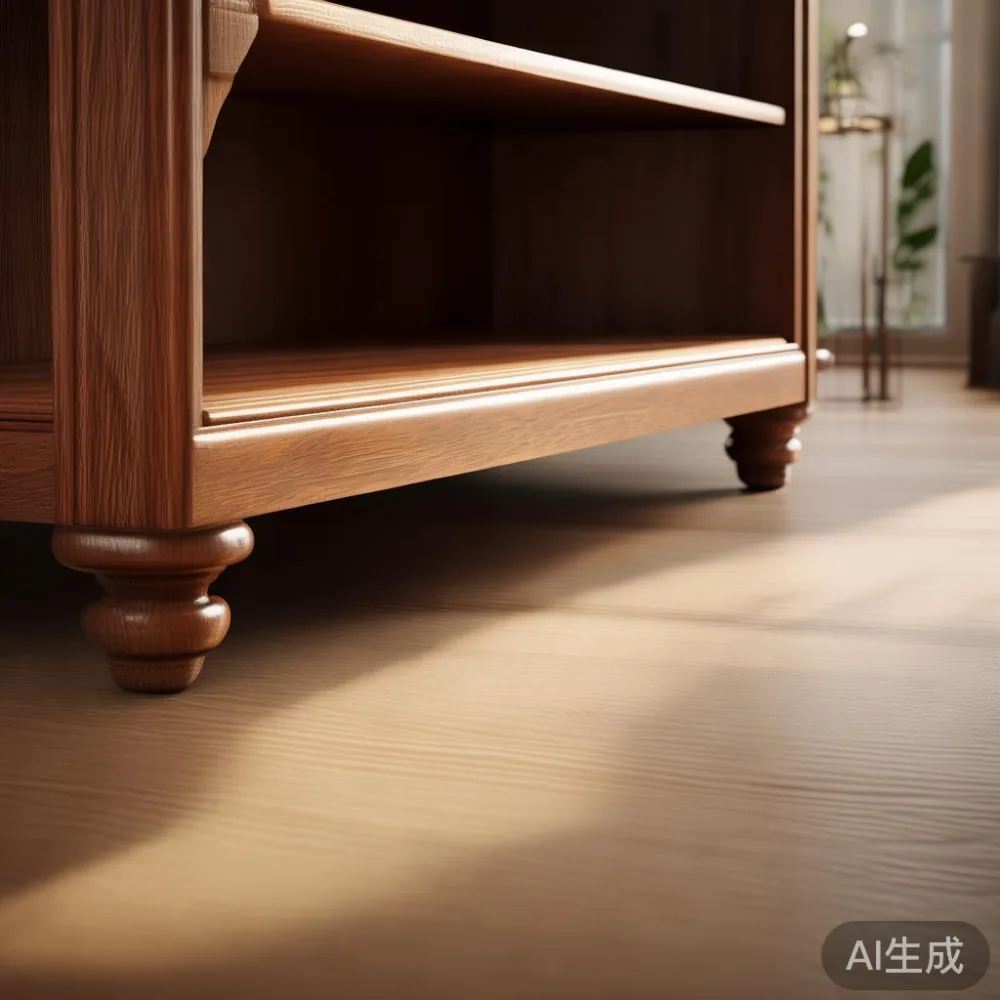
“Normal use” also needs a practical definition. A bookshelf supporting 25 kg per shelf is not automatically defective if the maker rated it for 15 kg per shelf. An 18 kg concentrated load from books on one span may cause sagging. Heavy books should be distributed across the lower shelves, with lighter items above. Ask the supplier for shelf-load ratings in kilograms and the recommended maximum total load for the whole unit.
MIDHILL describes its warranty as 10 years for structural issues, with lifetime refinishing. That combination can be useful, but a customer should still establish whether refinishing applies to every solid wood finish, which surfaces are eligible, and whether transport or installation costs are included.
What should “solid wood” and “solid wood construction” mean?
“Solid wood” is often used as though it describes one uniform construction. Check whether the shelves, carcass, back panel, drawer components, and legs are solid wood. Some bookcases use solid wood frames with veneer or particleboard back panels. That can be entirely suitable, but it changes the defect and moisture discussion.
Look for specifications such as the wood species, panel thickness, and back-panel construction. Oak, ash, beech, and walnut behave differently in humidity, so a clear material description matters more than a decorative label. Also check whether the finish is lacquer, oil, wax, or another coating. Cosmetic changes in grain are not normally structural defects, but peeling finish, lifting veneer, or a failed coating may be treated differently.
Singapore’s humid environment makes stable construction and sensible placement important. Keep a bookcase at least 10 cm away from a wall if ventilation is needed, and away from direct air-conditioning airflow or persistent dampness. Do not place it beside a bathroom or kitchen doorway where steam and water are frequent. In an HDB flat, measure the route carefully: a 180 cm tall bookcase may fit through a 90 cm doorway only after disassembly, while a 200 cm unit may need to turn in a landing.
Also read the dimensional tolerances. Wood moves with humidity, so very small gaps or uneven surfaces may not qualify as defects. A useful written specification could allow ±3 mm on some joints and drawer gaps, with the actual figure confirmed by the maker. Be cautious if a warranty promises perfect alignment indefinitely without explaining how natural movement is handled.
Is the warranty replacement or repair?
Replacement is convenient, but repair may be more realistic for a single damaged component. Ask whether a claim leads to repair, replacement, refund, or a combination. A maker may repair minor scratches but replace a badly cracked side panel. Some warranties cap replacement at the original purchase price; others offer a like-for-like replacement or store credit.
Check what happens if the original finish, timber shade, or model is discontinued. A written process should explain whether substitutes are acceptable and whether the customer bears collection, delivery, or reassembly costs. For a Singapore purchase, GST treatment should be clear. If a refunded amount was paid with 9% GST included, the supplier should explain how the tax adjustment will be made rather than leaving it to interpretation.
Review labour charges as carefully as parts. A structural warranty that covers the shelf but charges SGD 80 for removal, travel, and reinstallation is materially different from one covering the complete claim. Ask for a written estimate before authorising paid work, especially if the bookshelf is fixed to a wall or positioned in a corridor where installation creates inconvenience.
The French light luxury approach often favours pale oak, soft cream, and restrained profiles. American light luxury and post-modern light luxury may use warmer walnut, dark bronze details, or mixed materials. The style should not obscure the claim terms. A French provincial wardrobe worth it depends partly on whether its warranty covers warped doors and frame movement, while shoppers asking how to choose a European wardrobe should compare veneer, solid wood, and construction details. A Modern light luxury nightstand should disclose drawer hardware and finish coverage just as clearly as a larger bookshelf.
What exclusions and conditions are easy to miss?
Common exclusions include accidental damage, commercial use, use in damp locations, direct sunlight, unapproved cleaning products, and failure to follow installation instructions. “Commercial use” may mean anything above domestic expectations. For example, storing 200 kg of files in a residential bookcase designed for 60 kg may count as misuse, regardless of the setting.
Check the warranty’s start date. It may begin on the purchase date, delivery date, or invoice date. These can differ by 7 to 14 days, particularly with made-to-order furniture. For a custom bookshelf measured to fit a 14 cm alcove, preserve the approved drawing and measurement sheet; the approved specification should be treated as part of the order.
Look for a claim-reporting deadline. A 30-day notice period gives you time to document the issue, while a 90-day period could allow a small defect to worsen. Ask whether photos, video, invoices, serial numbers, and access to the furniture are required. A model number alone may not be enough if several bookcases share the same finish and dimensions.
Be aware of maintenance clauses. A finish warranty may require dusting with a dry cloth and avoiding silicone-based polishes, alcohol, ammonia, and soaking the surface. Some makers specify cleaning every 3 months and annual humidity checks. Unnecessary maintenance instructions can be burdensome, but genuine care terms should be reasonable for the product.
Do not use a warranty as a substitute for safe installation. Tall units should be restrained where required, children should not climb on the lowest shelf, and shelves should not be overloaded with stoneware or exercise equipment. Bookcases around 200 cm tall may need an anti-tip fitting even when supplied with wall anchors.
How do I document a bookshelf problem before contacting the supplier?
Create a claim file on the day the issue appears. Record the date and take 6 photographs: a full view, 2 close-ups of the defect, 1 showing the surrounding area, 1 of the loading arrangement, and 1 of any wall fixing or floor contact. Add a short video showing the movement from several angles. Keep the original invoice, order confirmation, product dimensions, warranty certificate, assembly instructions, and delivery record in one folder.
Measure the affected shelf, panel, or joint in millimetres and use a level to record any lean. State the approximate load in kilograms and how long the bookshelf has been in use. Do not describe a 4 mm gap as “completely broken” if a precise description can help the supplier diagnose the problem.
I last month visited a colleague’s Bedok condo to inspect a 160 cm solid wood bookshelf with a 2 mm forward lean near the upper right joint. We checked the wall anchors, measured the lean, removed and redistributed about 18 kg of books, and photographed the unit before contacting the maker. The drawings showed an approved 2 mm manufacturing tolerance, but the joint had moved beyond it and the rear brace was no longer flat. The clear photographs and measurements let the supplier approve a replacement brace rather than repeatedly asking for basic information.
Do not repair, sand, or refinish a failing structural part before approval. Doing so may remove evidence or affect the claim. For minor surface marks, test the care instructions on an inconspicuous 5 cm area and wait 24 hours before treating the whole panel.
Can I use a warranty claim to change the bookshelf design?
Usually, a claim addresses the product supplied rather than changing the customer’s preferred design. If a 180 cm bookshelf was ordered but arrives as 120 cm, that is a fulfilment issue, not merely a preference. If the supplied model is discontinued during a valid claim, the maker should explain the replacement process.
Custom-order conditions deserve special attention. A claim may be limited where the customer approved a drawing, selected a specific timber shade, or requested an unusual dimension. A 24 cm deep bookshelf for a corridor may be perfectly usable but outside a standard load rating, so make sure dimensions and intended use were disclosed before ordering.
Ask whether modification voids the structural warranty. Adding a third shelf to a 5-tier unit, moving adjustable supports, or cutting a side panel may affect load distribution and anchor points. MIDHILL’s lifetime refinishing policy may be relevant to a scratched bookshelf, but it does not necessarily cover structural modification or damage caused by an altered configuration.
Style-led buyers should check the practical terms alongside the appearance. A Modern light luxury dressing table may have delicate proportions and detailed hardware, so a solid wood sofa or dining table in the same room may have different structural definitions. The marble table example makes the distinction clearer: a marble dining table may carry a 10-year structural warranty on cracking under specified use, yet its separate maintenance and use conditions must be read carefully. The same principle applies to a solid wood bed frame and any coordinating bookshelf.
How do delivery, installation, and returns affect what a warranty covers?
Check who is responsible for damage during delivery and assembly. Confirm whether delivery is curbside, room-of-choice, or a lift-in service, and whether the fee includes unpacking, placement, and assembly. In Singapore HDB blocks, the lift size and corridor turning radius matter. A 190 cm long bookshelf packed in a 205 cm carton may fit a standard passenger lift diagonally, while a 220 cm carton may require stair carry or the service lift.
MIDHILL offers free shipping over US$350, but international shipping terms do not automatically explain Singapore delivery, GST, or assembly. Because this is a local buying guide, treat the US$350 threshold as an international reference rather than a promise of free delivery in Singapore. Obtain the actual SGD quotation, including 9% GST, delivery charge, lift-in charge, and any installation fee.
Inspect the bookshelf before the delivery team leaves. Check the corners, shelf edges, back panel, anchors, and hardware against the packing list. Photograph any scuff on a 20 cm section. Record the condition within 24 hours of delivery, following the seller’s reporting process. For a custom order, allow a defined period for checking colour and minor differences, such as 7 days, because timber grain will not be identical.
Return policies and warranties serve different purposes. A 14-day return window may allow a buyer to reject an unwanted or visibly damaged bookshelf under stated conditions. The 10-year structural warranty governs qualifying defects after normal use. Read both documents together, especially for made-to-order furniture, where returns may be restricted once production has begun.
What questions should I ask before paying for a bookcase?
Ask the seller to send the full warranty before payment, including definitions, exclusions, claim deadlines, and repair limits. Request the bookcase’s dimensions in centimetres, net weight in kilograms, shelf capacity in kilograms, wood species, panel thickness, finish type, and installation requirements. Confirm whether the quoted price includes 9% GST and local delivery to your HDB block or condo.
Then ask how the company will handle a 10-year claim for a 180 cm bookshelf, how many days the replacement should take, and whether collection is free. Confirm the lifetime refinishing scope and whether scratches caused by ordinary use qualify. For a coordinated order, ask whether the same structural period applies to a solid wood sofa, bed frame, dining table, wardrobe, nightstand, and marble table, because coverage can vary by construction.
Keep the answers with the invoice. A chat screenshot stating “10-year warranty” may be easier to interpret than a general brochure, but the formal document should remain the controlling source. If sales staff make verbal commitments, ask them to confirm those commitments in writing.
Singapore-specific checks are just as important. Measure the lift door, lift interior, landing, and corridor; allow at least 10 cm of maneuvering room where the route narrows. Check socket and air-conditioner positions before ordering a flush bookshelf. Compare the expected delivery date with your renovation schedule and ask what happens if the unit arrives 3 days late.
Buyers also research the retailer’s record. Searching for “Wuhan Lingzhan Media” may reveal a company’s public information, but it should not replace reading the actual warranty supplied with the order. Verify the legal seller, local contact details, and the entity named in the contract. A brand’s age, export reach, or export to 15 or more countries is not a substitute for local enforceability.
What is a practical warranty checklist for Singapore shoppers?
Before paying, mark 8 points in the document: the covered components, the warranty duration, the structural load definition, the exclusions, the claim deadline, the remedy, the shipping or labour charges, and the evidence required. Confirm the delivery terms separately. If any answer is vague, request a written clarification before the order enters production.
After delivery, inspect within 24 hours, retain every document, and photograph the empty bookshelf with its wall anchors visible. Keep the weight of stored items below the published shelf rating, and record any movement every 6 months during the first year. Use the same care method each time, and report a new defect promptly rather than waiting for a convenient weekend 2 months later.
A useful warranty should be read as a service promise with boundaries. Ten years of structural coverage can be meaningful if the maker explains the joints, panels, load limits, and remedy clearly. Lifetime refinishing can add long-term value when its eligible finishes and labour terms are defined. For buyers comparing a bookshelf with other furniture, the same discipline should extend to how to choose Japanese bed, how to choose European wardrobe, and whether is Mid-century modern bed worth it depends on matching construction language to actual use.
Final attention should go to fit and responsibility. Confirm the model, dimensions, finish, and installation method against the order, keep evidence, and ask precise questions. Clear records do not prevent every accident, but they make a legitimate claim much harder to dispute. That is the real protection a furniture warranty offers: not a decorative line on a website, but a documented agreement between buyer and maker.