How to Choose the Right Bookshelf Size for a Singapore HDB Living Room
A Singapore HDB living room rarely needs a oversized bookshelf just because the flat has a generous floor area. The useful question is whether the shelves can be carried through the lift, positioned beside the sofa without blocking the TV, and still hold the books, plants, and objects that make the room feel lived in. For homes in Tampines, Bedok, and Punggol, a carefully measured bookshelf often works better than a large display unit that dominates the 20–35 sq m living room. I worked from real HDB and condo examples, checking dimensions, lift access, and delivery details before comparing shelf sizes.
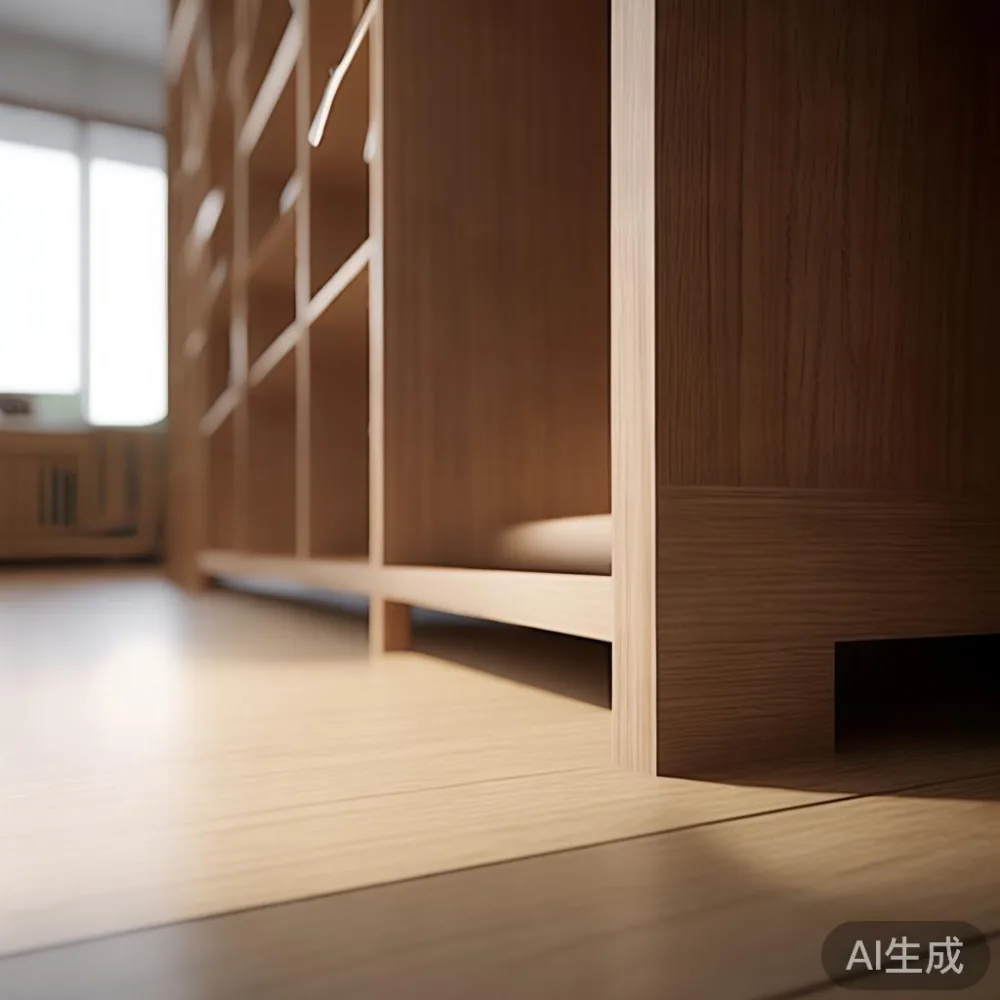
What size bookshelf should fit a Singapore HDB living room?
For most 3-room and 4-room HDB flats, a bookshelf between 80 cm and 120 cm wide is a practical starting point. A 90 cm-wide unit with a depth of 28–32 cm can sit beside a 180–220 cm sofa while leaving a 60–75 cm walking route. In a compact 4-room flat, an 80 cm-wide bookshelf may be more suitable; in a larger condo living room, a 150–180 cm unit can create a stronger wall composition. The correct size is governed by three measurements: the available wall, the usable opening space, and the distance from the sofa or dining table.
Start with the wall rather than the bookshelf catalogue. Measure the wall length in centimetres, note the skirting board depth of about 1.5–2 cm, and identify any power outlets, television brackets, air-conditioning vents, and service panels. Leave 3–5 cm between the bookshelf and a corner when doors or drawers need access. A unit that is physically 150 cm wide but only 145 cm of clear wall space should be treated as a 150 cm purchase requiring careful installation, not as a 145 cm option.
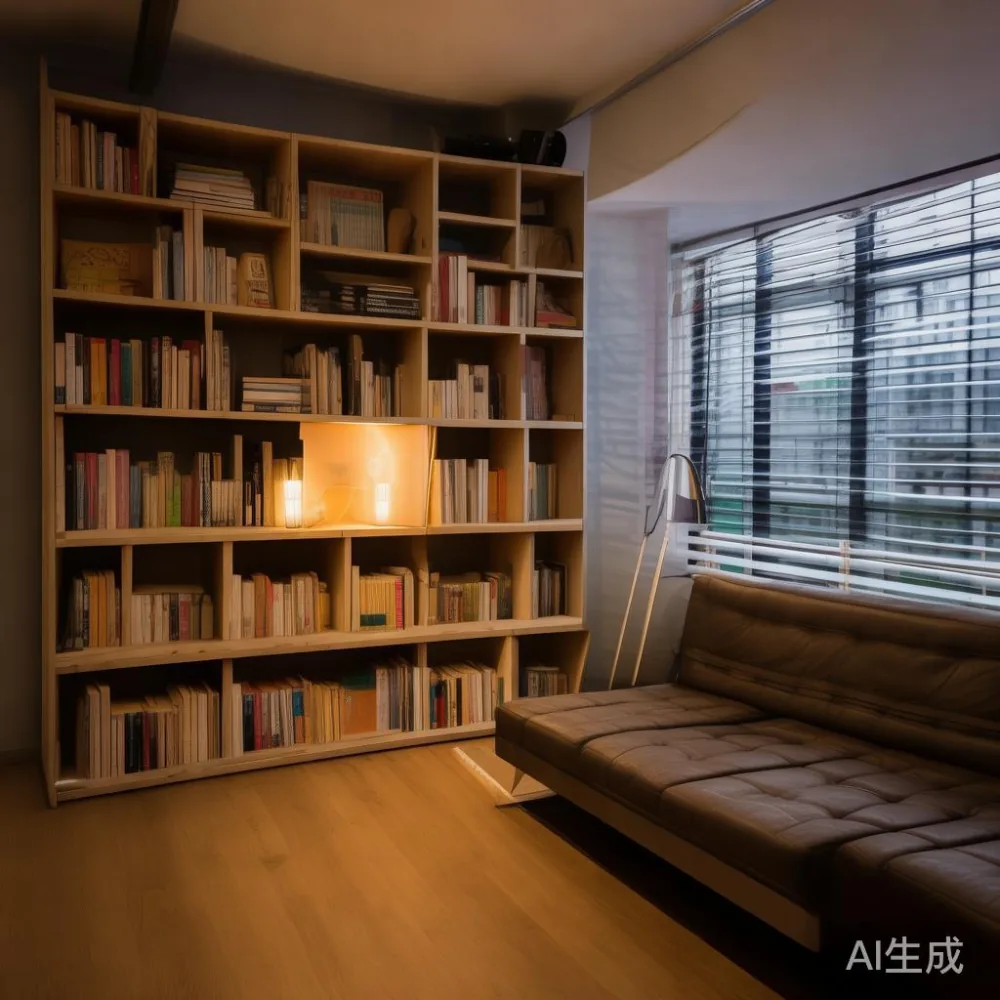
For a standard Singapore HDB living room, I would usually examine three widths: 80–90 cm for a narrow wall, 100–120 cm for a balanced arrangement, and 150–180 cm for a full feature wall. The height should relate to the ceiling. In a flat with a 2.7 m ceiling, a bookshelf between 180 cm and 210 cm can look intentional, while a 240 cm unit may need a ladder and should be checked against the building rules. In a condo with a 2.8–3.0 m ceiling, a 220–240 cm unit can work if the proportions remain calm.
My own last-month visit to a 4-room flat in Tampines made the difference clear. The living room measured approximately 4.8 m by 3.6 m, and the selected 110 cm-wide bookshelf was moved from the corridor into the unit without removing the lift doors. A 160 cm alternative looked impressive in the showroom, but the delivery team had to angle it through a 1.1 m-wide corridor and around a 90 cm door frame. The smaller unit also kept 65 cm between the bookshelf and the 190 cm sofa, so the room felt less crowded.
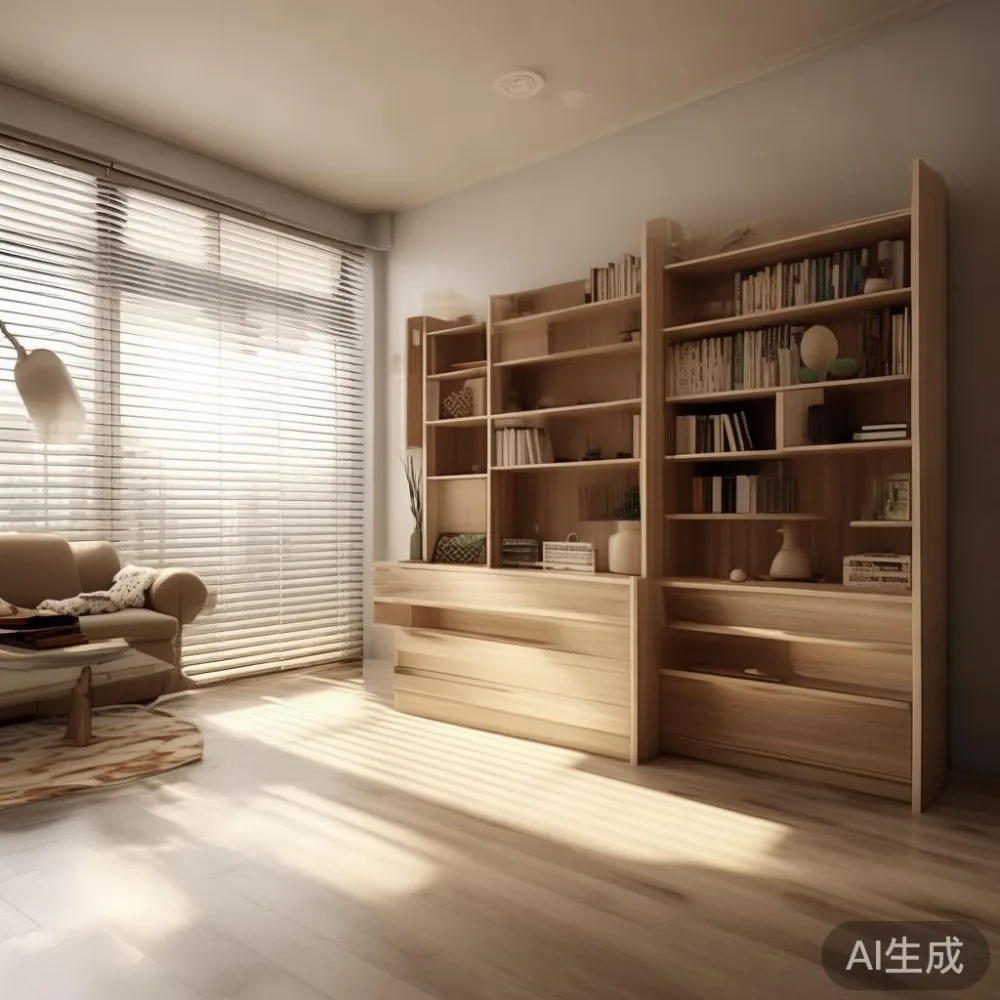
How do you measure the lift and corridor before ordering?
Singapore access is often the decisive factor. Ask the building management for the lift car dimensions, the door opening width, and the corridor turning clearance. HDB lifts may provide a clear internal width of about 1.0–1.2 m and a depth of 1.3–1.4 m, although renovated or older blocks can differ. A 120 cm-wide, 30 cm-deep bookshelf weighing 35–45 kg will usually be easier to handle than a 180 cm-wide, 40 cm-deep unit weighing 70–90 kg.
Measure the route from the ground-floor loading area to the home, including the lobby, ramp, letterbox turn, fire door, and staircase if there is no lift. A bookshelf should ideally fit through the entrance door with a few centimetres to spare. For a 90 cm door, a packed 80 cm unit is comfortable, while a 100 cm unit may require disassembly. If the route includes a 75 cm turn, keep the packed width below 70 cm where possible.
Delivery days matter because a narrow staircase can turn a simple bookshelf into a 90-minute installation. MIDHILL’s delivery arrangements should be confirmed for the specific Singapore address, including the number of stairs, lift restrictions, and whether assembly is required. Allow 7–14 delivery days for standard solid wood pieces, with extra time during peak periods such as June–December. A heavy 180 cm bookshelf may take 3–4 additional days if the team needs to arrange a special delivery slot.
Weight also affects the choice of fixing. A 120 cm solid wood bookshelf might weigh 45–60 kg, while a 180 cm unit can reach 75–95 kg. For an HDB wall, use the supplied anti-tip restraint and ask a professional to confirm whether the wall is suitable for anchoring. Do not rely on a freestanding unit beside a high-traffic route if children aged under 8 live in the home. The 10-year structural warranty offered by MIDHILL addresses the product’s construction, but site access and installation still need to be planned correctly.
Which bookshelf width works beside a sofa, dining table, or marble table?
The relationship with the seating matters more than a universal size chart. Beside a 180–220 cm sofa, a 90–120 cm bookshelf can create a readable grouping if its height is within 20–30 cm of the sofa back. A low 140 cm sofa paired with a 210 cm bookshelf may look visually disconnected, while a 200 cm sofa and 180 cm bookshelf can make the wall feel balanced. The lower edge should not block the sofa arm or a floor lamp.
At the dining area, a 100–150 cm bookshelf can separate the living and dining zones without taking space from a 140–180 cm dining table. Leave 75–90 cm between the table edge and the shelf so chairs can be pulled back. If the bookshelf is used as a room divider, aim for 160–180 cm width and a depth of 30–35 cm; this gives storage and visual separation without becoming a solid wall. A narrower 80 cm unit works better beside a marble table, where delicate veining and reflective surfaces already attract attention.
For a 220 cm solid wood sofa, the room feels larger with a 120 cm bookshelf placed 8–12 cm away from the arm. For a smaller 160 cm sofa, an 80 cm shelf is often enough. If you are comparing a Japanese sofa vs Mid-century modern sofa, measure both the seat width and the visual bulk of the legs before deciding. A low Japanese sofa needs a lower shelf, while a Mid-century modern sofa with tapered legs and a narrow frame can sit comfortably beside a taller bookshelf.
The same principle applies when matching a solid wood bed frame, wardrobe, or nightstand in a multifunctional room. A 180 cm bed frame, 100 cm wardrobe, and 45 cm nightstand create repeated widths that make an 80–100 cm bookshelf feel proportionate. If the room contains a larger 200 cm wardrobe and a 160 cm dining table, a 120–150 cm shelf can hold the composition together. These are not separate furniture decisions; they are a measurement system for the whole room.
How much shelf depth and storage capacity do Singapore homes need?
Depth is often overlooked. A 25–28 cm bookshelf is suitable for paperbacks, slim photo frames, and small plants. A 30–35 cm depth accommodates standard novels, larger books, storage baskets, and decorative objects with a little breathing room. Books are commonly 18–25 cm deep, so a 28 cm shelf is enough for most paperbacks but can feel crowded if you own art books measuring 30–32 cm deep.
Count your actual books rather than estimating from the room. Divide the total shelf length by 22–25 cm to estimate the number of books per shelf, then compare that with the unit’s shelf area. A 100 cm-wide bookshelf with four usable shelves may hold roughly 160–220 paperbacks, depending on their height and spacing. A 150 cm unit with five shelves can hold approximately 260–380 books. Leave at least 4–6 cm above the tallest books so the shelf does not look packed.
For a Hong Kong or Singapore-style apartment, a depth of 30 cm is a useful compromise because it gives the books a clean front edge and permits a 6–10 cm gap for a slim router, remote set, or charging cable. If you plan to store vinyl records, use 35–40 cm depth. If the lower section is intended for closed baskets, measure the basket at 32–38 cm wide and allow 2 cm of clearance.
Weight should be distributed evenly. A lower shelf designed for heavier books should have a load rating of at least 25–35 kg per shelf, while upper shelves may support 15–20 kg. Solid wood construction can provide reassuring stability, but the shelf spacing still matters. Adjustable shelves at 28–36 cm intervals are more flexible than fixed shelves at 30 cm.
Can a large bookshelf make a small HDB living room feel larger?
A large bookshelf can make a small room feel larger when it is light in colour, shallow in depth, and aligned with the room’s architecture. A 150 cm-wide unit in pale oak or warm white can draw the eye across a 4.5 m wall. A dark 180 cm unit placed in a narrow corner may make the same wall feel compressed. French light luxury often uses pale woods, curved edges, and restrained brass details; American light luxury tends to favour clean profiles, darker accents, and generous storage. Post-modern light luxury can add asymmetrical lines, but a small HDB room usually benefits from fewer visual interruptions.
Do not fill every shelf. Group 5–7 books, leave 10–15 cm of empty surface, and place one object with height, such as a 20–25 cm vase or framed print. This gives the eye time to rest. The same advice applies to a French provincial bookshelf, where carved details and layered styling can become heavy in a 20 sq m living room. Choose one decorative feature rather than three competing styles.
For anyone searching for the best French provincial furniture for a compact home, the practical answer is to check the piece in person, with measurements, rather than rely on a style label. The difference between American bed vs Japandi bed is similarly relevant to visual weight: a solid wood bed frame with a substantial headboard can balance a light Japandi room, while a low bed frame allows more space to breathe. In the living room, a pale bookshelf with a 180 cm height often pairs well with both a solid wood sofa and a black metal floor lamp.
If you are considering a Japanese sofa vs French provincial sofa, remember that the sofa’s seat height changes the bookshelf proportion. A Japanese sofa with a 35–40 cm seat height suits a shelf that begins around 70 cm from the floor. A French provincial sofa with a 42–48 cm seat height can carry a slightly taller unit, perhaps 190–220 cm. These comparisons are useful, but the final measurement should follow the room’s actual sightlines.
What should I check before a solid wood bookshelf reaches my home?
Ask for the packed dimensions, not only the assembled dimensions. A 120 cm-wide bookshelf may arrive in 2 boxes of 62 cm each, while a 180 cm unit may arrive in 3 sections. Confirm the package weight, the number of people needed for carrying, and whether the shelves are fixed or adjustable. For a 45–60 kg unit, 2–3 movers may be appropriate; for a 75–95 kg unit, allow 3–4 people and a clear delivery route.
Inspect the wood finish and hardware on arrival. Check that the doors, drawers, and adjustable pins are present, and look for scratches, dents, or loose joints. A solid wood bookshelf may naturally show grain variation, so compare the finish under daylight as well as room lighting. For a white or cream piece, inspect the edges under a 10–15 cm distance. Photograph the packaging before assembly if you intend to document the condition for returns.
Plan the return window too. A 14-day return policy can be useful when the unit fits the route but not the room. Before ordering, tape the bookshelf footprint on the floor with masking tape and view it from the sofa, dining table, and doorway. Mark a 120 cm by 35 cm rectangle, then mark a 150 cm by 40 cm rectangle beside it. This 30 cm width difference often reveals more than a showroom photograph.
For an accessory, a MIDHILL coffee table should not compete with the bookshelf for visual attention. Choose a coffee table with a footprint of 90–120 cm by 50–60 cm, leaving 40–45 cm between it and the sofa. A marble table is durable and visually cool, while a solid wood coffee table can warm the same arrangement. If the coffee table is round, a 90 cm diameter usually preserves circulation better than a square table in a compact HDB layout.
How do I style a bookshelf with French, American, or post-modern light luxury?
Style the bookshelf as part of the room, not as a separate product. For French light luxury, use a pale solid wood finish, 2–3 framed prints, and a ceramic vase in muted blue or sage. Keep the arrangement within a 15 cm margin at each side, and use a 25–30 cm object on one shelf to create a vertical rhythm. For American light luxury, combine darker wood with black metal details and a single warm lamp. For post-modern light luxury, use one geometric object, such as a 20 cm circular sculpture, beside a stack of books.
The coffee table should repeat one material or colour from the shelf. If you are working out how to style French sofa in room, look for a 180–220 cm sofa with a light neutral upholstery, then keep the bookshelf hardware in aged brass rather than mixing gold, chrome, and black. The shelf can hold a 15 cm stack of novels, a 18–22 cm bowl, and a 24 cm plant. Three items per shelf are usually enough.
A bedroom or spare room can use the same sizing logic. If you need a Vintage for guest room arrangement, a 90–120 cm bookshelf can hold luggage, books, and folded linens, but leave 60 cm of access space in front. In a room with a 150 cm bed frame, use a 90 cm shelf beside the headboard rather than a 180 cm unit that makes the bed difficult to enter. A wardrobe with 50–60 cm depth and a nightstand with 40–45 cm width will make a smaller shelf look intentional.
Do not rush the delivery date around a family event. Order 10–14 days ahead for a standard installation, and 16–21 days ahead for a custom finish or a large 180–240 cm unit. Ask the seller to confirm GST treatment, shipping charges, and the final amount in SGD on the invoice. In Singapore, GST is normally shown separately at 9% for taxable supplies, so a bookshelf listed at SGD 1,280 would show GST of SGD 115.20 and a total of SGD 1,395.20. Check the quoted terms before payment.
After considering route access, sofa clearance, book dimensions, and room proportions, the right bookshelf is usually the one that feels orderly from the doorway and generous from the sofa. For a Singapore HDB living room, 90–120 cm wide and 180–210 cm high is a sensible range for many homes, while a 150–180 cm unit suits a longer wall or a purpose-built feature area. Measure twice, check the lift, and choose the size that supports daily life rather than simply filling the wall.